SnapRoamer.com – Leading lines serve as fundamental compositional elements in travel photography, guiding the viewer’s eye through an image to emphasize the main subject or create a sense of depth. These lines, often formed by roads, pathways, architectural edges, or natural formations, function as visual channels that enhance the narrative and dynamism of photographs. By strategically incorporating leading lines, photographers can transform flat scenes into immersive, three-dimensional experiences that engage viewers and convey spatial relationships effectively.
The power of leading lines lies in their ability to direct attention while establishing a rhythm within the frame. Diagonal lines, converging edges, and vanishing points contribute to a dynamic flow, making images more compelling and visually balanced. Their presence influences how depth and perspective are perceived, impacting the photo’s overall impact. Experts such as Ian Plant and Kent DuFault emphasize the interplay between lines and perspective shifts, noting that adjusting the camera angle or framing multiple lines can elevate the complexity and emotional resonance of travel photos. This article explores the use of leading lines in travel photography, highlighting exemplary applications and offering practical guidance to help photographers harness this technique effectively.
Understanding Leading Lines and Their Role in Travel Photography
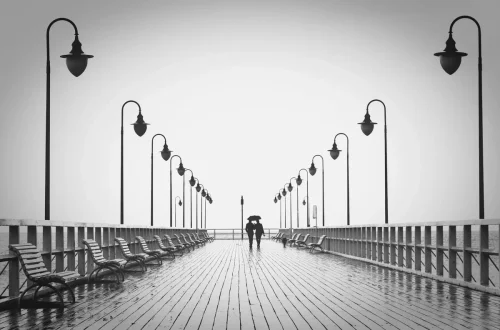
leading lines are compositional tools that direct the viewer’s gaze along a predetermined path within the photograph. Typically, these lines originate from elements like roads, pathways, railings, fences, or architectural features such as staircases and bridges. Their primary function is to create a visual flow that not only guides attention but also adds structure and coherence to the composition. Unlike purely decorative lines, leading lines interact purposefully with the main subject, often converging toward a focal point or vanishing point, which enhances spatial perception.
In travel photography, leading lines are especially vital due to the genre’s emphasis on storytelling and capturing environments. For example, a winding mountain road can lead the eye toward distant peaks, while a city street’s converging sidewalks might draw focus to a landmark building. These lines help communicate scale and distance, a crucial aspect when photographing vast landscapes or intricate urban scenes. According to principles outlined by photography educators on platforms like Adorama, leading lines function as “visual pathways” that establish a connection between the viewer and the subject, transforming static images into dynamic narratives.
How Leading Lines Enhance Depth, Flow, and Dynamism in Travel Photos
The effective use of leading lines contributes significantly to three core compositional objectives: depth creation, visual flow, and dynamism. Depth is enhanced when lines converge toward a vanishing point, offering a sense of three-dimensionality on a two-dimensional medium. This effect is crucial in travel photography, where conveying the scale and expansiveness of a location is often a priority. For instance, converging railway tracks or a row of trees lining a road can simulate spatial depth, making viewers feel immersed in the scene.
Visual flow relates to how the eye moves naturally across the photograph. Leading lines act as guides, channeling attention smoothly from one element to another. This flow maintains viewer engagement and prevents the eye from wandering aimlessly. Diagonal lines, in particular, introduce energy and movement, as they disrupt horizontal or vertical monotony and encourage dynamic exploration of the frame. Photographers like Nico Goodden utilize diagonal leading lines extensively in urban and street photography to create rhythm and tension, which heightens the photograph’s emotional impact.
Dynamism emerges when lines intersect or converge at strong focal points, generating visual tension and interest. The rule of thirds can be integrated with leading lines to optimize the placement of subjects, ensuring that the viewer’s eye lands on key elements without distraction. However, leading lines do not always need to point to the center; off-center alignment can produce more nuanced or surprising compositions, challenging traditional expectations and enhancing creativity.
Exemplary Leading Lines in Travel Photography: Roads, Architecture, and Natural Elements
Roads and pathways are among the most intuitive examples of leading lines in travel photography. Their linear nature naturally draws the eye forward, often toward a horizon or landmark. Ian Plant’s portfolio includes numerous images where mountain roads curve gracefully, guiding viewers through winding landscapes that communicate both journey and destination. Similarly, Kent DuFault’s urban photography captures city streets and railings as leading lines that frame architectural marvels.
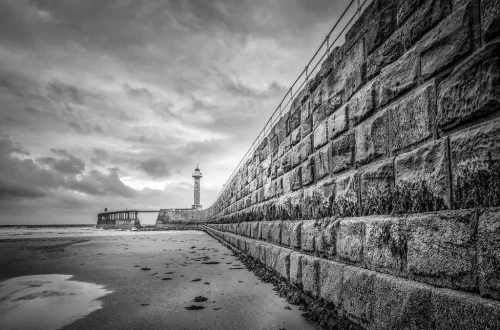
Architectural lines present abundant opportunities for leading lines in urban travel photography. Bridges, staircases, fences, and building facades offer straight or diagonal lines that define space and perspective. For example, the repeating patterns of a modernist building’s windows or the railing of a pedestrian bridge can create converging lines that draw attention to distant points or foreground subjects. These lines often intersect with framing techniques, such as compositional stacking, where multiple layers of lines and shapes overlap to create visual complexity.
Natural elements also provide leading lines, though they tend to be more organic and less rigid. Tree branches, riverbanks, shorelines, and mountain ridges can form subtle pathways that direct gaze. Landscape photographers frequently exploit these features to emphasize scale and depth. For example, a shoreline curving gently into the distance can function as a leading line that highlights the vastness of a coastal scene.
Applying Leading Lines Effectively: Techniques and Considerations
Mastering leading lines involves more than identifying potential lines in a scene; it requires deliberate manipulation of perspective, framing, and compositional balance. Shifting the camera angle can align multiple lines, enhancing the image’s depth and complexity. For instance, lowering the camera height to a road level can intensify the length and convergence of leading lines, as seen in Kent DuFault’s street photography tutorials.
Framing techniques such as compositional stacking—placing layers of lines and elements at different depths—can amplify spatial perception. Double exposure, while less traditional, can combine leading lines from separate frames to create surreal or abstract compositions, expanding creative possibilities.
While the rule of thirds remains a valuable guideline, it is not mandatory when using leading lines. Photographers should experiment with lines that lead off-center or to secondary subjects, which can yield more engaging and unconventional compositions. Avoiding common pitfalls, such as leading lines that abruptly end or distract without a clear focal point, is essential. Lines should guide rather than confuse the eye.
Case Studies: Leading Lines Across Travel Photography Genres
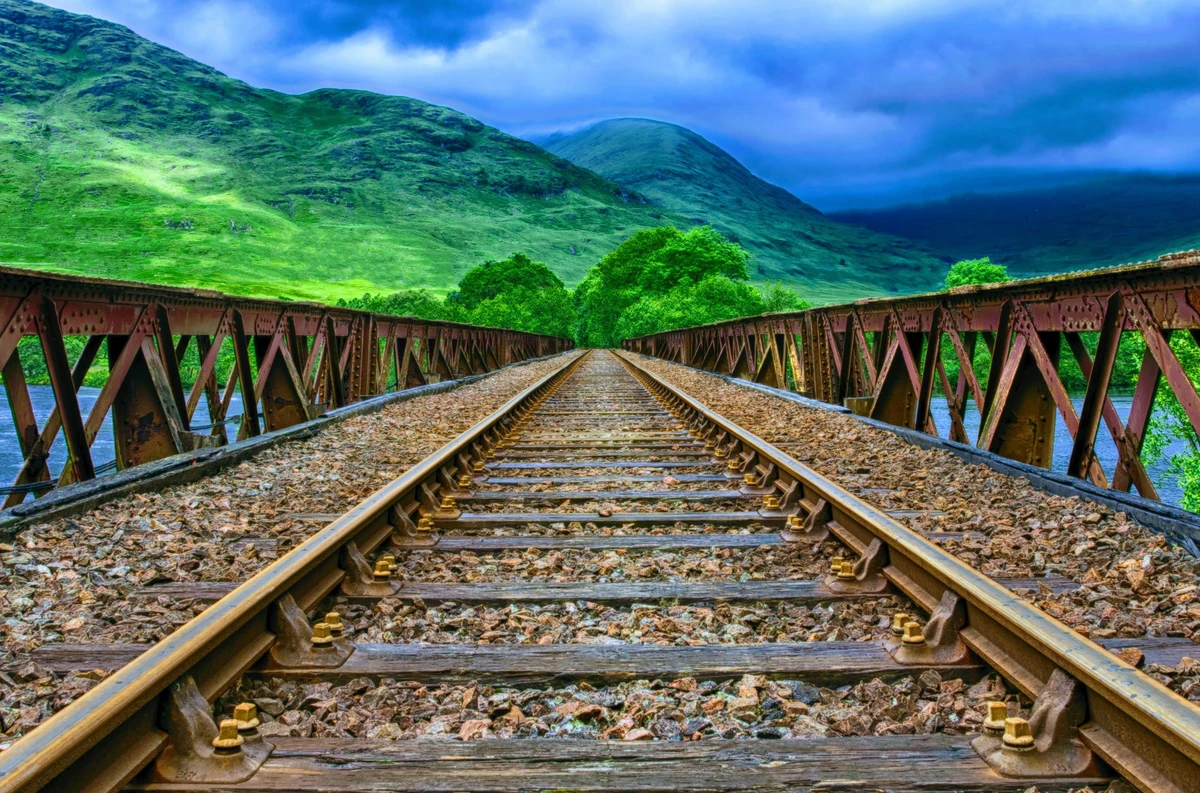
In urban and street photography, leading lines often emerge from man-made structures. Railings, crosswalks, and building edges create converging lines that frame dynamic human activity or architectural details. Ian Plant’s street work demonstrates how leading lines can isolate subjects amidst bustling environments, enhancing narrative focus.
Landscape and nature photography emphasize natural leading lines to convey vastness and serenity. Roads cutting through forests, rivers snaking through valleys, or ridges tapering into the horizon illustrate how natural lines lead viewers into the scene’s depth. Photographers exploit these lines to balance foreground interest with distant vistas.
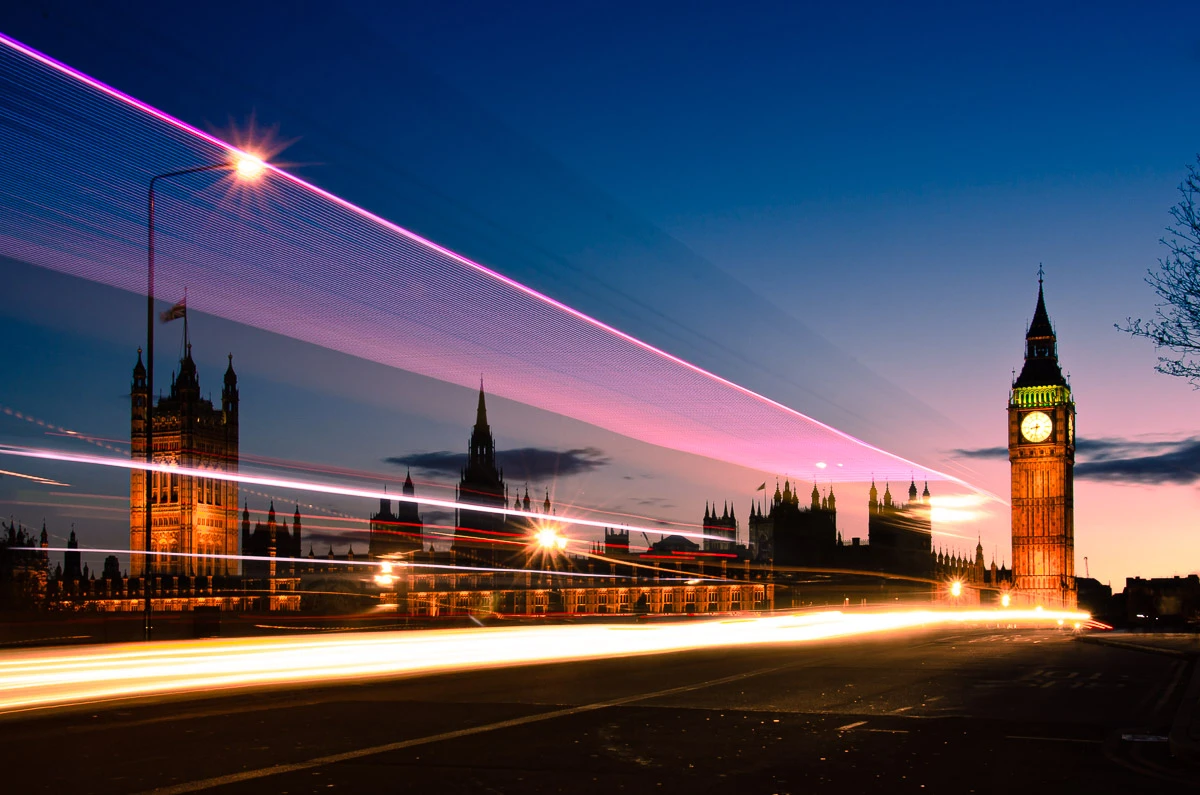
In more specialized travel photography genres, such as long exposure or macro, leading lines remain relevant. Long exposure shots of roads illuminated by car trails create glowing, continuous leading lines that emphasize movement and time passage. Macro travel photography might incorporate small-scale pathways or structural lines within natural subjects, guiding the viewer’s eye within intricate details.
| Photography Genre | Leading Line Types | Compositional Impact | Example Photographer |
|---|---|---|---|
| Urban & Street Photography | Railings, sidewalks, building edges | Frames subjects, enhances narrative focus | Ian Plant |
| Landscape & Nature Photography | Roads, rivers, mountain ridges | Creates depth, emphasizes scale | Kent DuFault |
| Long Exposure Travel Shots | Illuminated roads, light trails | Conveys movement, time flow | Nico Goodden |
| Macro Travel Photography | Small pathways, natural patterns | Guides eye within details | Various specialized photographers |
FAQ
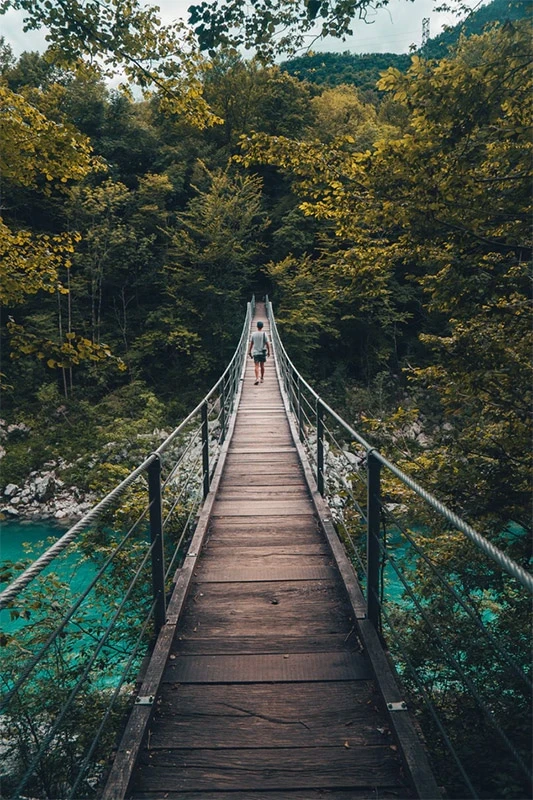
What are leading lines in travel photography?
Leading lines are compositional elements such as roads, pathways, or architectural features that guide the viewer’s eye through a photo toward the main subject or vanishing point, enhancing visual flow and depth.
How can I find leading lines when traveling?
Look for natural or man-made elements like roads, railings, fences, or riverbanks that form linear paths in the scene. Experimenting with different perspectives can reveal lines that might not be immediately obvious.
Do leading lines always have to point to the center of the photo?
No, leading lines do not need to lead to the center. They can direct the viewer’s eye to off-center subjects or multiple focal points, which can create more dynamic and interesting compositions.
How do leading lines affect photo composition?
Leading lines establish visual channels that create depth, guide attention, and introduce dynamism. They help organize elements within the frame, ensuring the viewer’s eye flows naturally through the image.
Can leading lines be used in all photography genres?
While most effective in travel, landscape, and urban photography, leading lines can be adapted to various genres including macro and long exposure by identifying linear elements or light trails that guide the viewer’s attention.
Leading lines remain a cornerstone technique for photographers aiming to create engaging and immersive travel images. Experimenting with perspective shifts, framing multiple lines, and integrating compositional principles like the rule of thirds can unlock new dimensions of visual storytelling. As travel photography continues to evolve with technological advancements and creative exploration, mastering leading lines will sustain its relevance as a tool for enhancing depth, flow, and emotional impact.
For further detailed insights on this compositional technique, photographers can consult expert tutorials and analyses such as those found at Digital Photography School’s guide on leading lines.