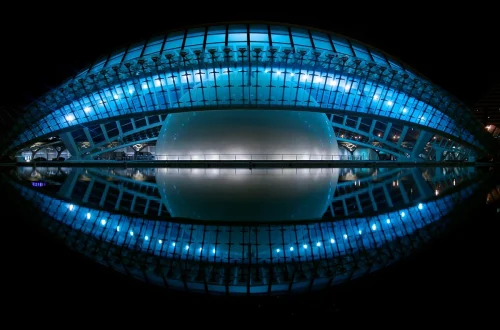
SnapRoamer.com – symmetry in photography serves as a fundamental compositional element that enhances visual harmony and balance, making images inherently appealing and engaging. By aligning subjects or elements evenly around a central axis, symmetry evokes a sense of order and calmness, guiding viewers’ eyes naturally through the frame and strengthening the storytelling potential of an image. This principle, deeply rooted in historical and cultural visual arts, continues to influence modern photography across genres, from architectural shots to nature and portraiture.
The perceptual impact of symmetry is linked to the human brain’s preference for order and proportionality, which can evoke emotional responses such as tranquility and satisfaction. Photographers strategically use symmetry to emphasize key aspects of a scene, creating powerful narratives that resonate with viewers. Understanding the types of symmetry—vertical, horizontal, radial, and reflective—and how they manifest in different contexts is essential for photographers aiming to harness this compositional tool effectively.
Understanding the Importance of Symmetry: Visual Harmony and Balance
Symmetry’s role in photography extends beyond mere aesthetics; it fundamentally shapes how an image communicates visually. Balanced compositions generated through symmetry provide a sense of calmness and stability, which can make photographs more inviting and easier to interpret. Research in visual psychology supports the notion that symmetrical images require less cognitive effort to process, as the brain quickly recognizes patterns and proportional arrangements.
Moreover, symmetry directs attention to central elements, enhancing storytelling by isolating subjects or architectural features within a harmonious frame. This visual focus often results in a stronger emotional connection for viewers. For example, symmetrical architectural photographs draw attention to structural grandeur and design precision, while symmetrical portraiture can convey balance in human form and expression.
The psychological appeal of symmetry also explains its prevalence in nature and human-made structures, reinforcing its effectiveness in photography. Symmetrical imagery taps into an innate appreciation for order, which can subconsciously communicate stability and beauty. This makes symmetry a reliable technique for photographers seeking to create compelling and aesthetically pleasing compositions.
Types of Symmetry in Photography
Photography employs several distinct types of symmetry, each with unique characteristics and applications:
Each type influences the mood and focus of a photograph differently, and skilled photographers select the appropriate symmetry form based on subject matter and desired impact.
Practical Techniques to Capture Symmetry
Capturing symmetry requires deliberate compositional choices and technical considerations. Lens selection significantly affects how symmetry is rendered; wide-angle lenses exaggerate spatial relationships and can emphasize bold symmetrical lines, while telephoto lenses compress space, allowing for subtle and refined symmetrical effects. Photographers often rely on tripod stabilization to ensure precise framing and alignment, critical for achieving perfect symmetry.
Compositionally, centering the main subject along the axis of symmetry is vital. Using grid overlays or live view modes with symmetry guides can assist in aligning elements accurately. Framing plays a critical role; incorporating leading lines and patterns reinforces symmetrical balance and guides the viewer’s gaze.
Post-processing tools such as Photoshop offer advanced capabilities for enhancing or creating artificial symmetry. Techniques include mirroring sections of an image or correcting distortions that disrupt symmetrical balance. Smartphone applications like KaleidaCam and MirrorArt enable photographers to experiment with symmetry effects on the go, expanding creative possibilities.
Symmetry Across Photography Genres
Symmetry manifests uniquely across various photography genres, each leveraging its strengths for specific visual outcomes.
Symmetry vs. Asymmetry: When to Break the Rules
While symmetry offers visual harmony, asymmetry introduces dynamism and tension, essential for certain creative expressions. Photographers intentionally break symmetry to create contrast, highlight movement, or evoke emotional complexity. Balancing symmetrical and asymmetrical elements can generate compelling compositions that maintain viewer interest.
For instance, placing a symmetrical subject off-center within an asymmetrical background can emphasize isolation or narrative tension. Understanding when to apply symmetry and when to deviate is a mark of advanced compositional skill, allowing photographers to tailor visual impact to their storytelling goals.
Future Trends: Computational Photography and Symmetry

The evolution of computational photography is reshaping how symmetry is utilized. Smartphone apps increasingly incorporate AI to detect and enhance symmetrical patterns automatically, democratizing access to professional-level composition tools. Applications like KaleidaCam and MirrorArt enable users to experiment with symmetry through real-time effects, expanding creative horizons.
Artificial intelligence also facilitates post-processing symmetry corrections and synthetic pattern generation, allowing photographers to manipulate visual balance with unprecedented precision. As digital techniques evolve, they will continue to influence compositional strategies, blending traditional principles with innovative technological capabilities.
This integration of AI advances the role of symmetry from a purely manual technique to a computationally enhanced art form, broadening both its accessibility and creative potential.
| Symmetry Type | Common Use Cases | Visual Effect | Example Genres |
|---|---|---|---|
| Vertical | Architectural facades, portraits | Balance, formal harmony | Architecture, Portrait |
| Horizontal | Water reflections, landscapes | Calmness, depth | Nature, Landscape |
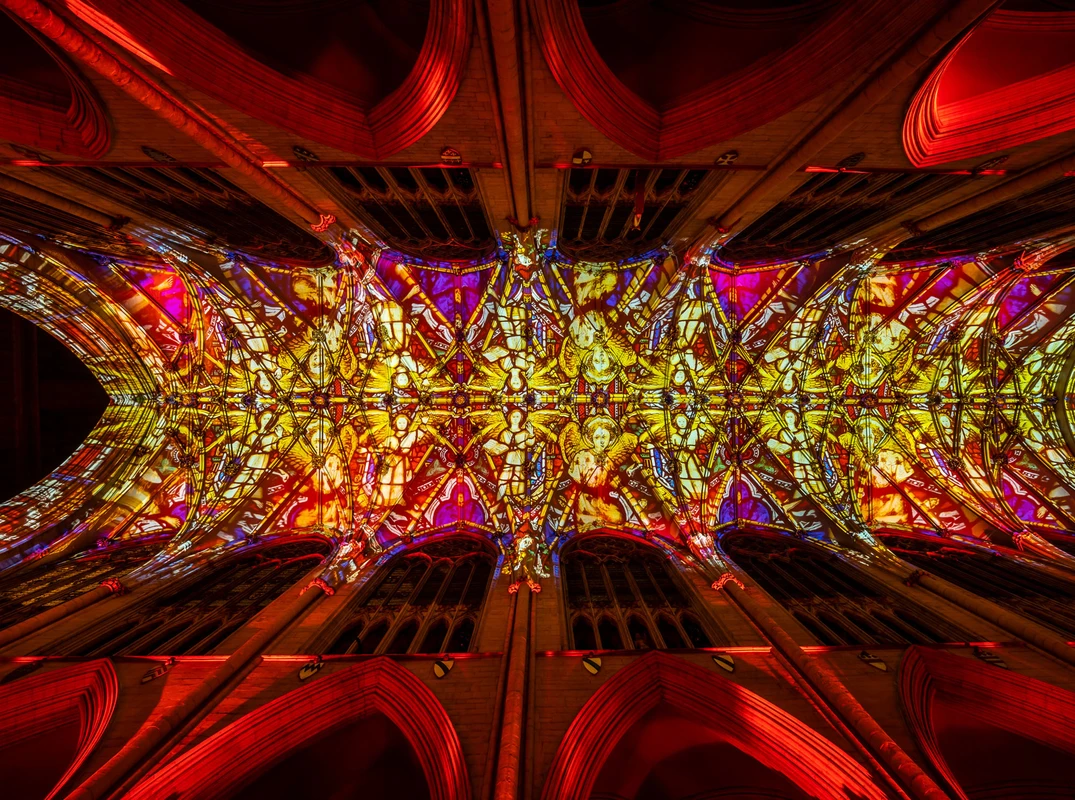
| Radial | Floral patterns, circular architecture | Dynamic focus, visual interest | Nature, Architecture |
| Reflective | Abstract art, street reflections | Pattern creation, visual cohesion | Street, Abstract |
FAQ
Why is symmetry important in photography?
Symmetry is important because it creates visual balance and harmony, making images more aesthetically pleasing and easier for viewers to process. It draws attention to central subjects and enhances storytelling by emphasizing order and proportion.
Which lenses are best for capturing symmetry?
Wide-angle lenses are preferred for emphasizing bold symmetrical lines and spatial depth, while telephoto lenses are ideal for subtle, compressed symmetrical effects. Lens choice depends on subject and desired visual impact.
Can symmetry be added during post-processing?
Yes, post-processing software like Photoshop allows photographers to enhance or artificially create symmetry by mirroring parts of an image or correcting distortions that disrupt balance.
How does symmetry differ from asymmetry in composition?
Symmetry emphasizes balance and order, evoking calmness and stability, whereas asymmetry introduces tension and dynamism, adding visual interest through contrast and imbalance.
What are some practical tips to shoot symmetrical photographs?
Photographers should center subjects along a symmetry axis, use tripods for precise alignment, select appropriate lenses, employ composition guides, and consider post-processing tools to refine symmetry.
Symmetry remains a vital compositional element that enriches photographic storytelling and visual appeal. As technology advances, photographers can expect new tools to enhance symmetry’s creative potential, blending classical principles with digital innovation for compelling imagery.
For further insights on symmetry’s role in photography, see Travel Photography Guru’s analysis of symmetry and explore detailed compositional guides at Nuzira’s guide on symmetry and patterns.