SnapRoamer.com – smartphone camera lenses have become essential accessories for mobile photography enthusiasts seeking to elevate image quality beyond native camera capabilities. The market offers a diverse range of lens types—from wide-angle and macro to anamorphic and telephoto—each designed to enhance specific photographic effects. Consumers benefit from specialized retailers such as Moment and ShiftCam, which provide premium optical solutions with proprietary mounts for seamless smartphone compatibility, alongside broader marketplaces like Amazon and Alibaba that offer extensive lens kits catering to various budgets and needs. Compatibility considerations, particularly regarding lens mounts like Moment’s T-Series and M-Series or ShiftCam’s S.Mount, play a crucial role in ensuring optimal performance across different iPhone and Android models.
Specialized retailers such as Moment and ShiftCam dominate the premium segment by delivering high-quality lens optics crafted for professional-grade smartphone photography. Moment’s product line includes lenses compatible with their proprietary T-Series mount, which supports newer iPhone models like the iPhone 14 and 15 series, as well as the M-Series designed for older phones. ShiftCam complements its offerings with the S.Mount system, facilitating quick lens attachment and detachment. Both brands boast trade-in programs enabling customers to upgrade lenses affordably, fostering brand loyalty and continuous product innovation. Movo and Lemuro also participate in this space, offering competitively priced clip-on lenses and auxiliary accessories, though with less emphasis on proprietary mounts.
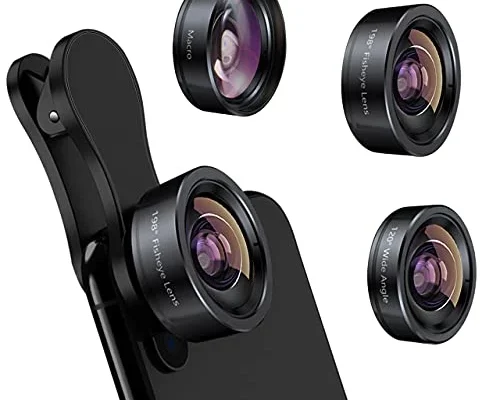
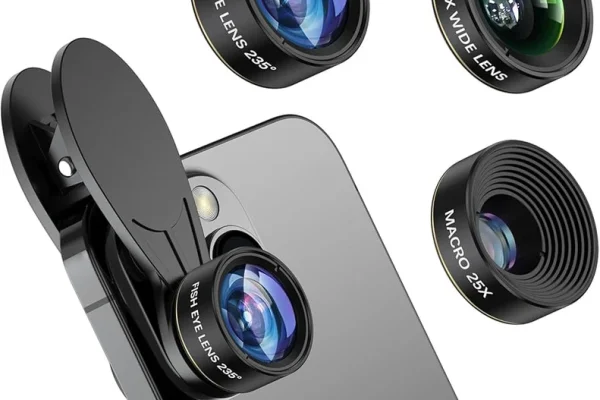
In contrast, online marketplaces such as Amazon and Alibaba provide a vast array of lens kits ranging from budget-friendly options to mid-tier products. These platforms reflect significant variation in optical quality and build, necessitating careful review scrutiny to avoid low-performing models. User reviews and verified ratings are critical tools for consumers to differentiate between lenses that deliver true photographic enhancements and those that fall short. Many budget kits bundle multiple lens types—wide-angle, fisheye, and macro—with additional accessories like ND filters or polarizers, providing value but often at the cost of optical sharpness and coating quality. The convenience of these platforms, however, makes them a popular starting point for casual photographers.
Smartphone camera lenses encompass several core types that fulfill distinct creative and functional roles:
Compatibility hinges on lens mount systems, which secure lenses to smartphones while maintaining optical alignment. Moment’s T-Series mount, for instance, is tailored for newer iPhone models such as the iPhone 15 and 17 series, ensuring precise optical calibration. The M-Series mount serves older devices, reflecting the evolution of smartphone form factors. ShiftCam’s S.Mount system provides a magnetic attachment mechanism compatible with various phone models, including select Android smartphones, enhancing versatility. Lens mounts directly impact usability, with improper fit lowering image quality and user experience.
Pricing and quality vary significantly between premium brands and budget alternatives. Moment and ShiftCam lenses command prices typically ranging from $100 to $200 per lens, reflecting their superior glass elements, multi-coating technologies, and robust build quality. These lenses consistently receive high marks in expert reviews for sharpness, minimal chromatic aberration, and color fidelity. For example, NYT Wirecutter’s evaluation of iPhone lenses highlights Moment’s anamorphic lens as a top performer for cinematic video effects. Conversely, lenses priced under $50 often sacrifice optical precision, exhibiting issues such as vignetting, distortion, and lower resolution. Digital Camera World underscores the importance of optical quality over mere lens popularity, advising consumers to prioritize clarity and color accuracy.
The smartphone camera lens market is underpinned by global manufacturers known for pioneering optical innovation. Companies like Largan Precision Co., Sunny Optical Technology, Genius Electronic Optical, Asia Optical, Kantatsu, OFILM Group, Corning Incorporated, and Hoya Corporation supply lens components that feed into both premium and budget product lines. Their R&D investments enable advancements such as aspherical elements and anti-reflective coatings that enhance image clarity and reduce flare. Industry trends point toward increasingly sophisticated multi-element lenses and integration with smartphone hardware, signaling future improvements in mobile photography capabilities.
Additional services offered by premium lens brands enhance consumer confidence and product longevity. Moment and ShiftCam’s trade-in programs incentivize upgrades by providing credit toward newer lenses, facilitating access to the latest optical technology without full repurchase costs. Return policies typically range from 30 to 90 days, allowing users to assess lens compatibility and performance risk-free. Warranties often cover manufacturing defects for one to two years, with some brands offering lifetime support or repair services. Customer support extends beyond sales, encompassing user guides, tutorials, and community forums that assist photographers in maximizing lens potential.
Where to Buy Smartphone Camera Lenses
Choosing the right retailer is paramount to acquiring high-quality smartphone lenses. Specialized retailers like Moment and ShiftCam offer curated selections focused on quality and compatibility. Moment’s online store presents lenses designed with proprietary mounts ensuring precise fit for devices including the iPhone 13 through iPhone 17 series and select Android models. Their trade-in program supports upgrading older lenses, reflecting a sustainable business model. ShiftCam provides similar services with a broader lens mount system accommodating various phone brands. Both brands emphasize customer service and product warranties.
Amazon and Alibaba serve as vast marketplaces presenting a spectrum of lens kits from multiple manufacturers. Amazon’s platform features extensive user reviews and Q&A sections critical for assessing product reliability. Alibaba predominantly caters to wholesale buyers but also offers retail options for consumers, especially in the Asian markets. Buyers should exercise caution, verifying seller credentials and product authenticity due to the prevalence of counterfeit or inferior lenses. In both channels, price ranges can vary from under $20 for entry-level kits to over $300 for professional-grade lenses.
Lens Types and Compatibility
Smartphone lenses vary widely in optical design and intended use. wide-angle lenses typically expand field of view up to 120 degrees, suitable for sweeping landscapes. Macro lenses focus at distances as close as a few centimeters, revealing textures and details. Telephoto lenses provide optical zoom capabilities ranging from 2x to 5x, outperforming digital zoom by preserving image resolution. Anamorphic lenses, favored by mobile filmmakers, produce widescreen footage with characteristic lens flares and enhanced cinematic aesthetics. Fisheye lenses offer creative distortion effects popular in action sports and abstract photography.
Lens compatibility is governed by mount standards. Moment’s T-Series mount fits newer iPhones with flat edges, ensuring stable attachment and minimal light leakage. The M-Series supports legacy models with curved edges. ShiftCam’s S.Mount utilizes magnetic alignment, enabling quick swaps and compatibility with select Android phones. Lens mounts also influence accessory availability, such as lens caps and hoods, which help protect optics and reduce glare. Consumers should verify mount compatibility with their specific smartphone model to avoid fitting issues.
Quality and Pricing Insights
Premium lenses from Moment and ShiftCam are engineered with multi-element glass optics, anti-reflective coatings, and durable metal housings. These features contribute to sharp images with minimal distortion and flare. For example, Moment’s telephoto lens employs a 60mm focal length with low chromatic aberration, while its anamorphic lens delivers a 2.4:1 aspect ratio favored in professional video production. Pricing reflects these qualities, often exceeding $150 per lens, but justifiable by improved image fidelity.
Budget lenses available on Amazon and Alibaba frequently use plastic optics, which degrade sharpness and introduce artifacts. These kits appeal to beginners or casual users seeking versatility at low cost but typically lack the precision required for professional use. Industry reviews recommend prioritizing optical quality over price, emphasizing that investment in a few high-quality lenses yields superior photographic results compared to large, inexpensive kits. Verified user reviews and third-party assessments from sources like NYT Wirecutter provide valuable guidance.
Market Overview of Smartphone Lens Manufacturers
Global lens manufacturers like Largan Precision and Sunny Optical dominate the smartphone camera lens supply chain. Largan Precision, headquartered in Taiwan, is renowned for producing high-precision aspherical lenses used in flagship smartphones. Sunny Optical, based in China, combines lens manufacturing with imaging module assembly, contributing to vertical integration and innovation. Other key players such as Genius Electronic Optical and Asia Optical supply various lens components, driving industry-wide improvements in optical coatings and miniaturization.
Emerging trends include increased adoption of multi-element lenses and integration of lens modules with computational photography software. Manufacturers are investing in nano-coatings to reduce flare and enhance light transmission, critical for low-light photography. Market growth is fueled by rising smartphone adoption and consumer demand for creative photography tools, encouraging continuous product development.
Additional Services and Policies
Trade-in programs offered by Moment and ShiftCam provide cost-effective pathways to upgrade lenses, enabling users to exchange older models for credit toward new purchases. These programs often include evaluation criteria ensuring returned lenses meet condition standards. Return policies vary but generally allow 30-day no-questions-asked returns, providing assurance for first-time buyers.
Warranties typically cover defects in materials and workmanship for one to two years. Some brands offer extended support, including repair services and lifetime technical assistance. Customer service channels include email support, detailed online resources, and active social media engagement. Such comprehensive service frameworks enhance consumer trust and satisfaction.
Making an Informed Purchase Decision

Consumers seeking smartphone camera lenses should prioritize compatibility, optical quality, and service offerings. Verifying mount compatibility with specific phone models ensures functional fit and performance. Investing in premium lenses from manufacturers like Moment or ShiftCam generally delivers superior image quality and durability compared to generic budget options. Evaluating user reviews and expert assessments aids in identifying lenses that meet specific photographic needs.
Trade-in and warranty programs add tangible value by safeguarding investments and facilitating technology upgrades. Buyers are advised to consult reputable sources such as Moment’s official site and independent reviews before purchasing. As smartphone photography continues to evolve, selecting lenses that combine optical excellence with reliable support will maximize creative potential and long-term satisfaction.
FAQ

Where can I buy high-quality smartphone camera lenses?
High-quality smartphone camera lenses are available from specialized retailers like Moment and ShiftCam, which offer premium lenses with proprietary mounts and trade-in programs. Major online marketplaces such as Amazon and Alibaba also provide a wide range of lens kits suitable for different budgets, though buyers should verify product quality and compatibility.
What types of smartphone camera lenses are most popular?
Popular smartphone lenses include wide-angle for expansive shots, macro for close-up detail, telephoto for optical zoom, anamorphic for cinematic video effects, and fisheye for artistic distortion. Each lens type serves distinct creative purposes and enhances smartphone photography versatility.
How do lens mounts affect compatibility?
Lens mounts like Moment’s T-Series and M-Series or ShiftCam’s S.Mount secure lenses to smartphones and ensure optical alignment. Compatibility depends on phone model and mount type; improper mounts can cause poor image quality or fitting issues. Always confirm mount compatibility before purchase.
Are trade-in programs available for smartphone camera lenses?
Yes, brands like Moment and ShiftCam offer trade-in programs that allow users to exchange older lenses for credit toward new models. These programs help customers upgrade affordably and encourage sustainable consumption.
What should I consider when choosing between premium and budget lenses?
Consider optical quality, lens construction, compatibility, and warranty support. Premium lenses generally offer superior glass elements, coatings, and durability, resulting in better image quality. Budget lenses may be suitable for casual use but often lack precision and longevity. Verified reviews and expert evaluations can guide informed decisions.