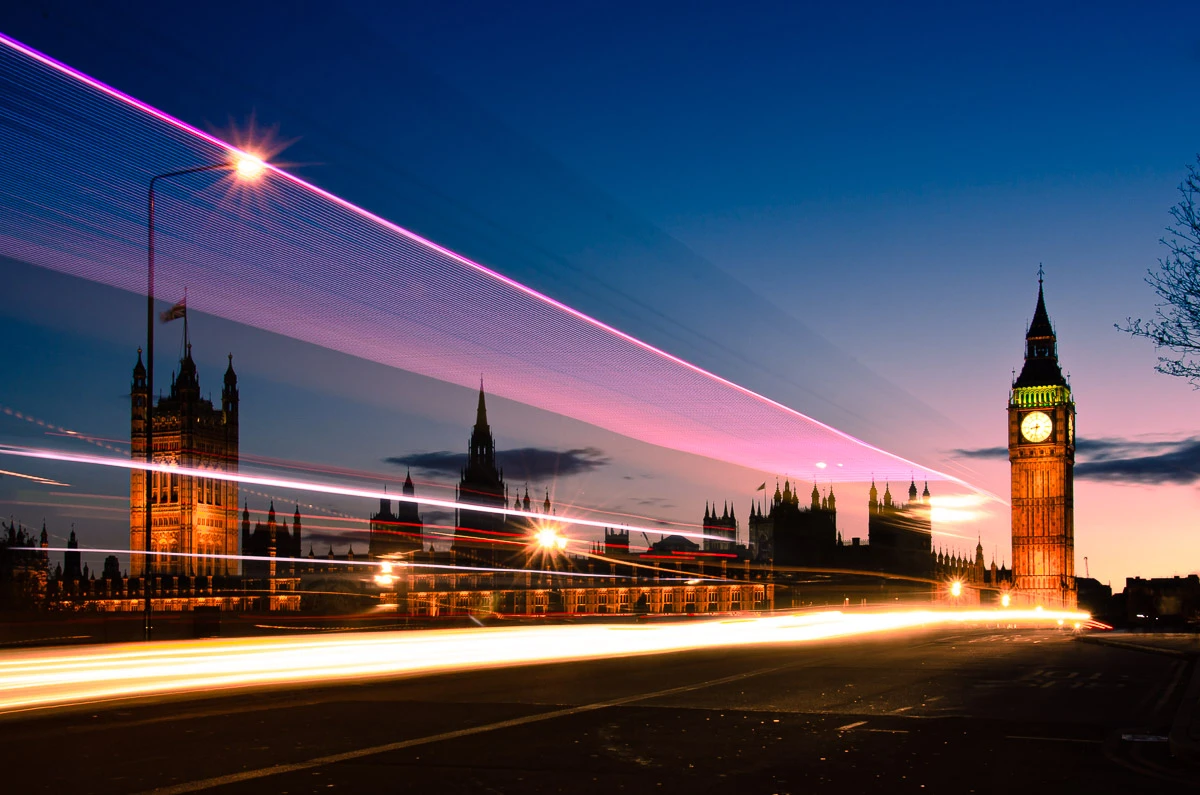
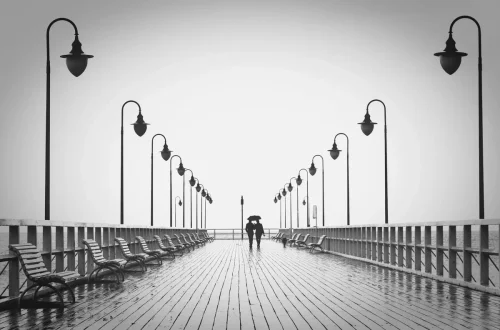
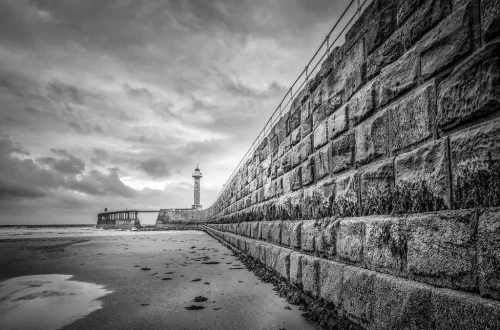
SnapRoamer.com – Leading lines in photography are fundamental compositional tools that guide the viewer’s eye through an image, enhancing depth, perspective, and overall visual impact. Commonly found in both natural and urban environments, these lines can be straight, curved, subtle, or bold, and serve as pathways directing attention toward the main subject or focal point. Photographers employ leading lines to create compelling narratives within their frames, often combining them with other composition principles like the rule of thirds to achieve balanced and dynamic images. Renowned photographers such as Peter Lik have famously utilized leading lines to frame landscapes, while urban photographers like Nico Goodden exploit architectural features and street elements to create striking visual flow.
natural leading lines commonly appear as rivers, shorelines, tree lines, and even the aurora borealis, while man-made lines include roads, bridges, railroads, fences, staircases, and power lines. Beyond these typical examples, creative uses of leading lines can be found in abstract elements such as fabric folds, body contours, or urban geometry, broadening the scope of visual storytelling. For photographers aiming to enhance their compositional skills, identifying and incorporating leading lines requires understanding their environment and experimenting with perspectives and angles to maximize their impact.
Where to Find Leading Lines: Common Examples and Unique Variations
leading lines manifest across diverse environments, serving as natural or constructed guides that shape the viewer’s journey through an image. In natural landscapes, rivers and streams meander through scenes, offering fluid, curved lines that evoke tranquility and motion. Shorelines and sand dunes create rhythmic patterns that lead the eye toward horizons or focal points. Tree lines and forest paths often frame images with vertical or diagonal lines, adding depth and a sense of enclosure. The aurora borealis presents a rare and ethereal example of natural leading lines, with sweeping bands of light directing attention across night skies.
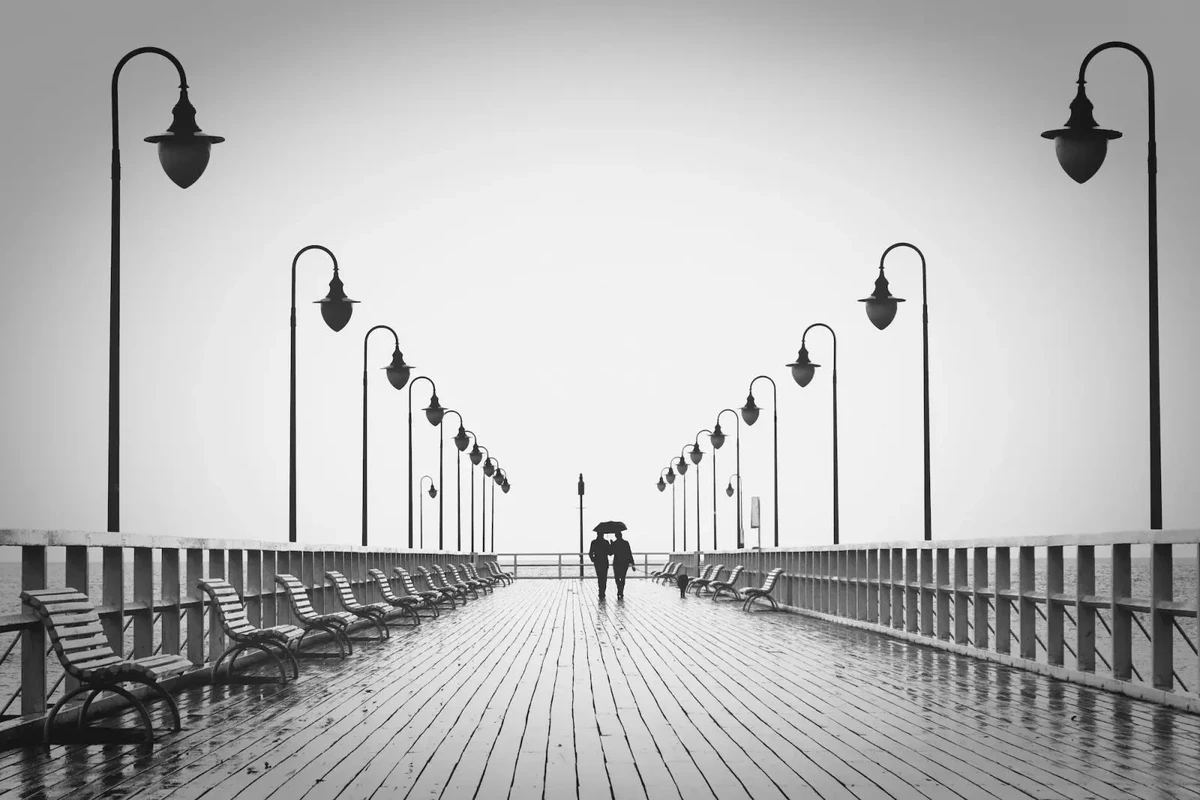
man-made leading lines are abundant in urban and architectural photography. Roads and highways, especially those converging toward a vanishing point, offer powerful linear guides that emphasize scale and distance. Bridges provide structural lines that frame subjects while adding geometric interest. Railroads, fences, and staircases introduce repetitive patterns and converging lines, enhancing depth and directing focus. Power lines and building edges contribute to urban geometry, often intersecting at angles to create complex visual pathways.
Creative photographers push boundaries by using unconventional leading lines, such as the folds of fabric in studio shoots, body contours in portraiture, or abstract urban details like shadows and reflections. These elements expand the potential for visual storytelling and invite viewers to explore the image more deeply.
Iconic Photographers and Their Use of Leading Lines
Peter Lik, acclaimed for his landscape photography, frequently employs leading lines to frame vast natural scenes. His use of river bends, tree lines, and mountain ridges draws viewers into immersive, panoramic compositions that highlight the grandeur of nature. For instance, his images often feature a river or pathway starting at the foreground and winding toward distant peaks, creating a compelling visual journey and emphasizing depth.
Urban photographer Nico Goodden leverages leading lines in street photography, focusing on architectural elements such as staircases, bridges, and building facades. His work demonstrates how man-made lines can create rhythm and guide the eye through complex urban environments. Goodden’s compositions often utilize diagonal and converging lines, enhancing the sense of movement and perspective.
SLR Lounge’s professional engagement shoots provide practical examples of leading lines in portrait and event photography. Photographers incorporate staircases, fences, and pathways to direct attention toward subjects, balancing natural and artificial light to enhance depth. These sessions showcase how leading lines can be tailored to different genres, from intimate portraits to wide environmental shots.
How to Identify Leading Lines in Your Environment
Spotting leading lines begins with careful observation of your surroundings. In natural settings, look for elements like rivers, trails, tree branches, or ridges that naturally guide the eye. Urban environments offer myriad lines in roads, sidewalks, fences, and architectural details. Consider the direction of these lines and how they might lead toward your intended subject.
Planning photoshoots with leading lines in mind involves scouting locations and envisioning how lines can enhance composition. Experiment with angles: shooting from low perspectives can exaggerate the length and prominence of lines, while high viewpoints might reveal converging patterns invisible at eye level. Adjusting focal lengths, such as using a Sigma Art 35mm lens on a Nikon D850, can help control the perspective and depth of leading lines.
Changing your shooting angle can transform ordinary lines into dynamic visual pathways. For example, a diagonal road seen from a corner angle creates tension and movement, while a straight fence line photographed head-on establishes symmetry and balance. Using converging lines, where two or more lines meet at a vanishing point, intensifies depth perception and directs focus precisely.
Composition Techniques Using Leading Lines
Leading lines gain compositional power when paired with classical rules like the rule of thirds. Positioning the endpoint of a leading line near a third intersection point anchors the composition and creates balance. Converging lines, where lines meet at a distant point, generate a strong sense of depth and guide the viewer’s gaze toward the focal element.
Different orientations of lines evoke varied emotional responses. Vertical lines, such as tree trunks or poles, convey strength and stability. Diagonal lines introduce dynamism and movement, often leading the eye energetically across the frame. Curved lines, like winding rivers or paths, suggest fluidity and softness, inviting a gentle visual flow.
Mastering these techniques enables photographers to manipulate visual paths, enhancing storytelling and emotional resonance. Using leading lines in conjunction with depth of field and lighting further accentuates focal points and spatial relationships, contributing to a multi-dimensional experience.
Creative Inspiration and Unusual Leading Lines Examples
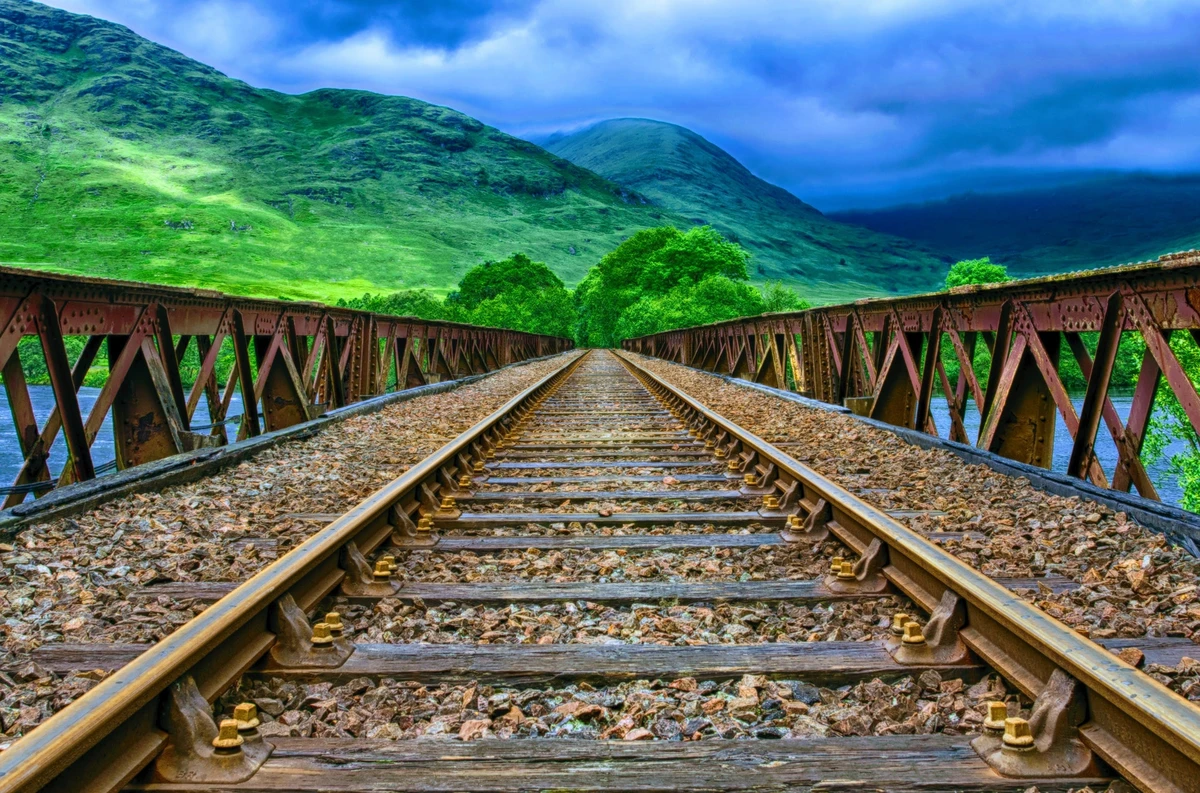
Beyond common subjects, photographers find leading lines in unexpected places. The aurora borealis, with its sweeping, luminous arcs, offers natural leading lines that captivate viewers and add ethereal movement to nightscapes. Abstract elements such as fabric folds or shadows cast on textured surfaces create subtle lines that guide the eye and add layers of interest.
Body parts, particularly arms and legs in portraiture, can act as leading lines, directing attention toward the subject’s face or expression. Urban geometry, including reflections on glass, tiled floors, and repetitive architectural patterns, provides endless opportunities for inventive leading line compositions.
Exploring these unconventional lines encourages photographers to rethink their surroundings and experiment with new perspectives. Sharing such creative examples fosters community learning and inspires innovation within photographic practice.
FAQ
What are common examples of leading lines in photography?
Leading lines often include roads, rivers, fences, bridges, staircases, shorelines, and tree lines. These elements guide the viewer’s eye through an image, enhancing depth and focus.
How do leading lines improve photographic composition?
They direct the viewer’s gaze toward the main subject, create a sense of depth and perspective, and contribute to balanced and engaging visual narratives by connecting foreground and background.
Can leading lines be natural and man-made?
Yes, leading lines occur in natural settings such as rivers and tree branches, and in man-made environments like roads, fences, and architectural structures.
How do professional photographers use leading lines?
Photographers like Peter Lik use natural leading lines to frame expansive landscapes, while urban photographers employ architectural lines to create rhythm and guide focus, often combining lines with composition rules for strong visual impact.
What camera gear is recommended for capturing leading lines?
Lenses with moderate wide-angle focal lengths, such as the Sigma Art 35mm, paired with high-resolution cameras like the Nikon D850, offer flexibility and sharpness for capturing detailed leading lines in various environments.
Exploring leading lines enriches photographic composition by transforming ordinary elements into dynamic visual pathways. Photographers are encouraged to observe their environments closely, experiment with different angles and perspectives, and integrate these lines thoughtfully with composition rules to enhance storytelling. As photographic technology advances and creative practices evolve, leading lines remain essential for crafting images that resonate deeply with viewers.
For further insights and tutorials on leading lines, consult Visual Education’s leading lines guide and Digital Photography School’s composition tips.