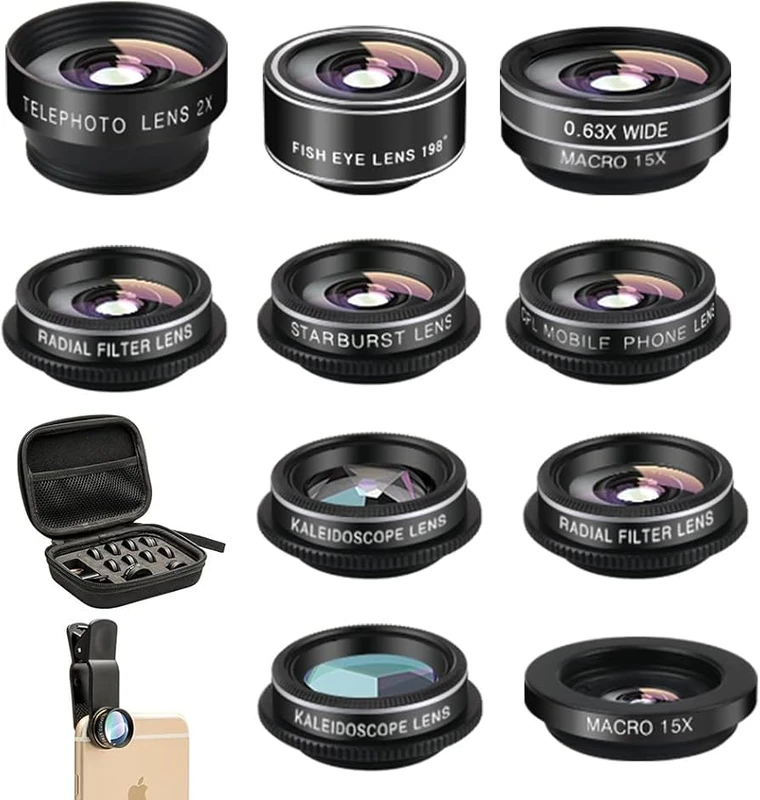
SnapRoamer.com – Smartphone photography has transformed from a casual pastime into a sophisticated art form, thanks to continual advances in camera technology and computational imaging. While smartphones offer unparalleled convenience, achieving compelling images requires more than just pointing and shooting. Effective framing techniques are essential to enhance composition and image quality, guiding the viewer’s eye and elevating ordinary scenes into visually engaging photographs. Applying foundational composition principles alongside smartphone-specific features enables photographers to maximize their device’s potential and create striking visuals.
Mastering smartphone photo framing begins with understanding how to position subjects deliberately within the frame. The rule of thirds remains one of the most reliable methods: dividing the screen into a 3×3 grid to place key elements along intersecting lines or nodes. This technique introduces dynamic balance, avoiding static centering that can render images dull. Most smartphones offer grid overlays as a standard feature, allowing users to activate this guide in the camera settings for immediate compositional assistance. Practical use involves aligning horizons, faces, or focal points with these grid lines to create natural tension and flow.
Leading lines provide another powerful compositional tool by directing the viewer’s gaze through the photograph. Roads, fences, architectural edges, or natural elements such as rivers and tree branches can function as visual pathways. When composing shots, identifying these lines and positioning them to draw attention toward the main subject enhances narrative depth and spatial perception. Symmetry and balance further contribute to visual harmony, particularly when reflections, parallel structures, or repeated patterns are present. Symmetrical framing can evoke calmness and order, while deliberate asymmetry—balanced with negative space—adds interest and tension.
The rule of odds suggests that an odd number of subjects or focal points often results in more engaging images. This principle, combined with effective use of negative space, helps isolate subjects and prevent overcrowding. Negative space—the empty or less detailed areas around the subject—provides breathing room and emphasizes the focal elements without distraction. Smartphones’ wide-angle lenses facilitate creative placement of negative space, particularly in landscape or environmental portraits, where context enriches storytelling.
Beyond fundamental rules, advanced framing methods allow photographers to experiment with more nuanced effects. “Fill the frame” is a technique that involves cropping tightly around the subject to eliminate extraneous details, creating impactful close-ups. This approach is especially effective for portraits, macro shots, or when the environment detracts from the subject’s prominence. However, it requires careful balance to avoid losing contextual cues that contribute to the image’s story.
Subframing, or framing within a frame, introduces additional depth by using natural or architectural elements—such as windows, arches, doorways, or foliage—to encase the subject. This technique draws the eye inward and adds layers of visual interest. For instance, a person photographed through a circular window or under a leafy canopy gains dimensional framing that enhances mood and focus. Smartphones’ versatile autofocus and exposure controls support capturing such layered compositions with clarity.
Perspective and angle variation are crucial for breaking monotony. Physically moving around the subject—shooting from high, low, or oblique angles—can radically change how the scene is perceived. Low-angle shots can convey power and grandeur, while high-angle views may evoke vulnerability or overview. Smartphones’ lightweight and ergonomic design facilitate these movements, encouraging users to explore unconventional viewpoints. Additionally, switching between portrait and landscape orientations affects composition dynamics. Portrait mode suits vertical subjects and emphasizes height, while landscape orientation captures broader scenes and horizontal elements. Square or custom aspect ratios offered in camera apps provide further framing flexibility, catering to social media formats or artistic preferences.
Smartphone camera features increasingly support and enhance these framing techniques. Grid overlays remain fundamental tools for precise subject alignment and horizon leveling. High Dynamic Range (HDR) functionality improves exposure balance in scenes with challenging lighting, ensuring details in shadows and highlights are preserved. This is particularly beneficial when framing subjects against bright skies or backlit environments. Burst mode allows capturing multiple frames in quick succession, ideal for dynamic subjects or fleeting moments where precise composition is critical. Portrait mode harnesses computational imaging to create natural bokeh effects, isolating subjects by blurring backgrounds and simulating shallow depth of field traditionally achievable with DSLRs.
Effective smartphone photography also demands awareness of practical pitfalls. Cluttered or distracting backgrounds undermine subject prominence and dilute compositional impact. Employing depth of field and selective framing helps mitigate this. However, overly tight framing without sufficient environmental context can make images feel isolated or confusing. Balancing these elements requires intentionality and often trial with multiple shots. Lighting angles and shadows contribute to framing by shaping textures and visual weight; natural light, especially during golden hour, accentuates contours and adds warmth. Experimenting with directional lighting can emphasize framing elements such as leading lines or subframes.
Keeping a record of multiple shots and angles offers greater flexibility in post-processing. Cropping during editing can refine initial framing choices, but starting with strong in-camera composition reduces dependency on heavy adjustments. Smartphone photo editing apps frequently include cropping grids aligned with compositional rules, reinforcing learning and application of framing techniques.
| Framing Technique | Description | Smartphone Feature Support |
|---|---|---|
| Rule of Thirds | Divides frame into nine segments; places subjects on intersections for dynamic balance | Grid overlay in camera app |
| Leading Lines | Uses natural or architectural lines to guide viewer’s eye to subject | Wide-angle lens, autofocus |
| Fill the Frame | Tight cropping to emphasize subject and reduce distractions | Pinch-to-zoom, manual focus |
| Subframing | Frames subject within natural or architectural frames like windows or arches | Portrait mode, exposure lock |
| Perspective Variation | Changing shooting angle or height to alter composition and mood | Gyroscope, image stabilization |
| HDR | Balances exposure in high-contrast scenes for detail retention | Auto HDR setting |
These framing techniques, combined with smartphone camera advancements, offer photographers a versatile toolkit for improving composition and visual storytelling. However, the most significant gains come from practice and experimentation. Moving physically around subjects to find unique angles, balancing tight framing with environmental context, and adapting to lighting conditions develop a photographer’s intuition and creativity.
Incorporating these methods into routine shooting transforms smartphone photography from snapshot capture to deliberate artistic expression. As smartphone hardware and software continue to evolve, photographers who understand and apply fundamental framing principles will remain ahead in producing images that resonate and captivate.
Frequently Asked Questions
What is the best framing technique for smartphone photography beginners?
Beginners benefit most from using the rule of thirds with grid overlays enabled, as it provides a simple visual guide for balanced subject placement. Starting with this technique helps avoid centered and static compositions, making photos more engaging.
How can I use leading lines effectively on my smartphone?
Identify natural or man-made lines such as roads, fences, or architectural edges and position them to lead the viewer’s eye toward the main subject. Experiment with angles to ensure these lines direct attention without overwhelming the composition.
When should I fill the frame versus include environmental context?
Fill the frame for portraits or macro shots to emphasize details and reduce distractions. Include environmental context when the background adds storytelling value or scale to the subject. Balancing these depends on the photo’s intent and message.
How does HDR improve smartphone photo framing?
HDR balances exposure in scenes with mixed lighting, preserving detail in shadows and highlights. This allows framing subjects against bright or complex backgrounds without losing image quality, maintaining clear and well-exposed compositions.
Can I use portrait and landscape modes interchangeably?
Portrait orientation suits vertical subjects and emphasizes height, while landscape captures wide scenes and horizontal elements. Choosing the mode depends on subject shape, intended framing style, and platform where the photo will be displayed.
For further technical insights and practical tutorials on smartphone photography framing techniques, refer to expert resources such as PhotoVideoCreative’s guide to smartphone framing and The Whole U’s smartphone photography tips.
Continuous exploration of these framing strategies, supported by smartphone camera features, equips photographers to harness their device’s full potential and produce images that stand out for composition and quality alike.