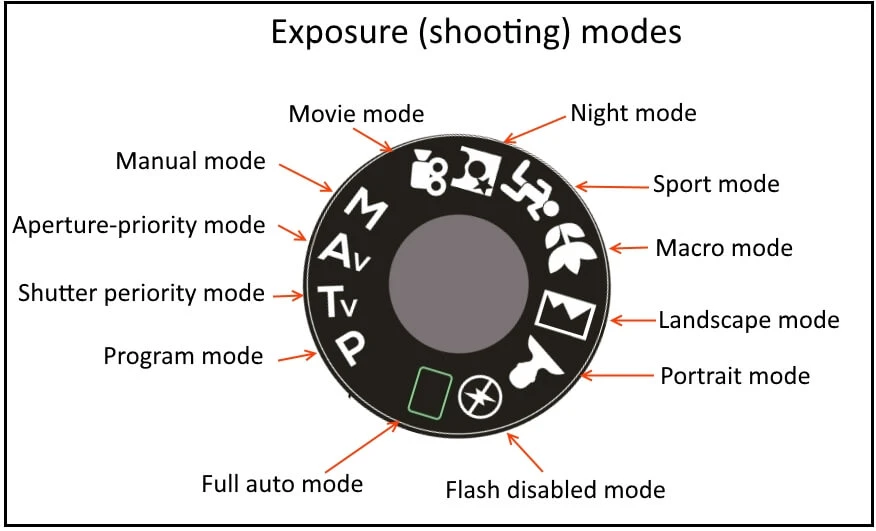
SnapRoamer.com – Smartphone camera technology has evolved into a complex ecosystem of specialized shooting modes designed to enhance image quality across diverse conditions. For discerning users aiming to capture professional-level photos, understanding the distinct functionalities of these modes is essential. The best smartphone shooting modes leverage AI-powered multi-frame processing, advanced sensor technologies, and manual controls to optimize exposure, focus, and color accuracy, enabling high-quality results from casual snapshots to low-light environments.
Leading flagship models like the Apple iPhone 17 Pro, Samsung Galaxy S25 Ultra, Google Pixel 10, Xiaomi 15 Ultra, and Honor Magic7 Pro integrate cutting-edge camera modes that transform mobile photography into a versatile creative tool. These modes include Night Mode for enhanced low-light clarity, Portrait Mode for natural depth-of-field effects, HDR for balanced exposure, Panorama for expansive vistas, and Pro Mode offering granular control over ISO, shutter speed, and white balance. This article examines these essential camera modes, highlights brand-specific innovations, and provides expert guidance for maximizing photo quality in various shooting scenarios.
Essential Smartphone Camera Modes for High-Quality Photos
Night Mode has become a cornerstone feature for capturing clear images in dim environments, utilizing AI multi-frame stacking that merges multiple exposures to reduce noise and brighten shadows. Apple’s Photonic Engine, Samsung’s Expert Raw mode, and Google’s Night Sight exemplify how manufacturers apply machine learning to enhance dynamic range and detail without sacrificing natural color tones. For instance, the iPhone 17 Pro’s Night Mode extends exposure times while stabilizing the frame, producing sharp, vibrant images even in near-darkness.
portrait mode employs computational photography to simulate shallow depth-of-field effects traditionally achieved with DSLR lenses. By using dual or multiple cameras alongside AI-driven segmentation, smartphones isolate subjects and blur backgrounds to create a bokeh effect. Google Pixel 10’s adjustable portrait blur allows users to fine-tune background softness, while Xiaomi 15 Ultra offers flexible focal lengths for varied framing. This mode is crucial for portraiture, emphasizing subjects with professional-looking separation from the background.
HDR (High Dynamic Range) Mode addresses scenes with challenging lighting contrasts by capturing multiple images at different exposures and merging them to balance highlights and shadows. This mode is vital in outdoor photography where sunlight and shade coexist. Apple’s Deep Fusion technology enhances HDR by performing pixel-by-pixel analysis to optimize texture and detail in mid to low light. Samsung’s Galaxy S25 Ultra improves HDR processing with enhanced sensor sensitivity, preventing blown-out highlights while preserving shadow detail.
Panorama Mode stitches together sequential images to produce wide-angle photos that capture expansive landscapes or architectural interiors. This mode requires precise alignment and exposure consistency to avoid distortions and mismatched lighting. Modern smartphones employ real-time stitching algorithms and sensor fusion to maintain clarity and color uniformity across panoramic shots.
Burst Mode, also branded as Top Shot on some devices, rapidly captures multiple frames in quick succession, allowing users to select the sharpest or best-composed image from a sequence. This mode is indispensable for action photography, sports, or fast-moving subjects. It mitigates motion blur by combining frames and employing AI to detect smiles or optimal expressions.
Pro or Manual Mode unlocks advanced photographic controls, enabling users to manually adjust ISO sensitivity, shutter speed, focus, and white balance. This mode caters to experienced photographers seeking creative flexibility, allowing precise exposure adjustments and long-exposure shots. For example, Samsung’s Expert Raw mode offers RAW image capture with granular metadata, while iPhone 17 Pro’s ProRAW format combines the flexibility of RAW with Apple’s computational enhancements.
Brand-Specific Innovations Elevating Smartphone Photography
Apple’s iPhone 17 Pro integrates Deep Fusion and Photonic Engine technologies that synergize hardware and software to improve low-light performance and color fidelity. Deep Fusion uses machine learning for pixel-level texture optimization, while Photonic Engine enhances image processing by applying computational photography earlier in the capture pipeline. These innovations result in sharper images with more accurate color reproduction, particularly in challenging lighting.
Samsung Galaxy S25 Ultra distinguishes itself with dual telephoto lenses offering 3x and 10x optical zoom capabilities, combined with advanced image stabilization. The Expert Raw mode empowers photographers with full manual controls and the ability to shoot in 16-bit RAW format, maximizing post-processing potential. Samsung’s AI-enhanced HDR and Night Mode further bolster its performance in high-contrast and low-light scenarios.
Google Pixel 10’s Night Sight mode is widely regarded for its exceptional clarity and brightness in dark environments, utilizing multi-frame exposure stacking and advanced noise reduction. The phone’s Portrait Mode allows users to adjust the intensity of background blur dynamically, enhancing creative control. Google’s computational photography pipeline emphasizes natural color tones and realistic skin rendering.
Xiaomi 15 Ultra introduces flexible portrait focal lengths, enabling users to switch between wide, standard, and telephoto lenses within Portrait Mode. The device offers fine-tuning of bokeh effects, allowing photographers to control the shape and intensity of background blur. Xiaomi’s camera system also benefits from high-resolution sensors and AI scene optimization to enhance detail and dynamic range.
Honor Magic7 Pro focuses on integrating AI-driven scene recognition with manual controls, balancing automation with user customization. Its camera modes support high-resolution imaging and efficient multi-frame processing, catering to both casual and professional photography needs.
Practical Tips for Optimizing Smartphone Shooting Modes
Maximizing the potential of smartphone camera modes begins with understanding lighting and composition fundamentals. Utilizing natural light remains paramount; shooting during golden hour or near diffused light sources enhances color saturation and reduces harsh shadows. Gridlines, available in most camera apps, assist in applying the rule of thirds for balanced framing.
Focus locking stabilizes composition by preventing the camera from refocusing mid-shot, essential in macro or portrait photography where subject sharpness is critical. Exposure adjustment tools allow users to brighten or darken scenes manually, compensating for tricky lighting conditions such as backlit subjects.
Understanding the difference between optical and digital zoom is crucial for maintaining image quality. Optical zoom uses physical lens movement to magnify subjects without losing resolution, whereas digital zoom crops and enlarges pixels, often resulting in noise and reduced sharpness. Phones like the Samsung Galaxy S25 Ultra and Xiaomi 15 Ultra excel with multi-level optical zoom lenses.
Post-processing apps further enhance smartphone photos by adjusting exposure, contrast, sharpness, and color balance. Adobe Lightroom Mobile offers professional-grade editing with support for RAW files, while Snapseed provides user-friendly tools for selective adjustments and filters. Combining in-camera modes with thoughtful editing elevates photo quality significantly.
Comparative Analysis of Top Smartphones for Photography
The Apple iPhone 17 Pro and Samsung Galaxy S25 Ultra represent balanced choices for everyday photography, combining versatile shooting modes with robust hardware. Both excel in Night Mode and HDR photography, with iPhone’s computational photography delivering natural tones, and Samsung pushing boundaries with zoom and manual controls.
Xiaomi 15 Ultra, Honor Magic7 Pro, and Google Pixel 10 cater to expert users demanding specialized features. Xiaomi’s flexible portrait focal lengths and Honor’s AI scene recognition provide creative options, while Google’s Pixel 10 leads in low-light photography with Night Sight. Each device’s camera system reflects a unique balance of hardware and software innovation aimed at different photographer preferences.
Zoom capabilities markedly influence suitability for specific use cases. The Galaxy S25 Ultra’s dual telephoto lenses and Xiaomi 15 Ultra’s multi-focal setups outperform others in sports and wildlife photography, where long-range clarity is critical. Burst Mode and Top Shot are universally beneficial for capturing decisive moments in fast-paced environments.
| Smartphone Model | Key Camera Modes | Zoom Capability | Unique Features |
|---|---|---|---|
| Apple iPhone 17 Pro | Night Mode, Deep Fusion, HDR, Portrait, ProRAW | 3x Optical Zoom | Photonic Engine, ProRAW format |
| Samsung Galaxy S25 Ultra | Night Mode, HDR, Expert Raw, Burst Mode | 3x & 10x Optical Zoom | Dual Telephoto Lenses, 16-bit RAW |
| Google Pixel 10 | Night Sight, Portrait Mode, HDR | 2x Optical Zoom | Adjustable Portrait Blur, Advanced Noise Reduction |
| Xiaomi 15 Ultra | Portrait Mode, Night Mode, Pro Mode | 5x Optical Zoom | Flexible Portrait Focal Lengths, Bokeh Fine-tuning |
| Honor Magic7 Pro | Night Mode, AI Scene Recognition, Pro Mode | 3x Optical Zoom | AI-Driven Scene Optimization |
Emerging Trends and Future Directions in Smartphone Photography

Artificial intelligence will increasingly dominate smartphone photography by enhancing scene recognition, automating exposure adjustments, and refining multi-frame processing for superior image clarity. Future updates are expected to deepen AI integration, enabling smarter, context-aware shooting modes that adapt dynamically to complex environments.
Manual controls will become more intuitive, combining accessibility with precision. User interfaces will evolve to simplify adjustments of ISO, shutter speed, and focus while maintaining professional-level functionality. Enhanced sensor technology will improve low-light performance and expand optical zoom ranges without compromising compact form factors.
Lens innovation, including periscope telephoto systems and variable aperture mechanisms, promises to deliver greater versatility. Computational photography will continue to bridge the gap between hardware limitations and image quality, making advanced photography accessible to a broader audience.
FAQ on Smartphone Shooting Modes and Photography Techniques

What is the best mode for taking photos in low-light conditions?
Night Mode is the most effective for low-light photography as it uses AI-powered multi-frame stacking to brighten shadows, reduce noise, and enhance detail. Devices like the iPhone 17 Pro and Google Pixel 10 excel in this mode by combining longer exposure times with computational enhancements.
How does Portrait Mode create background blur on smartphones?
Portrait Mode utilizes dual or multiple camera lenses alongside AI segmentation algorithms to detect subjects and blur the background, simulating a shallow depth-of-field effect known as bokeh. Some smartphones allow users to adjust the intensity of this blur for creative control.
When should I use Pro or Manual Mode on my phone?
Pro Mode is ideal for experienced photographers who want control over ISO sensitivity, shutter speed, and white balance. Use it in challenging lighting or to experiment with long exposures, motion blur, or precise exposure settings that automatic modes cannot replicate.
What is the difference between optical and digital zoom?
Optical zoom uses physical lens elements to magnify the subject without losing image quality, while digital zoom crops and enlarges the image digitally, often reducing resolution and introducing noise. Optical zoom is preferable for maintaining sharpness and detail.
Are HDR photos always better than standard photos?
HDR improves photos in high-contrast scenes by balancing shadows and highlights, but in evenly lit or low-contrast situations, standard photos may suffice. HDR can sometimes produce unnatural results if overused, so it is best applied selectively.
Smartphone camera modes continue to evolve rapidly, combining computational photography with improved hardware to offer diverse capabilities for all skill levels. Users benefit most by understanding each mode’s strengths and applying them contextually, supported by practical composition and lighting techniques. As AI and sensor technology advance, the boundary between smartphone and professional photography will further blur, empowering users to capture compelling images across any scenario.
For in-depth photography tips and camera mode explanations, consult Adobe Creative Cloud’s mobile photography guide and Popular Science’s overview of smartphone camera modes.