SnapRoamer.com – smartphone portrait photography has advanced significantly with the introduction of specialized external lenses designed to enhance image quality, depth of field, and creative effects such as bokeh. Among these, the Moment Tele 58mm lens is widely recognized as the leading smartphone lens for portraits, offering a 2x optical zoom that achieves a true 58mm focal length equivalent, optimal for capturing flattering headshots and medium portraits. This lens enables photographers to isolate subjects with a shallow depth of field and produce smooth, professional-grade background blur that rivals traditional DSLR results, addressing the inherent limitations of built-in smartphone lenses which often struggle with optical zoom and natural bokeh.
The Moment Tele 58mm lens achieves superior image sharpness and clarity through high-quality glass elements and a metal bayonet mount system integrated with Moment’s custom phone cases. Its attachment mechanism ensures stable alignment and minimal vignetting, critical for maintaining image integrity during portrait sessions. Alternative lenses such as the Moment Anamorphic 1.33x provide cinematic widescreen effects favored in video portraiture, while the NEEWER LS-28 PRO macro lens excels at extreme close-ups but lacks the focal length and depth control necessary for traditional portraiture. Budget-friendly Apexel lens kits offer versatility with multiple lens types but generally fall short in optical quality and bokeh rendering, underscoring the trade-off between price and performance.
Overview of Leading Smartphone Portrait Lenses
The Moment Tele 58mm lens stands out with a precise 58mm focal length, delivering a 2x optical zoom relative to the typical smartphone wide lens focal length (around 26-28mm). This length is ideal for portraits, providing a natural compression of facial features and maintaining subject-background separation. The lens produces a shallow depth of field, enhancing bokeh—the aesthetic quality of the out-of-focus areas—that professional portrait photographers seek to emphasize subject isolation. According to Moment’s official specifications and user reviews, the lens maintains high image sharpness across the frame with minimal chromatic aberration or distortion, critical factors in portrait clarity.
The Moment Anamorphic 1.33x lens differs fundamentally in purpose; rather than extending focal length, it widens the horizontal field of view to create cinematic letterbox aspect ratios and characteristic lens flares. This lens is suited for video portraiture, enabling filmmakers to achieve a filmic aesthetic on smartphones, particularly when paired with the Moment Pro Camera app that supports native anamorphic shooting modes. However, its optical design does not lend itself to producing shallow depth of field or traditional bokeh effects, making it less suitable for still portrait photography.
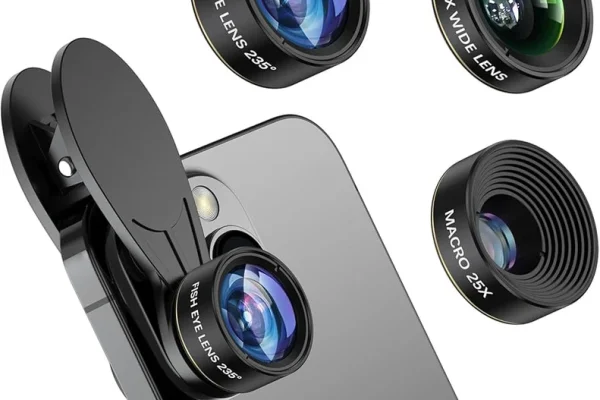
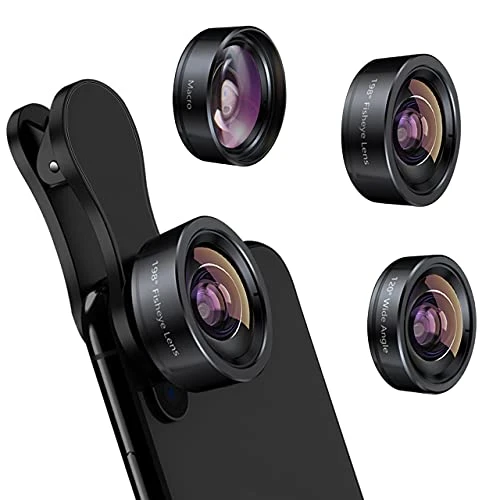
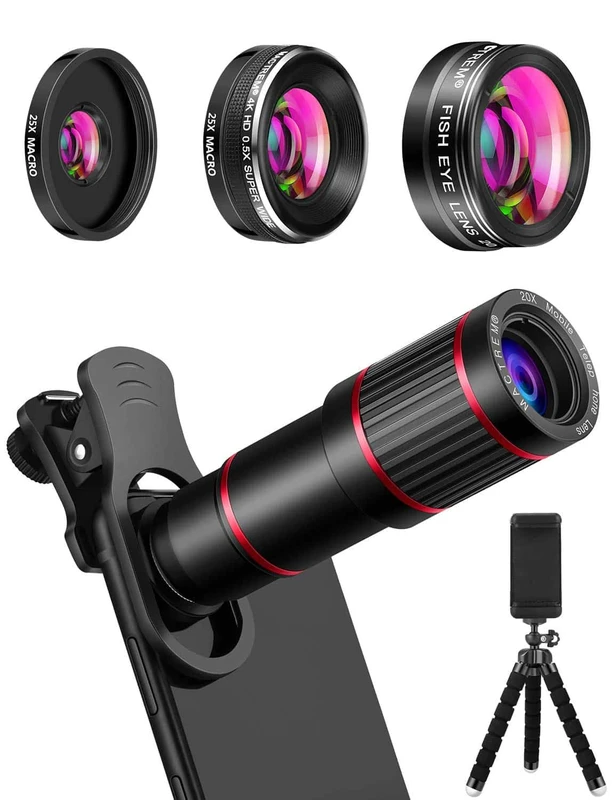
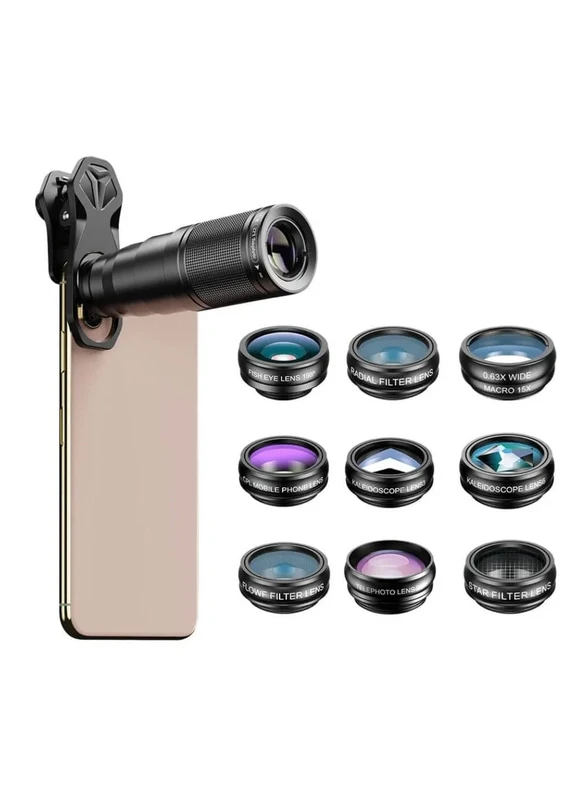
The NEEWER LS-28 PRO macro lens specializes in close-up photography, offering magnification levels that reveal intricate details such as skin texture or eye patterns. While this is invaluable for macro artistic shots, it is less effective for portraits due to its limited focal length and depth control. Apexel lens kits provide multiple lens options including wide-angle, telephoto, and macro lenses, targeting users seeking affordability and lens versatility. However, these kits often compromise on optical clarity and bokeh quality, which can affect portrait image fidelity.
Lens Attachment Systems and Smartphone Compatibility
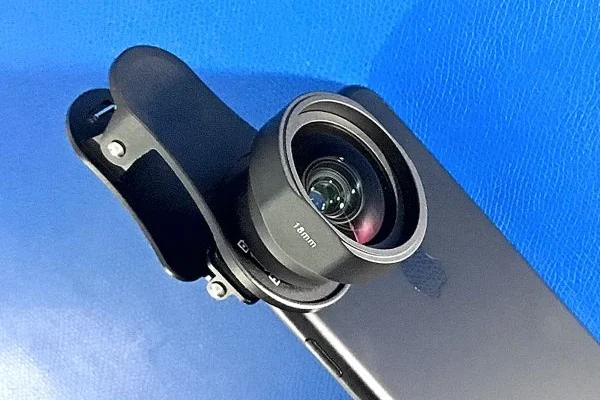
Moment’s lens ecosystem relies on custom phone cases featuring a precision-engineered metal bayonet mount, ensuring secure attachment and precise lens alignment. This design minimizes lens shift and vignetting, common issues with clip-on lenses, and supports quick lens swapping during shoots. Moment cases are available for major smartphone models including iPhone 14/15 series, Samsung Galaxy S23/S25 Ultras, and Google Pixel models, ensuring broad compatibility. The mounting system enhances portability since lenses can be detached and stored separately without compromising the phone’s everyday usability.
Alternative attachment mechanisms include universal clip-on designs found in budget kits like Apexel, which offer compatibility across a wide range of devices but at the expense of stability and optical alignment. Such mounts can cause lens flare, distortion, or inconsistent focus due to misalignment. Moment’s approach prioritizes the integration of lens and case for professional-grade results, though it requires users to invest in compatible cases.
Comparison with Built-In Smartphone Portrait Lenses
Premium smartphones increasingly incorporate long focal length lenses and advanced computational photography to improve portrait quality. The Xiaomi 15 Ultra, for instance, features a 70mm floating telephoto lens that offers natural depth of field and optical zoom capabilities, which reduces reliance on digital zoom and computational blur. This built-in hardware enhances portrait authenticity but is complemented effectively by external lenses like Moment’s, which provide sharper optics and superior bokeh.
Samsung’s upcoming Galaxy S25 Ultra continues the trend with a multi-lens setup including periscope telephoto zoom reaching 10x optical zoom. While these lenses deliver excellent versatility, external portrait lenses still add value by improving optical quality and creative control, especially in portrait mode where shallow depth of field and background separation are paramount. External lenses can also bypass some computational processing artifacts common in smartphone software blur.
Practical Benefits and Real-World User Experiences
Photographers using the Moment Tele 58mm lens report marked improvements in image sharpness and subject isolation. The 2x optical zoom reduces distortion found in wide-angle lenses, producing more natural facial proportions. The shallow depth of field enhances bokeh quality, allowing backgrounds to blur smoothly without harsh edges, which is essential for professional portrait aesthetics. User reviews on platforms such as Amateur Photographer and Wired confirm the lens’s ability to produce images comparable to dedicated mirrorless cameras in controlled lighting.
Expert photographers appreciate the ease of lens attachment and the rugged build quality of Moment’s lens system, which supports frequent field use. The lens’s multi-element glass configuration minimizes chromatic aberrations and maintains color fidelity, both critical for true-to-life skin tones. The Moment Pro Camera app further enhances image control, offering manual focus and exposure settings that maximize the lens’s optical potential.
Choosing the Right Smartphone Portrait Lens: Key Considerations
Focal length remains a critical parameter for portrait lenses, with 50mm to 85mm equivalents considered ideal for headshots and upper body portraits. The Moment Tele 58mm lens fits comfortably within this range, balancing subject distance and framing flexibility. Users should consider price-performance trade-offs; premium lenses like Moment’s command higher prices but deliver superior optical quality, build, and warranty support, including manufacturer assurances against defects.
Compatibility with smartphone models and the availability of matching phone cases is equally important. Moment’s integrated system ensures optimal alignment and ease of use, whereas universal clip-ons may introduce optical compromises. Additionally, users should evaluate their primary use case—whether still photography, video, or macro—since lens designs vary accordingly. Warranty policies and customer support also influence long-term satisfaction and reliability.
Practical Next Steps for Smartphone Portrait Photographers
Photographers seeking to elevate their smartphone portraiture should prioritize lenses offering true optical zoom and shallow depth of field capabilities, with the Moment Tele 58mm lens exemplifying these attributes. Investing in compatible phone cases and leveraging manual control apps can further unlock the lens’s potential. Complementary use of native smartphone telephoto lenses, such as those in Xiaomi 15 Ultra and Galaxy S25 Ultra, can broaden creative options.
For video-focused users, incorporating anamorphic lenses like Moment’s 1.33x model enables cinematic framing and stylistic effects unattainable with standard lenses. Macro lenses serve niche purposes and should be selected based on specific artistic goals rather than portrait needs. Budget-conscious photographers should weigh the trade-offs of affordable lens kits against the optical and build quality benefits of premium options.
As smartphone camera hardware continues evolving, external lenses will remain vital for photographers who demand higher image fidelity and creative control beyond computational enhancements. Integrating these lenses into a cohesive mobile photography workflow offers compelling possibilities for professional-quality portraiture on handheld devices.
Frequently Asked Questions
What makes the Moment Tele 58mm lens ideal for portrait photography?
The Moment Tele 58mm lens offers a true 58mm focal length with 2x optical zoom, enabling natural subject compression and flattering framing. Its optical design produces a shallow depth of field and smooth bokeh, essential for isolating subjects and achieving professional portrait aesthetics on smartphones.
Can I use Moment lenses with any smartphone?
Moment lenses require compatible Moment phone cases with metal bayonet mounts for secure attachment. Cases are available for many popular models including iPhone, Samsung Galaxy, and Google Pixel phones. Universal clip-on lenses exist but typically compromise alignment and image quality.
How do external lenses compare to built-in smartphone telephoto lenses?
Built-in telephoto lenses like those on Xiaomi 15 Ultra and Galaxy S25 Ultra offer quality optical zoom and natural depth of field. However, premium external lenses such as Moment’s provide superior glass optics, enhanced bokeh, and greater creative control, especially when paired with manual camera apps.
Is the Moment Anamorphic 1.33x lens suitable for portraits?
The Moment Anamorphic lens excels in cinematic video applications, creating widescreen aspect ratios and lens flare effects. It is less suitable for traditional portrait photography due to its wider field of view and lack of shallow depth of field.
Are budget lens kits like Apexel a good alternative for portrait photography?
Budget kits offer lens variety and affordability but often compromise optical quality, leading to reduced image sharpness and less pleasing bokeh. For high-quality portrait results, investing in premium lenses like Moment’s is recommended.
For detailed lens specifications and user reviews, see The New York Times Wirecutter’s smartphone lens reviews and Moment’s official lens guide.