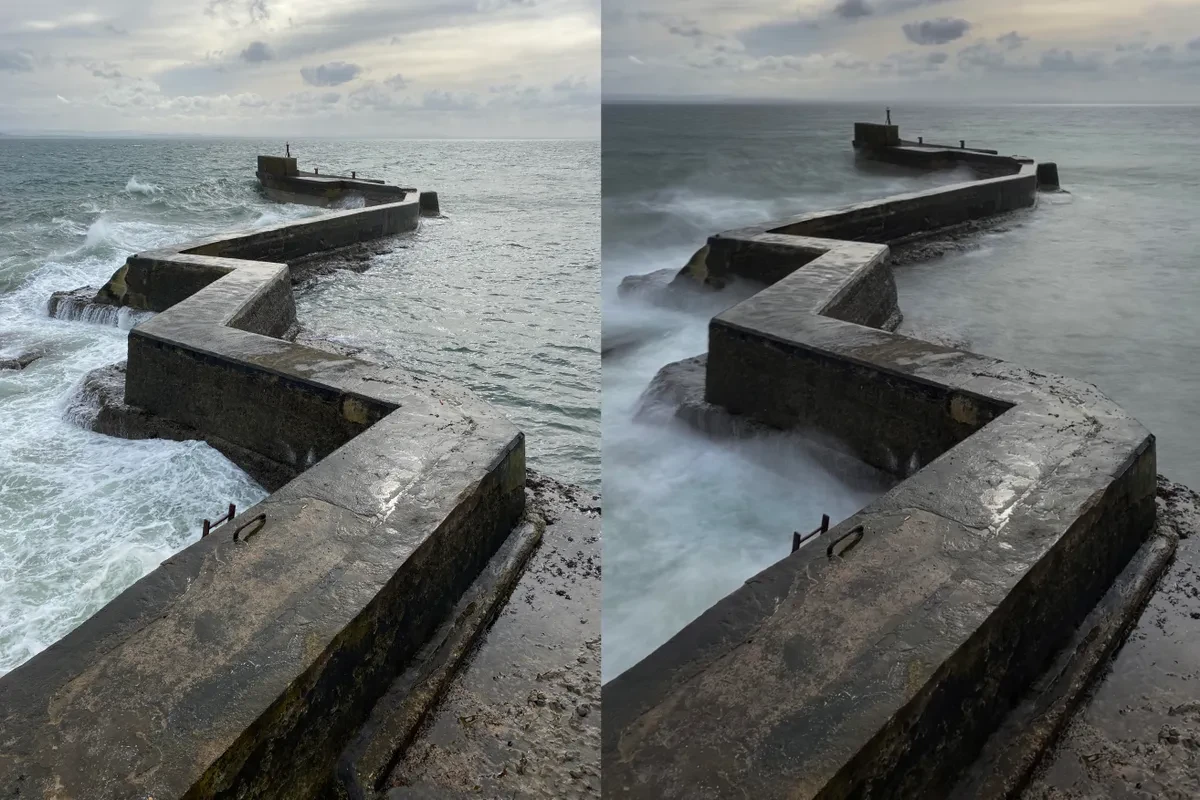
SnapRoamer.com – The rule of thirds remains a fundamental guideline in travel photography, structuring images by dividing the frame into nine equal parts using two horizontal and two vertical lines. Positioning key elements such as horizons or subjects along these lines or at their intersections fosters natural balance and visual interest. For travel photos, placing the horizon on either the upper or lower third line—rather than dead center—helps emphasize either the land or sky, depending on compositional intent. Subject placement along vertical lines or intersection points enhances dynamic balance and guides viewer attention effectively. While this rule offers a reliable framework for framing compelling travel images, seasoned photographers acknowledge its flexibility, strategically breaking it to achieve creative storytelling or highlight symmetry.
Understanding the Rule of Thirds in Travel Photography
Originating from classical art composition, the rule of thirds divides a photographic frame into three equal vertical and horizontal segments, creating four intersection points that naturally draw the eye. In travel photography, this compositional principle aids in avoiding static, centered images by encouraging off-center placement of horizons, landmarks, or subjects. According to photography experts at Family Travel Photos, adhering to this structure enhances the photograph’s balance and helps establish a pleasing visual rhythm that mimics how humans naturally scan images. The rule’s strength lies in its simplicity and adaptability across diverse travel scenes—whether capturing sprawling landscapes or intimate street portraits.
Applied correctly, the rule of thirds transforms a snapshot into a deliberate, engaging story frame. For instance, aligning a mountain ridge with the lower third line directs focus toward the expansive sky, emphasizing scale and atmosphere. Conversely, placing the horizon on the upper third prioritizes foreground details like rivers or urban streetscapes, anchoring the composition. Such intentional placement prevents the image from appearing flat or unbalanced, a common pitfall in casual travel photography.
Applying the Rule of Thirds to Optimize Travel Photo Composition
horizon placement is one of the most critical applications of the rule of thirds in travel photography. Placing the horizon line on the top third of the frame works well when the foreground contains compelling elements such as textured terrain or bustling markets. In contrast, positioning the horizon on the bottom third highlights striking skies, dramatic cloud formations, or sunsets. This approach counters the tendency to center the horizon—which often divides the image evenly but creates a static feel—leading to less engaging visuals.
Beyond horizons, subject placement along vertical or horizontal thirds enables photographers to craft dynamic compositions. For example, positioning a traveler or wildlife subject on one of the vertical lines, preferably near an intersection, not only draws the viewer’s eye but also leaves space for environmental context, enhancing storytelling. This technique is especially effective in portrait travel photography, where the subject’s gaze can be directed toward the negative space, creating tension and narrative flow.
Intersections of the thirds grid serve as natural focal points, where placing key elements such as monuments, animals, or architectural details increases visual impact. Photographers often report that consciously framing subjects near these points leads to more balanced and aesthetically pleasing results, as confirmed by compositional studies referenced by PetaPixel.
Integrating Complementary Composition Techniques for Enhanced Visual Impact
While the rule of thirds provides foundational structure, integrating complementary techniques such as negative space and leading lines deepens compositional effectiveness. Negative space, or the deliberate use of empty or less detailed areas, offers visual breathing room, preventing overcrowding and emphasizing the main subject. When combined with the rule of thirds, negative space often occupies the opposing third of the frame from the subject, balancing the image and reinforcing focus.
Subject gaze direction plays a pivotal role when applying the rule of thirds in travel portraits. Orienting a person’s gaze toward the open negative space situated on the thirds grid enhances the photo’s narrative tension and invites viewers into the frame. This technique subtly guides attention and creates a more engaging photo story.
Leading lines—natural or man-made lines that direct the viewer’s eye through the frame—complement the thirds approach by reinforcing focal points. Roads, rivers, fences, or architectural elements aligned with the grid lines can enhance depth and perspective. For instance, a winding path positioned along a vertical third can lead the eye toward a distant subject placed on an intersection, creating a layered and compelling composition.
Real-world travel photography examples demonstrate how combining these elements with the rule of thirds results in visually balanced frames that maintain viewer interest. A seascape may place the horizon on the upper third line, a solitary boat on the lower right intersection, and incorporate leading lines from shoreline rocks directing toward the subject, collectively crafting a harmonious scene.
Breaking the Rule of Thirds: When and Why Deviation Enhances Creativity
Despite its widespread utility, the rule of thirds is not an absolute law, and experienced travel photographers often choose to break it intentionally for creative effect. Centered compositions can generate powerful symmetry, especially in portraits, reflections, or architectural shots, where balance and mirroring amplify visual impact. For example, symmetrical reflections in a calm lake or a perfectly centered street scene may benefit from a centralized horizon or subject placement, defying the thirds grid to emphasize harmony.
Creative rule-breaking also serves to evoke emotional responses or highlight specific visual narratives. A central subject dominating the frame can communicate intimacy or immediacy, while off-center framing might dilute such effects. In landscape photography, placing the horizon dead center can sometimes convey a sense of stillness or abstraction, as seen in minimalist compositions.
Balancing adherence to the rule and deliberate deviation requires a nuanced understanding of the scene’s storytelling goals. As noted by professional photographers featured on Digital Photography School, compositional flexibility encourages personal style development and prevents formulaic imagery. The rule of thirds should thus be viewed as a foundational guideline—one that enhances compositional awareness but invites experimentation.
Practical Tips for Implementing the Rule of Thirds in Travel Photography
Travel environments often demand rapid decision-making, making quick yet intentional composition essential. Photographers are advised to mentally overlay a thirds grid on their viewfinder or camera screen to expedite horizon and subject placement choices. Many modern cameras and smartphone apps provide an optional grid overlay to assist with this process, streamlining in-field framing.
Composing with intent involves anticipating the story within the frame—deciding whether to emphasize landscape, human presence, or cultural elements—and applying the rule of thirds accordingly. For instance, when photographing a local market scene, placing a vendor on a vertical third can foreground human interest while allowing environmental context to fill remaining space.
Flexibility remains paramount; photographers should feel empowered to break the rule when the composition demands it. Experimenting with framing and angles in diverse travel scenarios fosters creative growth. Reviewing images critically post-shoot, analyzing how the rule of thirds and complementary techniques contributed to visual balance or narrative strength, further enhances compositional skills.
Comparative Analysis: Rule of Thirds Versus Other Composition Techniques

The rule of thirds often serves as the introductory composition guideline, but other rules like the golden spiral and symmetry also influence travel photography. The golden spiral, based on the Fibonacci sequence, guides the viewer’s eye along a spiraling path toward the focal point, offering a more fluid and natural visual flow compared to the rigid thirds grid. Travel photographers may combine these techniques by placing subjects near spiral endpoints coinciding with thirds intersections for enhanced storytelling.
Symmetry, in contrast, emphasizes mirrored balance, frequently employed in architectural or reflective travel scenes. While the rule of thirds encourages asymmetry for dynamism, symmetry invokes harmony and calm. Understanding when to apply each principle depends on the subject and intended mood.
Integrating multiple compositional rules enriches creative possibilities, allowing photographers to select frameworks best suited to each travel scenario. This layered approach enables nuanced visual storytelling beyond simplistic adherence to a single guideline.
| Composition Technique | Primary Use | Travel Photography Applications |
|---|---|---|
| Rule of Thirds | Divides frame into thirds for balanced off-center placement | Horizons on thirds lines, subjects at intersections, dynamic balance |
| Golden Spiral | Guides eye in natural spiral flow toward focal point | Landscape framing, leading viewer through complex scenes |
| Symmetry | Creates mirrored balance and harmony | Reflections, architectural shots, centered portraits |
FAQ

What is the best horizon placement using the rule of thirds in travel photography?
Placing the horizon on either the top or bottom third line rather than the center creates a more dynamic and balanced composition. Choose the top third to emphasize foreground details like landscapes or cityscapes, and the bottom third to highlight dramatic skies or sunsets.
Can the rule of thirds be broken in travel photography?
Yes. While the rule of thirds is a valuable guideline, breaking it can produce creative effects such as symmetry and centered focus, especially useful in portraits, reflections, or minimalist compositions. Intentional deviation enhances storytelling and personal style.
How do negative space and leading lines complement the rule of thirds?
Negative space provides visual breathing room opposite the subject placed on a thirds line, balancing the frame. Leading lines aligned with the grid guide the viewer’s eye toward key elements, enhancing depth and narrative flow within the composition.
Is the rule of thirds applicable for both landscape and portrait travel photography?
Absolutely. In landscapes, it guides horizon and focal element placement, while in portraits, it helps position subjects and their gaze within the frame to create engaging and balanced images.
What tools can help apply the rule of thirds while shooting travel photos?
Most cameras and smartphones offer grid overlays in the viewfinder or screen settings, allowing photographers to align horizons and subjects quickly according to the rule of thirds.
Applying the rule of thirds in travel photography offers a robust foundation for crafting balanced, visually appealing images. Its effectiveness increases when combined with complementary compositional elements like negative space and leading lines. While the rule provides structure, knowing when to break it for creative impact is essential for developing a distinctive photographic style. Modern travel photographers benefit from mastering this balance between adherence and experimentation to tell richer visual stories in diverse environments.
For additional practical guidance on composition techniques, see the detailed insights from Family Travel Photos on the Rule of Thirds and the expert analysis on PetaPixel’s Rule of Thirds Overview.