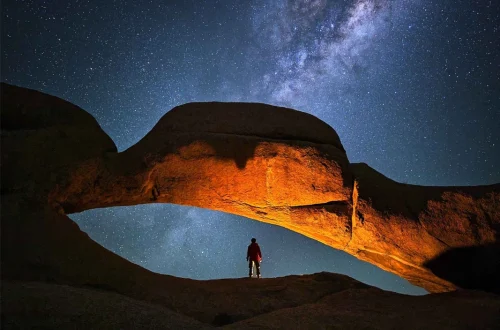
SnapRoamer.com – Timing in photography is the precise moment when a photographer captures an image, aligning motion, light, and expression to create compelling visuals. This concept, famously articulated by Henri Cartier-Bresson as the “decisive moment,” underpins the quality and emotional impact of photographs across genres. Timing governs the interplay of shutter speed, exposure, and light direction, influencing image clarity, texture, and mood. Whether freezing a dancer mid-leap, capturing the golden hues of sunrise, or waiting patiently for a candid street scene, mastering timing transforms ordinary photography into an art form that resonates deeply with viewers.
The technical foundation of timing involves controlling shutter speed and exposure to either freeze or express motion. For example, Kelly Tareski Photography emphasizes the importance of anticipating movement in portrait sessions to capture authentic expressions with optimal lighting. In natural settings, timing the shot to coincide with changing light conditions—such as during golden hours—enhances depth and contrast, as reflected in Ansel Adams’ landscape work. Strategic timing also applies to long exposure photography, where shutter speed manipulates light trails and motion blur to create dynamic effects, demanding both technical precision and patience.
Timing and Motion: Capturing Energy and Emotion
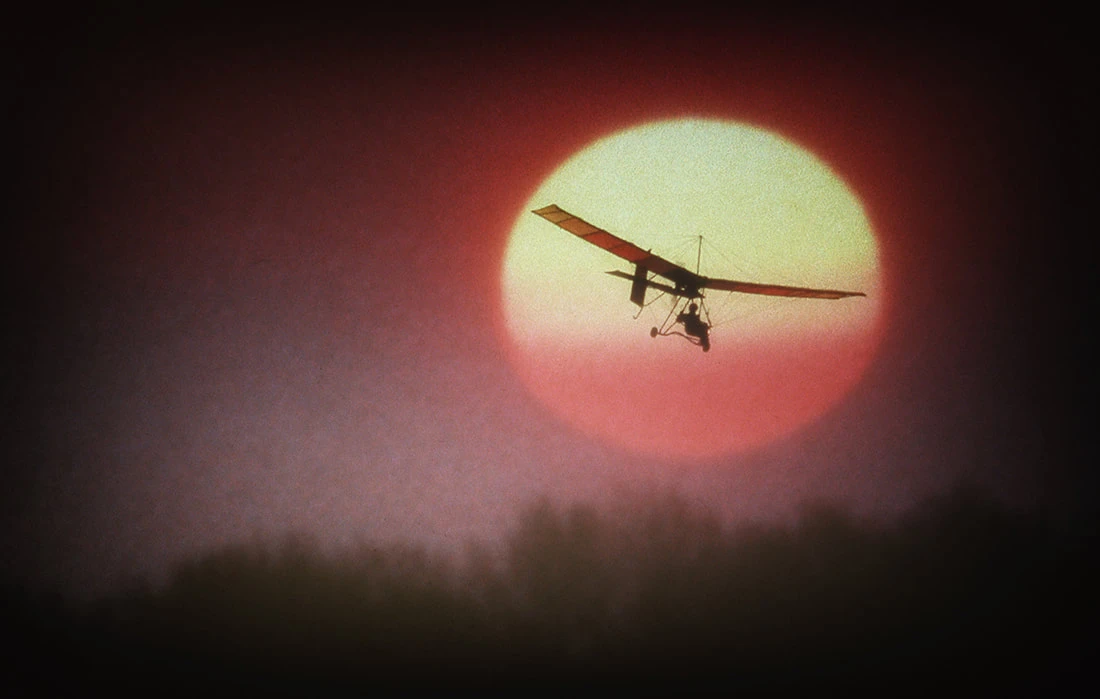
motion capture in photography relies heavily on timing to freeze or convey movement effectively. shutter speed is the primary technical setting dictating how motion appears; a fast shutter speed (1/1000s or faster) freezes rapid action, while slower speeds introduce motion blur to suggest movement and energy. For instance, capturing a dancer’s leap requires precise timing to catch the apex of the jump, where limbs are extended and the expression is most vivid. Similarly, photographers in Spokane, Washington, harness motion timing to photograph vehicles during dynamic city scenes or natural elements like waterfalls in Nine Mile Falls, where shutter speed choices transform flowing water into silky smooth textures.
David Schmid, a recognized photographer specializing in motion, highlights that timing is not merely mechanical but intuitive, requiring anticipation of subjects’ movements. This foresight allows the photographer to pre-focus and prepare settings, ensuring the camera’s sensor records the peak moment of action. Environmental factors also impact timing decisions; wind changes, light shifts, and subject unpredictability require rapid adjustments to shutter speed and aperture. The synergy between these factors determines whether the final image conveys stillness or kinetic energy, a critical consideration in sports and wildlife photography.
The Role of Light and Timing in Photographic Composition
Light is a mutable element whose direction, intensity, and quality vary throughout the day, making timing essential in achieving desired photographic effects. Golden hours—shortly after sunrise and before sunset—offer soft, warm light that enhances textures and adds dimensionality to subjects. Laurie Perez, a professional photographer known for her outdoor portraits, notes that timing shoots within these periods optimizes natural light, reducing harsh shadows and highlighting subtle skin tones.
The angle of light affects shadow placement and contrast, crucial for both portrait and landscape photography. For example, early morning light casts long shadows that create pattern and depth, while midday sun can flatten images unless diffused. Weather conditions further influence timing choices; overcast skies provide even lighting ideal for macro or botanical photography, such as at The Woodlands greenhouse, where diffused light accentuates plant details without harsh highlights.
Moreover, timing affects how photographers manipulate natural light to enhance composition. Adjusting session times to align with seasonal sun paths or cloud cover can dramatically alter mood and texture. This strategic timing requires understanding the sun’s trajectory and anticipating changes during a shoot. For indoor photography, combining ambient light with artificial sources at specific times can simulate natural lighting conditions, broadening creative options.
Timing in Different Photography Genres
The impact of timing varies across photographic disciplines, each demanding specialized approaches to capture ideal moments.
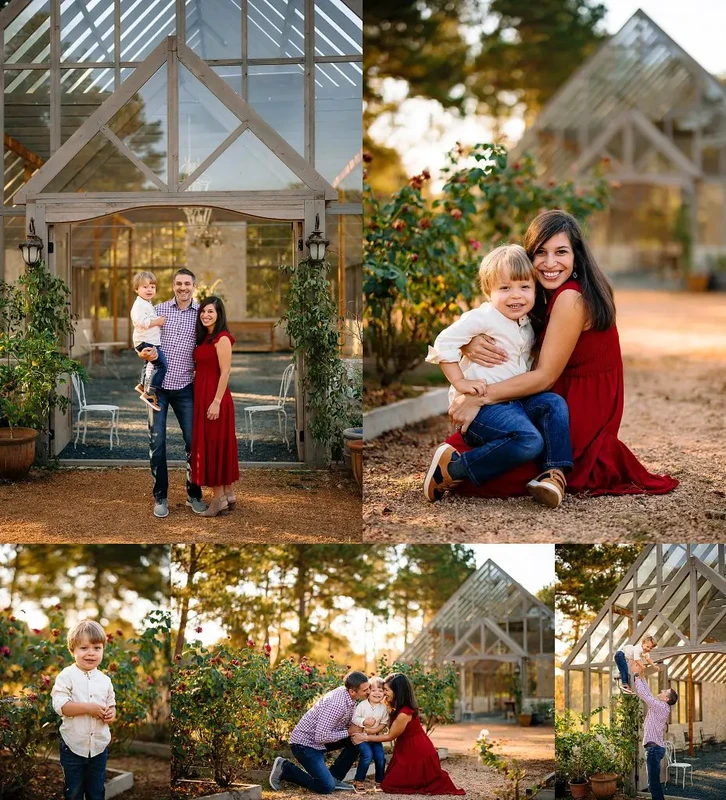
In portrait photography, timing is critical for capturing genuine expressions and emotional nuances. Kelly Tareski Photography emphasizes the need to synchronize shutter release with fleeting facial expressions or gestures that convey personality. Photographers often engage subjects in dialogue or candid scenarios to evoke these moments, then rely on rapid shutter timing to capture them authentically. This approach contrasts with posed portraiture, where timing focuses on optimal lighting conditions rather than spontaneous expression.
Street photography epitomizes the essence of timing’s role in candid storytelling. Henri Cartier-Bresson’s concept of the decisive moment underscores the patience and anticipation required to capture unposed, genuine interactions within urban environments. Photographers must anticipate gestures, movement, and light interplay, often waiting minutes or hours for the perfect convergence of elements. This genre demands both technical agility—quick autofocus and exposure adjustments—and an intuitive sense of timing to seize transient scenes.
Long exposure and light trail photography employ timing as a creative tool rather than a constraint. Extended shutter speeds, ranging from seconds to minutes, enable the capture of motion through blur, producing surreal or abstract visual narratives. Photographers in the Pacific Northwest’s varied landscapes, including Spokane and Nine Mile Falls, utilize long exposures to depict flowing rivers, star trails, or illuminated cityscapes. This technique requires not only precise timing but also environmental awareness to avoid unintended light leaks or overexposure.
Practical Advice for Photographers: Planning and Execution
Effective timing in photography is often the result of meticulous planning combined with flexible execution. Booking sessions during optimal times—such as early morning or late afternoon—maximizes the use of golden hour light and minimizes harsh shadows. This scheduling consideration is crucial for portrait photographers like Laurie Perez, who plan shoots around natural light availability to enhance skin tones and background aesthetics.
Blending indoor and outdoor shoots within a session allows photographers to capitalize on varying light conditions. For example, starting indoors during mid-day when outdoor light is harsh enables controlled lighting setups, while transitioning outdoors during golden hours leverages natural ambient light for dynamic backgrounds. Adjusting camera settings to match timing objectives is essential; faster shutter speeds and higher ISO values may be required for low-light conditions, while wider apertures facilitate softer backgrounds during well-lit sessions.
Anticipation and patience remain key skills in timing mastery. David Schmid advises photographers to immerse themselves in the environment, observing subject behavior and light changes to predict optimal capture moments. This approach minimizes reliance on post-processing to correct timing errors and enhances authenticity.
Enhancing Photographs Post-Capture: Timing’s Influence on Editing
Post-processing techniques can complement or compensate for timing decisions made during shooting. Exposure adjustments, contrast enhancement, and color grading can amplify the mood captured at a particular moment. For instance, images taken during golden hours benefit from subtle warmth boosts and shadow recovery to emphasize natural light effects.
Editing software now offers sophisticated tools to refine motion blur or sharpen critical elements, enabling photographers to fine-tune the balance between clarity and artistic softness. However, reliance on editing should not replace the foundational importance of timing during capture, as authentic moments often lose impact if artificially reconstructed.
In landscapes and long exposure photography, editing can enhance dynamic range and highlight texture details influenced by timing choices. Photographers working in regions like The Woodlands or Nine Mile Falls often use layering techniques to balance exposure variances caused by fluctuating natural light, preserving the integrity of the moment.
Future Implications and Mastering Timing in Photography
As photographic technology advances, timing remains a fundamental artistic and technical challenge. Innovations in AI-driven autofocus and predictive exposure settings, as seen in devices with Apple iOS 26 integrations, offer photographers enhanced tools for precise timing. However, the human element—anticipation, patience, and emotional intuition—continues to define exceptional photography.
Professional studios such as PNW Production in Spokane integrate these technological advancements with traditional timing mastery to deliver compelling visual narratives. Future photographers will benefit from a hybrid approach, blending advanced camera hardware capabilities with deep understanding of light, motion, and composition timing.
Mastering timing requires ongoing practice and environmental awareness, encouraging photographers to study natural light patterns, subject behavior, and weather influences. By embracing timing as both an art and science, photographers can immortalize fleeting moments with authenticity and emotional resonance.
| Photography Genre | Timing Focus | Technical Considerations | Example Usage |
|---|---|---|---|
| Portrait Photography | Capturing authentic expressions and ideal lighting | Fast shutter speed, aperture control, golden hour scheduling | Kelly Tareski Photography’s outdoor sessions utilizing natural light |
| Street Photography | Anticipation of candid moments and light interaction | Quick autofocus, manual exposure adjustments, patience | Henri Cartier-Bresson’s decisive moment captures |
| Motion Photography | Freezing or expressing movement through shutter speed | High shutter speeds or slow exposure for motion blur | David Schmid’s dancer and vehicle captures in Spokane |
| Long Exposure | Creative use of slow shutter speeds to depict motion trails | Tripod stabilization, low ISO, manual exposure | Nighttime star trails, flowing water at Nine Mile Falls |
FAQ
Why is timing crucial in photography?
Timing allows photographers to capture the exact moment when motion, light, and expression align, producing images with clarity, emotion, and visual impact. It transforms ordinary scenes into compelling photographs by freezing motion or capturing dynamic light conditions.
How does shutter speed affect timing in photography?
Shutter speed controls how motion is recorded; faster speeds freeze action, while slower speeds create motion blur. Proper timing involves selecting shutter speeds that match the subject’s movement and desired artistic effect.
What is the “decisive moment” in photography?
Coined by Henri Cartier-Bresson, the decisive moment is the precise instant when all compositional elements and subject action converge, resulting in a powerful, meaningful photograph.
How can photographers plan for optimal timing during photo sessions?
Photographers should schedule shoots during golden hours, monitor weather and light conditions, and anticipate subject behavior. Combining indoor and outdoor settings enhances timing control.
Can post-processing compensate for poor timing?
While editing can enhance exposure and color, it cannot fully replace the impact of capturing authentic moments at the right time. Proper timing during capture remains fundamental for exceptional photography.
For further detailed insights on mastering timing, visit De Mode Magazine’s timing guide and Rob Lewis Photography’s analysis.