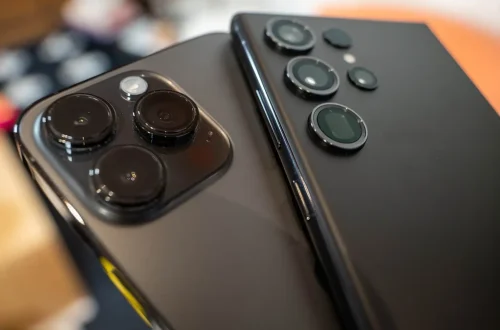
SnapRoamer.com – smartphone lens attachments have become pivotal tools for photographers seeking to transcend the inherent limitations of built-in smartphone cameras. While modern smartphones from Apple, Samsung, and other manufacturers boast increasingly advanced sensors, their compact form factors impose physical constraints on lens size and optical versatility. Lens attachments from established brands such as Moment, ShiftCam, Lemuro, Apexel, and Neewer introduce specialized optical elements—wide-angle, macro, telephoto, fisheye, and anamorphic—that enhance image quality, creative potential, and practical usability. These accessories integrate with smartphones through various mounting systems including clip-ons, clamps, and dedicated phone cases, enabling users to tailor their mobile photography experience to diverse subjects and shooting scenarios.
These attachments address critical gaps such as limited zoom range, narrow field of view, and lack of specialized close-up or cinematic effects. They also interact with software tools like the Moment Pro Camera app to optimize image capture and post-processing. However, compatibility with different smartphone models, especially across iPhone and Android ecosystems, along with trade-offs in portability and optical distortion, remain key considerations. This article explores the types, mounting mechanisms, optical quality, and practical applications of smartphone lens attachments, providing a comprehensive guide for photographers aiming to elevate mobile photography through informed accessory choices.
Types of Smartphone Lens Attachments: Expanding Optical Horizons
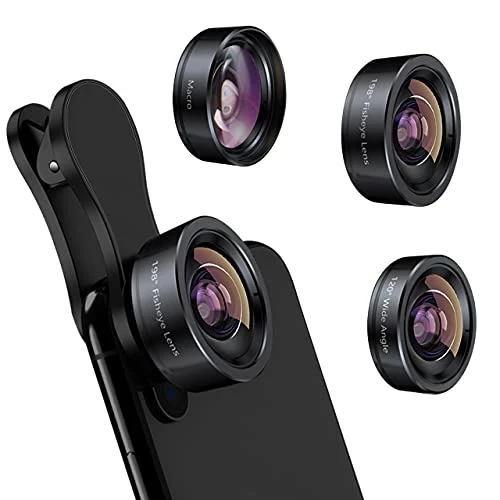
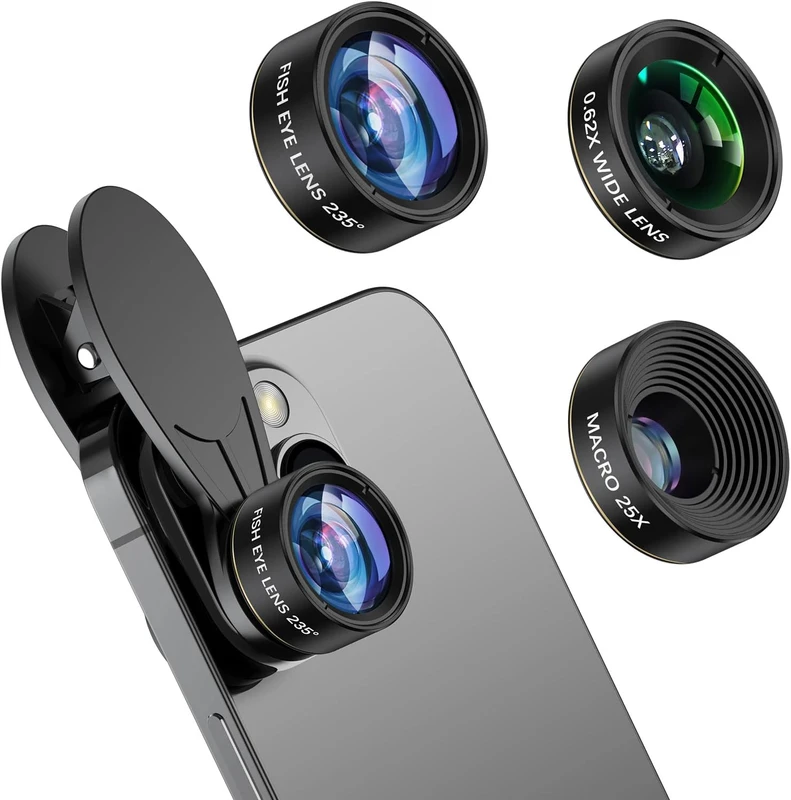
Smartphone lens attachments encompass several categories distinguished by their optical properties and photographic applications. Wide-angle and fisheye lenses extend the field of view beyond the native camera’s limitations, facilitating expansive landscapes, architectural shots, and creative distortion effects. Wide-angle lenses typically offer 0.6x to 0.8x magnification, capturing more of the scene without significant distortion, while fisheye lenses introduce pronounced barrel distortion for artistic impact.
Macro lenses enable extreme close-ups, revealing intricate details of small subjects such as insects, textures, and flowers. These lenses often provide magnification ratios ranging from 10x to 20x, requiring precise focusing distances typically under 10 centimeters. Apexel’s microscope attachments, for example, integrate LED illumination to enhance clarity in macro imaging.
Telephoto lenses extend optical zoom capabilities, compensating for smartphone cameras’ generally limited zoom range. Clip-on or case-based telephoto lenses from brands like Neewer and ShiftCam offer magnification factors up to 5x, suitable for wildlife, sports, or portrait photography with compressed perspective and background blur effects.
Anamorphic lenses, popularized by filmmakers, create widescreen cinematic aspect ratios and characteristic horizontal lens flares. These lenses, available from Moment and ShiftCam, employ cylindrical optical elements to squeeze the image horizontally during capture, which must then be unsqueezed in post-processing to achieve the desired cinematic look.
Additional accessories include filters and LED ring lights. Filters modify image properties such as polarization or color balance, while LED ring lights integrated into lens housings improve illumination for macro or low-light photography.
Attachment Mechanisms and Compatibility Across Devices
Smartphone lens attachments utilize diverse mounting systems, each with distinct advantages and trade-offs. Clip-on lenses remain popular for their affordability and universal compatibility. They attach over the smartphone camera using spring-loaded clips or clamps, accommodating a wide range of devices without the need for specialized cases. However, clip-ons may suffer from misalignment, light leaks, and bulkiness, which can hinder portability and image quality.
Clamp-on lenses improve stability by using adjustable tension mechanisms or screw clamps to secure the lens precisely over the camera module. ShiftCam’s clamp systems exemplify this approach, offering better alignment and reduced vignetting compared to generic clip-ons.
The most advanced mounting solutions integrate lens mounts directly into smartphone cases. Moment’s proprietary phone cases, for example, incorporate threaded mounts that align lenses perfectly with the phone’s camera sensor, ensuring optimal optical performance and protection. LensUltra’s universal S.Mount system features a standardized threaded lens clip enabling quick lens swaps and improved stability across iPhone and selected Android models.
Compatibility considerations are paramount due to varying smartphone camera placements, sensor sizes, and multi-lens arrays. Dedicated cases often support only specific phone models, whereas clip-ons offer broader but less precise compatibility. Users must verify the lens system supports their particular device, especially with newer phones featuring multiple rear cameras and sensor arrays.
Optical Quality and Image Impact: Balancing Precision and Creative Effect
The optical construction of smartphone lens attachments significantly influences image quality. Premium lenses employ multi-element designs with multicoated high-definition optical glass to minimize chromatic aberrations, flare, and ghosting. Moment’s T-Series lenses, for instance, feature custom-engineered glass elements that preserve sharpness and color fidelity across the frame.
Despite these advancements, some optical distortions are inherent or intentionally introduced. Vignetting—darkening at the image corners—can occur with wide-angle and macro lenses if not properly corrected. Fisheye lenses create characteristic barrel distortion, bending straight lines for artistic effect. Anamorphic lenses introduce horizontal compression requiring software desqueeze to restore correct proportions.
Software synergy enhances optical results. Apps like Moment Pro Camera provide manual controls for focus, exposure, and white balance, enabling users to compensate for attachment limitations and extract maximum detail. Computational photography techniques, integrated in native smartphone cameras, may also complement physical lenses by reducing noise and sharpening images.
Leading Brands and Product Innovations
Moment stands out for its comprehensive ecosystem combining premium lens optics with dedicated phone cases and software. Its T-Series lenses include wide-angle, telephoto, macro, and anamorphic options, all built with durable metal housings and precision optics. Moment’s mounting system ensures consistent alignment and ease of use.
ShiftCam offers versatile solutions with both universal clamp-on lenses and case-specific mounts. Its modular approach supports multiple lenses including anamorphic and fisheye, appealing to both casual photographers and mobile filmmakers. ShiftCam also integrates LED ring lights for enhanced macro and video lighting.
Lemuro emphasizes sleek design aesthetics alongside optical performance, targeting users who want stylish yet functional lens accessories. Its lenses balance sharpness with manageable distortion, catering to everyday photography.
Apexel specializes in microscope and macro lens attachments featuring built-in LED illumination. These lenses enable extreme close-ups with high magnification, expanding possibilities for scientific and nature photography on smartphones.
Neewer provides cost-effective macro and telephoto lenses, often bundled with lens hoods to reduce flare and improve contrast. While not as premium as Moment or ShiftCam, Neewer’s offerings serve entry-level users seeking affordable mobile photography enhancement.
Practical Considerations for Choosing Smartphone Lens Attachments
Selecting the appropriate lens attachment depends on the intended photography style and subject matter. Wide-angle lenses benefit landscape, architecture, and group shots by expanding the frame. Macro lenses suit nature and product photography requiring fine detail. Telephoto lenses are essential for distant subjects like wildlife or sports.
Portability and ease of use remain critical. Clip-on lenses offer quick attachment but may impede pocketability and introduce alignment challenges. Lens cases with integrated mounts provide superior stability but increase bulk and cost. Users should consider how often they will switch lenses and their tolerance for carrying additional gear.
Durability and protection are also important. High-quality cases protect the phone against drops while securing lenses. Lens housings made from metal outperform plastic in longevity and optical precision.
Cost versus performance is a balancing act. Premium lenses command higher prices but deliver superior image quality and longer service life. Budget options may suffice for casual use but often compromise sharpness and introduce distortions.
FAQ
How do smartphone lens attachments improve photo quality?
Smartphone lens attachments add specialized optics such as wide-angle, macro, telephoto, and anamorphic elements that expand the camera’s field of view, magnification, and creative effects. They enable capturing details and perspectives not achievable with built-in lenses, improving image versatility and quality.
Are clip-on lenses compatible with all smartphones?
Clip-on lenses are designed for broad compatibility across iPhone and Android phones but may suffer from misalignment due to varying camera placements. Dedicated lens cases or clamp systems offer better fit and optical performance for specific phone models.
What is the difference between fisheye and wide-angle lenses?
Wide-angle lenses moderately increase the field of view without significant distortion, ideal for landscapes and architecture. Fisheye lenses create a circular or highly distorted image with exaggerated barrel distortion, used mainly for creative or artistic photography.
Can smartphone lens attachments replace professional camera lenses?
While smartphone lenses enhance mobile photography significantly, they cannot fully replace professional camera lenses due to sensor size, optical quality, and sensor control limitations. However, they offer convenient, portable options for improved image capture on smartphones.
Do smartphone lens attachments work with multi-camera phones?
Some lens attachments are designed to work with specific cameras on multi-camera phones, often the primary lens. Compatibility varies, and users should verify manufacturer specifications to ensure proper alignment and functionality across multiple sensors.
Smartphone lens attachments continue to evolve, blending optical innovation with mounting systems and software integration. For photographers seeking to elevate their mobile photography, investing in high-quality lenses from reputable brands like Moment and ShiftCam offers tangible benefits in image quality and creative versatility. Future developments in lens optics and mounting technology promise further enhancements, making smartphone photography an increasingly powerful tool for professionals and enthusiasts alike.
For detailed product comparisons and professional reviews, consult Digital Camera World’s smartphone lens guide and Wired’s photo and video accessory recommendations.