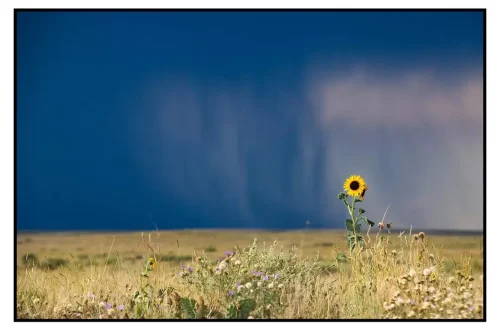
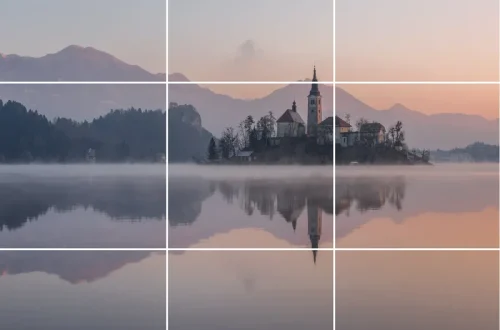
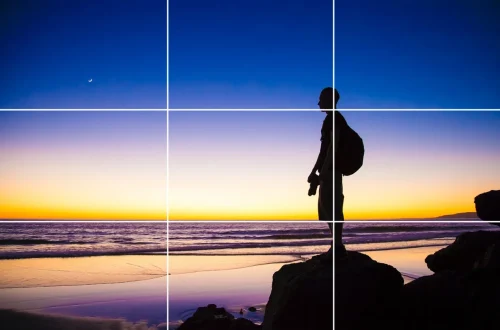
SnapRoamer.com – smartphone photography has transformed how millions capture everyday moments, yet mastering composition remains essential for creating visually compelling images. The rule of thirds, a foundational photo composition principle, guides smartphone users to position key elements along imaginary gridlines dividing the frame into nine equal sections. This technique enhances balance, draws attention to focal points, and injects dynamic tension into images—crucial for portrait, landscape, and social media photography alike. Modern smartphones facilitate this process by offering grid overlays directly in camera settings, enabling real-time alignment without guesswork.
Understanding and applying the rule of thirds on smartphones improves photo aesthetics by leveraging natural eye movement patterns toward the four intersections of the gridlines. For portraits, aligning eyes with upper intersections establishes immediate viewer connection, while landscapes benefit from horizon placement along top or bottom thirds to emphasize sky or foreground. Off-centering subjects within the frame breaks monotony and evokes visual interest. These practices, combined with mobile camera settings and post-processing awareness, elevate smartphone photography beyond casual snapshots to artful storytelling.
Principles of the Rule of Thirds in Smartphone Photography
The rule of thirds divides a photo frame into nine equal parts via two evenly spaced horizontal and vertical lines, creating four intersection points that serve as natural focal areas. This compositional technique exploits the human eye’s tendency to gravitate toward these intersections rather than the center, thereby producing images that feel balanced yet dynamic. Rather than placing subjects centrally, photographers position key elements along these lines or intersections to avoid static or dull compositions.
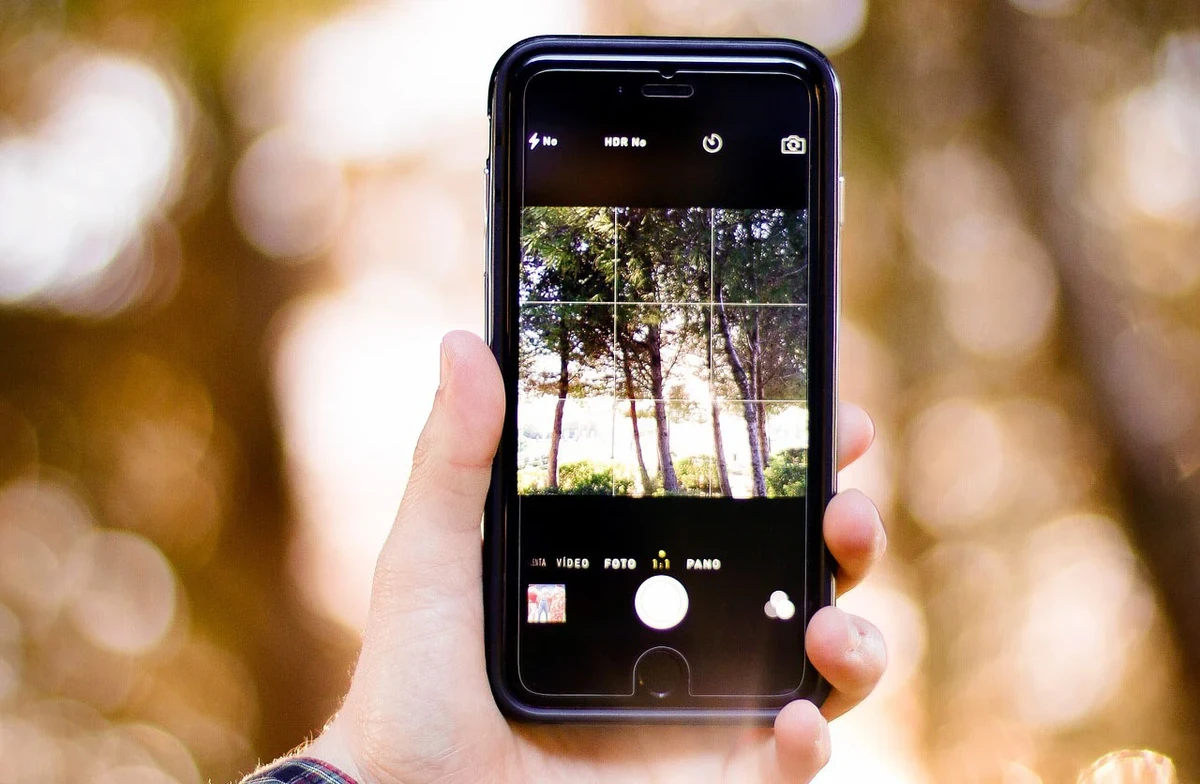
In the context of smartphone photography, where screens are smaller and compositions often spontaneous, the rule of thirds provides a reliable framework for quick framing decisions. Smartphones incorporate this principle through grid overlays that can be activated in camera settings, allowing users to visualize these divisions live during shooting. This visual aid helps maintain consistency across varied photography genres—from portraits and landscapes to still life and social media content designed for vertical viewing.
Activating and Utilizing Grid Overlays on Smartphones
Most contemporary smartphones, including iPhone and Android devices, support grid overlays accessible via camera settings. Enabling this feature involves navigating to the camera app’s settings menu and toggling the “Grid” option, which superimposes the rule of thirds grid directly onto the viewfinder. This immediate visual guide assists photographers in aligning subjects precisely without requiring mental estimation.
For iPhones, users can enable the grid by going to Settings > Camera > Grid. Android devices vary by manufacturer and model, but generally, the grid option is found within the camera app’s settings under “Gridlines” or “Composition Grid.” Some third-party camera apps also offer customizable grid styles, such as golden ratio overlays, but the standard rule of thirds grid remains the most widely used for everyday smartphone photography.
The benefit of real-time grid viewing lies in its ability to facilitate compositional adjustments before capturing the image, reducing reliance on cropping or repositioning during editing. This feature is particularly useful in fast-paced scenarios like street photography or social media content creation, where immediate framing affects engagement and visual appeal.
Applying the Rule of Thirds Across Smartphone Photography Genres
The versatility of the rule of thirds extends across multiple photography disciplines commonly practiced on smartphones. Each genre presents unique compositional challenges and opportunities for leveraging this principle effectively.
In portrait photography, positioning the subject’s eyes at one of the upper horizontal intersections creates a natural and engaging focal point. This placement respects viewers’ instinctive eye movement and enhances emotional connection. Off-centering the portrait subject slightly to one side also introduces space that can suggest movement or context, such as environmental elements or background storytelling.
For landscape photography, the horizon line often dictates the composition’s mood and focus. Placing the horizon along the top third emphasizes foreground features like water, flora, or terrain textures, while positioning it on the bottom third highlights expansive skies, clouds, or light phenomena. Smartphone users can quickly apply this by using the grid overlay during framing, ensuring balanced spatial distribution without cutting off key elements.
Still life and food photography benefit from off-center subject placement on one of the grid intersections, drawing attention without overwhelming the frame. This technique introduces negative space that can emphasize scale, texture, or motion, vital for creating visually appealing images shared on platforms like Instagram and TikTok.
In social media vertical formats, where compositions often risk becoming flat or centered due to screen constraints, applying the rule of thirds grid encourages more dynamic framing. Aligning subjects or key visual elements along the gridlines prevents monotony and increases viewer engagement, essential for content creators striving for aesthetic consistency and impact.
Advanced Composition Strategies and Practical Tips
Beyond basic application, combining the rule of thirds with other compositional techniques enriches smartphone photography outcomes. Leading lines, for instance, when aligned with the grid, guide viewers’ eyes through the frame, adding depth and narrative flow. A road or river positioned along a vertical gridline can direct attention toward a subject placed at an intersection, enhancing cohesion.
Utilizing empty thirds—intentionally leaving one or more grid sections void of subject matter—emphasizes scale, isolation, or motion. This approach is effective in minimalist photography or scenes where negative space contributes to mood and storytelling.
Smartphone photographers should also recognize scenarios where breaking the rule of thirds yields creative benefits. Centered compositions can offer symmetry and focus, particularly for reflections or architectural shots. The key lies in understanding the rule’s intent: to enhance balance and interest, not constrain artistic expression.
Optimizing mobile camera settings complements compositional efforts. Adjusting focus and exposure manually while using the grid overlay ensures the subject remains sharp and well-lit within the chosen framing. Many smartphones offer tap-to-focus and exposure compensation features that work synergistically with grid-based composition.
Illustrative Case Studies: Rule of Thirds in Smartphone Photography
Comparative analysis of smartphone photos vividly demonstrates the rule of thirds’ impact. A portrait with the subject’s eyes aligned on the upper left intersection typically feels more engaging and professional than one centered without regard for composition. Similarly, landscape photos with the horizon on the bottom third highlight dramatic skies, increasing visual drama compared to a central horizon line.
Food photography shared on social media platforms reveals that off-center plating aligned with grid intersections attracts more viewer attention and elicits higher engagement rates. These practical examples underscore the rule’s effectiveness and adaptability across varied photographic contexts.
| Photo Type | Rule of Thirds Application | Visual Effect |
|---|---|---|
| Portrait | Eyes positioned on upper grid intersections | Natural focus and emotional engagement |
| Landscape | Horizon aligned on top or bottom third | Balanced spatial emphasis on sky or foreground |
| Still Life/Food | Main subject off-center at intersection | Enhanced subject prominence with negative space |
| Social Media Vertical | Key elements aligned with vertical thirds | Dynamic, engaging composition avoiding flatness |
This table summarizes key applications of the rule of thirds across smartphone photography genres, illustrating how strategic placement improves composition and viewer response.
FAQ: Using the Rule of Thirds in Smartphone Photography
How do I enable the rule of thirds grid on my smartphone camera?
Most smartphones have a grid option in the camera settings. On iPhones, go to Settings > Camera > Grid and toggle it on. Android devices typically have this feature within the camera app’s settings under “Gridlines” or “Composition Grid.” Enabling this overlay helps you position subjects along the rule of thirds lines in real time.
Why is the rule of thirds important for smartphone photography?
The rule of thirds helps create balanced and visually interesting photos by placing key elements along gridlines or intersections, which naturally attract viewers’ attention. This technique prevents static, centered compositions and adds dynamic tension, essential for professional-looking smartphone images.
Can I break the rule of thirds when composing photos?
Yes, the rule of thirds is a guideline, not a strict rule. Centered compositions can be effective for symmetry or specific artistic purposes. Understanding when to follow or break the rule comes with experience and depends on the desired visual impact.
How does the rule of thirds improve social media photography?
On platforms like Instagram and TikTok, where vertical formats dominate, applying the rule of thirds prevents flat or boring compositions by encouraging off-center framing. This enhances viewer engagement and elevates the aesthetic quality of shared images.
Are there other composition techniques to combine with the rule of thirds?
Yes, combining rule of thirds with leading lines, framing, and use of negative space enriches photo composition. For example, aligning leading lines with gridlines guides the viewer’s gaze toward focal points, creating cohesive and compelling imagery.
Smartphone photographers increasingly benefit from understanding and applying the rule of thirds, leveraging built-in grid overlays and compositional strategies adapted to mobile camera capabilities. As smartphone cameras evolve, integrating these principles alongside advanced settings and creative experimentation will continue to elevate mobile photography standards.
For further expert insights on applying the rule of thirds in smartphone photography, visit Frederic Paulussen’s photography guide and Digital Photography School’s composition tutorials.