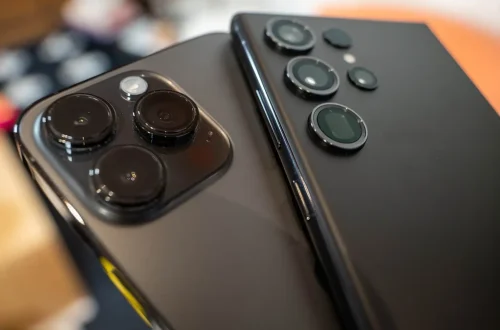
SnapRoamer.com – smartphone camera lenses have become a critical factor in elevating mobile photography, transforming everyday devices into versatile creative tools. With the evolution of multi-lens smartphone systems and the proliferation of external lens accessories, understanding the specific capabilities and compatibility of different lens types is essential for users aiming to optimize their photography. Selecting the appropriate smartphone lens depends on multiple factors including intended photography style—whether landscape, portrait, or macro—phone model compatibility, and balancing budget constraints with image quality expectations.
Wide-angle lenses, telephoto lenses, macro lenses, and fisheye lenses each offer distinct optical advantages tailored to specific photographic needs. Leading brands such as Moment and Apexel provide specialized lenses and mounts, while innovative external camera units like SwitchLens enable integration of professional-grade Micro Four Thirds optics with smartphones. This article provides a detailed examination of these lens types, their practical applications, compatibility considerations, and accessory enhancements to guide users toward informed purchasing decisions aligned with their photography ambitions.
Understanding Different Types of Smartphone Camera Lenses
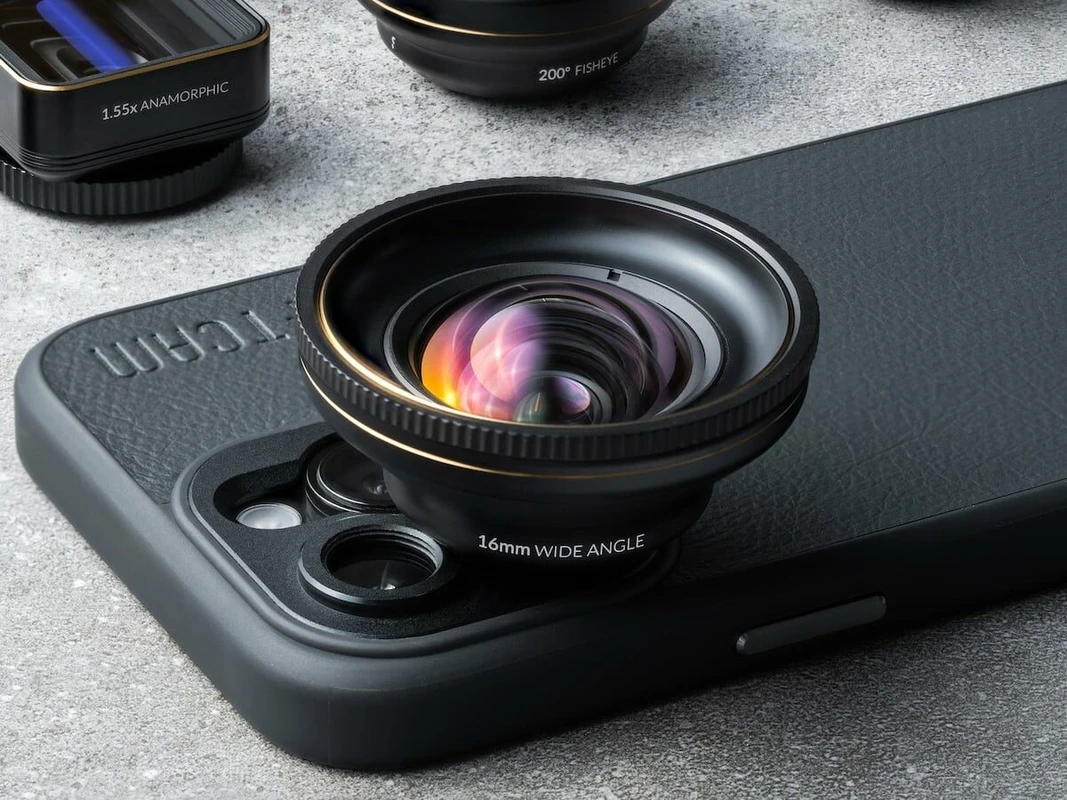
Wide-angle lenses expand the field of view beyond standard smartphone cameras, capturing more of the scene in a single frame. This makes them ideal for landscape photography, architecture, and group shots. Their optical design typically features larger apertures—commonly f/2.0 or wider—allowing increased light intake, which improves low-light performance and reduces noise. For example, Moment’s wide-angle lenses deliver up to 120 degrees of field view, significantly wider than most built-in smartphone lenses, enhancing depth and perspective without distortion when used correctly. This lens type is particularly valued for travel and event photography, where capturing expansive scenes is crucial.
Telephoto lenses provide optical zoom capabilities that maintain image resolution and detail, unlike digital zoom which degrades picture quality. Optical zoom ranges from 2x to 5x are common in external telephoto lenses for smartphones, facilitating close-ups of distant subjects such as wildlife or portraits with natural background blur (bokeh effect). Telephoto lenses often have narrower apertures (around f/2.8 to f/4), which can challenge low-light conditions, but their ability to isolate subjects and compress scenes makes them essential for portrait and wildlife photographers. For instance, Apexel’s telephoto lenses offer up to 12x zoom with multi-element glass to reduce chromatic aberrations.
Macro lenses specialize in extreme close-up photography, capturing intricate details of textures, small objects, or natural subjects like insects and flowers. These lenses typically have a very short minimum focusing distance, sometimes as close as 1-3 centimeters, allowing sharp focus on minute elements invisible to the naked eye. Optical quality and distortion control are paramount since macro photography exaggerates lens flaws. Moment’s macro lenses feature high-grade glass and multi-coating to minimize flare and maintain color accuracy. Macro photography enthusiasts often pair these lenses with stable tripods and lighting kits to counteract shallow depth of field and lighting challenges.
Fisheye lenses provide ultra-wide-angle views with a characteristic spherical distortion that creates dramatic, creative perspectives. Popular among action photographers and videographers, fisheye lenses enable immersive shots that emphasize curvature and exaggerate spatial relationships. These lenses typically offer 180 degrees or more field of view and are used for skateboarding, sports, and artistic photography. However, fisheye lenses are less practical for traditional photography due to their distortion, which requires post-processing correction for standard use.
Compatibility Considerations for Smartphone Camera Lenses
lens compatibility remains a crucial factor when selecting smartphone camera lenses. The physical mounting system and software integration determine whether a lens performs optimally without vignetting, misalignment, or image quality degradation. Common mounting mechanisms include clip-on mounts, case-mounted mounts, and more secure bayonet mounts designed for specific phone models.
Clip-on mounts offer broad compatibility across various smartphone brands but can introduce alignment challenges and light leaks. Case-mounted lenses, such as those produced by Moment, require proprietary phone cases with integrated lens mounts, ensuring precise alignment and reducing optical artifacts. Bayonet mounts, often found in professional-grade external camera systems, provide robust mechanical attachment and easier lens swapping but are limited to certain phone models or external units.
Compatibility guides provided by brands like Moment and Apexel list supported smartphone models including popular devices such as iPhone 13/14 series, Xiaomi’s Mi and Redmi series, and Vivo’s flagship phones. These guides assist users in verifying whether a lens will fit their device and perform as expected. Additionally, software compatibility, particularly with the phone’s native camera app or third-party photography apps, influences features like autofocus and image stabilization.
Budget Versus Quality: Navigating the Lens Market
Smartphone camera lenses span a broad price range, from budget clip-on kits priced under $30 to premium lenses exceeding $150. Affordable kits, often bundled with multiple lenses, provide entry-level versatility but may compromise on optical glass quality, coatings, and build durability. These lower-cost options can suffer from chromatic aberrations, lower sharpness, and inconsistent color reproduction.
Premium lenses from industry leaders such as Moment or Apexel utilize multi-element glass, advanced coatings to reduce lens flare and ghosting, and robust metal housing for longevity. These lenses deliver superior image sharpness, accurate color rendering, and better low-light performance, justifying their higher cost for serious photographers. For example, Moment’s telephoto lens series consistently scores high in professional reviews for image clarity and flare resistance.
Balancing cost with photography goals is essential. Casual users may prioritize budget kits for occasional use, while enthusiasts and professionals benefit from investing in higher-quality lenses and accessories. Researching user reviews and third-party tests, such as those published by NYT Wirecutter, provides valuable insight into real-world performance versus price.
Enhancing Smartphone Photography with Accessories
Beyond lenses, accessories such as tripods, lighting kits, and mounting cases significantly improve smartphone photography outcomes. Tripods stabilize the device during long exposures or macro shots, eliminating motion blur and enabling sharper images in low-light conditions. Portable LED lighting kits help control shadows and highlights, critical for macro and portrait photography where natural light may be insufficient or inconsistent.
Mounting cases compatible with specific lens brands ensure secure attachment and optimal alignment, reducing the risk of lens shifting during shooting. Additionally, clip-on remote shutter controls and editing apps complement the hardware by enabling precise control and post-processing enhancements.
These accessories collectively enhance image stability, lighting quality, and usability, expanding creative possibilities beyond the limitations of handheld shooting.
Advanced Options: External Camera Units with Professional Lenses
For users seeking professional-grade optics beyond traditional smartphone lenses, external camera units like SwitchLens offer an innovative solution. SwitchLens enables smartphones to use Micro Four Thirds lenses, which are standard in high-end mirrorless cameras, combining the compactness of smartphones with the optical quality of dedicated cameras.
This system employs a mechanical bayonet mount adapter and a custom smartphone case with a built-in image sensor interface, allowing full control over aperture, focus, and zoom. Though more expensive and bulkier than clip-on lenses, these units provide superior image quality, dynamic range, and manual control options. They are particularly attractive to professional photographers who require high-resolution images and advanced depth-of-field control.
Limitations include increased device weight, reduced portability, and the need for compatible phone models with adequate processing power. However, the optical advantages outpace those of conventional smartphone lenses, making external units a compelling choice for specialized photography.
Practical Tips for Choosing the Right Smartphone Camera Lens
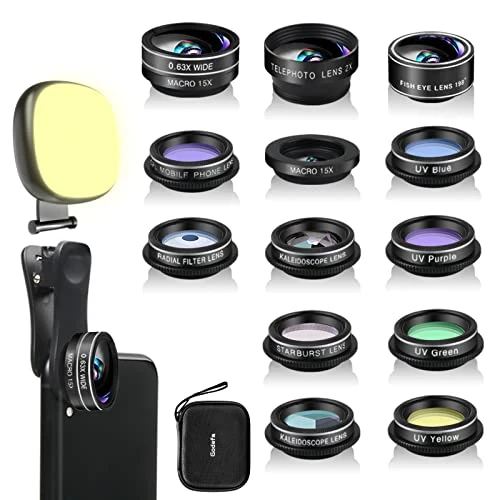
Selecting the optimal lens begins with identifying your primary photography style. Wide-angle lenses suit users focused on landscapes, architecture, or group portraits, while telephoto lenses benefit those prioritizing wildlife or distant subjects. Macro lenses appeal to enthusiasts capturing fine details and textures, and fisheye lenses serve creative or action-oriented photography.
Consider your typical shooting conditions: low-light environments demand lenses with wider apertures and effective coatings, whereas outdoor bright-light photography allows more flexibility. Assess your phone’s compatibility by consulting manufacturer guides and verifying mounting options to ensure seamless integration.
Testing lenses firsthand, if possible, or studying detailed user and expert reviews helps set realistic expectations regarding image quality and usability. Balancing budget against desired features and quality ensures a satisfying purchase without overspending.
FAQ: Smartphone Camera Lenses
What is the difference between optical zoom and digital zoom on smartphone lenses?
Optical zoom uses the physical properties of the lens to magnify the subject without losing image quality, while digital zoom simply crops and enlarges the image digitally, resulting in reduced resolution and detail. External telephoto lenses provide true optical zoom, preserving photo clarity.
Can I use any external lens with my smartphone?
Not all external lenses are universally compatible. Compatibility depends on your phone’s model, camera placement, and the lens mounting system. Brands often provide compatibility lists to guide users. Case-mounted lenses like those from Moment require specific cases for proper alignment.
Are macro lenses useful for everyday photography?
Macro lenses specialize in close-up photography and are most beneficial when capturing fine details such as textures, insects, or flowers. While not essential for general photography, they expand creative possibilities for detailed shots.
How do external camera units like SwitchLens improve smartphone photography?
External units enable the use of professional-grade lenses with larger image sensors, offering superior image quality, manual controls, and advanced depth-of-field effects compared to standard smartphone lenses. They are best suited for users seeking high-end photography capabilities.
Do wide-angle lenses perform better in low light than telephoto lenses?
Generally, yes. Wide-angle lenses tend to have larger apertures, allowing more light to reach the sensor, which improves performance in low-light conditions. Telephoto lenses often have smaller apertures, limiting their low-light effectiveness.
Smartphone camera lens technology will continue to evolve, integrating higher-quality optics and smarter software. Users should monitor emerging trends such as computational photography enhancements and lens-shift stabilization to future-proof their purchases. Practical experimentation and leveraging compatible accessories remain key for maximizing the creative potential of smartphone photography.
For more detailed guidance on selecting lenses, consider expert reviews and manufacturer specifications available at Drone and Cam’s lens guide.