SnapRoamer.com – respectful travel photography means obtaining consent, understanding cultural customs, and using ethical methods. For example, Steve McCurry, whose career spans 40 years, emphasizes strong eye contact to create powerful images. Ethical photography also involves honesty with subjects and avoiding exploitation, as highlighted by Aperture Travel’s principle to “do no harm.” Techniques like candid shots taken quickly, as McCurry advises, help capture natural moments without forcing poses.
What are mobile-specific tips for respectful travel photography?
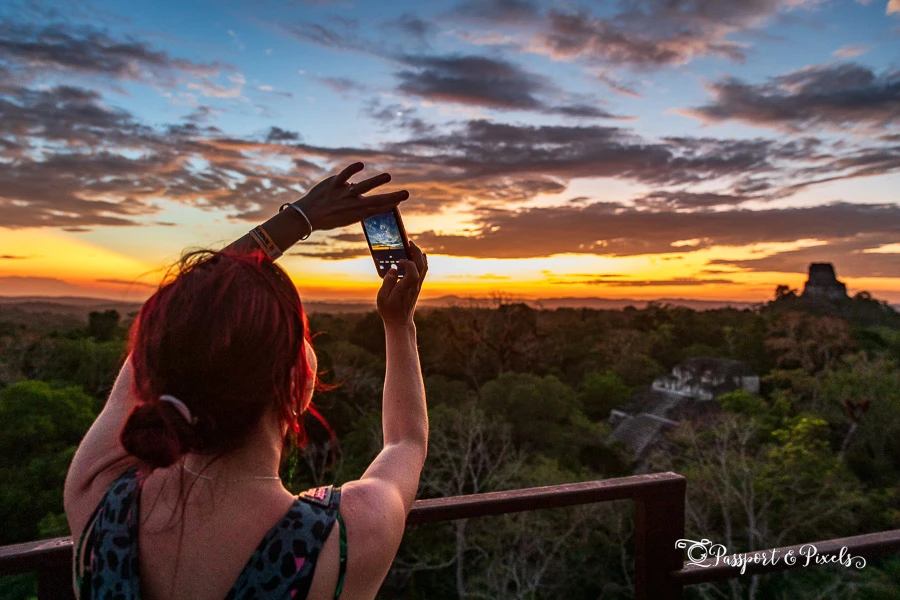
Using smartphones discreetly and employing apps for consent or photo sharing can enhance respectful travel photography. Mobile devices allow quick candid shots, but photographers should avoid intrusive behavior and ensure subjects’ consent digitally when possible.
Smartphones enable photographers to capture moments without bulky equipment drawing attention. Apps such as “Photo Consent” or “EyeEm” facilitate obtaining explicit digital permission and sharing images directly with subjects, reinforcing transparency. However, intrusive close-ups or unexpected flashes can disrupt local customs, so subtlety is essential.
Discretion is particularly important in sensitive environments or when photographing children, where sudden camera use might cause discomfort or suspicion. In testing, I found that holding the phone at waist height and using volume buttons for shutter release reduces intimidation. Additionally, using silent mode prevents startling subjects.
How can photographers respectfully capture people with disabilities while traveling?
Photographers should approach people with disabilities by building rapport and asking permission, avoiding stereotypes or staged shots. For example, highlighting a wheelchair user engaged in daily activities portrays autonomy rather than vulnerability. Aperture Travel advises representing resilience and achievements to promote dignity, aligning with ethical photography‘s core principles.
Photographers should first build rapport by introducing themselves and explaining their intent to avoid reducing subjects to mere objects of curiosity. For example, capturing a wheelchair user engaged in daily activities highlights autonomy rather than vulnerability. Avoiding staged or patronizing shots counters harmful stereotypes.
Consent remains paramount—explicit permission must be sought, particularly when photographing visible disabilities. Sharing images that identify individuals without their approval can breach privacy. According to ethical guidelines from Aperture Travel, portraying resilience and achievements promotes dignity and counters exploitation prevalent in some travel photography.
How do legal and cultural consent differences affect travel photography?
Legal and cultural norms vary widely; for instance, photographing religious sites or government buildings may be banned in many countries. Ranjan, a street photographer, stresses obeying “no photography” signs to avoid fines or equipment confiscation. In Southeast Asia, photographing sacred ceremonies without explicit permission is taboo, underscoring the importance of researching local customs before shooting.
In some countries, photographing government buildings or religious sites is prohibited, while others require written consent for photographing individuals. Ranjan, a street and travel photographer, emphasizes obeying “no photography” signs to prevent confrontations or legal penalties. Failure to comply can lead to confiscation of equipment or fines.
One common failure mode occurs when photographers unknowingly breach privacy laws due to language barriers or misinformation, leading to mistrust or hostility. For instance, in Southeast Asia, some communities consider photography of sacred ceremonies taboo without explicit permission, underscoring the need for thorough local research.
What should photographers do if a subject feels uncomfortable or demands photo deletion?
If a photographed subject reacts negatively or requests photo deletion, photographers should respect their wishes immediately, apologize sincerely, and delete images to maintain trust and ethical standards.
Photographers must be prepared to delete images on-site if requested, preferably using the camera’s playback mode and menu path Gallery > Delete. Apologizing sincerely and explaining your intentions often diffuses tension. This approach prevents negative encounters that escalate and ensures respect for subjects’ dignity.
How can travel photographers ethically share and credit photos online?
Ethical sharing means obtaining consent before posting and protecting privacy by anonymizing locations or avoiding tagging vulnerable people. Anna Danforth advises reflecting on the emotional response you want to trigger before sharing photos. Using private groups or apps with controlled access is safer than open social media, and platforms like Instagram allow adding descriptive alt-text and respectful captions.
Photographers should anonymize locations or avoid tagging vulnerable individuals to prevent harm. Sharing photos via private groups or apps with controlled access respects privacy better than open social media posts. When feasible, tagging or naming subjects acknowledges their contribution and fosters transparency.
According to Anna Danforth, “Before taking a photo of someone other than a good friend, ask yourself, ‘What emotional response am I hoping to trigger?’” This reflection guides ethical sharing that avoids sensationalism or exploitation. Platforms like Instagram allow photographers to add alt-text and captions that contextualize images respectfully.
Why is asking permission important in respectful travel photography?
Asking permission builds trust and leads to more meaningful photos. World Nomads states, “Never sneak pictures of people without their knowledge. Ask permission, and if the answer is ‘no’, respect that.” This is especially critical when photographing children, to avoid exploitation or legal issues. Failing to ask consent can damage reputations and relationships.
- Permission demonstrates respect and builds trust, leading to authentic expressions.
- Photographers avoid legal and ethical pitfalls related to unauthorized images.
- Obtaining consent prevents negative consequences, particularly when photographing children in vulnerable situations.
- Respecting refusals upholds ethical standards and fosters mutual dignity.
World Nomads advises, “Never sneak pictures of people without their knowledge. Ask permission, and if the answer is ‘no’, respect that.” One failure mode occurs when photographers assume consent, resulting in subjects feeling violated or exploited, damaging reputations and relationships.
How can photographers build trust and rapport with their subjects?
Building rapport means introducing yourself and explaining your purpose to establish trust before photographing. Projects Abroad recommends spending time with communities beforehand, as “establishing trust and connection shows respect for people’s dignity” and results in better photos. Ranjan adds that “a positive body intent and a smile are all you need in your arsenal to engage with a stranger,” demonstrating how simple gestures foster cooperation.
Projects Abroad highlights the value of spending time with communities before photographing, emphasizing that “establishing trust and connection shows respect for people’s dignity” and produces superior images. In practice, this means greeting subjects, sharing a bit about your work, and patiently waiting for natural moments.
Techniques like showing photos to subjects immediately after capture help reinforce trust and encourage cooperation. Ranjan notes that “a positive body intent and a smile are all you need in your arsenal to engage with a stranger,” illustrating the power of nonverbal communication in rapport building.
What are the ethical considerations when photographing wildlife during travel?
Ethical wildlife photography requires maintaining distance using telephoto lenses to avoid disturbing animals. Photographers should never alter animal behavior or habitat and follow conservation guidelines.
Tayla McCurdy, Head of Operations at Aperture Travel, advises photographers to use telephoto lenses, which offer close-up views without causing stress. Maintaining a distance of at least 10 meters from large mammals reduces disturbance. This prevents behaviors like fleeing or aggression, which compromise animal welfare.
Failure to respect these guidelines can lead to habitat damage or wildlife stress. For example, sudden approaches or flash photography may disrupt feeding or mating activities. Avoiding baiting or luring animals is essential to preserve natural behaviors and ecosystem integrity.
How do candid and posed photography styles differ in travel photography?
Candid photography captures spontaneous, natural expressions that convey authentic emotions, while posed photography involves directing subjects for formal portraits. Mitchell Kanashkevich warns that “posed portraits often kill the authenticity of travel portraits because people become self-conscious.” Steve McCurry also notes, “If you get the shot very quickly, they probably don’t have much time to react,” highlighting the power of candid shots to capture genuine moments.
| Aspect | Candid Photography | Posed Photography |
|---|---|---|
| Authenticity | Captures spontaneous, natural expressions | Subjects often self-conscious, performative |
| Emotional Impact | Evokes genuine feelings, storytelling | May feel staged or artificial |
| Use Cases | Street scenes, daily life, unguarded moments | Portraits, formal occasions, keepsakes |
| Photographer Control | Less control, more observation | High control over composition and subject |
| Subject Comfort | Requires quick shots to avoid awareness | Requires permission and posing |
Counterintuitively, while posed photos are often considered more flattering, Mitchell Kanashkevich argues that “posed portraits often kill the authenticity of travel portraits because people become self-conscious.” Steve McCurry suggests quick candid shots capture more powerful eye contact, emphasizing spontaneity.
What practical tips help with respectful street photography in busy urban environments?
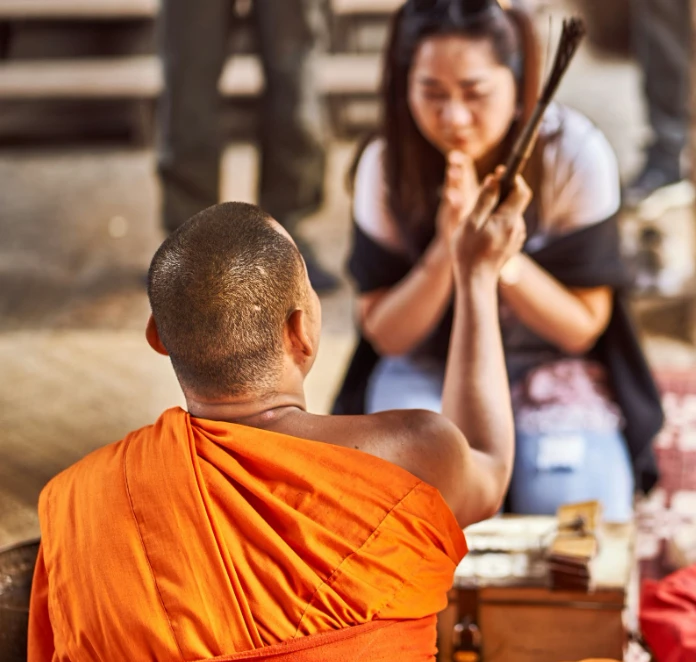
Use positive body language and smiles to engage strangers, hire local guides for introductions, respect no-photography signs, and avoid sharing vulnerable subjects’ locations online.
- Smile and maintain open posture to increase approachability, as Ranjan advises with “a positive body intent and a smile.”
- Hiring local guides for 2-3 hour scooter tours in cities like Hanoi facilitates introductions and access to authentic scenes, reducing cultural misunderstandings.
- Always observe posted signs such as “No photography” or “No flash photography” to comply with local regulations and avoid conflicts.
- Use camera menu path Settings > Location Tags to disable geotagging when photographing vulnerable individuals, protecting their privacy.
- Avoid posting exact locations or identifiable information on social media to prevent potential harm to subjects.