SnapRoamer.com – Photography’s interplay with local culture profoundly shapes its ethical framework, visual narratives, and social impact. documentary photography rooted in cultural contexts must balance authentic representation and sensitivity to avoid cultural appropriation. Photographers like Yulissa Mendoza exemplify community-centered practices that preserve cultural heritage while fostering visual storytelling that resonates socially and artistically. Advances in digital imaging also transform how cultural heritage sites and traditions are documented, amplifying photography’s role in cultural conservation and activism.
Ethical representation requires understanding local customs, historical context, and community values, ensuring images do not exoticize or misrepresent subjects. Collaborative approaches with indigenous groups and local organizations enhance cultural accuracy and trust. Museums and conservation institutions increasingly influence photographic modernism by integrating visual documentation with heritage preservation, supported by evolving imaging technologies. This article explores how local culture influences photography’s practice and ethics, providing insight into the broader social effects of culturally informed photographic work.
Ethical Considerations in Cultural Photography
Ethical integrity is fundamental when photographing cultures, especially indigenous or marginalized communities. cultural appropriation—using elements of a culture without permission or understanding—remains a contentious issue in photography. Ethical photography demands sensitivity to avoid perpetuating stereotypes or exploiting cultural symbols for artistic gain.
The distinction between respectful cultural representation and appropriation hinges on consent, context, and collaboration. For example, photographers working with indigenous peoples increasingly adopt participatory methods, involving community members in image creation and distribution decisions. This approach contrasts sharply with historic practices where photographers often extracted images without regard for cultural significance or community perspectives.
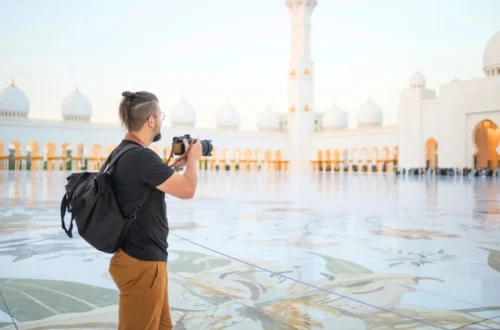
Case studies highlight this divide. Cheech Marin, a prominent collector and advocate for Chicano art and photography, emphasizes the importance of cultural self-representation. His collection supports artists from within communities, thereby avoiding outsider appropriation. Conversely, problematic representations often surface in tourism-driven photography, where local customs are commodified without context or community benefit.
Ethical guidelines now recommend transparency, cultural literacy, and ongoing dialogue between photographers and subjects. These standards uphold dignity and foster images that respect cultural identity, strengthening photography’s legitimacy as a tool for social awareness.
Documentary Photography as a Tool for Cultural Awareness
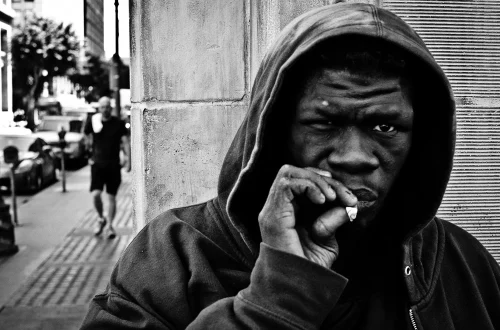
Documentary photography’s power lies in its ability to challenge stereotypes and foster empathy through visual narratives rooted in local culture. Photographers who engage deeply with communities can reveal nuanced perspectives that counter dominant media portrayals and cultural misconceptions.
Collaborations with local organizations are key to this process. For instance, projects documenting indigenous ceremonies or urban Chicano experiences often partner with community groups to ensure accuracy and cultural relevance. Such alliances help photographers gain access and trust, resulting in images that resonate authentically both within and beyond the community.
visual storytelling informed by cultural context also enhances cross-cultural understanding. By depicting lived experiences rather than superficial exoticism, documentary photography can promote cultural pride and social inclusion. This approach aligns with conservation imaging techniques that prioritize intangible cultural heritage—oral histories, rituals, and customs—preserving them visually for future generations.
The Role of Photographers from Within Communities
Photographers embedded within their own cultural communities bring distinctive insight and authenticity to their work. Chicano photography, for example, illustrates how insider perspectives shape both subject choice and narrative voice. Yulissa Mendoza exemplifies this model through her communal photographic practice, emphasizing participation and shared experience.
Mendoza’s work foregrounds local voices, allowing subjects to influence how their culture is portrayed. This artistic leadership fosters subject comfort, reduces the risk of misrepresentation, and builds images that reflect collective identity. Such approaches reinforce the ethical imperative to respect cultural sovereignty in visual media.
Moreover, photographers from within communities often blend photographic modernism with cultural heritage elements, creating hybrid aesthetics that challenge Western-centric art narratives. Their work supports cultural continuity while innovating artistic forms, demonstrating photography’s dynamic role in cultural expression.
Cultural Heritage and Visual Storytelling
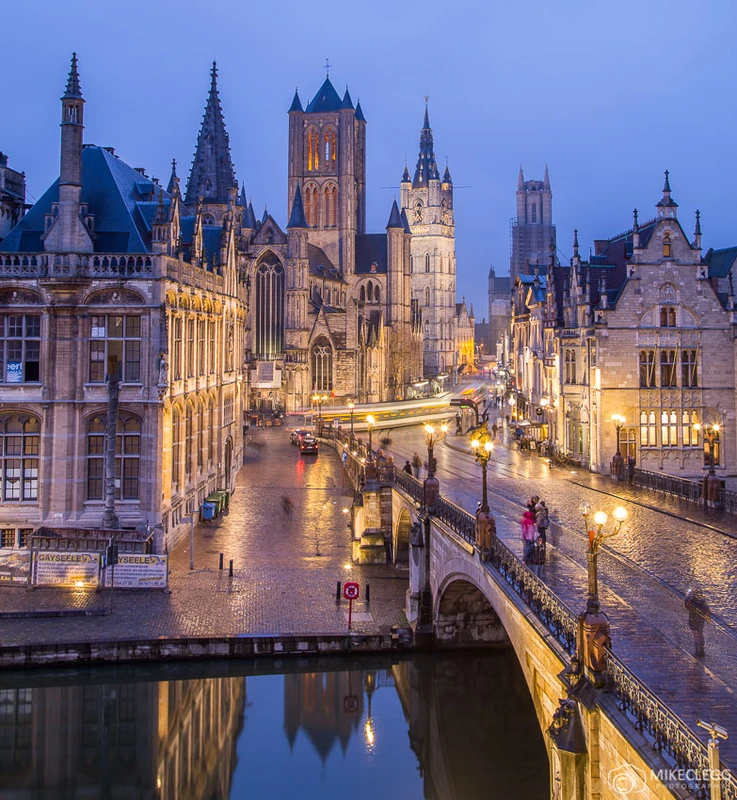
Cultural heritage—both tangible and intangible—profoundly influences photographic style and content. Photographers documenting heritage sites like Wrocław or Gdańsk integrate architectural, historical, and communal elements, crafting visual narratives that reflect place-based identity.
Museums and conservation agencies contribute to this process by setting standards for photographic documentation that preserve cultural significance. Techniques in conservation imaging, including multispectral scanning and 3D modeling, allow detailed recording of artifacts and environments, enhancing heritage preservation through photographic means.
Photographic documentation of intangible cultural heritage, such as traditional dances or festivals, requires careful cultural sensitivity to capture ephemeral practices respectfully. Visual storytelling here serves not only artistic purposes but also educational and preservationist roles, ensuring cultural transmission amid globalization pressures.
Technological Advances and Their Effect on Cultural Documentation
The transition from analog to digital photography has revolutionized cultural heritage documentation. Digital imaging offers higher resolution, greater accessibility, and new tools for post-processing that aid in conservation efforts. For example, enhanced color accuracy and image stabilization technologies improve the fidelity of cultural imagery.
Fieldwork benefits from portable digital cameras and drones, enabling photographers to document hard-to-reach cultural sites or events without intrusive setups. These advances facilitate more comprehensive cultural records and democratize access to visual archives.
However, technology also introduces challenges, such as digital manipulation risks and ethical questions over image ownership and dissemination, especially in indigenous contexts. Photographers must navigate these issues carefully to maintain ethical standards and community trust.
Photography as Artistic Leadership and Social Change Catalyst
Photographers who integrate cultural knowledge and ethical practices often emerge as artistic leaders within their communities. Their projects can transform local narratives, empowering marginalized voices and influencing social change.
Visual media’s global reach amplifies these effects, bringing local cultural stories to international audiences. This global-local dynamic underscores photography’s dual role as a cultural preservation tool and an activist medium.
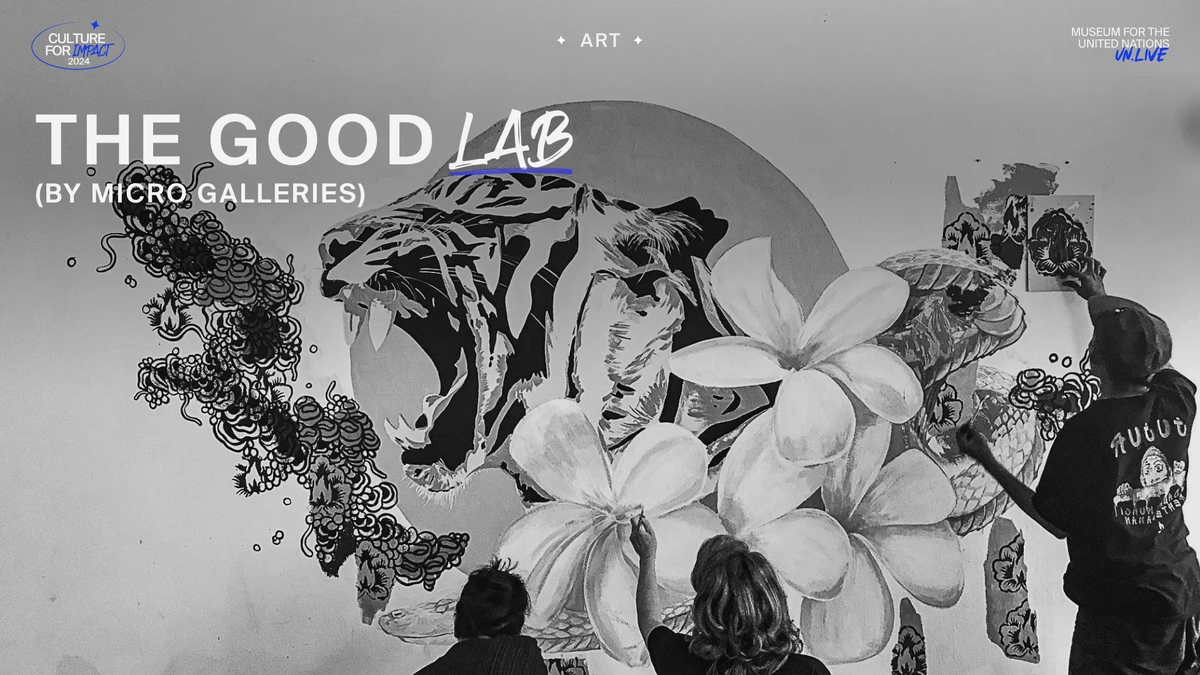
Artist-led initiatives, such as community exhibitions or participatory photography workshops, foster cultural pride and social cohesion. These programs harness photography’s capacity to document lived realities and advocate for cultural recognition and rights.
Forward-Looking Perspectives on Cultural Photography
As cultural photography evolves, future directions will likely emphasize deeper community collaboration and ethical standards reinforced by technological innovations. Photographers and institutions must prioritize cultural literacy and consent to ensure respectful representation.
Emerging digital platforms and AI-driven imaging tools offer new avenues for immersive cultural storytelling, including virtual reality and augmented reality experiences of heritage sites. These technologies promise to enhance public engagement with culture while raising new questions about authenticity and access.
Sustained dialogue among photographers, cultural representatives, and scholars will remain essential to balance artistic innovation with ethical responsibility. This collaborative approach can strengthen photography’s role as a dynamic medium for cultural understanding and social impact.
FAQ
How does local culture influence photographic storytelling?
Local culture shapes photographic storytelling by guiding subject selection, aesthetic choices, and narrative themes. Photographers who understand cultural contexts can create authentic images that resonate with community values and communicate deeper social meanings.
What are the ethical concerns related to cultural appropriation in photography?
Ethical concerns include exploiting cultural symbols without permission, misrepresenting communities, and perpetuating stereotypes. Avoiding appropriation requires consent, collaboration, and cultural literacy to respect the dignity and sovereignty of photographed cultures.
Can photographers from outside a culture ethically document it?
Yes, but only if they engage respectfully with communities, seek informed consent, and collaborate with local representatives. Ethical outsider photography involves transparency, cultural sensitivity, and avoiding exploitative practices.
How have technological advances affected cultural heritage photography?
Technological advances have enhanced image quality, accessibility, and conservation techniques. Digital tools enable detailed documentation and wider dissemination but also raise ethical questions about image manipulation and ownership.
What role do museums and local organizations play in cultural photography?
Museums and organizations set ethical standards, facilitate community partnerships, and support preservation through photographic documentation. They often collaborate with photographers to ensure cultural heritage is respectfully and accurately represented.
For further insight on the intersection of culture and photography, explore this detailed analysis of documentary photography in different cultures and the impact of cultural perspectives on global visual storytelling.