SnapRoamer.com – Smartphone photography continues to evolve rapidly, with innovations in autofocus systems, lens technology, and software enhancements dramatically improving image quality. However, achieving precise focus accuracy remains a critical challenge for many users, especially in dynamic or low-light environments. improving focus accuracy in smartphone photography involves understanding the interplay between autofocus mechanisms, manual focus control, lighting conditions, and hardware capabilities like telephoto lenses and depth sensors. Employing techniques such as AE/AF Lock (focus lock), leveraging portrait mode effectively, and stabilizing the device can significantly enhance sharpness and clarity in photos.
Autofocus systems in smartphones utilize a combination of contrast detection, phase detection, and increasingly, machine learning algorithms to identify and lock onto subjects. Despite these advances, autofocus can struggle with edge detection, moving targets, and low-light scenes, often leading to soft or missed focus. Manual focus options, though less common in default camera apps, provide photographers with direct control over the focal plane, allowing fine adjustments especially valuable in macro or portrait photography where depth of field is shallow. Using focus lock features prevents the camera from refocusing unexpectedly during composition or capture, maintaining consistent sharpness on the intended subject.
Autofocus vs Manual Focus: Technical Overview and Practical Applications
Autofocus (AF) in modern smartphones typically employs hybrid systems combining phase detection autofocus (PDAF) and contrast detection autofocus (CDAF). PDAF sensors estimate distance by comparing phase differences, enabling rapid focus acquisition, while CDAF fine-tunes focus by maximizing image contrast. Machine learning-enhanced autofocus algorithms have pushed accuracy rates up to 98.5% in complex scenes, according to recent research, yet challenges persist in scenes with low contrast or multiple potential focus points. For example, the iPhone 15 Pro Max uses a sophisticated autofocus system augmented by ToF LIDAR sensors to improve subject distance mapping and focus speed.
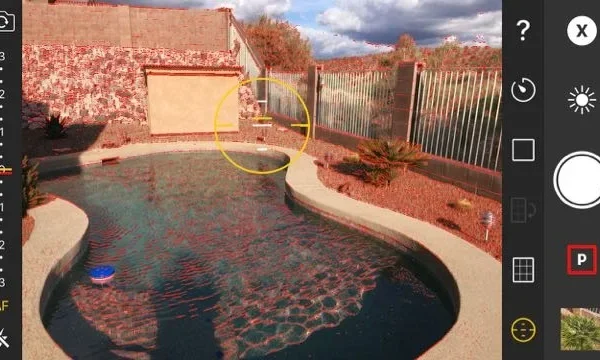
Manual focus, accessible through specialized camera apps or pro modes, allows users to override autofocus by selecting exact focus distances. This approach is essential in scenarios where autofocus fails to lock onto the desired subject, such as macro shots or creative portraiture requiring precise control over depth of field. Manual focus also circumvents hunting—the continuous refocusing seen in autofocus systems—resulting in faster capture times in challenging lighting.
Using Focus Lock to Maintain Sharpness in Dynamic Scenes
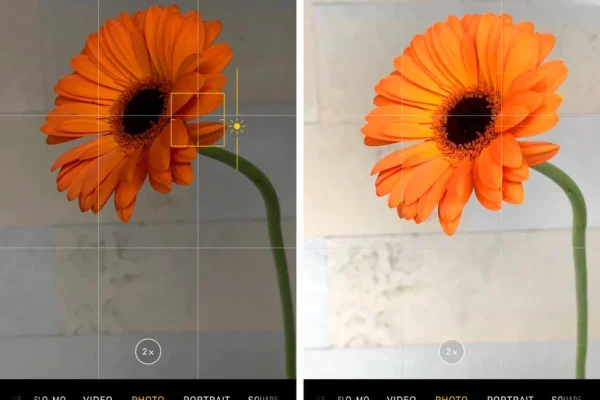
focus lock, often labeled AE/AF Lock on iPhones, is a critical tool to preserve focus and exposure settings once established. Activating focus lock involves pressing and holding on the screen at the intended focus point until a confirmation indicator appears, signaling that autofocus and auto exposure are fixed. This prevents the camera from shifting focus when recomposing or when subjects move slightly, a common cause of blurry or out-of-focus images in action or street photography.
Using focus lock is especially beneficial in dynamic shooting environments such as concerts, sports, or candid portraits, where consistent focus is required despite rapid framing changes. It also enhances macro photography, where slight shifts in camera position can cause autofocus to lose the subject. However, reliance on focus lock requires the photographer to anticipate subject movement and reposition accordingly, as the locked focus does not adjust automatically.
Optimizing Lens Selection and Zoom Techniques for Enhanced Focus
Smartphone cameras typically offer multiple lenses, including wide, ultra-wide, and telephoto options. Each lens has distinct focal lengths affecting depth of field and focus behavior. wide-angle lenses (around 24-28mm equivalent) provide extensive depth of field but can struggle with subject isolation. Telephoto lenses (70-120mm equivalent) enable optical zoom, increasing subject separation and improving focus accuracy by reducing background distractions.
Optical zoom preserves image resolution and sharpness by physically adjusting the lens focal length, unlike digital zoom, which crops and enlarges pixels, degrading image quality and complicating autofocus. For example, the iPhone 15 Pro Max features a 5x telephoto lens that delivers optical zoom without loss of detail, facilitating better focus on distant subjects.
Leveraging Portrait Mode and Depth Effects for Subject Isolation
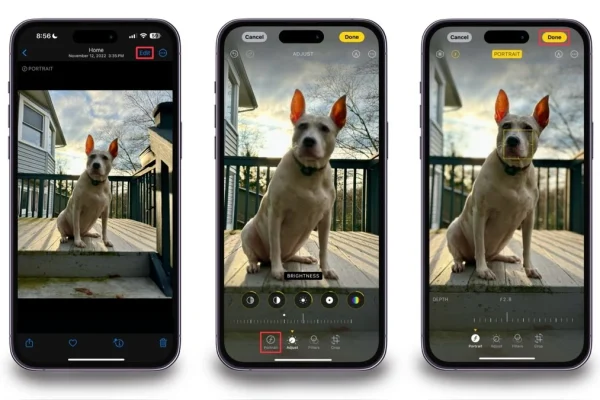
Portrait mode employs depth estimation through dual or multiple cameras and ToF LIDAR sensors to create a bokeh effect, blurring the background while keeping the subject sharply in focus. Achieving optimal results requires positioning the subject within an ideal distance range, typically 2 to 8 feet from the camera, and using natural light to enhance edge definition.
While portrait mode excels in isolating subjects, it still faces limitations such as edge detection errors, particularly with fine hair strands, transparent objects, or complex backgrounds. Mitigating these issues involves adjusting the distance between subject and background, selecting uniform backgrounds, and using additional light sources to improve contrast.
Lighting Strategies to Improve Focus Precision
Natural lighting plays a pivotal role in focus accuracy. Using open shade or indirect window light reduces harsh shadows and highlights, improving autofocus contrast detection. Avoiding backlighting prevents the camera from misreading exposure and focus points, which can cause soft images.
In low-light scenarios, Night Mode enhances focus by extending exposure times and using software algorithms to aggregate multiple frames. However, autofocus can struggle due to insufficient contrast. To compensate, smartphones like the iPhone 15 Pro Max utilize ToF LIDAR sensors to actively measure distance, significantly improving focus acquisition speed and accuracy in darkness.
Minimizing Hand Tremors and Employing Stabilization Techniques
Hand tremors introduce micro-movements that degrade focus sharpness, especially in telephoto and low-light photography. Using both hands to hold the smartphone, bracing against stable surfaces, or employing portable tripods can substantially reduce shake.
image stabilization technologies, including optical image stabilization (OIS) and electronic image stabilization (EIS), complement physical steadiness by compensating for motion during capture. These are critical for maintaining focus precision during longer exposures or zoomed shots, where even slight movement blurs the focal plane.
Advances in Software and Hardware Autofocus Technology
Machine learning has transformed autofocus by enabling real-time scene analysis and predictive focusing, adapting to complex environments such as crowds or moving subjects. Models trained on millions of images help smartphones anticipate subject movement and adjust focus preemptively.
Depth-sensing technologies like Time-of-Flight (ToF) and LIDAR build accurate 3D maps of scenes, allowing autofocus systems to calculate precise distances rather than relying solely on image contrast. The iPhone 15 Pro Max incorporates LIDAR to accelerate autofocus in portrait and night modes, enhancing focus reliability.
Maintaining Lens Cleanliness and Camera Readiness
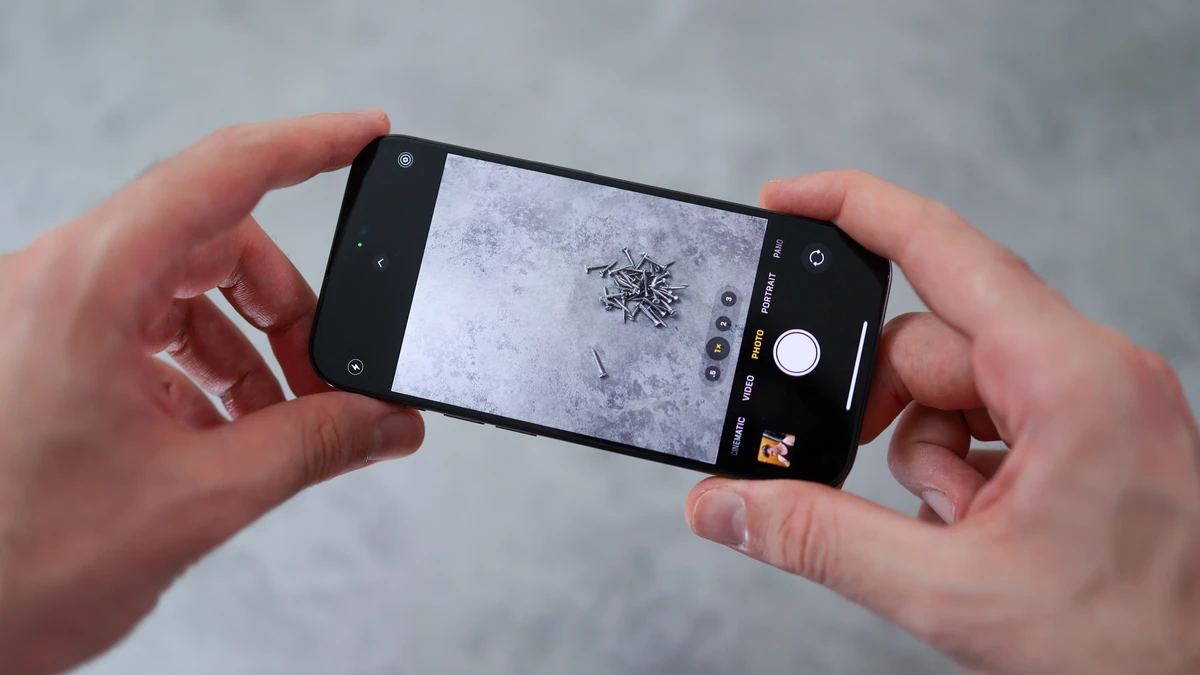
Lens cleanliness directly affects autofocus accuracy and image clarity. Fingerprints, dust, and smudges scatter light and reduce contrast, causing autofocus algorithms to misinterpret focus points. Regular cleaning with microfiber cloths and lens-safe solutions preserves optimal camera performance.
Additionally, keeping camera software updated ensures access to the latest autofocus improvements and bug fixes. Users should also avoid obstructing lenses with fingers or cases during capture to prevent focus errors.
| Focus Technique | Best Use Case | Advantages | Limitations |
|---|---|---|---|
| Autofocus (Hybrid PDAF + CDAF) | General photography, moving subjects | Fast, generally accurate, automatic | Struggles in low contrast, low light, edge detection |
| Manual Focus | Macro, portrait, creative control | Precise control, avoids hunting | Slower, requires user skill |
| Focus Lock (AE/AF Lock) | Dynamic scenes, recomposing shots | Maintains sharp focus, stable exposure | Fixed focus; not adaptive to subject movement |
| Portrait Mode (Depth Estimation) | Subject isolation, portraits | Background blur, enhanced subject focus | Edge detection errors, limited subject distance |
FAQ
How do I activate focus lock on my smartphone camera?
Focus lock is typically activated by pressing and holding on the desired focus point on the screen until a confirmation icon or message appears, such as AE/AF Lock on iPhones. This locks both focus and exposure, preventing shifts during composition or capture.
When should I use manual focus instead of autofocus?
Manual focus is ideal when autofocus fails to target the intended subject, such as in macro photography, low-light conditions, or creative portraits requiring precise depth of field control. It allows users to fine-tune focus distance for sharper results.
How does lighting affect smartphone autofocus accuracy?
Good lighting improves contrast and edge definition, enabling autofocus sensors to detect focus points more effectively. Natural light sources like open shade or indirect sunlight reduce shadows and highlights that confuse autofocus systems, while poor lighting can cause hunting or missed focus.
Can using a telephoto lens improve focus sharpness?
Yes, telephoto lenses provide optical zoom, allowing closer framing without digital cropping. This increases subject separation and depth of field control, facilitating more accurate focus on distant subjects while preserving image quality.
What role do LIDAR and ToF sensors play in smartphone focus?
LIDAR and Time-of-Flight sensors generate precise 3D maps of scenes, measuring subject distance directly. This data assists autofocus algorithms in quickly and accurately locking focus, particularly in low-light or complex environments where traditional contrast detection struggles.
smartphone photography in 2026 demands a nuanced understanding of focus techniques, lighting, and hardware capabilities to overcome inherent challenges in compact camera systems. By combining focus lock, manual adjustments, effective lens use, and stabilization, photographers can consistently capture sharper, clearer images. Advances in machine learning and depth-sensing technologies further enhance autofocus reliability, promising continual improvements in mobile imaging quality.
For further expert tips on smartphone photography, readers may consult 5 Tips for Improving iPhone Photography and Smartphone Photography Mastery: Pro Tips for 2025.