SnapRoamer.com – Travel photography demands precise camera settings to capture sharp, compelling images amid varying environments, dynamic subjects, and unpredictable lighting. Achieving consistent focus and exposure is critical, especially when subjects move unpredictably or when light changes rapidly. Key camera parameters—including autofocus modes, aperture, shutter speed, ISO, and metering—collectively influence image sharpness, depth of field, and motion capture quality. For travel photographers aiming to optimize results, understanding the interplay between these settings is essential.
Continuous autofocus (AF-C) paired with wide-area or dynamic autofocus modes enables effective subject tracking during travel, particularly for moving subjects like street scenes or wildlife. Aperture Priority mode offers a practical balance between creative control and shooting speed, with apertures ranging from f/4 to f/8 delivering sharp images with sufficient background separation. Maintaining shutter speeds of 1/200s or faster is crucial to freeze motion, while ISO values between 100 and 200 minimize noise without sacrificing sensitivity. Metering modes such as matrix or multi-area facilitate balanced exposure across complex scenes, and applying exposure compensation near -0.67 EV helps prevent highlight clipping in bright conditions.
Autofocus Modes Optimized for Travel Photography
travel photography frequently involves unpredictable subject movements and rapidly changing environments, making autofocus (AF) performance a key factor in capturing sharp images. continuous autofocus (AF-C) is the preferred mode for tracking moving subjects such as pedestrians, vehicles, or wildlife. This mode continuously adjusts focus as the subject moves, reducing the risk of blurred or out-of-focus shots.
Wide-area autofocus modes—including dynamic area AF and 3D tracking—enhance AF-C by allowing the camera to monitor multiple focus points simultaneously. Dynamic area AF lets the camera prioritize a group of points around the selected focus point, improving tracking accuracy if the subject moves erratically. 3D tracking expands this by using color and pattern recognition to follow the subject across the frame, ideal for street photography or wildlife in varied backgrounds.
Single-point autofocus remains valuable when precise focusing is necessary, such as for static subjects or when recomposing a shot after focusing. However, it requires more deliberate operation and is less forgiving with fast-moving targets. Manual focus and zone focusing techniques, where the photographer pre-sets the focus distance (often using hyperfocal distance principles), also find applications in travel photography—especially in low-light or challenging autofocus conditions.
Face recognition autofocus technology enhances subject detection in crowded scenes, locking focus on human faces quickly. Its limitation lies in reduced effectiveness for non-human subjects or in scenes with multiple overlapping faces, necessitating manual overrides or alternative AF modes.
Aperture Settings and Depth of Field for Travel Scenes
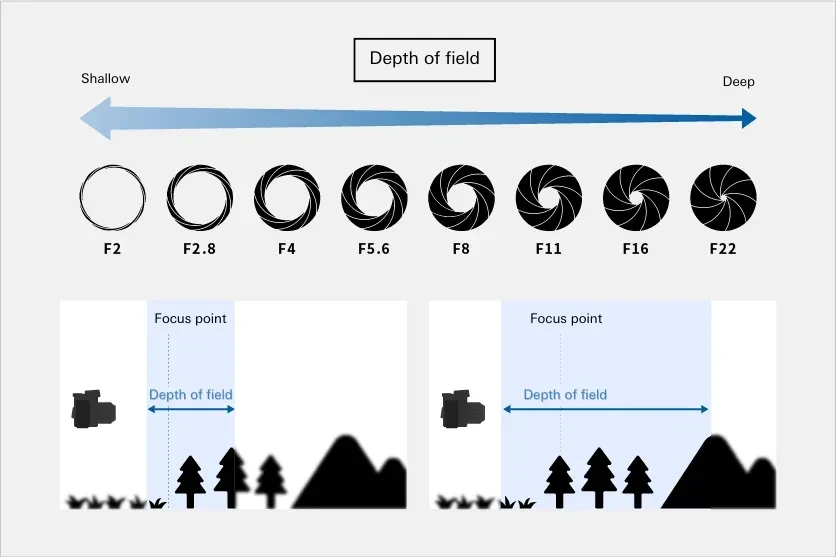
Selecting aperture settings governs depth of field (DoF), influencing how much of the scene appears in sharp focus. For travel photography, apertures in the range of f/4 to f/8 strike a balance between sharpness and subject-background separation. Apertures around f/4 enable moderate background blur (bokeh), isolating subjects while retaining enough DoF to keep nearby elements sharp.
For landscapes or environmental portraits where maximum sharpness from foreground to background is desired, smaller apertures such as f/8 or f/11 are advantageous. These apertures facilitate hyperfocal distance focusing—a technique where the lens is focused at a distance ensuring everything from half that distance to infinity remains acceptably sharp. Using smaller apertures also maximizes image sharpness by reducing lens aberrations common at wider apertures.
Conversely, wider apertures (below f/4) support creative effects such as pronounced bokeh, emphasizing subjects against soft, blurred backgrounds, though they require precise focusing to avoid softness in critical areas. Modern lenses with wide apertures paired with quality optics offer photographers flexibility to adapt to artistic and technical demands in travel settings.
Shutter Speed and ISO Settings for Motion Capture and Image Quality
Freezing motion during travel photography necessitates shutter speeds of 1/200s or faster, especially when capturing moving subjects such as vehicles, people, or animals. Slower shutter speeds risk motion blur, detracting from image clarity. Fast shutter speeds are particularly important for handheld shooting, where camera shake compounds subject movement.
ISO settings between 100 and 200 typically yield the best balance of low noise and sufficient sensor sensitivity under daylight or well-lit conditions. Maintaining low ISO preserves image quality, crucial for detailed landscapes or portraits. However, in dim lighting or when faster shutter speeds are required, ISO must be increased thoughtfully to avoid underexposure.
Modern cameras with improved high-ISO performance allow travel photographers to push ISO higher when needed, but balancing shutter speed and ISO remains a core skill. Adjusting these parameters dynamically depending on subject speed, available light, and desired depth of field is essential for consistently sharp results.
Metering Modes and Exposure Compensation in Diverse Lighting
Travel photography involves variable lighting conditions—bright sun, deep shadows, mixed artificial light—making metering mode selection critical for exposure accuracy. Matrix or multi-area metering modes evaluate multiple zones in the frame, calculating exposure by averaging brightness and contrast. These modes are preferred for travel scenarios due to their adaptability and balanced results.
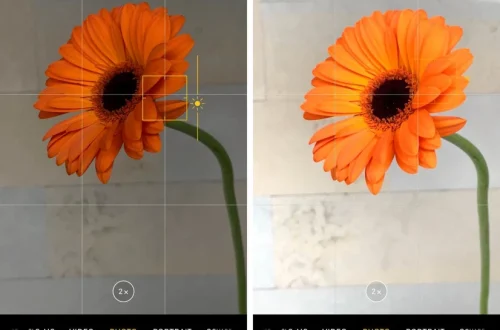
Spot or center-weighted metering, while precise, often requires manual compensation to avoid over- or underexposure in complex scenes. Using exposure compensation around -0.67 EV helps protect highlight details, particularly when shooting reflective surfaces, bright skies, or backlit subjects. This slight negative bias prevents blown-out highlights without significantly darkening midtones or shadows.
Monitoring histograms during shooting aids in verifying exposure, enabling adjustments to settings before image capture. Experienced travel photographers often rely on real-time feedback from metering and histograms to adapt swiftly to changing light.
Lens Selection and Focusing Techniques for Environmental Context
Wide-angle lenses (typically 24mm to 35mm full-frame equivalent) and short focal length primes (up to 50mm) dominate travel photography due to their ability to capture environmental context and accommodate dynamic compositions. Wide-angle lenses emphasize foreground elements and expansive backgrounds, enabling storytelling that situates subjects within their surroundings.
Zone focusing—a technique where the lens is pre-focused to a specific distance range—enhances reliability when autofocus is challenged by low contrast or low light. By estimating distances and setting aperture for sufficient depth of field, photographers can capture sharp images without relying on autofocus, accelerating shooting speed in fast-paced environments.
Recomposition using single-point AF remains a common method for precise focus, particularly for portraits or isolated subjects. Photographers focus on the subject, lock focus, and then recompose the frame before exposure, balancing flexibility and accuracy.
Practical Workflow Recommendations for Travel Photographers
Aperture Priority (A or Av) mode is widely recommended for travel photography, combining creative depth-of-field control with automated shutter speed adjustments. This mode streamlines workflow, allowing photographers to focus on composition and subject interaction rather than manual exposure settings.
Efficient travel shooting demands quick switching between autofocus modes and manual focus. Cameras with customizable buttons and focus mode dials enable seamless transitions, adapting to scene requirements without interrupting shooting flow. For example, switching from AF-C with dynamic area AF for moving subjects to manual focus with zone focusing for night street scenes maximizes flexibility.
Tripods and timer or remote shutter release assist in low-light conditions such as sunrise or sunset shoots, stabilizing the camera for longer exposures and sharper images. Travel photographers benefit from carrying lightweight, versatile tripods optimized for portability.
Future Directions and Adaptability in Travel Photography Settings
As autofocus technologies evolve with AI-driven subject recognition and enhanced tracking, travel photographers gain tools for improved accuracy and speed. Adapting focus settings dynamically based on scene analysis will become more intuitive, potentially reducing missed shots of fleeting moments.
Photographers are encouraged to experiment with combinations of autofocus modes, aperture ranges, and exposure settings tailored to specific travel environments—urban, nature, cultural events—to develop personalized workflows. Documenting and reflecting on setting outcomes contributes to building expertise and confidence.
The integration of real-time exposure feedback, advanced metering algorithms, and improved sensor sensitivity underscores the importance of understanding foundational camera settings. Mastery of autofocus modes, aperture, shutter speed, ISO, and metering remains central to producing sharp, well-exposed travel images that convey authentic stories.
| Setting | Recommended Values | Purpose |
|---|---|---|
| Autofocus Mode | Continuous AF (AF-C) with Wide/Dynamic Area | Track moving subjects effectively |
| Aperture | f/4 to f/8 | Balance sharpness and background separation |
| Shutter Speed | 1/200s or faster | Freeze motion and reduce blur |
| ISO | 100-200 (adjust higher if needed) | Minimize noise while maintaining exposure |
| Metering Mode | Matrix/Multi-area | Balanced exposure in diverse lighting |
| Exposure Compensation | Approx. -0.67 EV | Protect highlights from clipping |
FAQ
What autofocus mode is best for capturing moving subjects during travel?
Continuous autofocus (AF-C) combined with wide-area or dynamic autofocus modes is optimal for tracking moving subjects like pedestrians or vehicles. These settings continuously adjust focus as subjects move, minimizing blur and missed shots.
How should I set aperture for travel landscapes versus portraits?
Use smaller apertures between f/8 and f/11 for landscapes to maximize depth of field and sharpness. For portraits or creative effects, wider apertures around f/4 provide subject isolation with pleasing background blur (bokeh).
When is manual focus preferable during travel photography?
Manual focus is useful in low-contrast or low-light conditions where autofocus struggles, or when using zone focusing techniques to pre-set focus distance for faster shooting. It’s also effective for precise focus in static compositions.
How does exposure compensation improve travel photos?
Applying exposure compensation around -0.67 EV helps prevent overexposed highlights, particularly in scenes with bright skies or reflective surfaces. This adjustment ensures details are preserved in highlights without underexposing shadows.
Which lens focal lengths are most versatile for travel photography?
Wide-angle lenses (24mm to 35mm) and short focal length primes (up to 50mm) are versatile for travel, capturing environmental context and diverse compositions from landscapes to street scenes.
For detailed camera settings and expert travel photography tips, see Better Photography’s detailed guide and Digital Photography School’s travel photography settings advice.
Mastering autofocus modes, aperture, shutter speed, ISO, and metering strategies allows travel photographers to adapt fluidly to diverse shooting scenarios, producing consistently sharp, well-composed images that capture the essence of their journeys.