SnapRoamer.com – smartphone macro lenses have emerged as essential accessories for mobile photography enthusiasts aiming to capture intricate close-up details beyond the reach of standard smartphone cameras. These clip-on optical attachments provide magnification levels typically ranging from 10x to 21x, enabling users to explore textures, tiny organisms, jewelry, and other minute subjects with remarkable clarity. While many flagship smartphones now include built-in macro modes, external macro lenses offer enhanced versatility, improved magnification, and superior image quality, especially when paired with LED lighting to counteract shadows caused by close proximity to subjects.
The limitations of integrated macro photography on smartphones, such as the Xiaomi Redmi Note 10 Pro or Oppo Find X6 Pro, often stem from fixed focal lengths and sensor constraints. Clip-on macro lenses from brands like Olloclip, Apexel, Black Eye, and Xenvo extend these capabilities by reducing the minimum focusing distance, allowing photographers to position their devices mere millimeters from the subject. This closer focus not only reveals fine details but also challenges depth of field control, necessitating a nuanced understanding of optical properties and practical shooting techniques.
Types and Features of Smartphone Macro Lenses
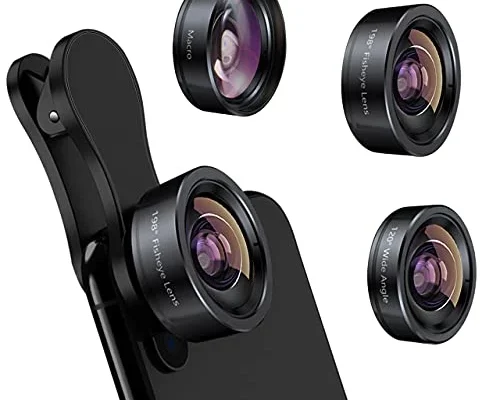
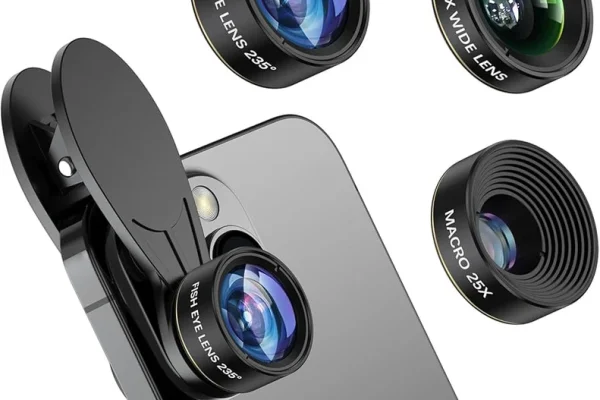
Smartphone macro lenses predominantly come as clip-on attachments, prized for their portability and affordability compared to professional dedicated macro equipment. These lenses vary widely in magnification, with common options spanning from 10x to as high as 21x. For instance, the Black Eye 3-Pack offers a selection of macro lenses catering to different magnification preferences, while the Xenvo lens is known for integrating adjustable LED ring lights to enhance illumination during extreme close-ups.
Magnification levels directly influence the minimum focusing distance — the closest distance at which the lens can maintain sharp focus. A 10x macro lens typically requires a working distance of around 20-30 millimeters, whereas a 21x lens demands even closer proximity, often less than 10 millimeters. This proximity can create shadows that degrade image quality, which is why some clip-on lenses incorporate built-in LEDs or are compatible with external ring lights to provide uniform lighting and reduce harsh shadows.
Brands like Olloclip focus on modular designs with multiple lens options, including wide-angle, telephoto, and macro lenses in one kit. Apexel offers a variety of clip-on lenses tailored for different smartphone models, maintaining compatibility across Android and iOS devices. The quality of glass and coatings on these lenses critically affects image sharpness, contrast, and bokeh rendering, with higher-end options approaching the optical clarity of dedicated DSLR macro lenses.
Technical Considerations in Macro Photography
Macro photography on smartphones involves navigating several optical and practical challenges, chief among them the minimum focusing distance and depth of field (DoF). As magnification increases, the DoF—the zone of acceptable sharpness—narrows dramatically, often measuring just a few millimeters. This makes precise focusing critical, especially when photographing living subjects like insects or intricate textures such as fabric weaves or plant surfaces.
The minimum focusing distance is a function of both the lens design and the sensor’s autofocus capabilities. Clip-on lenses effectively extend the smartphone camera’s optical system, allowing sharper focus at distances where the native lens would struggle. However, this can also introduce image distortions or vignetting if the lens quality is subpar or if the attachment is misaligned.
Optical quality impacts not only sharpness but also the nature of the bokeh—the aesthetic quality of the out-of-focus areas. Premium macro lenses, such as Leica Summilux lenses adapted to smartphone use via specialized mounts, deliver smoother bokeh and reduced chromatic aberrations. In contrast, budget clip-on lenses may produce softer edges or color fringing around high-contrast subjects.
Lighting remains a crucial element in macro photography, as the proximity of the lens to the subject often blocks ambient light, casting unwanted shadows. Integrated LED lighting on lenses like the Xenvo helps maintain consistent illumination, while portable ring lights or diffusers are popular accessories among macro photographers to enhance image clarity and color accuracy.
Smartphone Models with Advanced Macro Capabilities
Certain smartphones stand out for their native macro photography features, often complemented effectively by clip-on lenses. The Xiaomi Redmi Note 10 Pro, for example, features a 5MP dedicated macro sensor enabling detailed close-ups with minimal distortion. Xiaomi’s flagship, the 15 Ultra, pushes this further with advanced sensor technology and AI-assisted focusing algorithms that improve macro shot quality.
The Oppo Find X6 Pro and Vivo X200 Ultra also incorporate high-resolution macro cameras with sophisticated autofocus systems designed to capture fine details at close range. These models benefit from large sensor sizes and enhanced image processing, allowing macro images with better dynamic range and reduced noise compared to many competitors.
Samsung’s Galaxy S24 Ultra, while not always equipped with a dedicated macro sensor, achieves superior close-up photography through telephoto lenses with high optical zoom and computational photography enhancements. When paired with compatible clip-on macro lenses, the Galaxy S24 Ultra becomes a versatile tool for both wide and extreme close-up shots, albeit with some considerations around lens attachment and case removal.
Compatibility remains a practical concern. Many clip-on lenses require users to remove bulky phone cases to ensure secure attachment and proper alignment. High-end smartphones with curved edges or multiple rear cameras, such as the Vivo X200 Ultra, may present challenges in lens mounting, necessitating specialized adapters or universal clip designs.
Practical Usage Tips and Challenges
Photographers using clip-on macro lenses on smartphones frequently encounter difficulties related to fitting and handling. Due to the slim margins for attaching lenses near the camera module, thick phone cases often impede proper alignment or cause vignetting. Removing the case is generally recommended for optimal results but may reduce device protection during shoots.
Lighting management is another critical factor. The close proximity required for macro photography often blocks natural light, resulting in shadows that obscure details. Using lenses with built-in LED lights, such as the Xenvo lens, or supplementing with portable ring lights can dramatically improve image quality. Diffusers or reflectors help soften harsh lighting and control reflections on shiny subjects like jewelry.
Choosing the right magnification level depends on the subject. For insect photography, higher magnifications (around 15x to 21x) reveal intricate anatomy but demand steady hands or tripod stabilization due to the narrow depth of field. For textures or larger objects, 10x magnification offers a broader focus area and easier composition.
Practice and patience are essential, as macro photography magnifies even slight movements, making manual focus and image stabilization vital. Many smartphone camera apps now offer manual focus controls and macro modes to assist photographers in achieving sharp, detailed close-ups.
Comparison Between Clip-On Lenses and Built-In Macro Modes
Built-in macro modes on smartphones provide convenience and integration with the native camera software, often featuring autofocus optimized for close distances and computational enhancements like AI-based sharpening and noise reduction. However, these modes typically offer limited magnification, usually below 5x, and can struggle with extreme close-ups due to sensor limitations.
Clip-on macro lenses extend magnification capabilities well beyond built-in options, reaching up to 21x. This increased magnification comes with trade-offs in depth of field and lighting challenges but delivers greater creative flexibility. Additionally, clip-on lenses can be used across multiple devices, offering cost efficiency for photographers who upgrade phones frequently.
From a cost perspective, built-in macro modes entail no additional expense, whereas clip-on lenses range from budget-friendly kits like Black Eye’s 3-Pack to premium options from Olloclip or Xenvo, which may include lighting and multi-lens configurations. Convenience favors built-in modes, but serious macro photographers often find clip-on lenses indispensable for capturing fine details.
Future Outlook and Practical Recommendations for Smartphone Macro Photography

The evolution of smartphone camera technology continues to blur lines between dedicated cameras and mobile devices. Flagship smartphones increasingly incorporate multi-sensor arrays and AI-driven macro enhancements, narrowing the gap with clip-on lenses. However, optical limitations inherent to small sensors and fixed lenses ensure that external macro lenses will remain relevant for enthusiasts seeking ultimate detail.
Manufacturers are exploring hybrid solutions combining clip-on lenses with smartphone software to optimize focus stacking and real-time depth mapping, potentially reducing the challenges of shallow depth of field. Innovations in LED lighting integration and modular lens systems promise more user-friendly and versatile macro photography setups.
For users deciding between smartphones with built-in macro features and clip-on lenses, the choice hinges on photographic goals and budget. Casual users benefit from flagship smartphones like the Xiaomi Redmi Note 10 Pro or Oppo Find X6 Pro with competent macro modes. Enthusiasts and professionals gain greater control and image quality through premium clip-on lenses with adjustable lighting and higher magnifications.
Expert review of clip-on macro lenses by Travis Vermilye offers comprehensive comparisons and field insights. Additionally, Digital Camera World’s buying guide details lens compatibility and technical specifications for various smartphone models.
FAQ

What magnification level is best for smartphone macro photography?
Magnification between 10x and 15x strikes a balance between detail and manageable depth of field, suitable for most close-up subjects like insects and textures. Higher magnifications (above 20x) provide extreme detail but require more precise focusing and lighting.
Are clip-on macro lenses compatible with all smartphones?
Compatibility varies depending on phone size, camera placement, and case thickness. Most clip-on lenses work with popular models like Xiaomi Redmi Note 10 Pro, Samsung Galaxy S24 Ultra, and Oppo Find X6 Pro, but users may need to remove cases or use adapters for proper attachment.
Do built-in macro modes on smartphones perform as well as clip-on lenses?
Built-in macro modes offer convenience and decent image quality for casual use but generally have lower magnification and less optical flexibility than clip-on lenses, which provide higher detail and specialized lighting options.
How does lighting affect smartphone macro photography?
Close proximity in macro shots often blocks ambient light, creating shadows and uneven illumination. Using clip-on lenses with integrated LEDs or external ring lights improves brightness, reduces shadows, and enhances color accuracy in macro images.
Can I use clip-on macro lenses with phone cases on?
Thick or bulky phone cases may prevent proper lens attachment or cause misalignment. Removing the case is typically recommended to ensure secure fit and optimal image quality during macro photography.