SnapRoamer.com – Symmetry in nature photography enhances visual appeal by presenting balanced and harmonious images that resonate with human perception of order and beauty. Capturing symmetry involves recognizing patterns such as reflections, mirrored landscapes, and radial designs in flora and fauna, then applying precise compositional methods to highlight these features. This tutorial guides photographers through identifying types of symmetry, practical capturing techniques, and compositional strategies to elevate their nature photography.
Mastering symmetry requires deliberate observation and technical skill, including the use of equipment like tripods for stability, aligning axes accurately, and adjusting camera settings for sharpness. Photographers also learn to balance symmetry with dynamic elements to avoid static or monotonous images. This comprehensive guide provides step-by-step instructions, troubleshooting tips, and illustrative examples to help practitioners develop an eye for natural symmetry and improve their photographic outcomes.
Understanding Types of Symmetry in Nature Photography
Symmetry in nature photography primarily manifests in three forms: horizontal, vertical, and radial symmetry. Each type offers unique visual effects and compositional opportunities.
horizontal symmetry occurs when an image is divided into two equal halves along a horizontal axis, often seen in reflections on water surfaces such as lakes, ponds, or calm rivers. This creates a mirror effect where the upper and lower parts of the photograph replicate each other, enhancing the sense of balance and tranquility. For example, mountain ranges reflected perfectly on lake surfaces exemplify horizontal symmetry.
Vertical symmetry divides the frame into left and right halves that mirror each other. This is common in natural subjects such as leaves, flowers, or animals viewed head-on. Vertical symmetry emphasizes the inherent bilateral balance found in many living organisms and natural formations, lending a sense of order and stability to the photograph.
Radial symmetry radiates from a central point outward, forming circular patterns that draw the viewer’s eye toward the center. Common examples include flowers with petals arranged in circles, spider webs, and certain shells or snowflakes. Radial symmetry introduces dynamic movement and complexity, contrasting with the calmness of horizontal and vertical symmetry.
Techniques to Identify Symmetry in Natural Environments
Locating symmetry in nature requires careful observation and familiarity with environmental elements that naturally exhibit balanced patterns.
Step-by-Step Guide to Capturing Symmetry in Nature Photography
Achieving visually compelling symmetry requires technical precision and thoughtful framing. Follow these steps to optimize your approach:
- Use a tripod to ensure camera stability, especially for low-light conditions or longer exposures.
- Select a lens appropriate for the scene, often a wide-angle for landscapes or macro lenses for detailed natural patterns.
- Carry a remote shutter release or set a timer to minimize camera shake.
- Align the camera so that the axis of symmetry (horizontal, vertical, or radial center) is centered in the frame.
- Use grid lines or the camera’s electronic level to assist in accurate alignment.
- Consider including natural framing elements like trees or rocks to emphasize symmetry and add depth.
- Choose an aperture that balances depth of field and sharpness, typically f/8 to f/11 for landscapes.
- Use a shutter speed suitable for the lighting; longer exposures can smooth water reflections but require a tripod.
- Set ISO to the lowest native setting to reduce noise, enhancing image clarity.
- Take several shots with slight variations in framing and exposure to increase options during post-processing.
- Experiment with different angles or heights to find the most compelling symmetrical composition.
- Use software to straighten horizons and correct minor misalignments.
- Crop images to reinforce symmetry axes.
- Adjust contrast and clarity selectively to highlight symmetrical elements without losing natural texture.
Framing and Composition Strategies to Enhance Symmetry
Effective framing amplifies the impact of symmetry by guiding viewer focus and balancing elements within the photograph.
Common Challenges and Troubleshooting Tips
Symmetry photography in nature can be demanding due to environmental and technical factors. Address common issues with these solutions:
Examples and Case Studies of Symmetry in Nature Photography
Analyzing iconic photos reveals practical applications of symmetry concepts:
These examples underscore the role of precise framing, appropriate equipment, and environmental conditions in successful symmetry photography.
Practical Exercises to Develop an Eye for Symmetry
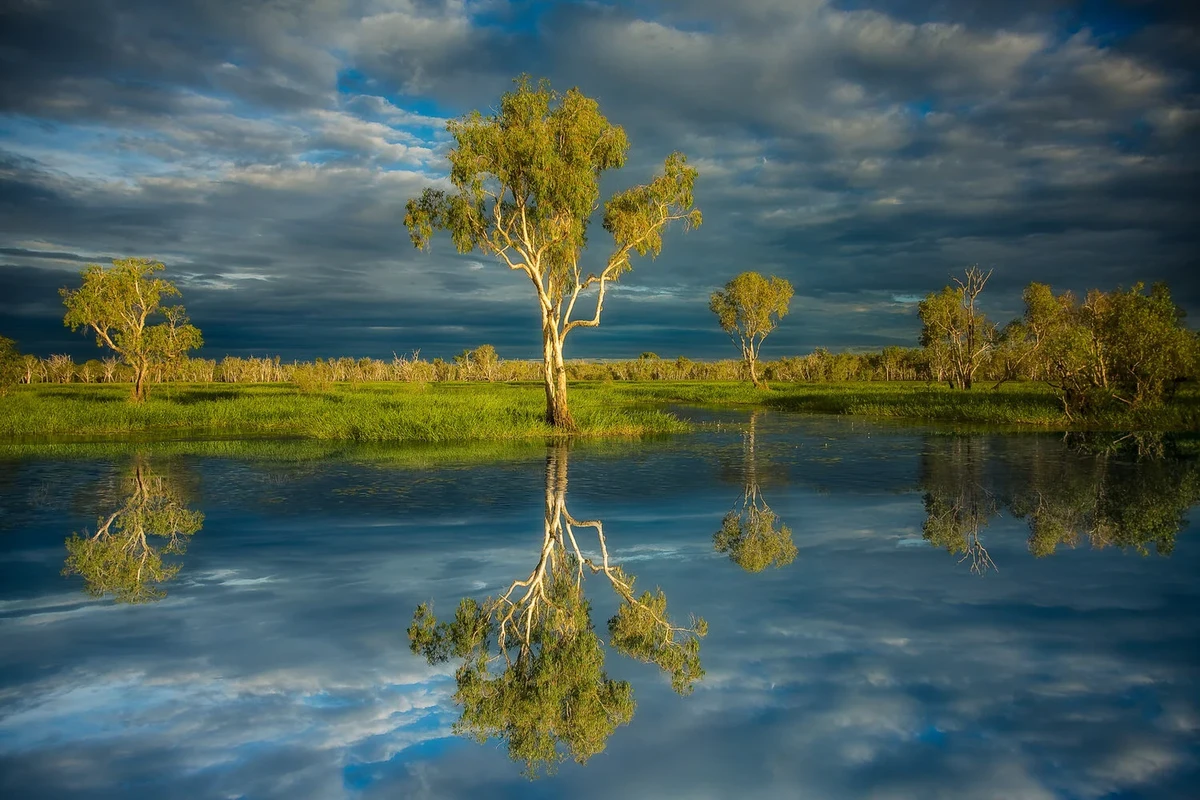
Regular practice sharpens the ability to identify and capture symmetry naturally:
Frequently Asked Questions About Symmetry in Nature Photography

How can I best capture reflections for horizontal symmetry?
To capture clear reflections, choose calm water surfaces during low wind conditions, typically early morning or late afternoon. Use a tripod for stability and adjust aperture (f/8–f/11) to ensure sharpness. Position the camera so the horizon line aligns precisely with the horizontal symmetry axis.
What camera settings work best for photographing radial symmetry?
Use a macro or telephoto lens to isolate radial subjects like flowers or spider webs. Select an aperture between f/5.6 and f/11 for sufficient depth of field while maintaining background blur. Manual focus or focus stacking enhances sharpness across the symmetrical pattern.
How do I avoid static or boring symmetrical photos?
Balance symmetry with asymmetrical elements such as foreground objects, natural framing, or dynamic subjects (e.g., animals or moving water). Adjust composition to include depth and leading lines, creating visual interest beyond mere symmetry.
Is it necessary to use a tripod when shooting symmetry in nature?
While not mandatory, using a tripod greatly improves stability and precision, especially for aligning symmetry axes and shooting in low light or with long exposures. It also facilitates consistent framing and reduces camera shake.
Can symmetry be combined with other compositional rules?
Yes, symmetry works well alongside other compositional principles like the rule of thirds, leading lines, and framing. Combining these techniques enhances balance and guides viewer attention effectively.
Symmetry in nature photography is a powerful compositional tool that, when skillfully applied, produces captivating and harmonious images. By understanding symmetry types, practicing targeted techniques, and refining framing strategies, photographers can elevate their work and engage viewers with visually balanced representations of the natural world. For further insights on symmetry concepts and creative compositional approaches, consult detailed resources such as nature symmetry photography techniques and advanced composition strategies.