SnapRoamer.com – Travelers increasingly seek picturesque destinations that combine visual appeal with cultural authenticity, moving beyond well-trodden tourist paths. Accessing these hidden gems requires strategic use of local knowledge, specialized digital tools, and immersive approaches that reveal the richness of lesser-known locales. Platforms like Elsewhere and Nanook enable personalized travel planning through expert local insights, while databases such as the UN Tourism Village catalog authentic villages worldwide, offering travelers alternatives to crowded hotspots. Meanwhile, Atlas Obscura curates unusual and under-the-radar destinations, facilitating discovery of unique photographic and scenic experiences. This article examines practical methods and authoritative resources that empower travelers to locate and experience visually stunning, culturally rich places globally.
Local expertise remains pivotal for uncovering authentic and scenic travel spots. Elsewhere connects travelers directly with local guides who tailor itineraries to individual interests, emphasizing hidden locations often omitted from mainstream guides. Nanook, boasting over 3,000 local experts across continents, provides personalized recommendations that integrate cultural nuances and insider knowledge. These platforms leverage human experience to offer contextually rich travel plans, enhancing opportunities for cultural immersion and photographic exploration. Travel specialists contribute further by combining word-of-mouth insights with professional expertise, enabling travelers to uncover destinations such as Samnaun in Switzerland, renowned for alpine charm, or Huacachina in Peru, a desert oasis famed for its surreal landscapes.
Digital resources have transformed the landscape of off-the-beaten-path travel planning. Atlas Obscura’s extensive database catalogs thousands of unique destinations, including natural wonders, cultural landmarks, and quirky locales that defy typical tourist patterns. Its emphasis on storytelling and user-generated content enriches understanding of the places listed, encouraging exploration of sites like the Cliffs of Moher in Ireland or the historic city of Bruges in Belgium. Complementing this, the UN Tourism Village Database specializes in authentic rural settlements, searchable by interests such as sustainability, cultural heritage, or scenic beauty. This tool highlights villages like Antigua in Guatemala and remote communities in Bavaria’s Romantic Road region, facilitating discovery of picturesque spots integrated with local traditions and festivals.
Social media platforms and online communities serve as dynamic hubs for real-time travel advice and insider tips. Destination-specific Facebook groups connect travelers with residents who share firsthand knowledge about lesser-known attractions, seasonal events, and hidden scenic routes. Effective engagement in these groups involves asking targeted questions about photography hotspots, cultural festivals, and transport logistics. Travelers benefit from localized recommendations, such as best times to visit the Li River in China for optimal photographic lighting or unique viewpoints in Rocky Mountain National Park, USA. These interactions supplement structured databases with nuanced, up-to-date insights reflecting evolving local conditions and emerging travel trends.
Picturesque travel destinations span a diverse range of environments, from urban canals to natural landscapes. European highlights include Bruges, whose medieval canals and cobbled streets offer timeless photographic opportunities, and Bavaria’s Romantic Road, a scenic route connecting castles, vineyards, and historic villages. Lake Como in Italy provides a blend of mountainous vistas and tranquil waterscapes favored by photographers. Asia’s Li River features dramatic karst formations and traditional fishing scenes, while Angkor Wat in Cambodia presents an unparalleled fusion of architectural grandeur and spiritual heritage. Natural wonders such as Peru’s Huacachina desert oasis and Ireland’s Cliffs of Moher deliver striking contrasts between rugged terrain and serene beauty. North America’s Rocky Mountain National Park offers diverse ecosystems and panoramic mountain views, appealing to both hikers and photographers.
Successful identification and capture of picturesque locations depend on combining cultural immersion with strategic timing and preparation. Early morning visits often yield softer natural light and fewer crowds, enhancing photographic conditions and authentic experiences. Seasonal considerations, such as avoiding monsoon periods or aligning visits with local festivals, optimize both visual appeal and cultural engagement. For example, attending cultural festivals in Antigua, Guatemala, enriches travel narratives while providing vibrant photo opportunities. Photographers and travelers are advised to research local customs and environmental factors, balancing respect for communities with the pursuit of compelling imagery and meaningful interaction.
Integrating technology with local insight fosters memorable and visually rewarding travel experiences. Emerging travel planning tools that connect users with local experts, complemented by databases emphasizing authenticity and unique cultural contexts, empower travelers to curate personalized journeys. Active participation in social media communities further refines destination choices and logistical planning, ensuring awareness of current conditions and insider opportunities. By embracing a holistic approach that values hidden gems alongside iconic landmarks, travelers can achieve enriched cultural understanding and capture breathtaking images in diverse global settings.
Leveraging Local Expertise for Authentic Travel Experiences
Platforms such as Elsewhere and Nanook have revolutionized how travelers access local knowledge, providing bespoke itineraries grounded in expert experience. Elsewhere’s model emphasizes personalized connections, linking visitors with locals who craft travel plans that incorporate hidden scenic locations and cultural nuances. Nanook extends this concept globally, offering a network of over 3,000 experts who provide tailored advice on destinations ranging from remote villages to metropolitan districts. This approach counters generic travel recommendations by prioritizing depth over breadth, enabling discovery of places like Samnaun, a Swiss alpine village known for its untouched landscapes and traditional customs, or Huacachina, a Peruvian desert village offering unique sand dune vistas.
Travel specialists and local guides further enrich travel planning by sharing word-of-mouth information often inaccessible through digital means. These experts possess intimate knowledge of regional histories, seasonal events, and photographic vantage points. Their recommendations often include scenic routes and culturally significant sites overlooked by mass tourism, supporting sustainable tourism practices and authentic interactions. For instance, Bavarian travel specialists may suggest lesser-known stops along the Romantic Road, such as quaint wine villages or secluded forest trails, enhancing traveler engagement with the region’s cultural fabric.
Digital Resources for Discovering Hidden and Picturesque Destinations
Atlas Obscura stands as a leading online resource for travelers seeking unconventional destinations. Its comprehensive listings blend natural wonders with cultural oddities, providing detailed descriptions, historical context, and visitor tips. This platform’s user-generated content allows for continuous updates and diverse perspectives, making it invaluable for identifying scenic locations like the Cliffs of Moher, offering dramatic coastal views, or Bruges, whose medieval architecture fosters a uniquely photogenic urban landscape.
The UN Tourism Village Database complements Atlas Obscura by focusing on authentic rural settlements worldwide. This database classifies villages by interests such as cultural heritage, scenic beauty, and sustainability, supporting travelers in locating destinations that align with personal values and aesthetic preferences. Villages like Antigua in Guatemala, recognized for colonial architecture and vibrant markets, or remote Bavarian communities along the Romantic Road illustrate the database’s emphasis on cultural immersion and picturesque environments. By integrating these resources, travelers can craft itineraries that balance popular landmarks with off-the-beaten-path discoveries.
Harnessing Social Media and Online Communities for Insider Travel Tips
Destination-specific Facebook travel groups have emerged as critical nodes for obtaining localized, current travel information. By joining groups focused on particular regions or interests, travelers access real-time advice on hidden scenic spots, transportation options, and festival schedules. Engaging effectively involves posing clear questions related to photography locations, cultural experiences, or logistical challenges, fostering dialogue with residents and seasoned visitors.
For example, inquiries about the best vantage points for capturing sunrise over the Li River can yield recommendations for specific boat tours or secluded riverbanks, while questions about hiking trails in Rocky Mountain National Park often lead to suggestions for less crowded paths with exceptional views. These digital communities enhance traditional travel resources by providing dynamic, grassroots knowledge essential for discovering and experiencing picturesque locations authentically.
Iconic and Lesser-Known Picturesque Destinations to Inspire Travel
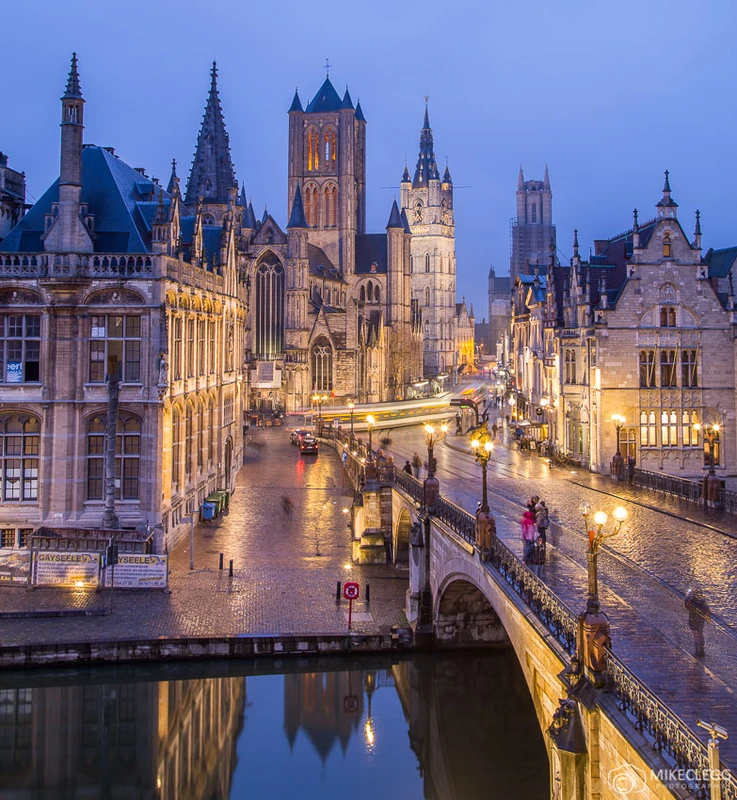
European destinations offer a rich palette of scenic and cultural experiences. Bruges’ network of canals and preserved medieval architecture create a postcard-perfect setting that attracts photographers and cultural enthusiasts alike. Bavaria’s Romantic Road traverses diverse landscapes, from rolling vineyards to historic castles, offering varied photographic subjects and immersive cultural encounters. Lake Como combines alpine peaks with serene lake vistas, favored for luxury tourism and nature photography.
Asia and the Americas contribute their own unique scenic treasures. The Li River in China showcases towering karst formations reflected in tranquil waters, a setting popularized in traditional Chinese art. Rocky Mountain National Park features rugged mountain terrain, alpine lakes, and diverse wildlife, appealing to nature photographers and hikers. Huacachina in Peru provides a stark desert oasis environment, with sand dunes suitable for adventure photography. Additionally, cultural hotspots like Antigua in Guatemala and Angkor Wat in Cambodia offer intricate historical architecture and vibrant local traditions, enhancing the travel experience beyond natural scenery.
Practical Strategies for Identifying and Capturing Picturesque Travel Spots
Combining cultural immersion with scenic exploration maximizes the appeal of travel destinations. Early morning light conditions offer softer illumination and reduced tourist presence, improving photographic outcomes and personal experience. Seasonal awareness is critical; visiting during local festivals, such as Antigua’s Semana Santa celebrations, enriches cultural context and photographic opportunities.
Travelers should research local customs to ensure respectful engagement and avoid disruption. Understanding environmental factors, such as weather patterns and daylight hours, supports optimal timing for visits. Photographers benefit from scouting locations ahead of time via online resources and local advice, enabling efficient use of limited travel periods to capture compelling images that reflect both natural beauty and cultural vibrancy.
Future Directions: Integrating Technology and Local Insight for Enriched Travel
The convergence of advanced travel planning tools with localized expertise heralds a new era in discovering picturesque and culturally rich destinations. Platforms like Elsewhere and Nanook exemplify how technology can facilitate meaningful connections between travelers and local experts, fostering authentic experiences. The ongoing development and refinement of databases such as the UN Tourism Village and Atlas Obscura provide structured yet expansive resources for discovering unique travel spots.
Social media’s role in disseminating real-time, user-generated insights will continue to grow, enhancing travelers’ capacity to navigate complex destinations and emerging trends. Emphasizing sustainable tourism and cultural preservation, these technologies and communities encourage responsible exploration that benefits both visitors and host locales. Future travelers equipped with these integrated tools can expect more personalized, immersive, and visually rewarding journeys.
| Resource | Primary Function | Key Features | Example Destinations |
|---|---|---|---|
| Elsewhere | Connects travelers with local experts for personalized itineraries | Tailored travel plans, local insider knowledge, cultural immersion | Samnaun (Switzerland), Huacachina (Peru) |
| Nanook | Access to over 3,000 local travel specialists worldwide | Expert recommendations, customized advice, global coverage | Bavaria (Germany), Rocky Mountain National Park (USA) |
| Atlas Obscura | Database of unusual and under-the-radar destinations | User-generated content, storytelling, unique sites | Cliffs of Moher (Ireland), Bruges (Belgium) |
| UN Tourism Village Database | Catalog of authentic villages searchable by interests | Sustainability focus, cultural heritage classification | Antigua (Guatemala), remote Bavarian villages |
FAQ
How can I find lesser-known picturesque destinations for travel photography?
Using platforms like Elsewhere and Nanook connects you with local experts who recommend hidden scenic spots. Additionally, exploring Atlas Obscura and the UN Tourism Village Database helps identify unique locations beyond popular tourist routes.
What are the benefits of joining local travel Facebook groups?
Local Facebook groups provide real-time insights, insider tips, and up-to-date information about hidden gems, seasonal events, and logistical details directly from residents and experienced travelers, enhancing trip planning and on-site decision-making.
Which digital resources are best for authentic cultural travel planning?
The UN Tourism Village Database offers extensive listings of authentic villages focused on cultural heritage and sustainability. Combined with Nanook’s expert network and Atlas Obscura’s unique destination catalog, these resources support immersive and responsible travel.
What are some examples of picturesque off-the-beaten-path destinations?
Notable examples include Samnaun in Switzerland’s Alps, Huacachina desert oasis in Peru, Bavaria’s Romantic Road villages, and the Li River in China. These locations offer stunning landscapes coupled with cultural richness.
How can travelers optimize their photography at scenic locations?
Visiting early in the morning for soft light, aligning trips with seasonal festivals, and researching local environmental conditions improve photographic outcomes. Engaging with locals for insider knowledge further enhances the experience.
Travelers seeking to enrich their journeys with visually striking, culturally authentic experiences should integrate local expertise, digital tools, and community engagement into their planning. This multifaceted approach not only reveals hidden gems but also fosters sustainable and meaningful exploration across diverse global destinations.
For further insights on uncovering hidden travel gems, see Clumsy Girl Travels on finding hidden gems and explore expert advice on using the UN Tourism Village Database with Conde Nast Traveler.