SnapRoamer.com – Ethical travel photography is shifting from a purely legalistic ‘right to shoot in public’ toward a framework of dignity and communal consent. Experts argue that true ethical practice requires moving beyond mere legality to prioritize the autonomy of subjects, particularly when documenting Indigenous cultures or vulnerable populations. The United Nations Declaration on the Rights of Indigenous Peoples explicitly states that Indigenous peoples have the right to establish their own media in their own languages.
The shift from legal rights to cultural dignity
Ethical travel photography requires a ‘Consent Hierarchy’ that distinguishes between casual verbal nods for social media, formal written model releases for commercial use, and communal consent from village elders or leaders when photographing Indigenous groups to ensure cultural dignity and prevent stereotyping.
The Three Tiers of Consent
Photographers must navigate the tension between legal permission and communal respect. A failure to distinguish these levels often leads to the violation of privacy and autonomy during nonconsensual street photography. To maintain ethical standards, practitioners should categorize their interactions into three distinct levels:
- Casual Consent: Simple verbal agreement or a non-verbal nod for non-commercial social media posts.
- Commercial Consent: Formal, written model releases required for any profit-driven use.
- Communal Consent: Seeking permission from village elders or local leaders before documenting Indigenous groups.
Why Legality Does Not Equal Ethics
It is a counterintuitive claim that being legally allowed to take a photo makes the act ethical. While street photography’s nonconsensual nature can raise concerns about privacy and autonomy, the law often provides a shield that ethics do not. For example, a photographer might follow the technical steps found in a manual like The Street Photographer’s Manual , but technical proficiency does not mitigate the potential for causing harm to a subject’s dignity. Even if a photographer avoids a 7-year prison sentence or a 50 million won fine for specific legal infractions, they may still fail the ethical test of respect.
Dismantling media-based prejudice through Indigenous storytelling
Indigenous media professionals are working to dismantle media-based prejudice. By using Indigenous Storytelling, they ensure that Indigenous cultural diversity is represented through factual, dignified, and ethical narratives.
The Role of Nikki Iyolo Sanchez and Rivera Zea
Nikki Iyolo Sanchez, an Indigenous media maker and Ph.D. Candidate, emphasizes the power of self-representation. Rivera Zea, a journalist and founder of Chirapaq (Center of Indigenous Cultures of Peru), also supports this cultural reaffirmation. These professionals argue that when Indigenous peoples control their own narratives, the impact on global perception is profound.
Combatting Stigmatization via Representation
Using the technique of Indigenous Storytelling, creators focus on accuracy to prevent the reinforcement of harmful stereotypes. Nikki Iyolo Sanchez noted the importance of this shift, stating:
“When the content made by Indigenous peoples for Indigenous peoples is seen and heard, it helps to broaden social perspectives, combat stigmatization and promote better understanding that leads to respect and curiosity, which according to Sanchez, “ultimately creates a more vibrant and interesting world for everyone.”
This method addresses the risk of breaking media representation of Indigenous groups. By prioritizing the subject’s agency, photographers can help move away from the “othering” of cultures.
The legal reality of street photography in public spaces
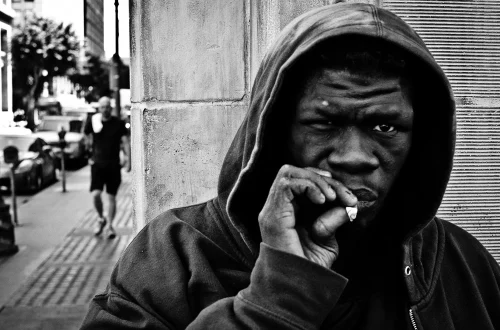
Legal precedent often favors the photographer. As courts regularly uphold that individuals have no right to privacy in public places, there is little, if any, legal action that can be taken against a street photographer for capturing candid moments.
Susan Sontag described this specific role of the photographer, noting that the practitioner acts as a “voyeuristic stroller” who views the city as a landscape of extremes. This tension between the legal right to capture an image and the moral obligation to respect an individual’s space remains a central conflict in the field.
Comparing photographer roles and objectives
Different photographic disciplines require different ethical approaches. The following table compares the primary motivations and ethical considerations of two major types of photographers.
| Photographer Type | Primary Focus | Ethical Nuance |
|---|---|---|
| Street Photographer | People and behavior in public spaces | Navigating the tension between spontaneity and individual privacy. |
| Social Documentary / Photojournalist | Capturing newsworthy events or social issues | Ensuring accuracy, dignity, and informed consent from subjects. |
While street photographers focus on people and behavior in public, social documentary photographers and photojournalists aim to capture newsworthy events. This distinction requires the latter to adhere to higher standards of accuracy and informed consent.