SnapRoamer.com – The best smartphone macro lenses for travel range from budget-friendly clip-on kits like the Xenvo Pro ($39.00) to high-end specialized hardware. For most travelers, a versatile clip-on kit provides the best balance of portability and magnification, though some flagship phones offer powerful native telephoto macro alternatives.
One traveler reported that the Xenvo Pro Lens Kit was the “best 30 something bucks” they ever spent during a trip to Panama.
Decision Matrix: Clip-on Lenses vs. Native Telephoto Macro
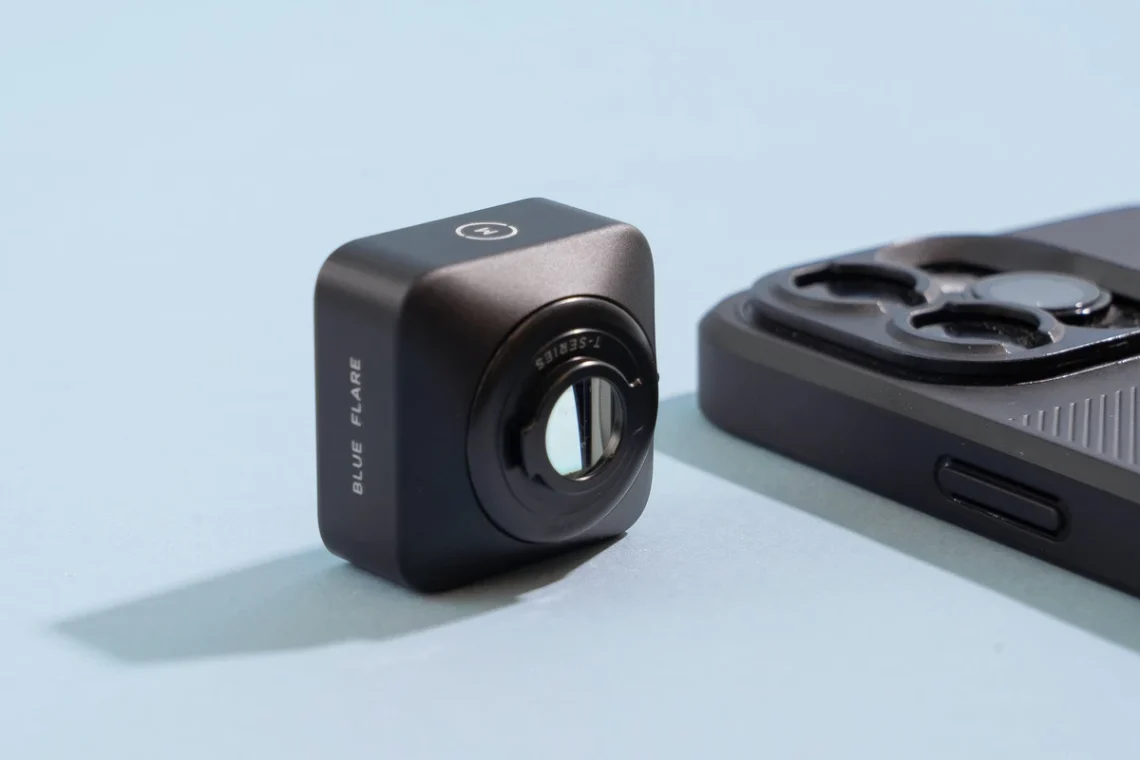
Choose a clip-on macro lens (like APEXEL or Xenvo) if you need high magnification (10x+) on a budget phone. Opt for native telephoto macro if you want seamless software integration and better image quality without physical attachments, provided your phone supports high-resolution telephoto macro.
Hardware selection depends on the magnification required for your subject. While users often seek digital convenience, the iNaturalist Community Forum notes that “the quality isn’t generally going to be as good as a dedicated macro lens,” and users seeking more than 1:2 or 1:1 magnification may require different solutions. Additionally, a diopter situation can introduce distortion around the periphery of the photo because lenses are not perfectly paired.
When to use physical magnification
Physical clip-on lenses are the preferred choice for extreme close-ups. When a user requires 10x magnification or higher, a dedicated diopter is often necessary to achieve the required scale. For example, specialized kits can transform a standard sensor into a high-power macro tool, though the iNaturalist Community Forum notes that quality may drop if you require magnification beyond 1:2 or 1:1.
The limitations of digital cropping
Relying on software-based macro modes can be problematic. While flagship devices attempt to bridge the gap, using an ultra-wide lens for macro is a common practice that, according to some analysts, does not always yield the best results. Digital cropping often results in a loss of resolution and can introduce noise that ruins the fine textures of an insect or plant.
| Lens Type | Best For | Typical Magnification | Price Range |
|---|---|---|---|
| Clip-on Kits | Budget phones/extreme macro | 10x – 15x | $30 – $50 |
| Flagship Native | Seamless travel use | Variable (5x+) | Included with phone |
| Dedicated Camera | Professional results | High (1:1+) | $600+ |
This comparison highlights how budget kits like Xenvo offer extreme magnification for a low cost, whereas flagship hardware relies on sophisticated sensor arrays.
Top Rated Clip-on Macro Lens Kit for Travelers
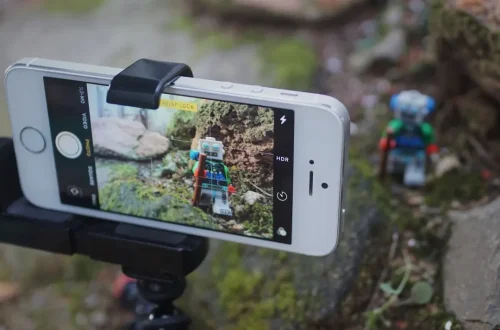
Travelers often utilize clip-on kits to document nature during transit. These tools allow for rapid deployment in the field without the weight of a dedicated DSLR.
- The Budget King: Xenvo Pro
Available for $39.00, this kit is highly regarded for its portability and ease of use during travel. - The Professional Choice: APEXEL
Often priced around $36.98, APEXEL lenses are a staple for those needing specialized macro photography capabilities. - Versatility Packs: Black Eye
These kits typically offer a variety of lenses, including telephoto options, to provide more creative flexibility. - High-End Options: Sirui
Sirui provides high-quality macro lenses designed for users who require more precision than standard clip-on kits.
Most modern macro lenses are not limited to macro distances. You can use them for things that are further away, too.
Flagship Hardware: Native Macro Capabilities
Modern flagship smartphones integrate macro capabilities directly into their hardware. The effectiveness of these modes depends on the specific sensor and lens configuration.
The Xiaomi 17 Ultra utilizes a 200MP telephoto lens to achieve impressive macro performance. By utilizing a focal length in the 75-100mm range, it allows users to capture detail without getting uncomfortably close to the subject. This “tele-macro” approach is a significant advantage for travelers who want to maintain a natural perspective. Conversely, the Google Pixel 10 Pro relies on its 48MP ultra-wide lens to facilitate macro autofocus. While this allows for a minimum focus distance of approximately 3cm, some analysts suggest that the ultra-wide approach does not always yield the highest image quality compared to dedicated telephoto macro hardware.
A higher megapixel count does not automatically guarantee better macro shots. Physical aperture and the ability to maintain focus at close distances remain critical factors.
Compatibility Warning: Avoiding Lens Interference
Using clip-on lenses requires attention to the physical design of the smartphone. Improper alignment can cause significant usability issues.
Thick phone cases often cause incompatibility or prevent the lens from centering correctly. This can lead to peripheral distortion or a completely blacked-out display. If a clip-on lens is placed incorrectly on devices with periscope-style telephoto lenses, it may block the primary sensor, resulting in a black screen during capture.
Mastering the Shot: Focus and Lighting Techniques
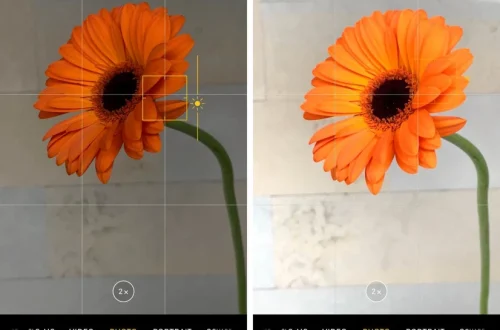
To mitigate blur, use focus lock to prevent the camera from hunting. Alternatively, record in video mode to find sharp frames, as the iNaturalist Community Forum suggests this provides a greater chance of getting frames in focus.
macro photography is sensitive to movement. Even a slight tremor can ruin a high-magnification shot. To maintain sharpness, practitioners recommend the following techniques:
- Use Focus Lock: Tap and hold the screen to lock the focus on your subject. This prevents the camera from constantly attempting to autofocus, which is a common cause of blurry images.
- Video Frame Extraction: If you are having trouble getting a sharp still image, record a video in high resolution and then extract the best frame. This often yields a sharper result than a single attempted photo.
- Manual Focus Adjustment: On advanced devices like the Xiaomi 17 Ultra, manually adjusting the focus settings can bypass automatic detection issues.
Shortcut: To quickly capture a frame, record in 4K video mode and use the “Extract Frame” function in your gallery app.
Providing more light is one of the best ways to improve macro shots. When working at extremely close distances, the phone itself can cast a shadow on the subject. Using an external LED light source helps illuminate the subject from the side, preventing the device from obstructing the light path.
FAQ
Why are my macro photos blurry?
Blurry images often result from lens misalignment or constant autofocus hunting. Use Focus Lock or record in Video Mode to extract a sharp frame.
Can I use macro lenses for things further away?
Yes, most modern macro lenses are not limited to macro distances and can be used for modest telephoto photography.
Will a clip-on lens work with my phone case?
Thick cases can prevent the lens from centering correctly, which may lead to peripheral distortion or blacked-out shots.