SnapRoamer.com – Selecting a smartphone photography case requires balancing physical protection with optical integrity. While rugged cases like Otterbox offer maximum impact resistance, they can cause thermal throttling during 4K recording or interfere with LiDAR and autofocus. For specialized needs, underwater housings like Kraken Sports provide depth ratings up to 85 meters, though they require strict seal maintenance.
A lens protector can mess with your auto-focus and create blurry images, or cause bad reflections.
The Photography Interference Matrix: Impact on Sensors and Optics
Smartphone photography cases affect image quality through three main interference vectors. These include optical interference from lens protectors, thermal interference during 4K video, and sensor interference where case thickness blocks LiDAR or depth sensors. Prioritize cases with raised bezels rather than glass lens covers.
The Autofocus Trap: Why glass covers fail
Many users attempt to add an extra layer of security via glass lens covers, but this often results in a technical failure. According to SANDMARC, a lens protector can mess with your auto-focus and create blurry images, or cause bad reflections. This happens because the secondary glass layer can refract light in ways the internal sensor did not expect, disrupting the phase-detection autofocus system.
LiDAR and Flash Glare: The thickness problem
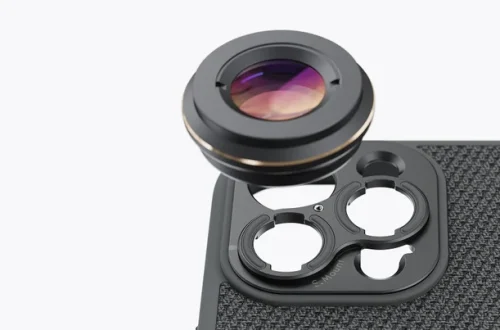
Modern smartphone photography relies on complex sensor arrays. The thickness of a poorly designed case can obstruct these critical components. To prevent this, focus on the physical geometry of the case. A raised bezel acts as a camera’s VIP section, guarded against scratches and bumps. High-quality phone cases with superior camera protection lower the risk of scratches and cracks by ensuring the lens never makes direct contact with surfaces.
- Optical Interference: Glass covers causing autofocus drift or light refraction.
- Thermal Interference: Insulation from heavy materials during high-bitrate video.
- Sensor Obstruction: Thick bezels blocking LiDAR or depth-sensing modules.
Thermal Throttling and Ergonomics in Heavy-Duty Cases
Heavy-duty protection often comes at the cost of heat dissipation. When recording high-resolution video, the internal processor generates significant thermal energy that must escape through the device’s chassis. Ruggedized cases act as thermal insulators, potentially leading to performance drops. This phenomenon, known as thermal throttling, occurs when the system reduces clock speeds to prevent hardware damage, often causing dropped frames in 4K video capture.
Otterbox is the gold standard in ruggedness, providing extreme impact resistance for demanding environments. However, this protection increases the device’s footprint and weight. For instance, the OtterBox Defender case weight is 4.3 lbs in specific heavy-duty kit configurations. Such bulk can shift the center of gravity when using handheld stabilizers or gimbals.
Heat Dissipation during 4K Video Capture
When the device enters a high-temperature state, users may notice the screen dimming or the camera app lagging. This is a direct result of the heat trapped by thick, multi-layered protective shells. In extreme cases, the device may shut down the camera module entirely to protect the internal circuitry.
Grip Stability vs. Case Bulk
While bulk increases the risk of thermal throttling, it often improves ergonomics through textured surfaces. A textured surface boosts grip and adds an extra layer of protection by dispersing impact forces. This prevents the phone from slipping during one-handed operation, a critical factor for mobile photographers working in unpredictable environments.
Rugged Protection vs. Professional Accessory Ecosystems
The choice between a standard protective case and a professional ecosystem depends on the user’s specific workflow requirements. Some cases focus purely on impact, while others serve as a mounting platform for professional-grade gear.
| Manufacturer | Primary Use Case | Key Feature/Spec | Protection Level |
|---|---|---|---|
| Otterbox | Extreme Ruggedness | Industry Standard Durability | High |
| Spigen | Everyday Protection | Slim Profile | Moderate |
| Ringke | Balanced Utility | Lanyard Attachment | Military-Grade |
| Peak Design | Modular Creation | Quick-Release Mounting | Moderate |
| Custom Envy | Customization | 10ft Drop Protection | High |
The comparison above highlights the trade-offs between pure durability and functional modularity. While Otterbox dominates the rugged segment, other brands cater to specific creative niches.
The Modular Creator: Peak Design and Ecosystems
Peak Design Mobile represents a shift toward modularity. This system uses a small rounded-square depression on the back of the case for modular accessory mounting. This allows photographers to quickly switch between tripods, capture plates, and lights using a quick button release system.
The Ultra-Rugged User: Otterbox and Custom Envy
For users prioritizing impact resistance above all else, Custom Envy offers specialized protection, including 10ft drop protection that is MIL-STD-810G certified. These cases are designed for durability, supporting over 200+ phone models and offering 300+ DPI printing for high-quality customization. In contrast, the Ringke Onyx is by far the cheapest on our list, yet still offers military-grade drop protection, wireless charging and a lanyard attachment point, according to Digital Camera World.
Underwater Photography: Depth Ratings and Seal Integrity
Selecting the right underwater smartphone housing is essential for capturing high-quality underwater content. Unlike standard waterproof cases, professional housings provide a pressurized environment that allows the user to maintain full control over the device’s camera functions. Failure to use a pressure-rated housing can lead to immediate water ingress and catastrophic hardware failure.
Choosing by Depth: From Pools to Open Ocean
Depth ratings vary significantly across manufacturers. For shallow photography, a GoPro Protective Housing is rated for 196 feet. For deeper excursions, the Kraken Sports KRH08 provides a depth rating of 85 meters (279 feet). For those requiring even more extreme capability, the Isotta Smartphone Housing is rated for 100 meters.
Critical Failure Modes: Salt, Sand, and Seal Degradation
Even the most expensive housing can fail due to environmental factors. The most common failure modes include:
- Salt Crystallization: Salt residue on seals prevents a watertight closure.
- Sand Ingress: Microscopic grains can puncture rubber gaskets.
- Touch Sensitivity Loss: Using gloves or improper screen protectors can make the interface unusable under pressure.
Material Science: Aluminum vs. Plastic Resins
The material composition of a case dictates its ability to protect against physical stress and manage heat. While most consumer cases utilize high-density plastic resins, professional-grade equipment often turns to metals. Aircraft-grade aluminum provides the torsion resistance and thermal stability that plastic resins can’t match.
Torsion Resistance in Professional Transport
When transporting expensive camera gear, torsion resistance is vital to prevent the device from bending under pressure. Aluminum cases, such as those produced by Aleon, provide a level of structural rigidity that prevents the phone’s chassis from warping. This is a critical requirement for professionals who move equipment between different environments frequently.
Thermal Management Benefits
Metal surfaces act as a more efficient heat sink than plastic. In environments where the device is under heavy load—such as continuous video recording—aluminum can assist in pulling heat away from the internal components. This helps mitigate the thermal throttling issues common in thick, plastic-heavy rugged cases.
FAQ
Will a lens protector affect my smartphone’s autofocus?
Yes, lens protectors can interfere with autofocus mechanisms and cause blurry images or unwanted reflections.
What is the best case for underwater photography?
For deep diving, Kraken Sports KRH08 offers up to 85 meters (279 feet), while Isotta housings can reach 100 meters.
How do I prevent my waterproof case from leaking?
Ensure proper installation of seals and be wary of salt crystallization and sand ingress, which are common failure modes for watertight seals.