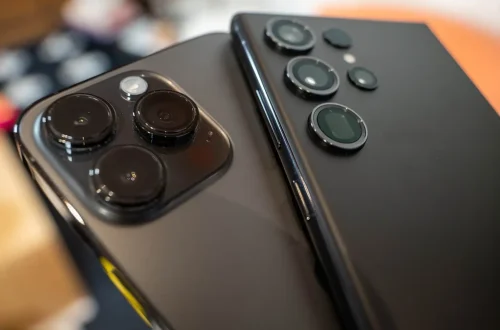
SnapRoamer.com – Smartphone photography lenses have transformed mobile imaging by expanding creative horizons beyond the constraints of built-in cameras. As flagship devices like the iPhone 16 and the upcoming iPhone 17 push sensor and computational limits, external lenses offer optical enhancements that improve image sharpness, field of view, and artistic effects such as natural bokeh and extreme close-up detail. The market for clip-on lens kits and premium glass optics such as Moment, Apexel, and ShiftCam has grown substantially in recent years, reflecting rising user interest in elevating mobile photography quality comparable to DSLR capabilities. This article delves into the types of smartphone lenses available, their functional benefits, brand comparisons, and future trends shaping mobile photography accessories.
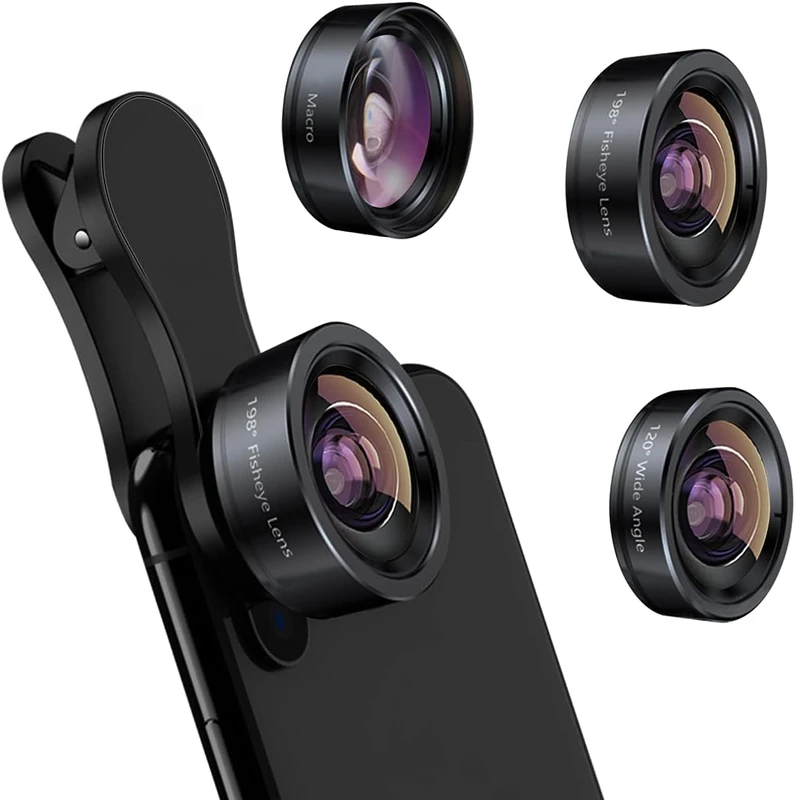
Wide-angle lenses for smartphones typically extend the field of view to between 100° and 200°, enabling users to capture expansive landscapes and architectural shots without resorting to panoramic stitching. Advanced designs minimize common wide-angle distortions like barrel curvature, preserving image integrity across the frame. Telephoto lenses, often offering 2x to 3x optical zoom, provide a critical advantage over digital zoom by maintaining detail and producing a natural background blur (bokeh) essential for portraiture. Macro lenses enable magnifications up to 200x, unlocking intricate close-up photography of textures, insects, or small objects that standard phone cameras cannot resolve. Specialty lenses, including fisheye, anamorphic, and polarizers, further diversify creative options for both stills and mobile videography.
Types of Smartphone Photography Lenses
Wide-angle lenses remain a staple for mobile photographers seeking to broaden their compositional possibilities. Unlike the fixed focal lengths embedded in smartphone cameras, external wide-angle lenses can capture up to 200° field of view, significantly expanding scene coverage. High-quality wide-angle optics from premium brands like Moment incorporate multi-element glass and anti-reflective coatings, which reduce chromatic aberrations and flare. Practical user tests show that Moment wide-angle lenses maintain edge-to-edge sharpness better than lower-cost alternatives, which often introduce noticeable softness and distortion near frame borders.
Telephoto lenses enhance smartphone photography by offering true optical zoom levels, typically ranging from 2x to 3x. This optical zoom capability prevents the pixelation artifacts common with digital zoom, delivering crisper, more detailed images. More importantly, telephoto lenses facilitate a shallow depth of field, allowing for natural bokeh effects that mimic DSLR portrait lenses. The TM6 TeleMacro lens, for example, integrates telephoto and macro functionalities in one unit, enabling both portrait and close-up photography with impressive clarity. Compared to built-in digital zoom, telephoto lenses preserve color fidelity and contrast, essential for professional-grade mobile photography.
Macro lenses achieve magnifications as high as 200x, enabling users to capture intricate details invisible to the naked eye. These lenses are designed to focus at extremely close distances, often just a few millimeters from the subject. Macro photography on smartphones reveals textures such as fabric fibers, insect wings, and water droplets with striking clarity. However, achieving sharp focus requires steady hands or stabilizing accessories due to the shallow depth of field at these magnifications. Brands like Apexel and ShiftCam offer macro lenses with multi-coated glass that reduce chromatic aberrations and maintain high resolution, outperforming many generic plastic lens kits.
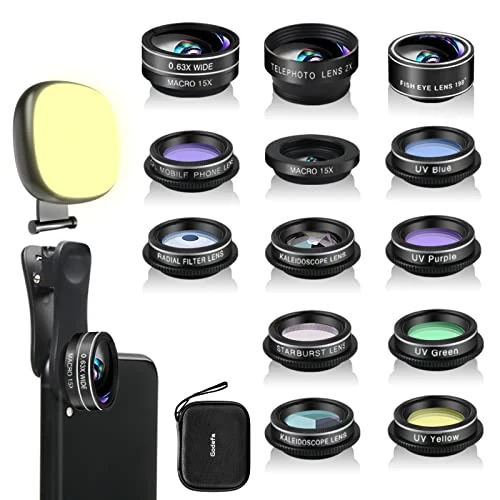
Specialty lenses such as fisheye and anamorphic lenses expand the artistic toolkit available to smartphone photographers. Fisheye lenses provide a hemispherical field of view, often around 180°, creating dramatic spherical distortion that emphasizes curvature and dynamic perspective. Anamorphic lenses compress the horizontal field of view, enabling cinematic widescreen video capture with characteristic lens flares and oval bokeh. Polarizer filters reduce reflections and enhance color saturation, particularly in outdoor photography. Many clip-on lens kits bundle these specialty lenses with wide-angle and macro options, offering versatility for creative experimentation.
Lens Kits and Brand Comparisons
The smartphone lens market features a spectrum of options from budget-friendly clip-on kits to high-end glass optics with dedicated mounting systems. Popular affordable kits such as the Criacr 9-in-1 and Apexel 10-in-1 bundles provide multiple lenses including wide-angle, macro, fisheye, and sometimes polarizers. These kits appeal to casual users seeking versatility at a low price point, usually under $50. However, these lenses often use plastic optics, which can introduce image softness, vignetting, and chromatic aberrations. In contrast, premium lens manufacturers like Moment and ShiftCam utilize multi-element glass optics with advanced coatings, delivering superior sharpness, color accuracy, and reduced distortion. Moment lenses typically retail from $100 to $200 per lens, reflecting their professional-grade construction.
Mounting systems significantly affect lens performance and usability. Clip-on lenses attach directly over the smartphone camera, offering quick installation but sometimes misaligning with multiple lenses or phone cases. Dedicated phone cases with integrated mounts, such as Moment’s T-Series and M-Series, provide precise alignment and secure attachment. These mounts facilitate quick lens swapping and maintain consistent optical performance, particularly important with multi-camera devices like the iPhone 16 Pro, which feature wide, ultra-wide, and telephoto cameras. User reviews highlight that mounting precision directly correlates with image sharpness and minimal vignetting.
Quality assessments by trusted sources such as Wirecutter and Locations Photography consistently favor premium glass lenses for optical performance, especially in telephoto and macro categories. Budget kits offer value for experimentation but often compromise on image fidelity. Users report that inexpensive clip-on lenses can exhibit flare and ghosting under strong light, whereas premium lenses with multi-coatings handle challenging lighting with greater resilience. The balance between price and performance is crucial, with photographers advised to invest in lenses aligned with their creative goals and shooting conditions.
Practical Implications for Smartphone Photographers
External smartphone lenses unlock creative flexibility by enabling focal length variation beyond native camera capabilities. Wide-angle lenses allow expansive landscapes and architecture shots without cropping or stitching, crucial for travel and real estate photography. Telephoto lenses facilitate portraiture with natural background blur, enhancing subject isolation and aesthetic quality. Macro lenses enable detailed close-ups for nature, product, and artistic photography, revealing textures and patterns unseen with standard cameras.
The optical quality of external lenses also enhances post-processing potential. Higher fidelity images with less distortion and chromatic aberration provide a cleaner base for editing software, enabling more effective color grading, cropping, and retouching. Additionally, video creators benefit from anamorphic and wide-angle lenses that add cinematic qualities and broaden framing options.
Portability and ease of use remain important considerations. Clip-on lenses are lightweight and convenient but may require frequent realignment. Dedicated mount cases offer stability and faster lens swapping but add bulk to the device. Photographers must weigh these factors against their usage scenarios—whether casual shooting, professional projects, or travel photography.
Investing in premium lenses is advisable for users prioritizing image quality and long-term durability. Budget kits serve as introductory tools for exploring different focal lengths and effects. Advances in smartphone camera sensor technology, such as those in the iPhone 16 and anticipated iPhone 17, complement external lenses, enhancing dynamic range and low-light performance synergistically.
Future Trends and Innovations in Mobile Lenses
Technological innovations in lens coatings, glass formulations, and mounting systems continue to push the boundaries of smartphone photography. New hydrophobic and anti-reflective coatings improve light transmission and reduce flare, resulting in sharper images with richer color contrast. Multi-element lens assemblies increasingly incorporate aspherical elements to minimize distortion across ultra-wide and fisheye lenses.
Integration between external lenses and smartphone software is evolving. AI-driven image stabilization and computational post-processing can compensate for minor optical imperfections, enhancing overall output quality. Future lenses may incorporate smart electronics for metadata communication, enabling automatic lens recognition and optimal camera settings adjustment.
Emerging lens designs include compact anamorphic lenses optimized for 4K and 8K mobile video, supporting cinematic production workflows. Modular lens systems with interchangeable elements and adjustable apertures promise greater creative control. Additionally, collaborations between smartphone manufacturers and lens makers aim to refine compatibility and user experience, especially as multi-camera arrays become standard.
Locations Photography analysis on smartphone lenses and Wirecutter’s expert lens reviews provide comprehensive insights into these developments, underscoring the growing sophistication of mobile photography accessories.
FAQ
What types of lenses are available for smartphone photography?
Smartphone lenses primarily include wide-angle, telephoto, macro, fisheye, and specialty types like anamorphic and polarizers. Each serves different creative purposes: wide-angle for expansive scenes, telephoto for optical zoom and portrait bokeh, macro for detailed close-ups, and fisheye or anamorphic for artistic distortion and cinematic effects.
How do telephoto lenses improve smartphone photography compared to digital zoom?
Telephoto lenses provide true optical zoom, magnifying the subject without pixelation or loss of detail typical in digital zoom. They also enable a shallow depth of field, creating natural bokeh effects important for portrait photography, which digital zoom cannot replicate authentically.
Are premium smartphone lenses worth the investment?
Premium lenses use high-quality glass, advanced coatings, and precise mounts, resulting in superior sharpness, color accuracy, and minimal distortion. For serious photographers or videographers, these qualities justify higher prices, while budget kits are suitable for casual users exploring various focal lengths.
What are the benefits of using dedicated phone cases with lens mounts?
Dedicated lens mount cases offer precise alignment, secure attachment, and faster lens swapping compared to clip-on systems. They reduce vignetting and optical artifacts caused by misalignment, particularly useful for phones with multiple rear cameras and complex lens arrays.
How do macro smartphone lenses enhance close-up photography?
Macro lenses allow focusing at very close distances with high magnification, revealing fine details otherwise invisible to standard smartphone cameras. They are ideal for capturing textures, small objects, and artistic compositions but require stable handling due to shallow depth of field.
smartphone photography lenses continue to evolve as essential tools for expanding creative and technical capabilities beyond built-in cameras. Understanding the functionality, quality differences, and mounting options empowers users to select lenses that align with their photographic ambitions and budget constraints, unlocking new possibilities in mobile imaging.