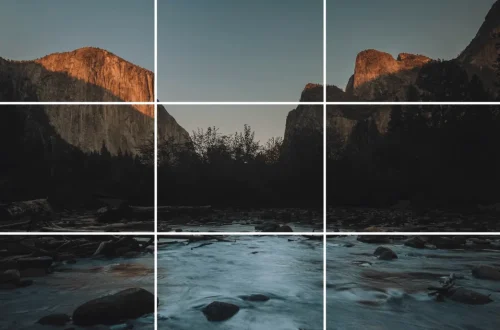
SnapRoamer.com – Framing is a compositional technique where elements within a scene create a border around the subject. As noted by DailyPhotoTips, photography is literally “writing with light,” and framing provides the necessary structure to guide the viewer’s eye and add depth. This process transforms a flat image into a structured visual narrative.
The Psychology of the Frame: Beyond Directing the Eye
Framing influences emotional responses through shape and weight. When the looking room—the space in front of a subject’s eyes—is reduced, the subject can feel cramped, pressured, or trapped. This technique can be a deliberate choice to convey anxiety or claustrophobia within the composition.
The placement of a subject within these borders dictates the perceived hierarchy of the image. According to Molly Bang, objects in the center of the frame have the most power. This central authority can command attention, but it can also lead to static compositions if not balanced by other elements. Framing serves a purpose far beyond mere decoration; it provides context and tells viewers something about a person or a place where the image was captured.
The power of central placement
Placing a subject in the center can establish a direct connection between the subject and the viewer. However, relying solely on central placement can result in a lack of movement. To counter this, photographers often use framing elements to lead the eye toward that central point of power.
Creating tension through reduced looking room
A common failure mode in composition occurs when the “looking room”—the space in front of a subject’s eyes—is improperly managed. As noted by researchers studying visual weight, when the looking room is reduced, the subject feels cramped, pressured, or trapped. This can be a deliberate choice to convey claustrophobia or anxiety, but in standard portraiture, it often results in an unintentional sense of discomfort.
- Empowered Subjects: Provide ample space in the direction the subject is facing.
- Trapped Subjects: Use tight, irregular frames to squeeze the subject.
- Dynamic Tension: Use asymmetrical frames to create a sense of movement.
Technical Troubleshooting: Managing High-Contrast Frames
A primary technical challenge arises when the framing elements are significantly darker or lighter than the subject itself. This can lead to blown-out highlights or crushed shadows. Managing these high-contrast scenarios requires a precise understanding of aperture and exposure.
A blurred frame can add mood and depth, provided the exposure is handled correctly. To achieve this, photographers must choose between different depth-of-field strategies. A large aperture allows for a shallow depth of field, turning foreground objects into soft, ethereal borders that do not compete with the subject’s sharpness. Conversely, a narrow aperture keeps the entire frame, from the immediate foreground to the distant background, in crisp focus, which is essential for providing environmental context.
When framing a subject through a dark doorway into a bright landscape, the camera’s meter may overexpose the subject to compensate for the dark frame. Always use spot metering or exposure compensation to ensure the subject remains correctly exposed, even if the frame falls into shadow.
| Aperture Setting | Visual Effect on Frame | Best Use Case |
|---|---|---|
| Large Aperture (e.g., f/1.8) | Soft, blurred, and unobtrusive borders. | Portraits and low-light mood shots. |
| Narrow Aperture (e.g., f/11) | Sharp, detailed, and contextual borders. | Landscapes and architectural studies. |
A large aperture can be used to create a nicely blurred frame that adds a sense of mood and depth to a shot. In contrast, a narrow aperture keeps the entire frame in focus, which is necessary when the borders must provide environmental context.
Core Framing Techniques for Every Environment
Effective framing utilizes three primary methods: Natural Framing (using organic elements like branches or rocks), Architectural Framing (using man-made structures like windows or arches), and Negative Space Framing (using blank areas like sky to isolate a subject). These methods add depth and guide the viewer’s gaze.
Practitioners can employ several specific techniques to construct their borders. These include utilizing tree branches or rock formations for natural frames, or man-made elements like bridges and streetlamps for architectural framing. For those seeking a minimalist look, negative space framing uses blank areas like a clear blue sky to isolate the subject.
- Natural Framing: Utilizing organic elements like tree branches, leaves, flowers, or rock formations.
- Architectural Framing: Using man-made elements such as windows, doorways, arches, bridges, or streetlamps.
- Negative Space Framing: Using blank areas like a clear blue sky or a blank wall to create a minimalist border.
- Foreground Framing: Incorporating elements like railings or grass to add immediate depth.
- Layered Frames: Combining multiple frames within one composition to create visual “gates” leading to the focal point.
Organic vs. Man-made borders
Natural frames, such as those famously utilized by Ansel Adams, often rely on the irregular shapes of the wilderness to create a sense of discovery. In contrast, architectural framing is defined by geometry. Urban photographers might use the straight lines of a bridge or the hard edge of a window to create a sense of order and stability. The choice between these two determines whether the image feels spontaneous or highly structured.
The impact of negative space
Negative space is a powerful tool for isolation. According to Photography Life, effective use of negative space creates more impactful images than filling every inch of the frame with detail. In minimalist compositions, the negative space can occupy as much as 70-80% of the frame. This forces the viewer’s attention onto the small, highly detailed subject, creating a sense of scale and solitude.
Mastering Depth: Aperture and Perspective
Depth is achieved through the layering of the frame. Using tight framing—close-ups that highlight textures and facial expressions—can create a sense of intimacy that feels deeper than a wide shot.
Perspective also plays a vital role in how a frame is perceived. Shooting from below, for example, can change the relationship between the frame and the subject, conveying intimidation, power, or strength. When you change your physical height, you change the “floor” and “ceiling” of your frame, which can completely alter the viewer’s emotional connection to the scene.
Common Compositional Pitfalls to Avoid
Technical errors can undermine even a strong frame. For instance, neglecting the background by allowing cluttered items or overpowering patterns to bleed into the frame can distract the viewer from the focal point.
Avoid cropping images at body joints, such as necks, elbows, wrists, or waists, as this creates an unsettling visual break. Additionally, always ensure your horizon is level; tilted horizons look unprofessional and create an unbalanced feeling.
To prevent these issues, photographers should utilize modern tools during the shooting process. Most modern cameras allow you to Enable grid overlay in the menu settings to assist with the rule of thirds, and you should always check the Level tool / built-in level indicator to prevent tilted horizons. Furthermore, be cautious when editing: cropping too much can make your intended foreground frames insignificant, effectively destroying the depth you worked to create.
A final check for any composition is the “two-second rule.” Take approximately 2 seconds to scan the frame for any distracting elements that might break the intended border before pressing the shutter.
FAQ
How does the rule of thirds affect framing?
The rule of thirds divides a frame into 9 equal parts. Using these intersections for framing elements can increase viewer engagement compared to simple centered compositions, as it creates a more dynamic and natural flow for the eye.
What is the best way to ensure a level horizon?
To avoid unprofessional tilted horizons, use your camera’s built-in level tool or enable the grid overlay in your camera or app settings. This ensures that the horizontal lines in your frame provide stability rather than causing unease.
Can negative space be used as a frame?
Yes, negative space framing uses blank areas like a clear sky or a plain wall to create a minimalist border that isolates the subject. This technique is highly effective for creating impactful, high-contrast, or minimalist compositions.