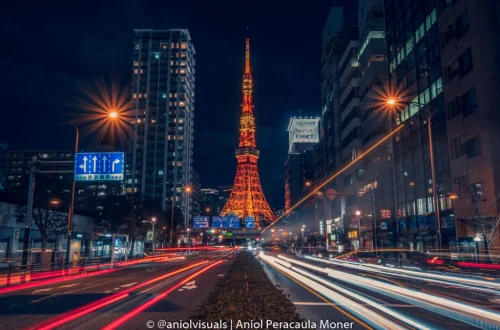
SnapRoamer.com – smartphone photography has surged as a primary tool for capturing travel memories, driven by rapid advancements in mobile camera technology and the pervasive influence of social media platforms. Iconic natural landscapes, culturally rich sites, and vibrant urban landmarks attract millions of smartphone users eager to immortalize their experiences. Key to producing striking images, however, is selecting the right locations and mastering smartphone-specific photographic techniques that optimize lighting, composition, and camera capabilities.
The United States hosts several premier smartphone photography destinations within its national park system. Yosemite National Park offers dramatic granite cliffs and cascading waterfalls that provide dynamic subjects under varied lighting. Monument Valley, straddling the Four Corners region, presents expansive red sandstone mesas and buttes that create iconic Southwestern vistas. Arches and Zion National Parks further exemplify geological wonder, with natural arches and steep canyon walls that challenge photographers to explore depth and perspective. These parks emphasize not only scenic grandeur but also the importance of timing; early morning and late afternoon light—known as the golden hour—dramatically enhances color saturation and shadow detail in smartphone images.
Beyond the US, international locations such as New Zealand’s Lake Tekapo deliver vibrant blue lakes and starry night skies, while South Africa’s Boulders Beach offers unique wildlife encounters with its resident penguin colonies. Culturally significant sites like Italy’s historic urban centers and New Zealand’s Hobbiton complement natural landscapes by providing richly textured backdrops favored by travel photographers. Urban and Instagram-famous landmarks also play a significant role in shaping smartphone travel photography trends, with places like the Circuit of the Americas and Australia’s beaches drawing enthusiasts seeking both natural beauty and cultural vibrancy.
Effective smartphone photography depends heavily on understanding and manipulating light and composition. The golden hour provides soft, directional light that enhances textures and reduces harsh shadows, crucial for capturing natural landscapes. Composition techniques such as the rule of thirds and leading lines guide the viewer’s eye through an image, enhancing balance and depth. macro photography and low-angle shots unlock new perspectives of natural subjects, revealing details often overlooked. Smartphones’ built-in features like burst mode increase the likelihood of capturing fleeting movement, essential in wildlife photography, while focus tap and exposure control allow for precise image adjustments that compensate for the limited manual controls typical of mobile cameras.
To overcome inherent smartphone limitations, photographers often supplement their devices with accessories such as tripods and stabilizers that reduce motion blur in low-light conditions and enable longer exposures. Telephoto lenses, either built-in or attachable, are crucial for capturing distant wildlife or intricate landscape details without compromising image quality. Physical proximity and active exploration of the environment remain indispensable; smartphone lenses’ narrower zoom ranges necessitate closer subject engagement, encouraging photographers to consider safety and ethical guidelines when photographing wildlife or fragile ecosystems.
Digital tools have transformed how photographers discover and plan for new photo locations. Apps like Stuck on Earth integrate Flickr’s extensive photo database with geolocation mapping, enabling users to identify visually compelling spots worldwide. Google Maps and Street View offer virtual reconnaissance opportunities, helping photographers anticipate environmental conditions and vantage points. Social media platforms, particularly Instagram, significantly influence location popularity and photographic trends by showcasing visually appealing sites and creative smartphone photography techniques, thereby shaping user expectations and destination choices.
Post-processing remains a vital phase in smartphone photography, with applications like Snapseed providing accessible yet powerful editing capabilities. Enhancing color vibrancy, adjusting exposure, and sharpening details can elevate raw smartphone images closer to professional standards. A basic editing workflow often involves cropping to improve composition, adjusting brightness and contrast for dynamic range optimization, and selective color corrections to emphasize focal elements. These adjustments compensate for smartphone sensors’ technical constraints, such as limited dynamic range and noise in low-light settings.
Top Global and US Locations Ideal for Smartphone Photography
National parks in the US dominate the list of smartphone photography hotspots due to their natural grandeur and accessibility. Yosemite National Park’s iconic features—El Capitan and Half Dome—offer dramatic vertical compositions, while its waterfalls provide moving subjects that challenge smartphone shutter speeds and burst mode utility. Monument Valley’s vast desert landscapes with monumental sandstone formations create striking silhouettes during sunrise and sunset. The Four Corners region, encompassing parts of Utah, Colorado, Arizona, and New Mexico, is home to Arches and Zion National Parks, which showcase unique rock formations and vibrant canyon vistas. Great Sand Dunes National Park adds an element of textural contrast with its expansive dunes against mountain backdrops, and Mount Rainier National Park offers alpine scenery and seasonal wildflower carpets suitable for macro and landscape shots.
Internationally, destinations like Lake Tekapo in New Zealand are renowned for their turquoise waters and star-lit skies, making them ideal for both daytime landscape photography and astrophotography using smartphone long exposure modes. Boulders Beach in South Africa combines wildlife opportunities with coastal scenery, allowing smartphone photographers to capture penguin colonies up close. Australia’s beaches and Outback sunsets provide vivid color palettes that respond well to the nuanced exposure controls on modern smartphone cameras. The Hobbiton Movie Set in New Zealand merges cultural tourism with picturesque rural landscapes, providing a diverse photographic subject matter that enhances travel photography portfolios.
Urban landmarks with significant Instagram appeal include historic European cities, vibrant street art districts, and modern architectural marvels. Circuit of the Americas, known for hosting major motorsport events, attracts photographers interested in dynamic action and crowd scenes, pushing mobile cameras’ burst and autofocus systems. These locations exemplify how smartphone photography transcends natural landscapes to encompass culturally rich environments, expanding creative possibilities for mobile photographers.
Best Practices for Capturing Stunning Smartphone Photos
Timing remains paramount in smartphone photography, with the golden hour offering the most favorable natural light. Early morning or late afternoon light produces warm hues and soft shadows that enhance textures and colors without overwhelming highlights or deep shadows that smartphones struggle to balance. Overcast conditions provide diffused lighting ideal for macro and close-up photography, reducing glare and harsh contrasts.
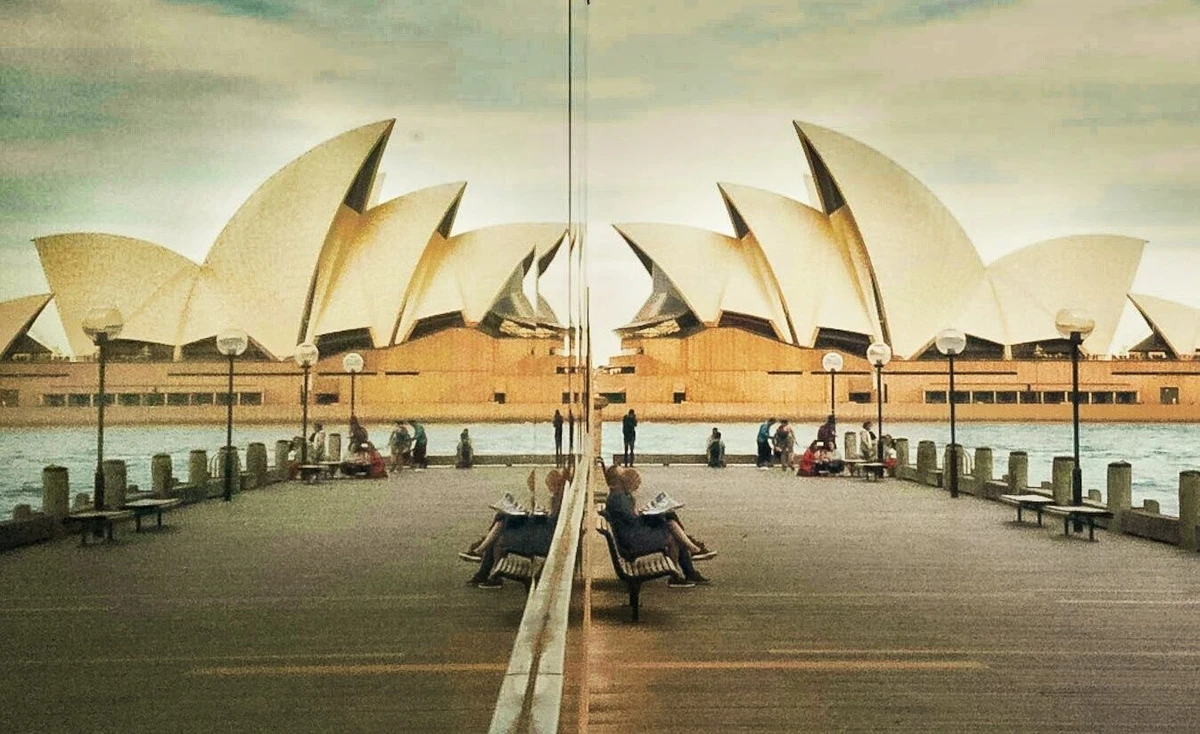
Composition techniques such as the rule of thirds break the frame into nine equal parts, encouraging placement of key subjects along intersecting lines to create balanced and engaging images. Leading lines, such as pathways or riverbanks, direct viewer attention effectively. Macro and low-angle shots reveal new perspectives, with smartphones’ close focusing capabilities enabling sharp detail capture of flowers, insects, or textured rocks. The use of burst mode is crucial for capturing wildlife or movement, allowing photographers to select the best frame from a rapid sequence, minimizing blur and maximizing sharpness.
Smartphone camera features like tap-to-focus and exposure adjustment provide users fine control over image quality. By tapping the subject on the screen, users ensure focus accuracy, while sliding exposure controls help manage bright or shadowed areas. These features compensate for smartphones’ smaller sensors and limited manual controls. Accessories such as tripods and stabilizers improve image sharpness, especially in low light or during time-lapse sequences, preventing camera shake that smartphones are particularly susceptible to due to their lightweight design.
Overcoming Smartphone Limitations in Nature and Wildlife Photography
Smartphones face challenges in telephoto zoom and low-light performance compared to dedicated cameras. In wildlife photography, telephoto lenses or clip-on zoom attachments become necessary to capture distant subjects without disturbing them. Burst mode mitigates motion blur when photographing fast-moving animals, increasing the likelihood of obtaining clear images.
Physical proximity remains a critical factor. Photographers must approach subjects carefully to avoid disturbance, balancing ethical considerations with the desire for detailed shots. Environmental exploration is also vital; identifying vantage points that maximize natural light and background interest can compensate for hardware limitations. Adapting ISO and exposure settings manually on smartphones helps manage varying lighting conditions, especially in backlit or shadowed environments common in natural landscapes.
Digital Tools and Resources to Discover New Photo Locations
Photographers increasingly rely on digital mapping and photo-sharing platforms to discover novel locations. Stuck on Earth is a specialized app that overlays geographically tagged Flickr photos onto interactive maps, facilitating discovery of popular and hidden photo spots worldwide. Google Maps and Street View enable virtual scouting, helping users preview angles, terrain, and accessibility before arrival.
Social media platforms influence the popularity of certain destinations, with Instagram hashtags and geotags guiding photographers toward trending locations. These platforms also serve as informal galleries for smartphone photography techniques, enabling peer learning and inspiration. Integrating these digital resources into travel planning enhances efficiency and creative potential for mobile photographers.
Editing and Post-Processing Smartphone Photos
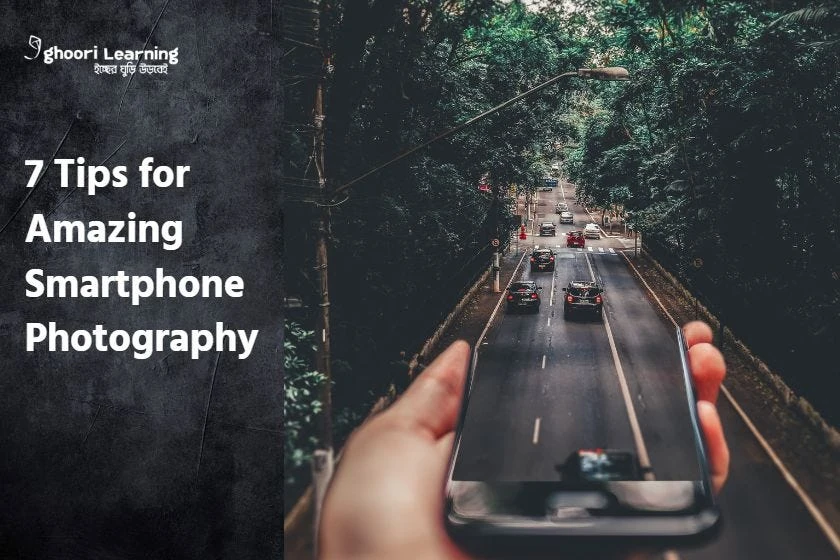
Post-processing is essential for refining smartphone images, which often require adjustments due to smaller sensors and limited dynamic range. Applications such as Snapseed offer comprehensive editing tools accessible to amateurs and professionals alike. Typical workflows begin with cropping to improve framing, followed by exposure adjustments to balance highlights and shadows.
Color enhancement tools increase vibrancy without oversaturation, preserving natural tones. Sharpening improves image clarity, compensating for slight focus deficiencies inherent to smartphone optics. Selective editing features allow fine-tuning of specific image areas, such as brightening a subject while maintaining background shadows. These edits transform raw captures into visually compelling photographs suitable for social media sharing or personal archives.
FAQ
What are the best times of day for smartphone photography in natural landscapes?
The golden hour, occurring shortly after sunrise and before sunset, provides warm, soft, and directional light that enhances colors and reduces harsh shadows, making it ideal for smartphone photography in natural landscapes.
Which smartphone camera features help capture wildlife effectively?
Burst mode is essential for capturing movement in wildlife photography, allowing multiple frames per second to increase chances of sharp images. Tap-to-focus and exposure controls also help optimize clarity and lighting on dynamic subjects.
How can I discover new smartphone photography locations?
Using apps like Stuck on Earth, Google Maps, and social media platforms enables photographers to explore geotagged photos and virtual street views, facilitating the discovery of unique and popular photography spots worldwide.
What accessories improve smartphone photography quality?
Tripods and stabilizers reduce motion blur and enable longer exposures, while attachable telephoto lenses extend zoom capabilities, allowing for detailed shots of distant subjects such as wildlife or architectural features.
Are editing apps necessary for smartphone photography?
Editing apps like Snapseed are highly recommended to enhance image quality by adjusting exposure, color balance, and sharpness, compensating for technical limitations of smartphone cameras and improving overall photo aesthetics.
The integration of carefully selected locations with optimized smartphone photography techniques enables travelers and enthusiasts to capture compelling images that rival traditional cameras. By leveraging natural lighting conditions, composition principles, and digital tools, photographers can maximize the potential of their mobile devices and contribute to evolving visual storytelling trends in travel and nature photography.
For further expert insights on photography locations and techniques, visit Digital Camera World’s guide to photography locations and explore practical tips from National Parks Traveler’s smartphone photography series.