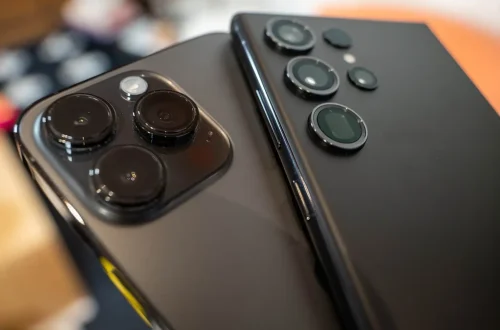
SnapRoamer.com – smartphone photography has undergone a significant transformation from simple single-lens setups to complex multi-lens systems integrated into flagship devices such as the iPhone 15 Pro Max, Samsung S24 Ultra, and Google Pixel 9 Pro. This evolution has been propelled not only by advances in sensor technology like the Omnivision OV21840 but also by the availability of specialized external lenses that expand the creative and technical capabilities of mobile photographers. Add-on lenses including wide-angle, macro, telephoto, fisheye, and anamorphic types serve distinct purposes, enhancing image quality, expanding field of view, and enabling cinematic video production beyond native smartphone camera functions.
The adoption of premium lens kits from brands such as Moment and Apexel demonstrates the demand for versatile optics tailored to the constraints and advantages of smartphone hardware. Understanding the optical characteristics, mounting compatibility, and practical applications of these lenses is crucial to maximizing mobile photography outcomes.
Types of Smartphone Photography Lenses and Their Optical Functions
Wide-angle lenses are designed to capture a broader field of view, typically ranging from 100° to 120°, enabling users to include more of the scene in a single frame. These lenses are ideal for landscapes, architecture, and group photos where spatial context is essential. Unlike ultra-wide native smartphone lenses, external wide-angle attachments from Moment or Apexel often minimize distortion through optical element corrections, although some barrel distortion and edge softness may still occur depending on lens quality and sensor alignment.
Macro lenses focus on a very short minimum focusing distance, often under 10 centimeters, allowing detailed close-ups of small subjects such as insects, textures, or floral elements. Add-on macro lenses optimize sharpness and magnification beyond the standard smartphone macro mode, which is frequently software-driven. For example, Moment’s macro lenses use multiple optical elements to reduce chromatic aberration and enhance color fidelity in extreme close-ups.
Telephoto lenses provide optical zoom capabilities that surpass digital zoom, preserving image resolution and depth of field. Typical focal lengths for smartphone telephoto attachments range from 50mm to 120mm equivalent, which is critical for portraiture and distant subjects like wildlife or sports. The Moment Tele 58mm Lens, for instance, delivers natural background blur (bokeh) and improved subject separation by leveraging larger apertures and high-quality glass elements, outperforming many built-in telephoto modules.
Fisheye lenses offer a creative ultra-wide field of view, often approaching or exceeding 180°, resulting in a distinctive hemispherical perspective with intentional barrel distortion. This lens type is favored for artistic photography, extreme sports, and dynamic environmental shots. While fisheye effects can be achieved digitally, optical fisheye lenses preserve image quality and provide authentic distortion patterns prized by content creators.
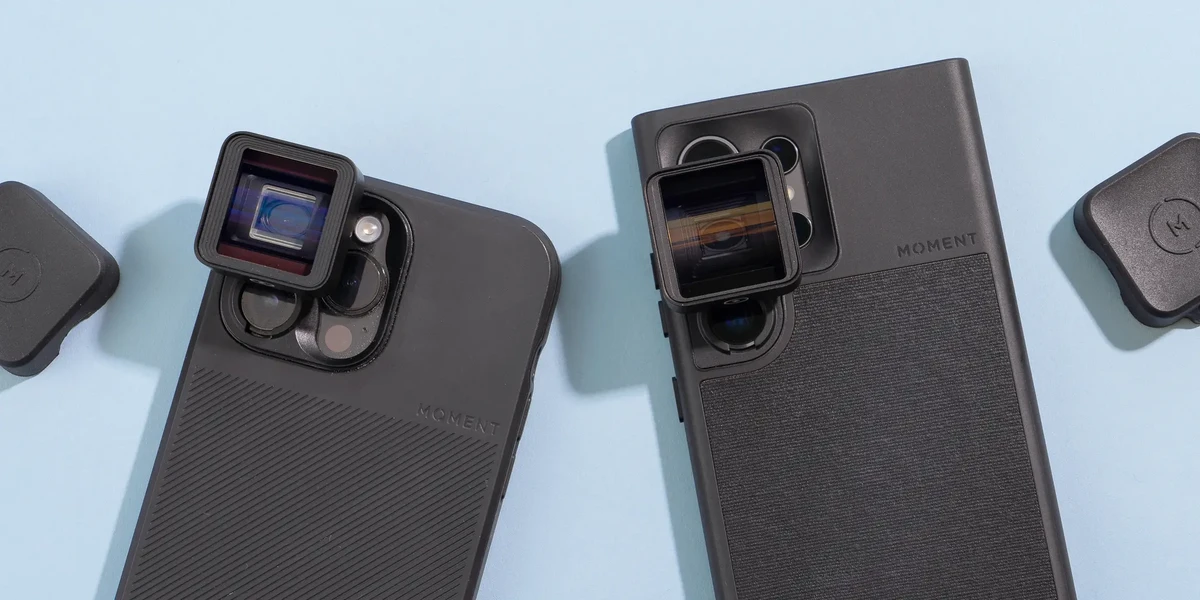
Anamorphic lenses, such as the Moment Anamorphic Lens, are specialized for cinematic video production. They horizontally squeeze the image sensor’s field of view to produce widescreen footage with characteristic oval bokeh and horizontal lens flares, replicating professional cinema aesthetics. These lenses require compatible smartphone mounts and video software for proper de-squeezing and color grading but significantly elevate mobile videography.
Evolution and Integration of Multi-Lens Systems in Flagship Smartphones
The shift from single VGA cameras to sophisticated multi-lens arrays marks a pivotal advancement in smartphone imaging. Current flagship models like the iPhone 15 Pro Max and Samsung S24 Ultra feature multiple lenses covering focal lengths from approximately 12mm ultra-wide to 120mm telephoto equivalents, integrated with advanced sensors such as the Omnivision OV21840. This multi-lens approach compensates for the physical limitations of small mobile sensors by optimizing optics for specific photographic scenarios—ultra-wide for expansive scenes, telephoto for zoomed-in shots, and macro for detailed close-ups.
Google Pixel 9 Pro’s computational photography combines multiple sensors and lenses with AI-driven image processing, pushing the boundaries of detail recovery and dynamic range. However, despite these advances, external lenses remain relevant for users seeking enhanced optical performance or specialized effects unattainable with built-in modules alone.
Lens Attachment Mechanisms and Compatibility Considerations
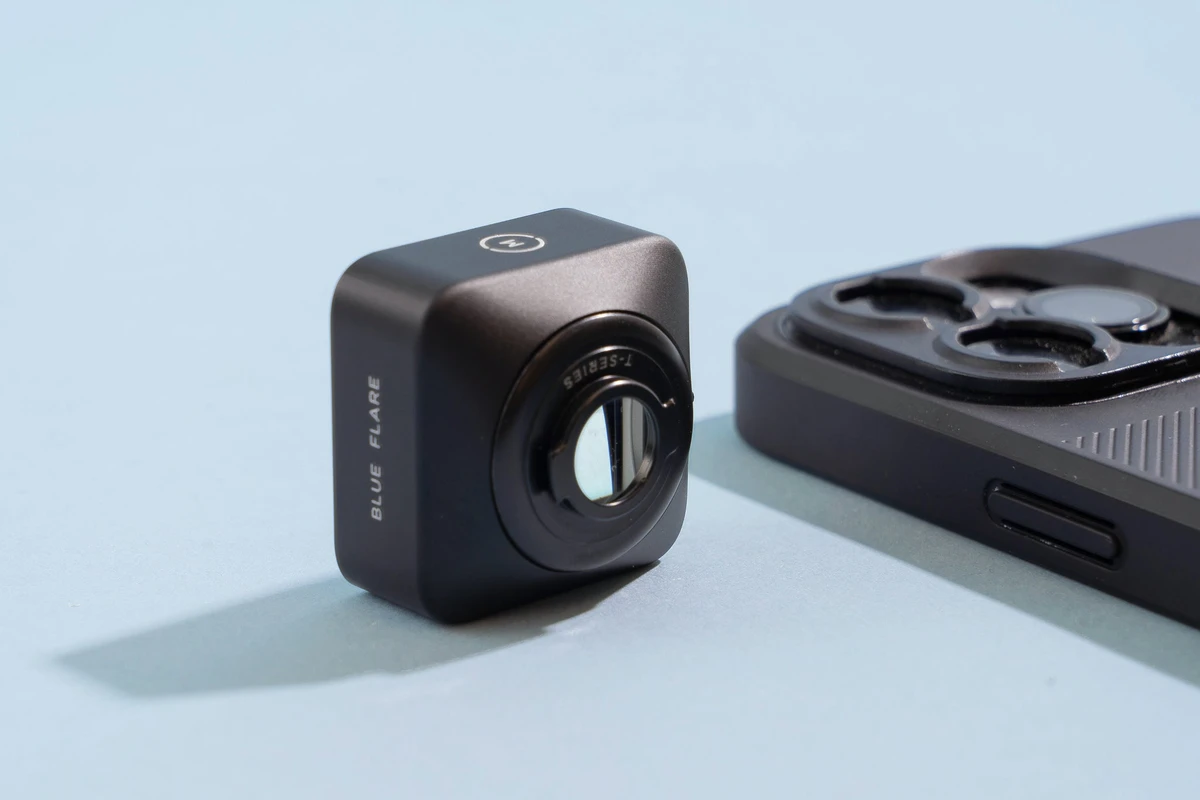
Lens attachment systems vary widely, with Moment’s T-Series and M-Series mounts offering modularity and precise alignment, essential for minimizing vignetting and distortion. These mounts are often integrated into protective cases or clip-on adapters, designed to fit specific smartphone models to ensure optimal sensor coverage. Apexel’s 10-in-1 lens kits provide multiple lens options in a single package, catering to budget-conscious consumers who desire versatility.
Compatibility is a major factor when selecting add-on lenses. Not all mounts fit every smartphone due to differences in camera placement, sensor size, and case thickness. Users must verify compatibility charts provided by manufacturers or rely on universal clip-on designs, though these can compromise optical alignment and image quality. The rise of magnetic mounts and proprietary cases aims to alleviate these issues but requires investment in compatible hardware.
Optical Performance Factors Influencing Image Quality
The construction of smartphone lenses involves multiple glass elements arranged to correct optical aberrations such as chromatic aberration, distortion, and field curvature. Aperture size influences depth of field and low-light performance; lenses with wider apertures (lower f-numbers) allow more light, enhancing sharpness and reducing noise in dim environments.
Despite advancements, external lenses can introduce issues including vignetting—darkening of the image corners—especially when the lens field of view does not perfectly match the sensor size. Chromatic aberration manifests as color fringing around high-contrast edges, while barrel or pincushion distortion alters straight lines, which is more pronounced in wide-angle and fisheye lenses. High-quality lenses from Moment mitigate these problems through precision manufacturing and anti-reflective coatings.
Practical Applications and Selecting Lenses for Photography Styles
Landscape photographers benefit from wide-angle lenses that capture immersive vistas without excessive distortion. Macro lenses serve nature photographers and product shooters requiring fine detail capture. Telephoto lenses excel in portraiture by providing flattering compression and background separation. Fisheye lenses are preferred for creative, experimental compositions, while anamorphic lenses appeal to videographers seeking cinematic storytelling tools.
Professional photographers and hobbyists alike find value in lens kits that complement native smartphone capabilities, especially as flagship devices approach technical limits of sensor physics. Add-on lenses expand creative options without necessitating bulky equipment, ideal for travel and street photography.
Future Directions and Emerging Trends in Smartphone Lens Technology
The trajectory of smartphone photography points towards greater integration of computational optics and modular accessories. Innovations in sensor design, such as curved sensors and stacked architectures, promise enhanced compatibility with specialized lenses. Brands like Moment continue to develop enhanced lens coatings and hybrid optics that blend digital corrections with optical precision.
Moreover, as mobile videography gains prominence, anamorphic and portrait-style lenses will likely see wider adoption, supported by evolving app ecosystems that streamline post-processing. Users can expect more adaptable mounting solutions that accommodate a broader range of devices, reducing barriers to entry for advanced mobile photography.
| Lens Type | Typical Focal Length (35mm Equivalent) | Primary Use Cases | Optical Characteristics | Common Brands |
|---|---|---|---|---|
| Wide-Angle | 12mm – 24mm | Landscapes, Architecture, Group Photos | Expanded field of view, moderate distortion | Moment, Apexel |
| Macro | Variable (close focus) | Close-Up Detail, Textures, Insects | Short minimum focus distance, high magnification | Moment, Apexel |
| Telephoto | 50mm – 120mm | Portraits, Distant Subjects | Optical zoom, natural bokeh | Moment |
| Fisheye | 6mm – 10mm | Creative, Artistic, Extreme Wide | Hemispherical distortion, ultra-wide view | Apexel, Moment |
| Anamorphic | Wide, variable | Cinematic Video, Widescreen Effects | Horizontal squeeze, lens flares, oval bokeh | Moment |
For mobile photographers seeking to deepen their expertise or purchase decisions, detailed guides such as the Apexel lens tutorial and the Moment lens selection guide provide authoritative insights and product comparisons.
FAQ
What are the main benefits of using a wide-angle lens on a smartphone?
Wide-angle lenses increase the field of view, allowing users to capture more of the scene in a single frame. They are particularly useful for landscapes, architecture, and group photos, delivering expansive imagery with minimal distortion when using high-quality optics.
How do macro lenses improve smartphone close-up photography?
Macro lenses reduce the minimum focusing distance, enabling the capture of fine details invisible to standard smartphone lenses. They improve sharpness, magnification, and color accuracy for subjects like insects, textures, and small objects.
Can external telephoto lenses replace digital zoom on smartphones?
Yes, external telephoto lenses provide true optical zoom, enhancing image resolution and depth of field without the pixelation and noise associated with digital zoom. This results in clearer portraits and better distant subject capture.
What creative effects do fisheye lenses add to smartphone photos?
Fisheye lenses produce a hemispherical, ultra-wide perspective with characteristic barrel distortion, creating dramatic and artistic effects. They are popular for action sports, immersive environmental shots, and abstract compositions.
Why are anamorphic lenses preferred for cinematic smartphone videos?
Anamorphic lenses squeeze a wider field of view horizontally, enabling widescreen aspect ratios used in cinema. They also introduce unique lens flares and oval-shaped bokeh, enhancing the cinematic quality of mobile video footage.
The continuous advancement in smartphone sensors and optics, combined with versatile external lenses, is expanding the horizons of mobile photography. Users equipped with the right lens and compatible hardware can achieve professional-grade results in diverse photographic scenarios, redefining the boundaries of what smartphone cameras can accomplish.