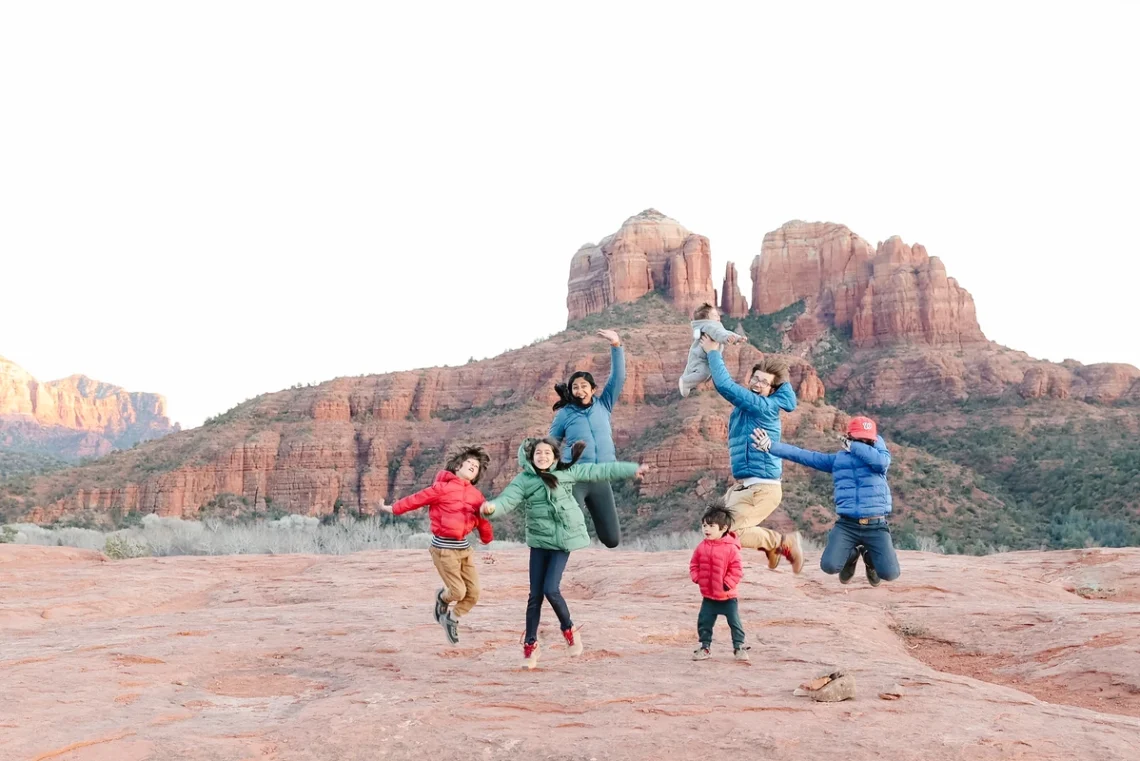
SnapRoamer.com – To capture high-quality travel photos of active children, use a minimum shutter speed of 1/400 to prevent motion blur. Prioritize the golden hour for lighting and focus on capturing the unique personalities of your children rather than forced smiles.
The best lighting for photos is during Golden Hour—the period immediately after sunrise and just before sunset. Making good photographs requires a commitment of time and energy, as noted by National Geographic.
The Chaos-Proof Tech Guide: Smartphone vs. DSLR vs. Action Cams
For high-activity family travel, the best gear depends on the environment: use smartphones for one-handed ‘parent-on-the-go’ workflows, DSLRs for high-quality portraits using Aperture Priority, and action cams for extreme conditions like sand, salt water, or mud where hardware failure is a risk.
| Gear Type | Best Use Case | Primary Limitation | Portability |
|---|---|---|---|
| Smartphone | Quick, one-handed captures | Sensor size/low light | Extreme |
| DSLR | High-quality portraits | Weight and bulk | Low |
| Action Cam | Sand, salt water, mud | Fixed focal length | High |
Choosing the right tool helps avoid gear damage in harsh environments. Shotkit suggests that rather than carrying every piece of equipment, you should select the specific tool that fits your current activity.
The One-Handed Parent Workflow
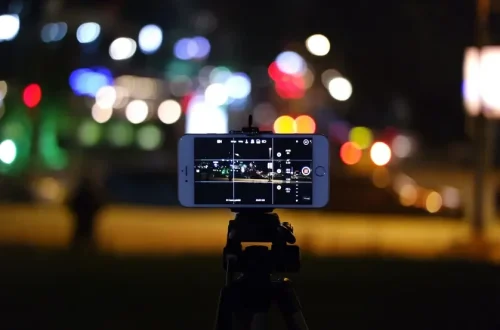
Managing children often requires a smartphone for immediate capture. This allows you to take photos without needing a heavy bag or a tripod. It is often the only way to snap spontaneous moments while holding a child’s hand.
Protecting Gear from Sand and Salt Water
Environmental hazards can cause permanent hardware failure. The Blonde Nomads suggest using a UV filter to protect lenses from scratches, smudges, or cracks. If you are using a DSLR in coastal areas, the risk of salt spray and sand ingress is high, making an action cam a more reliable choice.
Mastering Movement and Technical Settings
To avoid motion blur when photographing active children, set your shutter speed to at least 1/400. If manual mode is too complex, use Aperture Priority to control depth of field while the camera manages shutter speed, ensuring sharp focus on the eyes.
Local Passport Family notes that shooting moving children on manual mode with a slow shutter speed is a common failure mode that results in unusable images.
- Minimum Shutter Speed: Aim for 1/400 to freeze the rapid movements of toddlers.
- Aperture Priority: Use this mode if Manual is too overwhelming; it allows you to control the depth of field while the camera handles the speed.
- wide-angle lenses: Shotkit recommends using a lens that is relatively wide, specifically any focal length lower than 35mm, to ensure everyone fits in the frame comfortably.
The 1/400 Rule for Active Kids
Setting a baseline shutter speed of 1/400 helps freeze the rapid movements of energetic children. Without this speed, motion blur can ruin the shot.
Using the Camera Focus Point via Arrow Buttons
Getting sharp focus on the eyes is essential for high-quality portraits. According to Shotkit, it is all about getting sharp focus on the eyes. You can achieve this by using the camera’s arrow buttons to move the focus point (indicated by a small square) to a specific part of the scene, such as the subject’s face.
Composition Strategies for Crowded Tourist Destinations
Managing composition in high-traffic areas requires shifting how you view the frame. Belinda Shi photography notes that changing angles is the easiest way to change your composition and remove unwanted crowds.
When visiting landmarks like the Blue Mosque in Istanbul or sites in Bucharest, the presence of other tourists can distract from your family subject. Instead of fighting the crowd, use these techniques:
- Using the Crowd as a Frame: Marcie in Mommyland suggests shooting through gaps in the crowd or over shoulders to create negative space and natural framing.
- Changing Angles: Lowering your camera or finding a high vantage point can effectively hide the sea of tourists in the background.
- leading lines: Photography Pro recommends using paths, roads, or fences to lead the eye from the foreground directly to your family.
Rather than searching for empty spaces that may not exist, try to use the existing environment to your advantage.
The Psychology of Family Portraits: Avoiding the ‘Fake Smile’ Trap
Digital Photography School warns that yelling at children will only serve to make them hate getting photos done. Stiff, unnatural expressions are common when children are forced to “say cheese.”
To capture authentic moments, use these strategies:
- The ‘Look Away’ Technique: Local Passport Family suggests that if kids are not cooperating, have everyone look the other direction while hugging or holding hands.
- Prioritize Personality: Local Passport Family emphasizes that it is valuable to capture the unique personalities of your children during travel, rather than just a standard smile.
- The Goal of Memory: Digital Photography School reminds travelers to “Make memories and not pictures,” prioritizing the experience over the shot.
Capturing a child mid-laugh or looking curiously at a local animal often yields a much better result than a forced, artificial smile.
Cultural Sensitivity and Ethical Shooting
Respecting local social norms is vital to avoid friction while traveling. Being mindful of the environment is as important as capturing it.
Donny Kimball notes that when photographing street views, it is vital to be mindful of social harmony. Additionally, Belinda Shi Photography suggests that respecting the rhythm of a place is essential; do not let your pursuit of the perfect shot disrupt the local flow or peace of a site.
Post-Trip: The Digital Cleanup and Backup Workflow
The Blonde Nomads suggest using memory cards with a minimum size of 32 GB to handle large amounts of data without running out of space mid-trip.
To prevent losing precious moments to hardware failure, establish a structured backup process immediately upon returning from your trip.
Shortcut: Immediately transfer files to a secondary drive and use a cloud service to create a redundant copy of your best shots.
FAQ
How do I stop my kids’ photos from being blurry?
Use a shutter speed of at least 1/400 to freeze movement. If you are in Manual mode, this is crucial; otherwise, use aperture priority to help the camera manage speed.
What is the best lens for family selfies?
Use a wide-angle lens, specifically any focal length lower than 35mm, to ensure everyone fits in the frame comfortably.
How can I take good photos in crowded places?
Change your camera angle to remove unwanted crowds or use the crowd itself as a frame by shooting through gaps or over shoulders to create negative space.