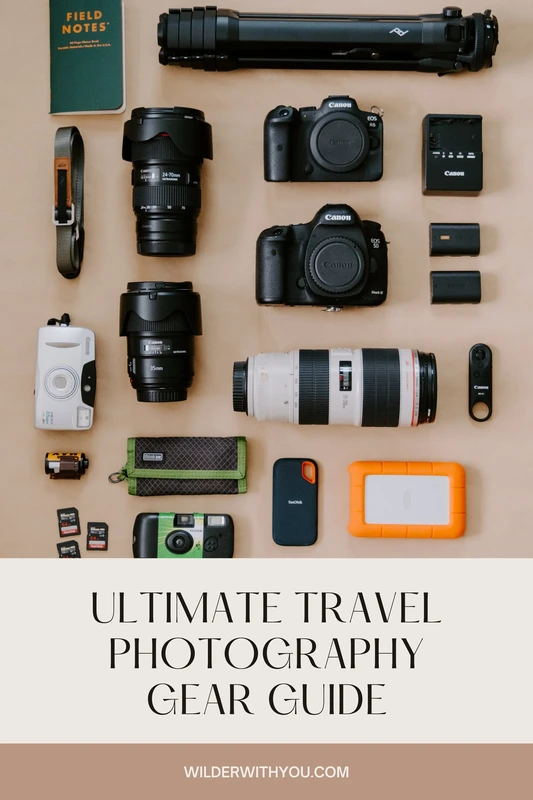
SnapRoamer.com – Travel photography gear includes versatile mirrorless cameras like the Canon R6 Mark 2 and Sony A7 series, compact options such as the Fujifilm X100VI, and essential accessories like quick-access clips and travel tripods. Integrating drones, action cams, and smartphone gear enhances creativity and convenience on the go.
The Mini 4 Pro is a spectacular travel drone that balances size and weight (249g!) with incredible video and image performance. It shoots 48MP RAW stills, 4K/60fps video, and is packed with features like obstacle avoidance, vertical shooting, and ActiveTrack. (Brooke Beyond, source)
What are common failure modes of travel photography gear in extreme environments and how can you troubleshoot them?
travel photography gear often fails due to humidity, sand intrusion, and cold temperatures. Troubleshooting includes using weather-resistant equipment, protective covers like Peak Design Shell, regular cleaning, and storing gear in dry, insulated bags to maintain performance and longevity.
Humidity and moisture protection
Humidity causes corrosion and fungus inside lenses and camera sensors. The Peak Design Shell camera protector offers a water-resistant barrier, ideal for humid tropical locations (source). Using silica gel packets inside camera bags reduces moisture buildup. In menus, activating the camera’s sensor cleaning function (accessible via Menu > Setup > Sensor Cleaning) helps prevent long-term damage.
Sand and dust prevention
Sand intrusion is a leading failure mode during desert or beach shoots. The Peak Design Capture Clip secures cameras externally, reducing the need to dig into bags where sand accumulates (Brooke Beyond). Cleaning with a Rocket Blower and microfiber cloth after each shoot is essential. Counterintuitively, changing lenses in sandy environments outdoors increases contamination risk; it’s better to change lenses inside a sealed bag.
Cold weather gear maintenance
Low temperatures reduce battery efficiency and may cause condensation inside gear. Storing batteries insulated in inner jacket pockets stabilizes temperature. Peak Design’s tech pouch, designed to organize cables and batteries, fits inside insulated compartments for protection (source). When shooting in cold, switching on the camera’s anti-fog mode (Menu > Setup > Anti-Fog) prevents lens fogging. Using weather-sealed cameras like the Canon R6 Mark 2 is recommended for freezing conditions.
- Use weather-resistant gear such as Canon R6 Mark 2 or Sony A7 series
- Employ Peak Design Shell for moisture protection
- Activate sensor cleaning via Menu > Setup > Sensor Cleaning
- Change lenses within sealed bags to avoid sand intrusion
- Store batteries in insulated pockets to maintain charge in cold
How can smartphone photography be integrated with traditional camera gear during travel?
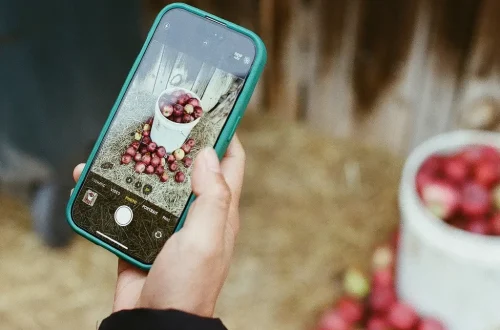
For travel photographers, the iPhone 16 Pro serves as an excellent video camera, complemented by clip-on Moment lenses that add wide-angle and macro capabilities (source). Pairing this setup with stabilizers like the DJI Osmo Mobile 6 gimbal ensures smooth handheld footage. Using smartphone editing apps like Adobe Lightroom mobile, photographers can apply DSLR-like color profiles through the Profiles feature, enabling a seamless creative workflow alongside traditional gear.
Recommended smartphone lenses and stabilizers
High-quality clip-on lenses such as Moment lenses add wide-angle and macro capabilities to the iPhone 16 Pro, which already excels as a travel video camera (source). Stabilizers like DJI Osmo Mobile 6 enable smooth video capture, overcoming typical handheld shake issues. This setup reduces the need for bulky camera gear on short excursions.
Top photo-editing apps for travel
Editing apps like Adobe Lightroom Mobile and Snapseed offer powerful RAW editing on smartphones. Lightroom’s “Profiles” feature (accessible via Edit > Profiles) allows replicating DSLR color profiles, bridging the gap between smartphone and traditional camera images. Counterintuitively, many professional photographers now prefer mobile editing for speed, especially when sharing on social media.
Balancing smartphone and camera usage
Smartphones excel in low-light and quick shots but struggle with telephoto reach compared to lenses like the Canon RF 24-105mm. Photographers should plan to use smartphones for candid, spontaneous captures and cameras for deliberate compositions. This hybrid approach reduces gear weight while maximizing creative flexibility.
- Use Moment clip-on lenses with iPhone 16 Pro for flexibility
- Stabilize handheld shots with DJI Osmo Mobile 6 gimbal
- Edit photos with Adobe Lightroom Mobile > Profiles for DSLR-like colors
- Reserve DSLR/mirrorless for telephoto and high-detail shots
What are the best travel cameras and lenses for versatile and compact travel photography?
The Canon R6 Mark 2 and Sony A7 series are top mirrorless travel cameras offering versatility and quality. Compact options like the Fujifilm X100VI provide powerful performance in a small form. Lenses such as the Canon RF 24-105mm f/4 and Sony 16-35mm F4 deliver wide-angle to zoom flexibility.
| Camera Model | Type | Key Features | Weight | Best Use Case |
|---|---|---|---|---|
| Canon R6 Mark 2 | Mirrorless | 20fps, 4K video, weather-resistant | 680g | All-round travel photography |
| Sony A7riii | Mirrorless | 42MP sensor, 5-axis stabilization | 650g | Landscape and portrait |
| Fujifilm X100VI | Compact | 23MP APS-C, fixed 23mm f/2 lens | 478g | Street and casual travel |
| DJI Mini 4 Pro | Drone | 48MP RAW, 4K/60fps video | 249g | Aerial photography |
| iPhone 16 Pro | Smartphone | Triple camera, ProRes video | 221g | Video and mobile shots |
This table details the Canon R6 Mark 2 as the best all-rounder travel camera, the Fujifilm X100VI as the best compact travel camera, and the DJI Mini 4 Pro as the best drone, highlighting their key features, weights, and ideal uses (source). It also includes the Sony A7riii for high-resolution landscape work and the iPhone 16 Pro as a top video camera.
Mirrorless camera advantages
Sony revolutionized mirrorless cameras a decade ago, and models like the Sony A7iii and A7riii continue to excel in travel photography (Away Lands). Mirrorless bodies lack the mirror assembly found in DSLRs, making them lighter—Sony A7iii weighs 650g compared to typical DSLRs over 1kg. They offer fast autofocus, excellent video options, and weather sealing, essential for varied environments.
Compact camera recommendations
The Fujifilm X100VI combines a fixed 23mm f/2 lens with 23MP APS-C sensor, delivering excellent image quality in a pocketable form (Jill Slagter Photography). Weighing 478g, it suits minimalist travel. Its leaf shutter and hybrid viewfinder enable quiet shooting, useful in sensitive cultural sites.
Versatile lens choices
For versatility, the Canon RF 24-105mm f/4 USM lens covers wide-angle to short telephoto, ideal for landscapes and portraits (source). Sony’s F4 16-35mm lens was used 90% of the time in early travel blogging by JourneyEra, proving its reliability. The 24-105mm and 16-35mm lenses split usage evenly (50% each) for flexibility in framing (JourneyEra).
Which accessories enhance travel photography efficiency and protection?
Accessories like the Peak Design Capture Clip for quick camera access, Peak Design Shell for protection, and travel tripods such as the JOBY Compact Action improve efficiency and safety of gear. Quality SD cards and tech organizers also ensure smooth workflow while traveling.
Quick-access camera attachments
Brooke Beyond praises the Peak Design Capture Clip as “one of my all-time favourite pieces of gear,” highlighting its secure mount to backpack straps without damage, keeping cameras stable and ready on rough terrain (source). This reduces fumbling and potential drops.
Protective gear and organizers
The Peak Design Shell camera protector shields against rain and dust, essential in unpredictable weather. Peak Design Tech Pouch BTP-MN-3 organizes cables, batteries, and cards efficiently (source). Using SanDisk Extreme Pro SD cards (32GB and 64GB variants) ensures fast write speeds and reliability for 4K video and burst shooting (source).
Tripods for stability
Tripods like the JOBY Compact Action, measuring 61 inches extended, provide lightweight stability for landscapes and low-light shots (source). The Peak Design Tripod Ultra-Portable is another compact choice, balancing size and maximum height. Using the tripod requires setting shutter speed above 1/500 second to freeze motion or slower (1/30 second) for motion blur creatively (source).
- Peak Design Capture Clip for secure, quick camera attachment
- Peak Design Shell for weather protection
- Peak Design Tech Pouch for organization
- SanDisk Extreme Pro 32GB and 64GB SD cards for reliability
- JOBY Compact Action 61″ tripod for versatile stability
How do drones and action cameras expand creative possibilities in travel photography?
Drones like the DJI Mini 4 Pro offer high-resolution aerial shots with features such as obstacle avoidance and 4K/60fps video. Action cameras like the GoPro Hero 13 capture underwater and adventure footage, expanding creative storytelling beyond traditional photography.
Drone features and best models
The DJI Mini 4 Pro weighs only 249g, making it exempt from some drone registration laws (Brooke Beyond). It shoots 48MP RAW stills and 4K video at 60fps, ideal for high-fidelity aerial landscapes. Advanced features include obstacle avoidance, ActiveTrack, and vertical shooting modes, enhancing creative framing.
Action camera advantages
The GoPro Hero 13, recognized as the best underwater and action cam, offers ruggedness and 5.3K video resolution (source). It excels in adventure scenarios where traditional cameras may be vulnerable. Insta360 X4 provides 360-degree capture for immersive content.
Combining drones and action cams with traditional gear
Integrating drone and action camera footage with DSLR or mirrorless images creates dynamic travel stories. However, syncing files requires workflow planning. Using apps like DJI Fly and GoPro Quik on smartphones streamlines editing and sharing. Counterintuitively, some photographers find carrying multiple devices cumbersome but gain storytelling depth.
- DJI Mini 4 Pro: 249g, 48MP RAW, 4K/60fps video
- GoPro Hero 13: 5.3K video, rugged, underwater-capable
- Insta360 X4 for 360-degree immersive shots
- Use DJI Fly and GoPro Quik apps to integrate footage
What are the best backpacks and bags for carrying travel photography gear safely and comfortably?
Backpacks like the WANDRD PRVKE and Lowepro Photo Hatchback offer customizable compartments, water resistance, and ergonomic support, making them ideal for travel photographers. Minimalist options such as Fjallraven Kanken Hip Pack suit lighter setups while protecting gear.
Customizable camera backpacks
The WANDRD PRVKE backpack, favored by Away Lands, features modular dividers, weather-resistant fabrics, and a dedicated laptop sleeve for digital nomads (source). The Lowepro Photo Hatchback provides lightweight protection and quick access compartments, ideal for urban travel.
Lightweight and minimalist bags
For minimal setups, the Fjallraven Women’s Kanken Hip Pack offers a compact solution weighing under 500g, protecting cameras without bulk (source). It is perfect for day trips or when carrying limited gear.
Water resistance and durability features
Waterproof zippers and abrasion-resistant materials extend gear lifespan in harsh environments. Using rain covers stored in dedicated compartments prevents sudden weather damage. Ergonomic straps and padded backs reduce fatigue on hikes, a must-have for multi-hour shoots.
- WANDRD PRVKE with customizable dividers and laptop sleeve
- Lowepro Photo Hatchback for lightweight urban travel
- Fjallraven Kanken Hip Pack for minimalist protection
- Waterproof zippers and rain covers for weather resistance
Should you rent or purchase specialized travel photography gear?
For photographers who shoot specialized wildlife or high-end travel images occasionally, renting gear from trusted platforms like Lensrentals or BorrowLenses offers a cost-effective alternative to purchasing. These services deliver cameras and lenses timed to trips, avoiding the hassle of storage and transport. However, investing in versatile equipment such as the Canon R6 Mark 2 is worthwhile for frequent travelers, providing full control and reliability on every shoot (source).
Rental platforms like Lensrentals and BorrowLenses offer cameras and lenses with delivery options timed to trips. This avoids hauling bulky gear and reduces risk. Conversely, investing in gear like the Canon R6 Mark 2 makes sense for photographers traveling multiple times a year, amortizing costs over usage.
Counterintuitively, some travelers purchase expensive gear but rarely use it, missing shots due to intimidation or fear of damage (JourneyEra). Renting allows testing equipment before committing to purchase, reducing buyer’s remorse.
How can travel photographers manage and back up photos securely on the go?
Efficient photo management on the go involves using high-capacity SD cards, portable drives, and cloud backup apps. Organizing files regularly and securing data with encryption or password protection ensures safety and accessibility during travel.
Hardware options for backup
SanDisk Extreme Pro SD cards come in 32GB and 64GB sizes, balancing storage and speed for 4K video and RAW bursts (source). Portable SSDs such as Samsung T7 provide fast file transfers. Using dedicated photo folders on drives enables efficient sorting.
Software solutions and apps
Apps like Adobe Lightroom Mobile and Google Photos allow immediate backup to cloud storage. Setting auto-upload (Menu > Settings > Auto Backup) minimizes data loss risks. Encryption apps protect files on shared networks, crucial during hotel or café use.
Best practices for photo organization
Regularly cull and rate photos to avoid overwhelming storage. Using date and location-based folder structures simplifies retrieval. Avoid solely relying on one backup method, employing the 3-2-1 rule: three copies, two formats, one offsite.
- SanDisk Extreme Pro SD cards: 32GB and 64GB options
- Portable SSDs like Samsung T7 for fast storage
- Enable Auto Backup in Lightroom Mobile (Menu > Settings > Auto Backup)
- Use encryption apps for data security
- Organize photos by date and location folders
FAQ
What makes mirrorless cameras ideal for travel photography?
Mirrorless cameras deliver DSLR-level performance in a smaller, lighter package without the mirror assembly, making them slim, portable, and perfect for travel, vlogging, and everyday use. Sony’s mirrorless models like the A7iii weigh around 650g, significantly lighter than typical DSLRs.
How important is lens versatility for travel photography?
Versatile lenses such as the Canon RF 24-105mm and Sony F4 24-105mm allow zooming and wide-angle shots, enabling photographers to capture diverse scenes without carrying multiple lenses. The Sony 16-35mm F4 lens was used 90% of the time in early travel blogging for its flexibility.
Why should I consider an LED headlight with night vision for travel photography?
LED headlights with night vision red light prevent disturbing others and protect long exposure shots, making them essential for hiking and night photography. The Pelican Progear 2760 runs on three AAA batteries and offers this feature for convenience.
What are the benefits of the Peak Design Capture Clip?
The Capture Clip mounts securely to backpack straps without damaging them, keeping the camera accessible and stable on rough terrain, improving readiness and safety. Brooke Beyond calls it “one of my all-time favourite pieces of gear.”
How can I protect my camera gear from harsh travel conditions?
Using protective gear like Peak Design Shell and organizing equipment properly helps prevent damage from humidity, sand, and cold, extending gear lifespan. Regular sensor cleaning and sealed lens changes further minimize failure risks.