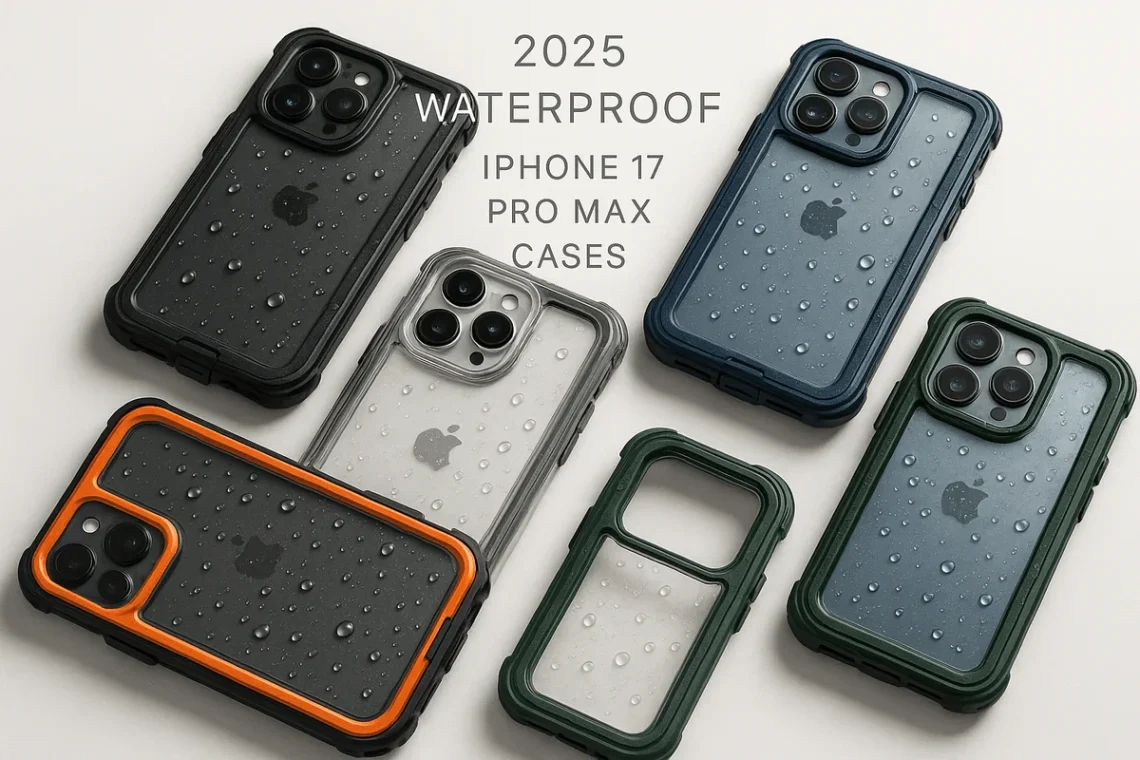
SnapRoamer.com – For adventure photography, the best waterproof case depends on your depth: use rugged cases like Beeasy for surface splashes, flexible pouches like JOTO for light snorkeling, or professional housings like DIVEVOLK SeaTouch for deep-sea touchscreen control and 4K videography.
While modern iPhones feature built-in water resistance, Beeasy notes that marine environments necessitate dedicated protection to mitigate risks during submersion.
The Photography Image Quality Matrix: Plastic vs. Optical-Grade Acrylic
image quality in waterproof cases is determined by the window material. Cheap PVC pouches often cause glare and chromatic aberration, whereas professional housings use optical-grade acrylic or glass to minimize light refraction and maintain sharpness, which is critical for high-resolution underwater photography.
Ricky Jehen, a PADI Master Scuba Diver Trainer with 20 years of experience, notes that “underwater photography is notoriously difficult due to low light, suspended particles, and the physics of water itself.” When a photographer places a high-resolution sensor behind a low-grade plastic barrier, the physics of light refraction becomes a primary failure mode for the final image.
Refraction and Chromatic Aberration
Cheap PVC materials used in many budget pouches lack the refractive index consistency required for sharp imaging. This leads to chromatic aberration, where colors fail to converge at the same focal point, resulting in purple or green fringing around edges. Professional housings mitigate this by using materials that closely match the refractive index of water. A common mistake is assuming an IP68 rating guarantees photo quality; while the case protects the hardware, the optical barrier can render a $1,000 smartphone lens nearly useless for professional work.
Glare Management in High-Light Environments
In high-light environments, such as shallow tropical waters, glare from the case window can wash out sensor data. To combat this, photographers often need to adjust settings via the device’s manual mode. For example, on many professional camera apps, navigating to Settings > Exposure > ISO is necessary to compensate for the light loss caused by thick protective layers. A single millimeter of uneven plastic can create a “hot spot” of light that ruins a composition.
Thermal Throttling: Preventing Overheating During 4K Video Sessions
Capturing high-bitrate 4K video generates significant internal heat, a problem exacerbated when the device is sealed inside a waterproof environment. Because waterproof cases act as insulators, the heat cannot dissipate into the air. If the internal temperature exceeds safety thresholds, the device will engage thermal throttling, which reduces CPU performance and can lead to the camera app crashing or the device shutting down entirely.
A counterintuitive reality of underwater videography is that while the surrounding water is often cool, the lack of airflow inside a sealed housing can cause a rapid temperature spike. For instance, a device recording at 60 frames per second may trigger a thermal shutdown within 15 to 20 minutes of continuous use if the case lacks sufficient thermal conductivity. To prevent this, photographers should avoid using high-brightness settings in the display menu, as the screen itself is a major heat source. Instead, utilize external monitors or lower the screen brightness to 25% to extend recording sessions.
Top Professional Underwater Housings for Serious Photographers
Professional underwater housings like the DIVEVOLK SeaTouch 4 Max allow for direct touchscreen use, enabling photographers to use pro apps like Black Magic Cinema. For extreme durability, aluminum housings like Kraken provide superior protection for deep-sea expeditions.
The DIVEVOLK SeaTouch series has redefined smartphone underwater utility by solving the “touchscreen barrier” problem. Most housings require physical buttons to trigger the shutter, but the SeaTouch 4 Max allows for full tactile interaction through the housing. This enables the use of advanced software for manual control over shutter speed and aperture. The DIVEVOLK SeaTouch 4 Max is rated for depths of up to 60 meters.
DIVEVOLK: The Touchscreen Revolution
For those requiring specialized kits, the pricing reflects the professional-grade utility provided. The standard SeaTouch 4 Max is priced at $479.00, while the SeaTouch 4 Max Plus Videography Kit is available for $549.00. For creators seeking the most complete setup, the SeaTouch 4 MAX PLUS Creator SL50 Kit is offered at $759.00. These units typically come with a 1-year warranty to protect the investment.
Kraken & SeaLife: Aluminum and Professional Grade
When depth and durability are the primary concerns, aluminum-based solutions become the standard. Kraken housings are engineered for extreme environments, often utilizing an 18650 lithium-ion battery to power external lighting or advanced electronic components. Other established names in the industry, such as SeaLife and HAWEEL, provide specialized underwater housings that cater to various levels of diving expertise, moving beyond simple smartphone protection into the realm of dedicated marine imaging.
| Product Category | Best For | Max Depth/Protection | Key Feature |
|---|---|---|---|
| Professional Housings | Serious Videography | 60 meters | Direct Touchscreen Control |
| Rugged Cases | Shoreline/Adventure | IP68 rated | Drop & Splash Protection |
| Waterproof Pouches | Snorkeling/Light Use | 2 meters | Low-cost portability |
| Dry Bags | Gear Transport | 30 meters | High-volume storage |
The technical specifications show a clear distinction between consumer-grade protection and professional-grade imaging equipment.
Best Rugged Cases for Shoreline and Adventure Use
Rugged cases prioritize physical impact resistance to defend against the hazards of rocky terrain and accidental drops.
- Beeasy: Specialized rugged waterproof iPhone cases that focus on heavy-duty impact protection for extreme outdoor environments.
- OUNNE: Offers significant durability with 6.6 feet of vertical drop protection, making it suitable for hiking and rocky terrain.
- Reliable brands: Recognized standards for waterproof phone cases provide reliable protection against everyday environmental hazards.
- Specialized cases: Provide waterproof iPhone cases designed for high-intensity activity.
- Slim cases: Focus on protection cases that maintain a slim profile while offering essential defense against the elements.
While suitable for shoreline environments, these cases are not designed for deep submersion. Users must be cautious of sand or grit entering charging ports, which can compromise seals over time.
Reliable Waterproof Pouches and Dry Bags
Pouches and dry bags provide accessible waterproofing for transit or shallow snorkeling, though they offer less optical precision than dedicated housings.
- JOTO: Popular waterproof phone pouches that are ideal for light water exposure, though they are prone to internal fogging during extended use.
- Pelican: Known for high-quality waterproof phone pouches that offer extreme buoyancy; as noted by Paddling Magazine, “The Pelican waterproof pouch is also its own life preserver.”
- Stash 7: A mid-range option priced at $39.95, providing a waterproof rating for up to 2 meters of depth and a 2-hour duration.
- Vansky: Provides high-capacity protection with an IPX8 rating, capable of theoretical protection at depths of up to 30 meters.
It is a misconception that a pouch is a permanent solution for underwater photography. For example, a JOTO pouch has been noted to fog up after only 90 minutes of use, which can obscure the lens and ruin a shot. Additionally, users should be wary of PVC product eyelet failure when using heavy lanyards, as the weight of the phone can tear the plastic at the attachment point.
The Saltwater Survival Protocol: Maintenance and Failure Modes
Saltwater is highly corrosive and can destroy even the most expensive waterproof equipment if not managed correctly. For adventure photographers, a strict maintenance routine is mandatory to prevent seal degradation and button seizure.
Follow these essential maintenance steps after every saltwater exposure:
- Freshwater Rinse: Submerge the entire case (with the phone removed if possible) in fresh, lukewarm water for at least 5 minutes to dissolve all salt crystals.
- Seal Inspection: Check the rubber O-rings and silicone seals for any signs of grit or cracking. A single hair or grain of sand can cause a leak.
- Dry Thoroughly: Ensure all crevices, especially around the charging port and button covers, are completely dry before reassembling.
Furthermore, always perform a pre-dive water test. Submerge your case in fresh water for at least 30 minutes before your actual adventure to ensure the seals are holding. This simple step can prevent the catastrophic loss of a device during a high-stakes shoot.
FAQ
How can I test my waterproof case before a dive?
Perform a pre-purchase water test by submerging the case in water for at least 30 minutes to ensure no leakage occurs before your actual adventure. This ensures the seals are intact and the device remains dry during the actual mission.
What is the difference between IP68 and IPX8?
IP68 is a comprehensive standard that covers both dust and water resistance, whereas IPX8 specifically focuses on high-level water immersion protection, which is a key feature for products like Vansky dry bags.
Why does my waterproof pouch fog up underwater?
Fogging often occurs due to temperature changes or seal issues; for example, JOTO pouches have been noted to fog after 90 minutes of use. This is often caused by the temperature differential between the warm device and the cool water.