SnapRoamer.com – Smartphone lenses significantly enhance image quality by integrating advanced optical engineering with larger sensors and AI-driven computational photography. Flagship devices like the Apple iPhone 15 Pro Max, Oppo Find X6 Pro, and Samsung Galaxy S24 Ultra exemplify this synergy through multi-lens systems, optical image stabilization (OIS), and sophisticated AI algorithms. These technologies collectively improve light capture, reduce noise, extend zoom capabilities, and optimize color and detail, enabling professional-grade photography from compact mobile platforms.
Sensor size remains a critical factor in image quality improvement. Recent flagship smartphones have adopted larger sensors to increase photon capture, which directly enhances the signal-to-noise ratio and dynamic range. For instance, the Apple iPhone 15 Pro Max features a sensor size increase compared to its predecessors, facilitating better performance in low-light conditions and finer image texture fidelity. The Oppo Find X6 Pro also emphasizes sensor enhancements with its use of larger pixels, promoting higher light sensitivity and reduced noise levels. These improvements underscore the importance of sensor size in capturing more light photons, which is fundamental to producing cleaner and more detailed images.
Sensor Size and Photon Capture
The evolution of sensor technology in smartphones has shifted focus toward maximizing photon flow, which determines the amount of light each pixel can capture. Larger sensors, often paired with increased pixel sizes, allow more light to penetrate, improving image quality especially in dim environments. This increase in sensor size correlates with a higher signal-to-noise ratio, effectively reducing graininess and improving dynamic range. For example, the Samsung Galaxy S24 Ultra employs an advanced sensor with larger photodiodes to capture more photons per pixel, enabling images that maintain clarity even in challenging lighting.
The impact of sensor size also extends to depth of field and color accuracy. Larger sensors facilitate better control over focus and background blur, important for portrait and macro photography. Additionally, increased sensor dimensions allow for more accurate color rendition by capturing a broader spectrum of light wavelengths. According to DxOMark’s analysis, smartphones with larger sensors consistently achieve higher scores in low-light and texture categories, reflecting tangible quality improvements in real-world usage scenarios.
Multi-Lens Systems and Optical Versatility
The transition from single-lens cameras to dual- and multi-lens configurations has dramatically expanded the compositional versatility of smartphone photography. Modern flagships typically integrate wide-angle, ultra-wide, telephoto, and sometimes macro lenses to provide users with a range of focal lengths and perspectives. This multi-lens approach enables optical zoom capabilities, which preserve image sharpness by relying on physical lens adjustments rather than digital cropping.
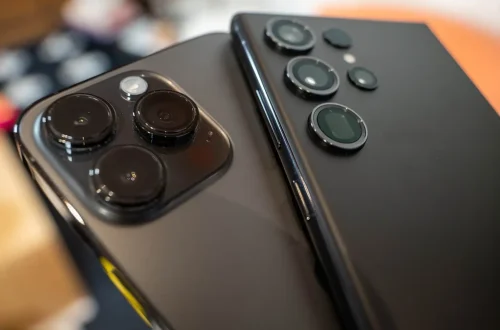
For instance, the Samsung Galaxy S24 Ultra features a quad-camera array, including dual telephoto lenses offering 3x and 10x optical zoom. This setup allows photographers to capture distant subjects with minimal quality loss, a significant improvement over earlier models that depended heavily on digital zoom. Similarly, the Apple iPhone 15 Pro Max employs a triple-lens assembly with an advanced telephoto lens system calibrated for better zoom clarity and low-light performance.
The use of multiple lenses also facilitates computational photography techniques such as multi-frame fusion, where images from different lenses are combined to enhance detail and dynamic range. This hardware-software interplay enables creative effects like portrait mode with accurate subject separation and background blur, as well as macro shots with high resolution and sharpness.
Optical Image Stabilization and Exposure Control
Optical image stabilization (OIS) plays a pivotal role in reducing motion blur caused by hand shake or subject movement, especially during longer exposures or telephoto zoom shots. OIS mechanisms physically adjust lens elements or the sensor to counteract motion, enabling exposure times up to two stops longer without introducing blur. This extension in exposure duration allows cameras to capture more light, significantly improving low-light image quality.
Flagship smartphones widely employ OIS across multiple lenses. The Oppo Find X6 Pro integrates OIS in both its primary and telephoto lenses, enhancing stability during varied shooting conditions. The iPhone 15 Pro Max’s OIS system supports sensor-shift stabilization, which moves the sensor itself for finer control and improved image clarity. Quantitative studies show that OIS can reduce motion blur by approximately 50%, thereby increasing the rate of usable photos in challenging scenarios such as night photography or fast-moving subjects.
OIS also complements computational photography by providing steadier frames for multi-image processing algorithms, resulting in cleaner HDR merges and noise reduction outcomes. Without optical stabilization, software corrections alone struggle to compensate for motion-induced artifacts, underscoring the synergy between hardware and AI enhancements.
Computational Photography and AI Enhancements
Computational photography leverages AI algorithms to transcend the physical limitations of smartphone optics and sensors. Techniques such as high dynamic range (HDR) merging, noise reduction, and color optimization rely on software to process multiple image exposures and extract superior visual information. AI-driven processing can intelligently blend frames, reduce noise without sacrificing detail, and enhance colors to produce more lifelike images.
Emerging AI technologies like Glass AI further refine image detail restoration by analyzing pixel-level data and reconstructing textures lost in raw captures. Glass AI operates on principles of pattern recognition and machine learning, enabling the restoration of fine details even in compressed or noisy images. This technology is increasingly integrated into flagship smartphones, supplementing hardware advancements with real-time enhancements.
The Qualcomm Snapdragon 8 Elite platform exemplifies this integration by offering dedicated AI cores that accelerate image processing tasks. Combined with advanced sensor inputs and multi-lens data, AI algorithms deliver consistently high-quality photos that approach professional camera output. This symbiotic relationship between optics and computation highlights the future trajectory of smartphone imaging, where software plays an equally crucial role as hardware.
Lens Optical Design and Form Factor Constraints
Smartphone lenses face significant design challenges due to compact form factor constraints. Typically, mobile lenses feature short total track lengths and low F# apertures (around f/1.5 to f/2.8), balancing light intake against physical thickness. These parameters influence depth of field, light gathering ability, and optical aberrations.
Advanced lens design compensates for these limitations through multi-element configurations, aspheric lens elements, and specialized coatings that reduce flare and chromatic aberration. For example, the Apple iPhone 15 Pro Max employs precision-engineered lenses with multiple glass elements arranged to minimize distortion and improve sharpness across the frame.
Trade-offs remain inevitable; larger apertures increase light intake but reduce depth of field, while shorter focal lengths limit zoom range without multi-lens assistance. Optical design innovations continue to push boundaries, with some manufacturers exploring liquid lens technology and folded optics to achieve greater zoom capabilities and image quality without increasing device thickness.
Case Examples from Leading Smartphones and Accessories
The Apple iPhone 15 Pro Max features a sophisticated triple-lens system comprising a wide, ultra-wide, and telephoto lens. Its telephoto lens employs a folded optical path to achieve 5x optical zoom within the slim phone chassis. Sensor-shift OIS enhances stability across all lenses, while the integration of the A17 Pro chip’s AI capabilities facilitates real-time HDR and noise reduction, delivering sharp images in diverse lighting conditions.
Samsung’s Galaxy S24 Ultra pushes multi-lens versatility further with a quad-camera array including two telephoto lenses, one optimized for medium-range and another for periscope-style 10x zoom. Its 200MP main sensor offers unprecedented resolution, while AI-powered scene optimization adjusts settings dynamically to maximize image quality.
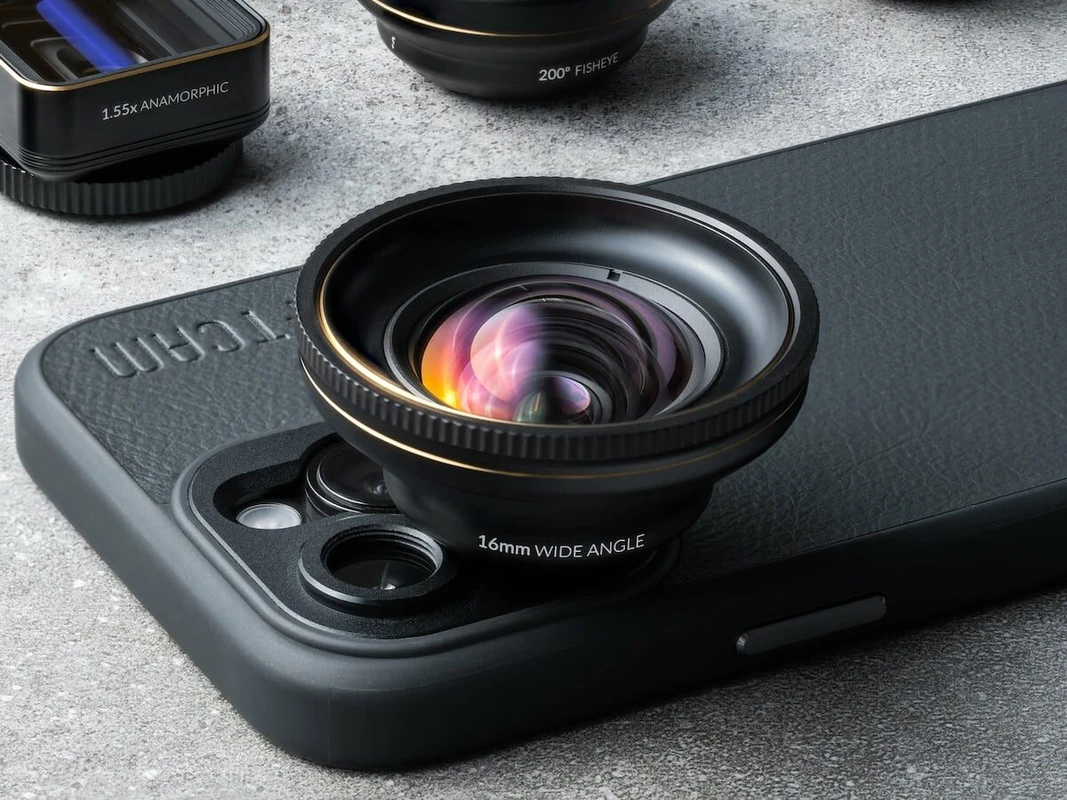
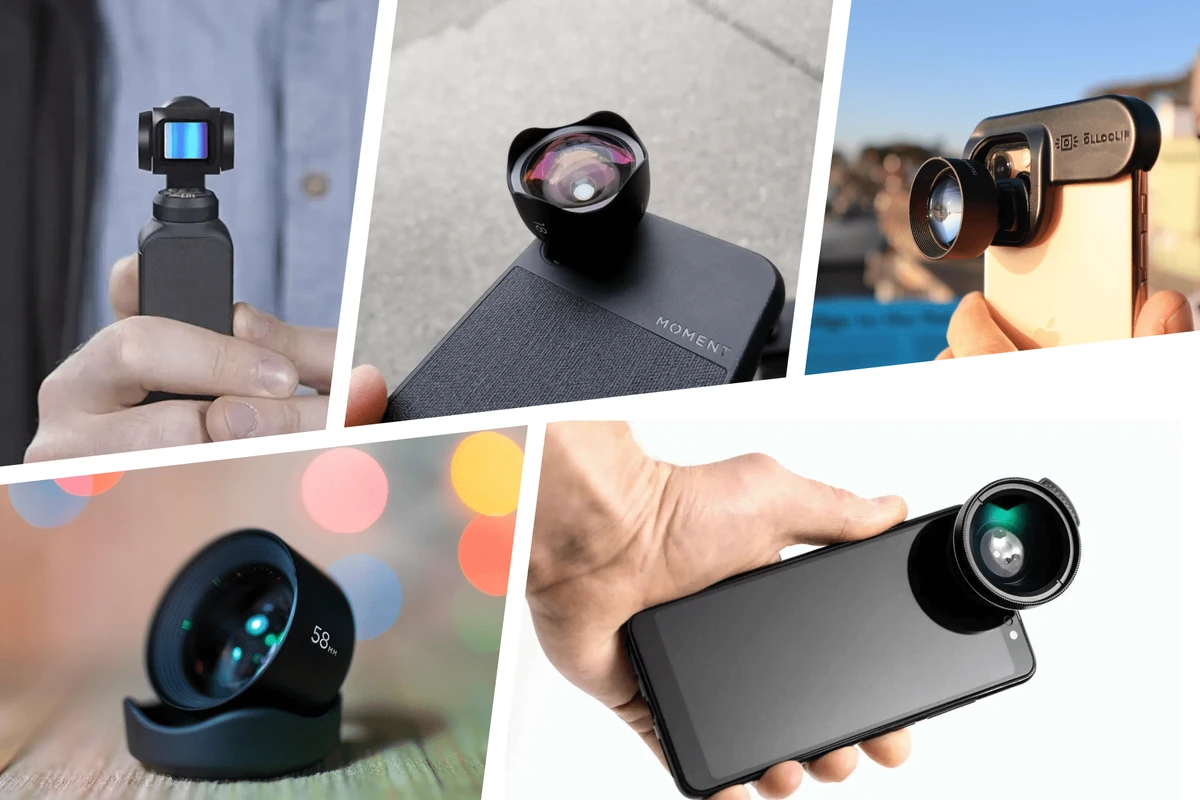
Third-party accessories like Moment lenses supplement smartphone optics by providing specialized focal lengths and improved glass quality. These lenses attach externally, expanding creative possibilities with macro, anamorphic, or telephoto options. Moment lenses’ optical precision enhances sharpness and reduces aberrations beyond native smartphone capabilities, appealing to enthusiasts and professional mobile photographers.
Future Trends in Smartphone Lens and Imaging Technology
Ongoing research in sensor materials such as InVisage’s QuantumFilm promises further leaps in photon capture efficiency and dynamic range. QuantumFilm sensors incorporate quantum dot technology to increase light absorption beyond traditional CMOS sensors, potentially revolutionizing low-light performance.
AI-driven photographic processing will continue evolving, with machine learning models becoming more adept at scene understanding, real-time adjustments, and even generating synthetic details to compensate for hardware limits. The integration of Glass AI and similar technologies will likely become standard in flagship devices.
Optical innovations may include the wider adoption of folded optics, liquid lenses enabling rapid focus changes, and hybrid zoom systems combining periscope lenses with computational zoom for seamless range extension. These advancements will collectively push smartphone cameras closer to professional-grade systems while maintaining compactness and user convenience.
| Smartphone | Sensor Size | Lens Configuration | Optical Zoom | AI Features |
|---|---|---|---|---|
| Apple iPhone 15 Pro Max | 1/1.3″ main sensor | Triple-lens (wide, ultra-wide, telephoto) | Up to 5x (folded optics) | Real-time HDR, sensor-shift OIS, A17 Pro AI processing |
| Samsung Galaxy S24 Ultra | 1/1.3″ 200MP main sensor | Quad-lens (wide, ultra-wide, dual telephoto) | Up to 10x (periscope) | AI scene optimization, multi-frame fusion |
| Oppo Find X6 Pro | 1/1.28″ sensor | Triple-lens (wide, ultra-wide, telephoto) | 3x optical zoom | OIS, AI noise reduction, color optimization |
| Moment Lenses (Accessory) | N/A (external lenses) | Wide, telephoto, macro options | Varies by lens | Enhanced sharpness, reduced aberrations |
These examples illustrate the current state-of-the-art in smartphone lens and imaging systems, combining hardware advancements with powerful AI to deliver superior photographic results.
FAQ
How does sensor size affect smartphone image quality?
Larger sensor sizes allow more photons to be captured per pixel, improving light sensitivity, reducing noise, and enhancing dynamic range. This results in clearer, more detailed images, especially in low-light conditions, as demonstrated by flagship smartphones like the iPhone 15 Pro Max.
What advantages do multi-lens smartphone cameras offer?
Multi-lens systems provide optical zoom capabilities and multiple focal lengths, enabling wide-angle, telephoto, and macro photography without digital quality loss. These configurations increase compositional flexibility and improve image sharpness across various shooting scenarios.
How does optical image stabilization improve photos?
OIS compensates for hand shake by physically stabilizing the lens or sensor, allowing longer exposure times without blur. This reduces motion-induced artifacts and enhances low-light performance, contributing to sharper images in challenging conditions.
What role does AI play in smartphone photography?
AI algorithms perform tasks like HDR merging, noise reduction, and color optimization by processing multiple image frames and enhancing raw optical data. Advanced AI technologies, including Glass AI, restore fine details and improve overall image quality beyond hardware capabilities.
Can external lenses improve smartphone camera quality?
Yes, third-party lenses like those from Moment offer specialized optical designs that expand focal length options and improve image sharpness. These lenses reduce aberrations and enhance creative possibilities, supplementing native smartphone optics.
smartphone camera technology continues to evolve rapidly, with improvements in sensor materials, lens design, and AI integration driving image quality to new heights. Future developments in quantum-dot sensors and advanced computational algorithms are poised to further narrow the gap between mobile and professional photography.
For more detailed technical insights, visit DxOMark’s analysis on sensor size impact and explore advances in AI-assisted imaging at Coherent Market Insights on AI and computational photography.