SnapRoamer.com – Smartphone photography has transformed travel and landscape imagery, enabling enthusiasts to capture stunning visuals at iconic locations like the Grand Canyon and renowned national parks without professional gear. Mastering this craft requires not only choosing exceptional destinations but also applying advanced techniques such as leveraging golden hour lighting, optimizing smartphone camera settings like HDR and RAW, stabilizing shots with tripods, and creatively using reflections to enhance composition and depth. Recent advances in smartphone camera technology, exemplified by the iPhone 16 Pro’s 48MP Fusion Camera and Night mode, further empower photographers to produce sharp, vibrant images comparable to traditional cameras.
The Grand Canyon, with its expansive vistas and natural light dynamics, remains a premier location for smartphone travel photography. National parks across the globe offer similarly dramatic backdrops, often enhanced by water bodies or glass surfaces that create compelling reflections. Capturing these scenes effectively involves timing shoots during golden hour, when the sun’s low angle casts soft, warm light that enriches colors and textures. Smartphone users benefit from employing tripods or stable mounts to reduce motion blur, especially in low-light conditions or when using manual exposure settings. Additionally, photography apps such as Stuck on Earth and Locationscout assist in scouting optimal locations and timing, helping photographers plan trips that maximize light and composition advantages.
Leveraging Natural and Artificial Light in Smartphone Photography
Natural light remains the cornerstone of exemplary smartphone photography, with golden hour—shortly after sunrise or before sunset—offering the most favorable conditions. This period provides soft, diffuse lighting that minimizes harsh shadows and accentuates landscape contours, crucial for iconic sites like the Bass Harbor Lighthouse or the Ndoto Mountains. During midday’s intense sunlight, photographers must adjust exposure settings to prevent blown highlights and excessive contrast. Smartphones equipped with HDR (High Dynamic Range) technology automatically balance these extremes, capturing detail in both bright and dark areas, a feature increasingly sophisticated in models like the iPhone 16 Pro.
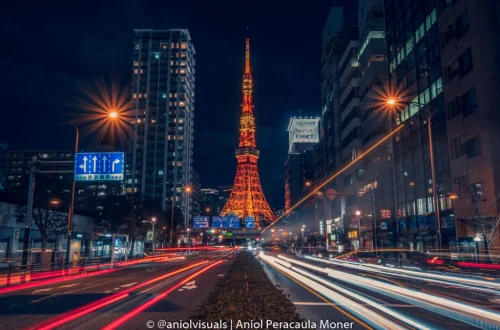
Artificial light use is pivotal for indoor or night photography, where natural illumination is insufficient. Photographers often rely on smartphone Night mode, which extends exposure time and enhances image clarity without manual intervention. Supplementing with portable LED lights or diffusers can simulate natural lighting conditions, reducing harsh shadows or glare. Adjusting white balance and manual exposure settings further refines image quality under artificial lighting. Understanding the interplay between natural and artificial light sources allows photographers to maintain consistent image aesthetics across diverse environments.
Techniques to Enhance Smartphone Photography Quality
Reflections introduce symmetry and depth to photographs, enriching visual storytelling. Surfaces such as lakes, calm rivers, or glass facades serve as natural mirrors, doubling scenic elements and adding compositional complexity. At the Grand Canyon, for example, reflective pools highlight intricate rock formations, while coastal locations like Bass Harbor Lighthouse benefit from water reflections that complement the structure’s silhouette. Photographers should experiment with angles and perspectives to maximize reflective effects, ensuring horizons remain level for balanced compositions.
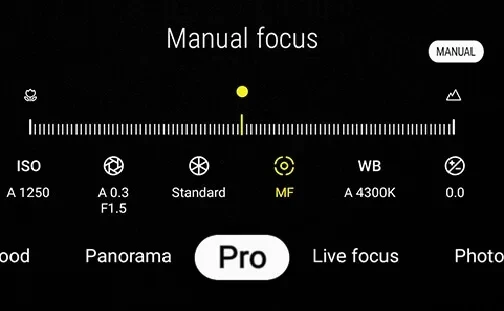
Stabilization is critical to minimizing motion blur and achieving sharp images. While many smartphones include optical image stabilization (OIS), additional physical support enhances results, especially in low-light or telephoto scenarios. Tripods designed for smartphones offer versatility, enabling long exposures and precise framing. Alternatively, resting phones on stable surfaces or using hand positioning techniques—such as bracing elbows against the body—can reduce shake. Combining stabilization with manual focus and exposure adjustments empowers photographers to capture detailed, high-quality images even in challenging conditions.
Smartphone camera capabilities like HDR, RAW format shooting, and manual controls significantly affect image output. RAW files retain uncompressed data, allowing extensive post-processing without quality loss—a feature increasingly available in premium devices. HDR merges multiple exposures to balance highlights and shadows, essential for high-contrast scenes common in natural landscapes. Manual focus enables precise control over focal points, while exposure compensation adjusts brightness levels to suit ambient light. Familiarity with these features, coupled with post-processing apps, elevates smartphone photography from casual snapshots to professional-grade visuals.
Exploring Iconic Places for Capturing Unique Photos
The Grand Canyon’s vastness and geological textures provide unparalleled opportunities for capturing dramatic landscapes. Photographers leveraging golden hour lighting reveal complex rock strata and vibrant hues, while early morning mist adds ethereal quality. Similarly, the Bass Harbor Lighthouse in Maine offers a blend of coastal ruggedness and architectural charm, with sunrise and sunset reflecting off Atlantic waters to create captivating images. African landscapes, such as Kenya’s Ndoto Mountains, showcase rich biodiversity and expansive horizons. Utilizing the iPhone 16 Pro, photographers have documented these terrains with remarkable clarity, supported by features like the 48MP Fusion Camera and Night mode for dawn and dusk shots.
Ethical considerations and safety remain paramount in natural and wildlife photography. National Park Service (NPS) guidelines emphasize respecting wildlife habitats, maintaining safe distances, and avoiding disturbance. Photographers must also adhere to park regulations regarding drone use, flash photography, and trail access to preserve environmental integrity. Responsible practices ensure sustainable enjoyment of these iconic locations for future generations and maintain the trust of local communities and conservation authorities.
Tools and Resources for Planning Smartphone Photography Trips
Planning enhances the effectiveness of smartphone photography excursions. Dedicated apps like Stuck on Earth and Locationscout provide curated lists of iconic photography spots worldwide, enriched with user reviews and optimal shooting times. These platforms integrate maps, weather forecasts, and social sharing features, facilitating comprehensive trip preparation. Google Earth’s virtual scouting capabilities enable users to pre-visualize locations, assess terrain, and identify vantage points prior to travel, thereby maximizing on-site efficiency.
Cyber scouting complements physical reconnaissance, allowing photographers to analyze lighting conditions using historical sun path data and weather patterns. Combining this with mobile photography forums and expert tutorials ensures informed decision-making regarding equipment and timing. Utilizing these digital tools supports strategic planning, reducing wasted effort and enhancing photographic outcomes.
Advancements in Smartphone Photography Technology
Smartphone camera technology has evolved significantly, with devices like the iPhone 16 Pro setting new standards. Its 48MP Fusion Camera merges pixel data for enhanced sharpness and dynamic range, while computational photography algorithms optimize exposure and color balance in real time. Night mode capabilities allow for detailed low-light shots without sacrificing clarity, supported by image stabilization and noise reduction. Photographic Styles enable personalized tonal adjustments, preserving skin tones and landscape textures.
These technological strides democratize access to high-quality photography, allowing travelers to document experiences with professional-level results. Integration of AI-driven features such as scene recognition and automatic composition suggestions further streamline the creative process. As smartphone cameras continue advancing, their role in travel and landscape photography will expand, challenging traditional camera markets and inspiring innovation.
Celebrating Mobile Photography Excellence
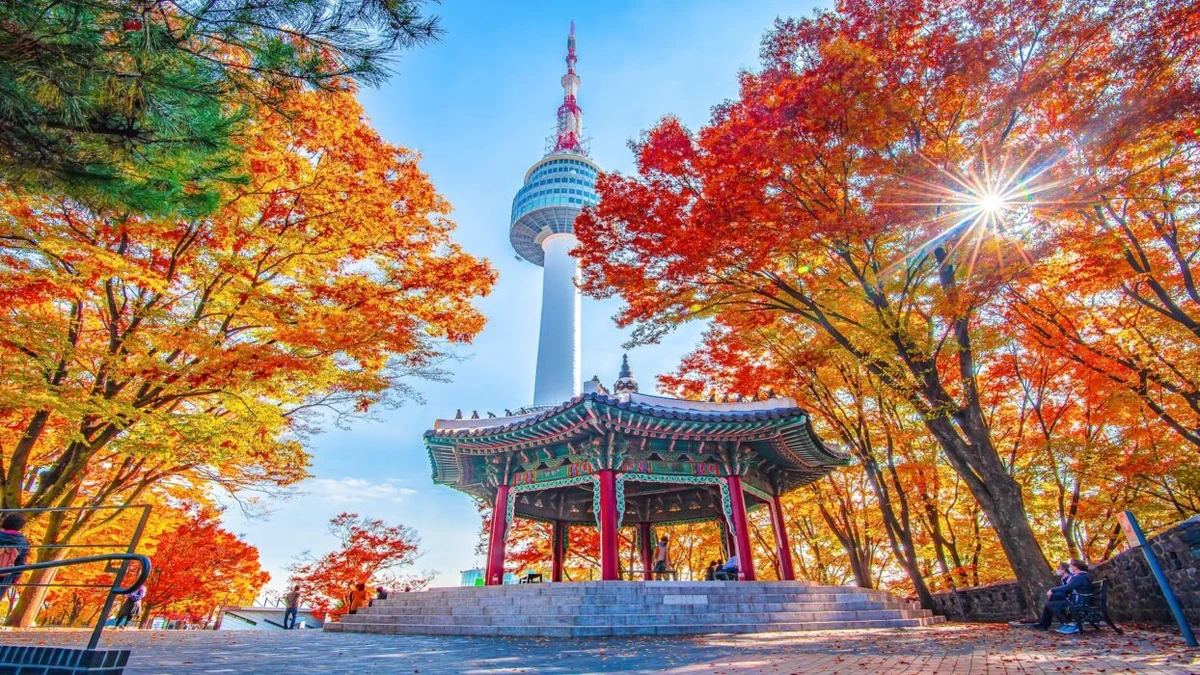
The Mobile Photography Awards (MPA) spotlight outstanding achievements in mobile photography globally. The annual competition recognizes diverse categories, including landscapes, reflections, and wildlife, showcasing the creative potential unlocked by smartphone technology. Winners often demonstrate mastery of lighting, composition, and technical settings, emphasizing the importance of skill alongside equipment.
MPA’s influence extends beyond competition, fostering a community of mobile photographers who share knowledge and push creative boundaries. Its prominence affirms the legitimacy of smartphone photography as a serious artistic medium, encouraging continuous learning and innovation among enthusiasts and professionals alike.
| Location | Iconic Features | Recommended Lighting | Smartphone Techniques | Ethical Guidelines |
|---|---|---|---|---|
| Grand Canyon | Vast geological formations, reflective pools | Golden hour, early morning mist | HDR, tripod stabilization, manual focus | Stay on trails, respect wildlife distances |
| Bass Harbor Lighthouse | Coastal lighthouse, water reflections | Sunrise and sunset | Exposure adjustment, reflection composition | No flash photography, preserve natural habitat |
| Ndoto Mountains, Kenya | Mountain vistas, diverse wildlife | Golden hour, dusk | Night mode, RAW shooting, tripod | Maintain safe distance, avoid disturbance |
FAQ
What are the best times to photograph landscapes with a smartphone?
The golden hour, occurring shortly after sunrise and before sunset, offers the best natural lighting for smartphone landscape photography by providing soft, warm light that enhances colors and reduces harsh shadows. Early morning mist or dusk can add atmospheric effects, while midday sun requires careful exposure adjustments.
How can I stabilize my smartphone to avoid blurry photos?
Using a tripod designed for smartphones is the most effective method to stabilize shots. Alternatively, resting the phone on stable surfaces or employing proper hand-holding techniques—such as bracing elbows against the body—can reduce motion blur. Combining stabilization with camera features like optical image stabilization improves sharpness.
Which smartphone camera settings improve photo quality for travel photography?
Enabling HDR balances bright and dark areas in high-contrast scenes, while shooting in RAW format preserves image data for advanced editing. Manual focus and exposure controls allow precise adjustments to suit lighting conditions. Night mode enhances low-light shots by extending exposure time and reducing noise.
Are there apps that help find iconic photography spots for smartphone users?
Yes, apps like Stuck on Earth and Locationscout provide curated lists of popular photography locations worldwide, offering user reviews, maps, and optimal shooting times. Google Earth also allows virtual scouting to plan compositions and assess terrain before travel.
What ethical considerations should I keep in mind when photographing in natural parks?
Always respect wildlife by maintaining safe distances and avoid disturbing habitats. Follow park regulations regarding photography equipment, drone usage, and trail access. Avoid flash photography near animals and adhere to guidelines set by authorities such as the National Park Service to preserve the natural environment.
Smartphone photography continues to evolve, blending technological innovation with artistic expression. For travel photographers, mastering location selection, lighting, and camera settings unlocks the full potential of mobile devices, enabling the capture of memorable, high-quality images. Future developments in AI and sensor technology promise further enhancements, making smartphone photography an indispensable tool for documenting the world’s most iconic landscapes.
For official guidelines on photography in national parks, see the National Park Service Photography Guidelines. To explore the latest in mobile photography achievements, visit the Mobile Photography Awards official site.