SnapRoamer.com – The Travel Photographer of the Year competition, featuring a £1,000 (about $1.4 thousand) top prize, is approaching its 2026 deadline on October 12. As photographers prepare for high-stakes competitions, experts are shifting focus toward ethical location sharing and weather-resilient shooting techniques to combat the rising challenges of over-tourism and unpredictable environments.
The Ethics of Exposure: Protecting Locations from Over-Tourism
To prevent location degradation, photographers should practice ethical sharing by avoiding the publication of precise GPS coordinates for sensitive natural spots. This prevents the ‘over-visitation’ effect caused by social media, where once-secluded locations suffer environmental damage due to sudden surges in foot traffic.
Social media can turn once-secluded natural spots into sites of over-visitation and degradation. When photographers publish exact locations, they risk misleading viewers about the accessibility or the ecological fragility of a site, potentially causing sudden surges in foot traffic that the local environment cannot sustain.
Maintaining the integrity of global landscapes requires a commitment to protecting the subject. Industry experts suggest that withholding specific coordinates is a necessary step to prevent the very scenery being celebrated from being destroyed by crowds.
Survival Guide: Managing Gear Failure and Wild Weather
Professional photographers often operate in environments where wind speeds can reach 30 miles per hour, necessitating specialized preparation. Pye Jirsa, co-founder of SLR Lounge, notes that if the forecast predicts extreme weather, it is best to steer clear and try again later.
The C.A.M.P. Framework for unexpected conditions
When conditions shift rapidly, relying on a structured approach can prevent panic. The C.A.M.P. framework is used to quickly set up shots in unexpected weather, focusing on Composition and Ambient Light to adapt to the changing environment. This allows a photographer to maintain creative control even when a windstorm or sudden rain occurs.
Mitigating data loss during remote travel
Technical failure is a constant threat in remote locations. According to SLR Lounge, improper handling of SD cards is a primary cause of permanent data loss.
Top Destinations for Professional-Grade Imagery
Iceland stands as a premier destination for photographers due to its unique geology and natural wonders. Other high-value locations include Patagonia, known for its volatile weather, and various global destinations that offer diverse landscapes ranging from desert dunes to coastal reflections.
According to Lisa Michele Burns, there are 24 destinations frequently cited for their high photographic value. Iceland remains a top choice, often described as a photographer’s paradise because of its dramatic landscapes. These locations provide the visual variety required for high-level competition entries, such as the Travel Photographer of the Year, where entry fees typically range from £10 (about $14)-£50 (about $68).
Mastering Composition: Beyond the Rule of Thirds
The rule of thirds is foundational in photographic composition, suggesting that the main points of interest should align with gridlines or their intersections. Photographers can use the Camera Display in Live View mode to enable the rule of thirds overlay for immediate alignment.
To elevate landscape imagery, professionals implement several specific techniques:
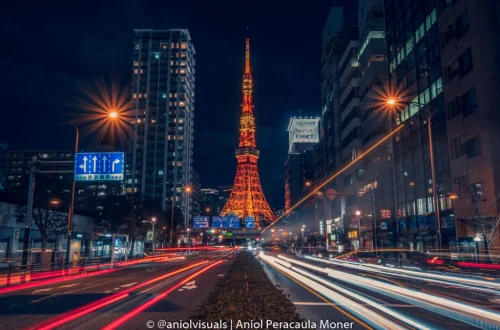
- Leading Lines: Using elements like sand dunes, roads, or mountain peaks to move the viewer’s attention through the frame.
- Negative Space: Placing the subject on the left or right side of the frame, leaving the rest devoid of detail to create a sense of isolation or loneliness.
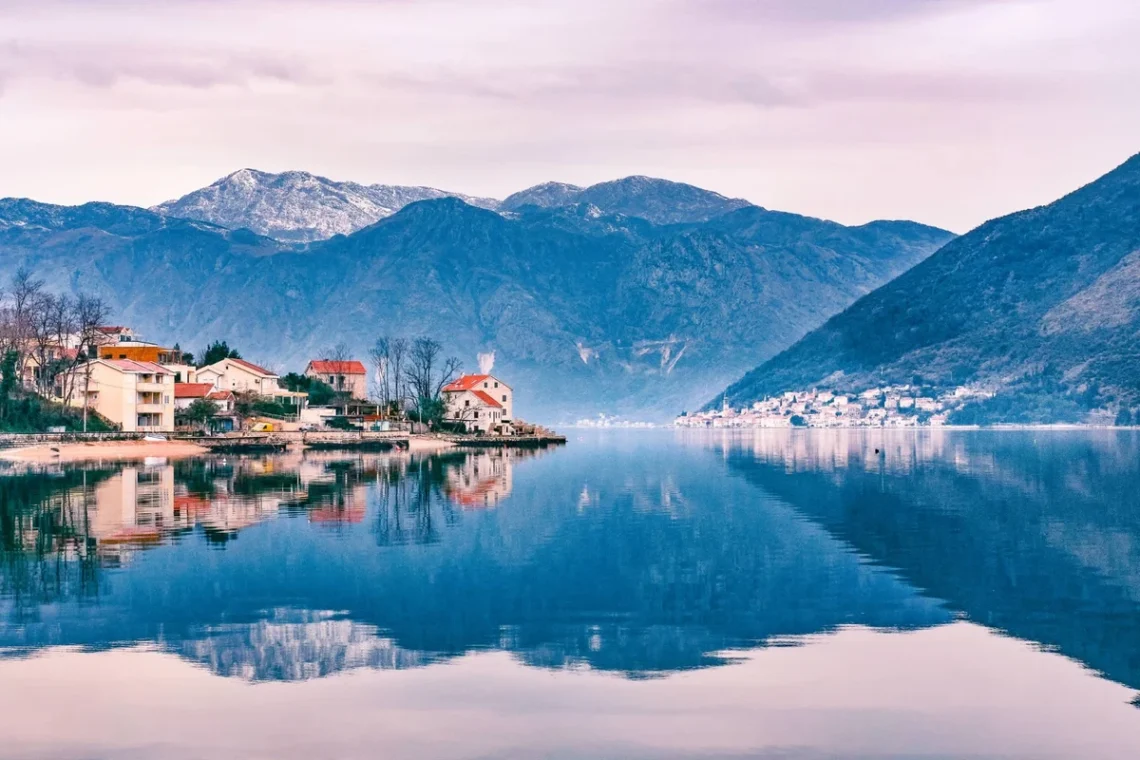
- Reflections: Utilizing water or reflective surfaces to duplicate the landscape within the composition.
The following table compares these core landscape composition techniques:
| Technique | Primary Purpose | Key Implementation |
|---|---|---|
| Leading Lines | Direct viewer attention | Use roads, rivers, or ridges |
| Negative Space | Create isolation/loneliness | Leave large areas of color/empty sky |
| Reflections | Add symmetry and depth | Use still water or reflective surfaces |
Achieving professional results requires a deep understanding of how visual weight and geometry interact to guide the eye.
Conversions use a rate of 1 GBP = $1.35 as of September 5, 2026; rates may change.