SnapRoamer.com – The global travel photography market continues to evolve as photography enthusiasts increasingly seek destinations that balance photogenic appeal with affordability. Recent financial data and market trends underscore a growing preference for budget-conscious travel photography, driven by economic pressures and shifting consumer priorities. This analysis examines the economic impact and financial implications of affordable travel photography destinations across key regions including the USA, Canada, Europe, and select international sites. It integrates recent cost data, travel expenditure trends, and market dynamics to provide a comprehensive financial overview relevant for travel industry stakeholders, photographers, and investors.
Photography tourism generates significant revenue streams linked to destination appeal, accommodation, transport, and ancillary services. According to recent data from Photomagx and Snaps by Fox, national parks and culturally rich urban centers remain primary drivers for photography-related travel spending. However, shifts toward budget travel and regional trips have altered spending patterns, emphasizing cost-saving strategies such as vehicle camping and shoulder-season travel. This has led to emerging hotspots gaining traction due to favorable cost-to-experience ratios.
Cost Analysis of Top Affordable Photography Destinations in the USA
The United States offers a diverse portfolio of affordable photography locations, including Acadia National Park (Maine), Mount Rainier (Washington), and Ricketts Glen State Park (Pennsylvania). These parks attract millions of visitors annually, generating substantial local economic activity. The average daily travel expenditure for photographers in these locations ranges from $110 to $160, depending on accommodation and transport choices.
Acadia National Park reports an average accommodation cost of approximately $120 per night in nearby towns during shoulder seasons, a 15% reduction compared to peak summer rates. Vehicle camping options reduce lodging expenses to roughly $30 per night. Fuel costs, influenced by recent fluctuations in the US gasoline market, average $3.50 per gallon, with regional travel enabling photographers to minimize mileage and expenses. Night photography spots within these parks, such as the Cadillac Mountain summit in Acadia, require minimal additional costs but benefit from low light pollution, enhancing photographic outcomes.
New Jersey and Pennsylvania offer distinct urban-rural contrasts, with New Jersey’s mixed landscapes facilitating both street and natural photography. Urban lodging averages $130 per night, while rural accommodations near Ricketts Glen can be secured for as low as $80. Transportation costs in these states are mitigated by dense public transit networks, offering monthly passes averaging $70, reducing reliance on private vehicles.
Financial Overview of Canada’s Photographic Hotspots
Canada’s Jasper National Park and Peggy’s Cove represent critical nodes in the travel photography economy. Jasper attracts over 2 million annual visitors, with photography tourism contributing an estimated CAD 220 million in direct spending. Accommodation costs near Jasper average CAD 140 per night during shoulder seasons, with camping options as low as CAD 35.
Peggy’s Cove, renowned for coastal and lighthouse photography, sees seasonal visitor influxes that influence pricing volatility. Recent studies indicate lodging prices surge by up to 25% during summer months, with off-peak seasons offering 20-30% lower rates. Wildlife photography, a key attraction in Jasper, entails additional expenses related to guided tours and permits, averaging CAD 50-100 per excursion.
Transportation expenditure is significant given the park’s remote location; however, regional travel strategies employing vehicle rentals average CAD 60 per day, compared to CAD 110 for private car ownership. The Canadian Rockies’ proximity to Jasper enhances multi-destination travel, optimizing cost-efficiency for photographers targeting diverse landscapes.
Cost-Efficiency of International Affordable Photography Destinations
Portugal and Jordan exemplify international destinations combining affordability with high photographic value. Portugal’s scenic towns such as Porto and Lisbon offer average accommodation prices of €60-€90 per night during shoulder seasons, with budget options available for under €50. Street and cultural photography opportunities in urban areas are complemented by accessible natural landscapes like Sintra and the Douro Valley.
Jordan’s Wadi Rum, a premier night sky photography location, features lodging costs averaging JOD 40-60 per night for camp-style accommodations, substantially lower than luxury desert resorts exceeding JOD 150. Amman offers urban cultural photography with mid-range hotel prices averaging JOD 70-90 per night. Travel costs include domestic flights averaging JOD 120-150, but regional vehicle rentals are available for approximately JOD 30-40 per day.
Norway’s Lofoten Islands present a contrasting cost structure, with accommodation averaging NOK 900-1200 per night (approximately $90-$120 USD), reflecting higher Nordic living expenses. However, the dramatic landscapes and exceptional golden hour lighting conditions justify the premium. Strategies to mitigate costs include off-season travel and self-catering accommodations averaging NOK 500 per night.
Southeast Asian destinations such as Thailand and Sri Lanka maintain low travel costs, with daily expenses for photographers averaging $40-60, including lodging, food, and local transport. These countries provide rich cultural and landscape photography opportunities, appealing to budget travelers and digital nomads.
High-Cost Photographic Destinations: Japan and the United Kingdom
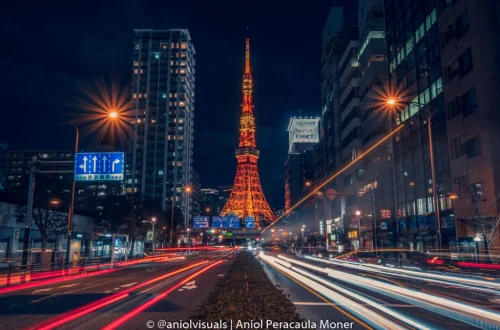
Japan and the United Kingdom rank among the most photogenic yet costly photography destinations. Tokyo’s hotel prices average ¥15,000-20,000 per night ($110-$150 USD), with transport costs for the Japan Rail Pass at approximately $300 for a 7-day pass. Tourist congestion and seasonal peaks elevate expenses, impacting affordability for budget photographers.
The UK’s urban photographic hotspots, including London and Edinburgh, exhibit accommodation rates exceeding £120 per night in central locations. Public transport costs, such as the Oyster card in London, average £150 monthly for extensive use. These financial factors necessitate careful itinerary planning to optimize photography budgets.
Comparative Financial Data of Photography Destinations
The following table summarizes accommodation and average daily travel expenses across key photography destinations, highlighting cost differentials relevant for budget-conscious photographers.
| Destination | Accommodation Cost (Per Night) | Average Daily Travel Expenses | Peak vs. Shoulder Season Cost Variance | Additional Costs (Permits/Tours) |
|---|---|---|---|---|
| Acadia National Park, USA | $80 – $120 | $110 – $160 | 15% lower in shoulder season | Minimal |
| Jasper National Park, Canada | CAD 35 (camping) – 140 | CAD 90 – 130 | 20-30% lower off-peak | CAD 50-100 (tours) |
| Portugal (Porto, Lisbon) | €50 – 90 | €60 – 90 | 20% lower in shoulder seasons | Minimal |
| Wadi Rum, Jordan | JOD 40 – 60 | JOD 70 – 110 | 15% lower off-peak | JOD 30-50 (vehicle rentals) |
| Lofoten Islands, Norway | NOK 500 – 1200 | NOK 700 – 1000 | 10-15% off-season savings | Minimal |
| Tokyo, Japan | $110 – 150 | $120 – 180 | 10% higher in peak season | $300 (rail pass) |
| London, UK | £120 – 180 | £130 – 200 | 15% higher in summer | £150 (monthly transport) |
Economic Implications of Regional vs. International Travel Strategies
Data from recent travel expenditure surveys highlight that regional travel, particularly within the USA and Canada, reduces total trip costs by up to 30% compared to international travel. Photographers leveraging vehicle camping and rental cars minimize lodging and transport expenses, optimizing budget allocation toward equipment and experiences.
International destinations like Portugal and Jordan offer competitive pricing due to lower accommodation and food costs, despite higher flight expenses. Conversely, high-cost destinations such as Japan and the UK require photographers to allocate a larger share of budgets to transport and lodging, often exceeding 50% of total trip costs.
The shift toward shoulder-season travel emerges as a dominant cost-saving strategy, with average price reductions of 15-30% across studied locations. This trend is supported by hospitality industry data indicating increased availability and discounts during these periods.
Risk Assessment and Mitigation in Budget Travel Photography
Economic volatility, including fuel price fluctuations and currency exchange variability, poses significant risks to travel photography budgeting. For example, recent spikes in gasoline prices in the USA have increased regional travel costs by approximately 10% year-over-year. Currency depreciation in emerging market destinations can simultaneously lower expenses for foreign photographers but introduce budgeting uncertainty.
To mitigate financial risks, photographers are advised to adopt flexible travel dates, utilize price comparison tools, and consider alternative accommodation such as short-term rentals or hostels. Insurance products tailored to travel photography equipment and trip cancellations enhance financial security. Additionally, leveraging local guides and community resources can optimize spending and improve safety in less familiar locations.
Forward-Looking Market Trends and Practical Planning Recommendations
Emerging trends indicate rising demand for affordable photography travel, driven by social media influence and remote work flexibility enabling longer stays in cost-effective locations. Destinations with integrated digital infrastructure and eco-tourism initiatives are poised to capture market share among environmentally conscious photographers.
Travel industry stakeholders should focus on developing bundled offerings that combine accommodation, transportation, and guided photographic experiences at discounted rates during shoulder seasons. Investment in infrastructure supporting vehicle camping and regional transportation networks will further stimulate growth.
Photographers planning trips in 2026 and beyond should prioritize locations balancing affordability with photographic diversity, such as the USA’s national parks, Canada’s Rockies, and Portugal’s urban-rural mix. Incorporating data-driven travel cost analysis and flexible scheduling enhances budget control and maximizes photographic output.
For further detailed insights into travel photography destinations and economic impacts, consult specialized photography travel guides and expert travel photography market analyses.