SnapRoamer.com – Smartphone cases play a critical role in protecting devices like the Apple iPhone 17 and Samsung Galaxy S26 while complementing users’ lifestyles. Selecting an optimal case goes beyond mere aesthetics; it requires a precise balance of protection level, material durability, device compatibility, grip quality, and additional functionalities such as wallet features. This article delves into the key considerations for choosing the best smartphone case in 2026, supported by expert insights, real-world data, and market trends.
Smartphone screens are particularly vulnerable at the corners due to concentrated impact forces during drops, making corner protection a priority for case selection. According to Wired, screens are more likely to shatter at these points, and silicone or rubber cases significantly mitigate this risk through superior shock absorption. case materials and design also influence grip texture, impacting accidental drops, a primary source of damage. Phones with glass finishes, such as the iPhone 17, benefit from textured cases that enhance grip and reduce slippage.
Compatibility with specific phone features—including side buttons, camera modules, and wireless charging capabilities—is essential to maintain usability without compromising protection. Cases must align precisely with model dimensions and allow unhindered function; otherwise, user experience suffers. Outdoor users and professionals often require rugged cases with multi-layer protection, while casual users may prefer slim, lightweight cases that preserve the phone’s sleek profile.
Understanding Phone Vulnerabilities
Smartphone damage predominantly occurs from drops and impacts, with the screen and corners facing the highest risk. A study by Wired highlights that corner impacts concentrate force, often resulting in screen cracks that propagate across the display. The iPhone 17 and Samsung Galaxy S26, with their expansive glass surfaces and curved edges, emphasize the need for cases designed to absorb shock efficiently at these critical points.
Common damage types include screen shattering, frame dents, and camera lens scratches. Cases with reinforced corners and raised bezels around the screen and camera can prevent direct contact with surfaces during falls. Moreover, impact absorption capabilities vary significantly by material, affecting overall device protection.
Key Factors to Consider When Choosing a Smartphone Case
Selecting the right smartphone case hinges on assessing protection requirements based on lifestyle and environment. For example, outdoor users or those in physically demanding professions benefit from rugged cases that combine shock-absorbent cores and hard outer shells to withstand drops exceeding 10 feet. Consumer Reports notes that these heavy-duty cases often meet military-grade drop-test standards, providing peace of mind in harsh conditions.
Compatibility with phone features is equally important. Wireless charging demands cases without metal components or excessive thickness—often limited to 3mm or less—to maintain charging efficiency. Button covers must provide tactile feedback without impairing responsiveness, while camera cutouts need precise alignment to avoid obstructing lenses or flash.
Users must also consider style preferences. Slim cases cater to those prioritizing pocketability and minimal bulk, often using flexible TPU or thin polycarbonate. Wallet and folio cases add convenience by integrating card slots and screen covers but increase overall size and weight.
Phone Case Materials: Pros and Cons
Material choice significantly affects protection, durability, grip, and aesthetics. Below is an analysis of common materials used in smartphone cases:
Environmental impact is gaining attention among consumers and manufacturers. Biodegradable and recycled materials are emerging trends, particularly in TPU blends and plant-based leathers, addressing sustainability concerns without compromising function.
Case Styles and Functionalities
Smartphone cases now cater to diverse user needs through various styles:
Additional functionalities like antimicrobial coatings, built-in kickstands, and MagSafe compatibility (for Apple devices) are increasingly standard, enhancing user convenience and hygiene.
Grip and Ergonomics
Case grip texture significantly impacts drop prevention, especially for phones with slippery glass finishes such as the Samsung Galaxy S26. Consumer Reports highlights textured silicone or rubberized coatings as effective in enhancing grip without discomfort during prolonged use.
Some cases incorporate ridges, patterns, or matte finishes to increase tactile friction. Ergonomic designs contour to hand shape, optimizing comfort and reducing fatigue during extended phone use. For gamers and professionals engaging in prolonged device handling, grip and ergonomics are critical factors influencing case choice.
Market Trends and Availability
The latest flagship phones—Apple iPhone 17 and Samsung Galaxy S26—have prompted accessory manufacturers to innovate in case design, balancing enhanced protection with slim profiles. Asia Pacific remains the hub for smartphone case manufacturing, focusing on scalable production of TPU, polycarbonate, and hybrid cases for global distribution.
Made-in-China Insights reports a rising demand for eco-friendly materials and rugged designs suited for outdoor activities. Simultaneously, consumer preference trends lean towards multifunctional cases featuring wallet capabilities and antimicrobial surfaces.
Price segmentation varies widely, with budget TPU cases available under $20, mid-range rugged cases priced between $40–$70, and premium leather or hybrid models exceeding $100. Brand reputation and verified drop-test certifications influence consumer trust and willingness to invest.
Expert Recommendations and Popular Brands
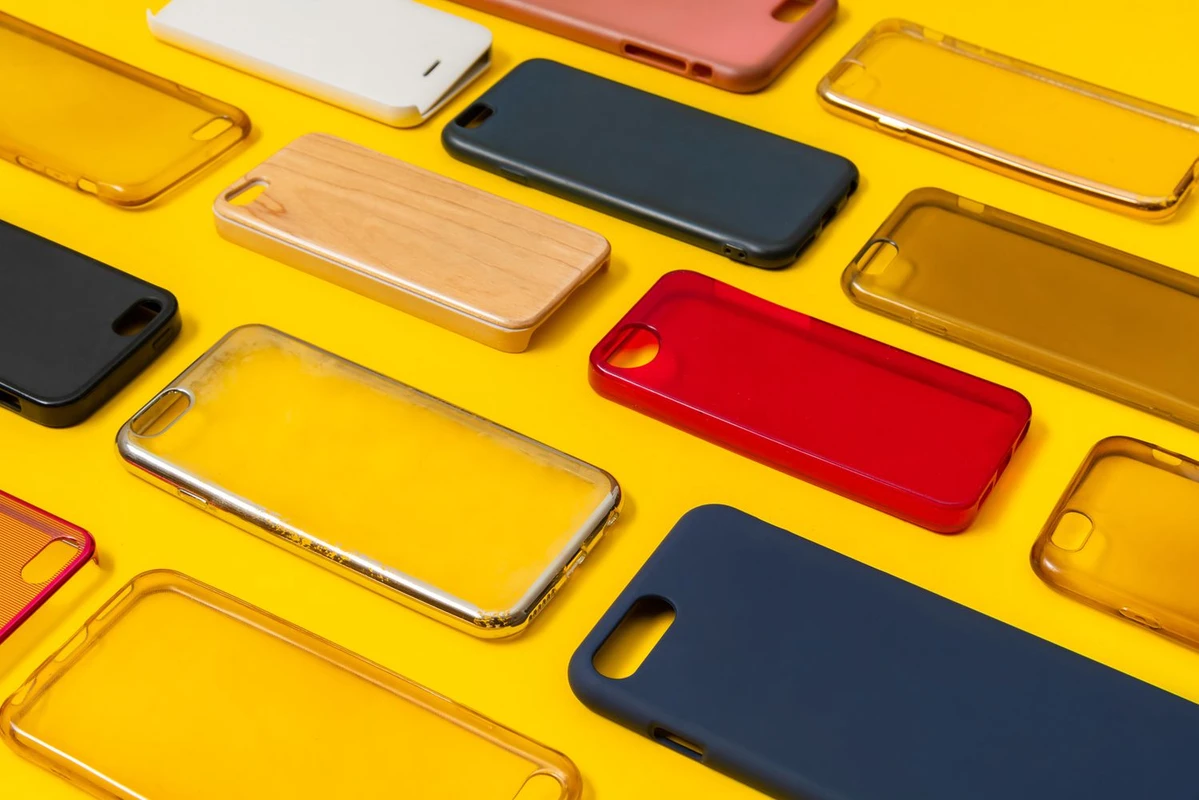
Industry experts recommend prioritizing shock-absorbent materials such as silicone or TPU for baseline protection, especially for vulnerable phone corners and screens. ESR’s TPU cases balance durability and slimness, making them a popular choice for iPhone 17 users. Tech21’s Evo Max receives commendations for ruggedness and antimicrobial features, appealing to professionals and outdoor enthusiasts.
Smartish’s Gripmunk case is noted for enhanced grip texture and drop protection, suitable for users prone to accidental drops. Case-Mate offers diverse material options, including leather and fabric, catering to style-conscious consumers.
Price-wise, investing in mid-tier cases ($40-$70) often yields the best balance of protection, style, and functionality without excessive bulk or cost. Expert reviews from NYT Wirecutter and Consumer Reports consistently highlight the importance of multi-layer protection and precise phone model compatibility.
| Case Brand | Material | Key Features | Recommended User | Price Range (USD) |
|---|---|---|---|---|
| Tech21 Evo Max | TPU + Polycarbonate | Military-grade drop protection, antimicrobial coating | Outdoor users, professionals | $50 – $70 |
| ESR Slim TPU Case | TPU | Slim profile, raised bezels, wireless charging compatible | Everyday users, casual | $15 – $25 |
| Smartish Gripmunk | Silicone | Enhanced grip texture, shock absorption | Users prone to drops, younger demographics | $20 – $30 |
| Case-Mate Leather Folio | Leather | Professional aesthetics, wallet functionality | Professionals, travelers | $60 – $100 |
Frequently Asked Questions
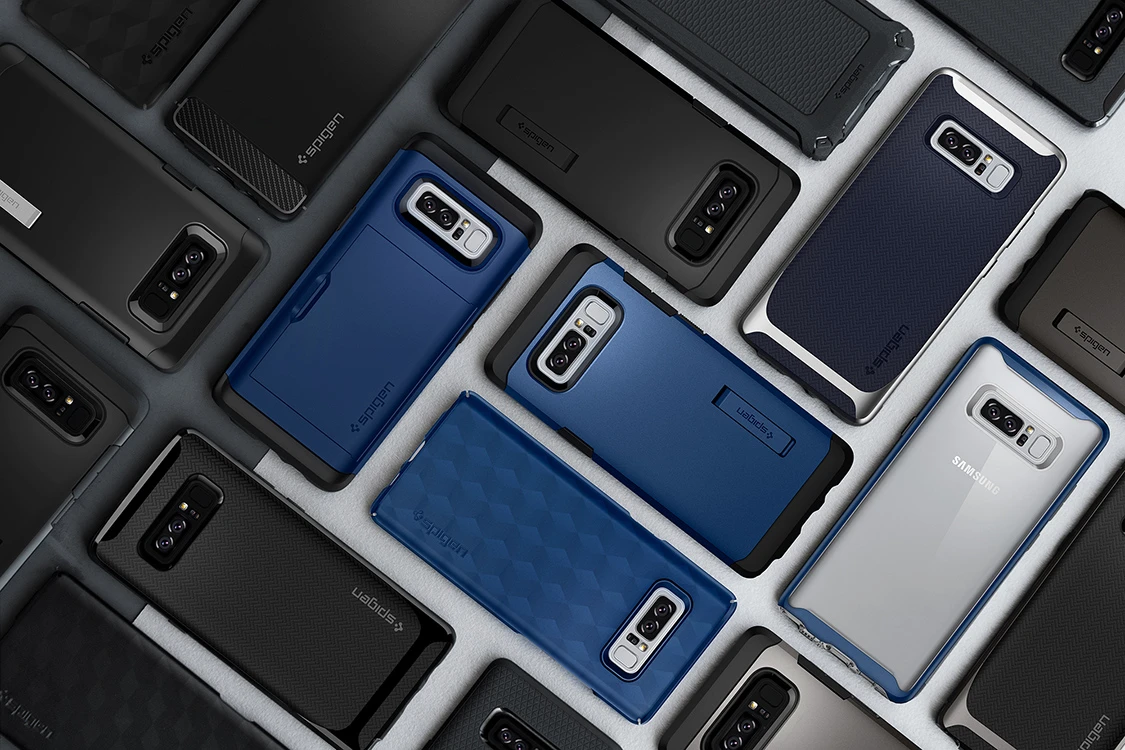
What is the best material for shock-absorbent phone cases?
Silicone and TPU are widely regarded as the most effective shock-absorbent materials due to their flexibility and ability to cushion impacts, especially at vulnerable phone corners.
Can I use a wallet case with wireless charging?
Wallet and folio cases sometimes interfere with wireless charging, particularly if they contain metal components or are too thick. Slim wallet cases designed without metal and under 3mm thickness are generally compatible.
Are rugged cases suitable for everyday use?
While rugged cases provide superior protection, they tend to be bulkier and heavier, which may be inconvenient for casual daily use. Users should weigh protection needs against portability preferences.
How important is grip texture in phone cases?
Grip texture significantly reduces the likelihood of accidental drops, especially for phones with smooth glass finishes. Cases with ridges, silicone coatings, or matte finishes enhance tactile friction and handling.
Do leather phone cases offer adequate protection?
Leather cases primarily focus on aesthetics and moderate protection. They offer less shock absorption compared to silicone or TPU but are favored for their professional appearance and durability against scratches.
—
Choosing a smartphone case in 2026 necessitates a comprehensive evaluation of material properties, protection capabilities, and compatibility with device features. Users must align case selection with their lifestyle demands—whether prioritizing ruggedness, slimness, or multifunctionality. Emerging trends highlight sustainability and antimicrobial features as growing priorities. The evolving smartphone accessory market continues to innovate, offering a diverse range of options to meet varied protection and style requirements.
For further expert advice and detailed case reviews, refer to the Wired guide on picking phone cases and the NYT Wirecutter’s iPhone case reviews.