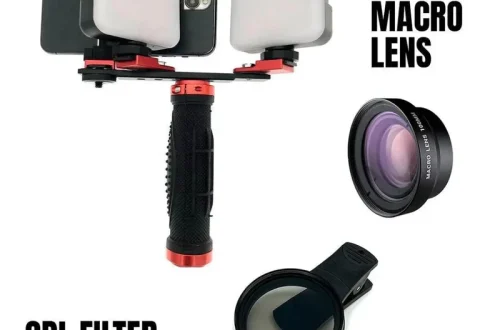
SnapRoamer.com – Selecting a phone case that combines robust protection with practical usability is essential for modern smartphone users who seek durability without sacrificing style or functionality. The ideal case integrates shock-absorbent materials such as silicone or rubber with structural reinforcements like raised edges and air-pocket corners to shield devices from everyday drops and impacts. This protective design must also accommodate wireless charging compatibility and offer a secure grip to prevent accidental slips, accommodating both iPhone and Android phone models, including Samsung variants.
Industry leaders like OtterBox have set rigorous durability benchmarks with their DROP+ certified cases, undergoing extensive drop and fatigue tests that exceed military standards (MIL-STD-810G). These standards ensure that cases provide reliable defense against impact, while materials such as thermoplastic polyurethane (TPU), hard plastics, and synthetic leathers deliver a balance between shock absorption, rigidity, and aesthetic appeal. User reviews from TechGearLab and Smartish reinforce the importance of these features, highlighting trade-offs between rugged bulk and slim profiles tailored to different user preferences.
Protective Features to Prioritize in Phone Cases
Shock-absorbent materials stand at the forefront of phone case protection. Silicone, rubber, and TPU are widely recognized for their elasticity and ability to dissipate impact energy, reducing the risk of damage during drops. TPU, often used in gel cases, offers a flexible yet durable layer that absorbs shocks without compromising the phone’s form factor. These materials are frequently paired with hard plastic shells to enhance structural integrity, providing a rigid barrier against punctures and scratches.
Raised edges and air-pocket corners are critical design elements that protect the screen and vulnerable phone corners. Elevated bezels prevent direct contact between flat surfaces and the screen, mitigating scratches and cracks. Air-pocket technology, which creates small, flexible cushions at the corners, absorbs impact forces during falls, a feature prominent in OtterBox’s DROP+ line. Dual-layer designs combining a shock-absorbent inner layer with a hard outer shell have become standard for rugged cases, delivering multi-dimensional protection without excessive bulk.
Grip and Handling Considerations
The tactile experience of a phone case significantly influences its usability and drop prevention. Textured edges enhance grip by increasing friction between the hand and the case surface, reducing slip risks in everyday use. Smartish emphasizes that grip textures should avoid sticky or lint-attracting finishes, which can degrade over time and diminish handling comfort. Conversely, slick surfaces, often found on clear or hard plastic cases, prioritize aesthetics but may increase the likelihood of accidental drops.
Balancing grip with pocketability is another crucial consideration. Rugged cases with aggressive textures and reinforced corners offer superior protection but can add bulk and reduce comfort when carrying phones in pockets. Slim cases from brands like Totallee and Peel focus on minimalism, offering moderate protection with smooth profiles that fit easily in pockets and purses. These designs appeal to users prioritizing convenience over extreme durability.
Style and Design Trends in Phone Cases
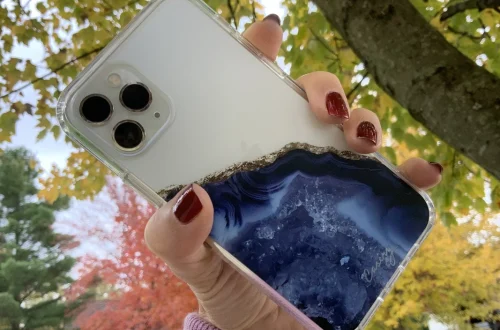
Clear phone cases have gained popularity for their ability to showcase the phone’s original design while providing basic protection. Materials like hard plastic or hybrid TPU-hard shell combinations enable scratch resistance and shock absorption without obscuring device aesthetics. Brands like Case-Mate incorporate stylish finishes, including glitter or metallic accents, blending protection with personalized flair.
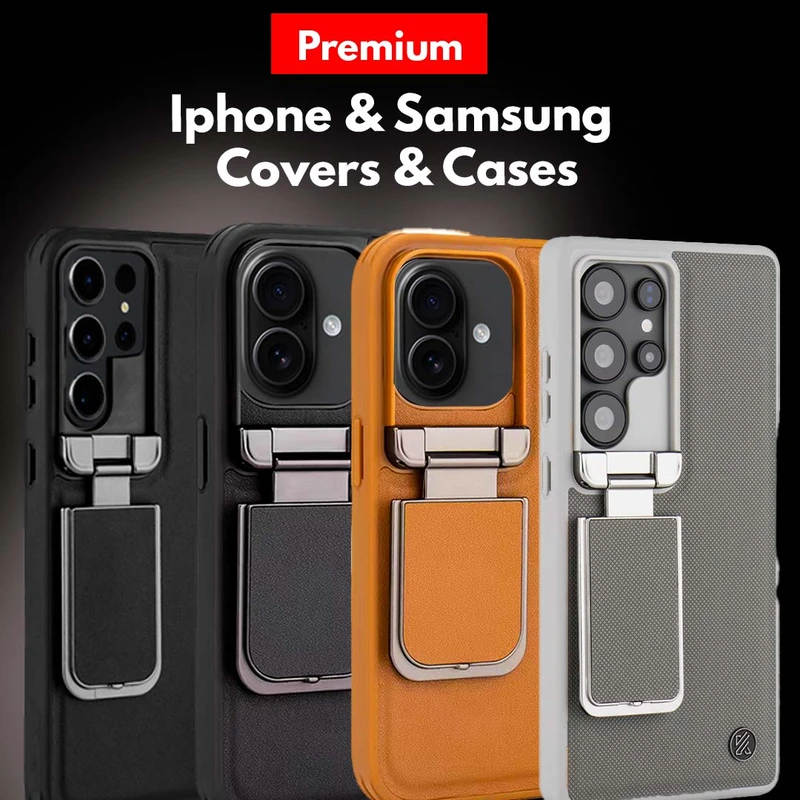
Wallet and flip cases offer multifunctionality by integrating card slots and stands, appealing to users seeking to consolidate their essentials. These cases often use synthetic leather or bio-plastic materials, balancing durability with a premium feel. However, their bulk and hinge mechanisms can compromise quick phone access and wireless charging compatibility.
The ongoing debate between slim and rugged profiles reflects diverse user needs. Rugged cases, exemplified by OtterBox and Gripmunk, prioritize military-grade drop protection with thick layers and reinforced corners. Slim cases, often crafted from bio-plastics or thin TPU, cater to users valuing portability and style, though they sacrifice some impact resistance. As wireless charging becomes ubiquitous, manufacturers increasingly design cases that maintain compatibility regardless of thickness or material.
Compatibility Features: Wireless Charging and Accessibility
Modern phone cases must support wireless charging technology without requiring removal. Materials like silicone and TPU generally allow electromagnetic energy to pass through efficiently, while thick or metal-embedded cases can obstruct charging. OtterBox’s DROP+ models and Smartish cases have been optimized to maintain wireless charging compatibility despite rugged construction.
Camera button and port accessibility remain essential usability factors. Precise cutouts and tactile button covers enable seamless interaction without exposing vulnerable components to damage. Wallet cases and rugged designs sometimes add bulk around these areas, potentially affecting ease of use. Manufacturers balance protection with functional design by incorporating flexible button membranes and reinforced port edges.
Durability Testing and Certification Standards
Military standard (MIL-STD-810G) drop tests simulate real-world impacts by dropping phones from specified heights onto hard surfaces at various angles. Rugged phone case manufacturers like OtterBox exceed these standards with their proprietary DROP+ protocol, which includes multiple drops, abrasion resistance, and fatigue testing to ensure long-term durability. According to OtterBox, their DROP+ cases undergo over 24 tests simulating typical user mishandling, including drops from over 10 feet.
User reviews collected by TechGearLab confirm that cases passing these certifications effectively prevent screen cracks and structural damage in everyday scenarios. However, some users report increased bulk and reduced pocketability with ultra-rugged designs, highlighting the trade-off between protection and convenience. Conversely, slim cases without certification offer less reliable protection but excel in portability and style.
Materials Overview and Sustainability Trends
Phone case materials vary widely in protection level, aesthetics, and environmental impact. Silicone and TPU provide excellent shock absorption but are derived from synthetic polymers with limited biodegradability. Hard plastics like polycarbonate offer rigidity but can be brittle and contribute to plastic waste.
Emerging eco-friendly bio-plastic cases, such as those using plant-based polymers, are gaining traction. Brands like Peel and TOCOL explore these materials to reduce carbon footprints without compromising durability. Synthetic leather alternatives used in wallet cases offer a cruelty-free, sustainable option compared to traditional leather, combining style with ethical manufacturing.
Rubber shock absorption remains a gold standard for impact resistance, particularly in rugged cases. However, the drive toward sustainable materials is pushing manufacturers to innovate blends that maintain protective qualities while enhancing biodegradability and recyclability.
| Material | Protection Level | Durability | Grip | Environmental Impact |
|---|---|---|---|---|
| Silicone | High shock absorption | Good; flexible and resistant to tears | Excellent; soft, tacky texture | Low; synthetic polymer, not biodegradable |
| TPU (Gel) | Moderate to high | Good; flexible, resists abrasion | Good; smooth with some texture | Moderate; synthetic, recyclable in some cases |
| Hard Plastic (Polycarbonate) | High structural integrity | High; rigid but brittle under impact | Poor; smooth, slippery surface | High; non-biodegradable, plastic waste concerns |
| Bio-Plastic | Moderate | Variable; improving with technology | Good; depends on formulation | Low; biodegradable, renewable resources |
| Synthetic Leather | Moderate | Good; durable surface finish | Good; textured surface | Low to moderate; depends on base polymer |
Forward-Looking Analysis: The Future of Phone Case Technology
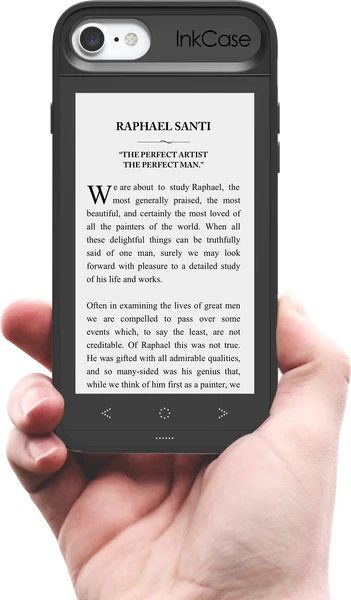
Advancements in material science and design are poised to redefine phone case functionality by 2026. Enhanced bio-plastic formulations promise to deliver sustainable protection without compromising durability or aesthetic appeal. Integration of nanomaterials could improve shock absorption and self-healing surfaces, extending case lifespan.
Wireless charging compatibility will become a standard requirement, prompting innovations in case thickness management and embedded antenna design. Brands like OtterBox and Smartish are expected to expand their product lines to include modular add-ons, such as detachable wallets or enhanced grip modules, tailored to diverse user needs.
The balance between ruggedness and slimness will continue to drive innovation, with manufacturers leveraging AI-driven drop simulations to optimize case geometry for maximum protection at minimal bulk. User demand for eco-friendly, multifunctional cases combining style, protection, and technology integration will shape future market trends.
OtterBox DROP+ Testing Insights provide detailed data on durability protocols, while Smartish’s Analysis of Phone Case Features offers practical user-focused evaluations of daily carry options.
Frequently Asked Questions
What materials offer the best drop protection in phone cases?
Shock-absorbent materials like silicone, TPU, and rubber provide superior drop protection by dissipating impact forces. Cases combining these with hard plastic outer shells enhance structural integrity, offering comprehensive defense against damage.
Are rugged phone cases compatible with wireless charging?
Many rugged cases, including OtterBox’s DROP+ certified models, are designed to support wireless charging despite thicker construction. However, extremely bulky or metal-embedded cases may interfere with charging efficiency.
How do raised edges and air-pocket corners improve phone protection?
Raised edges prevent the screen from contacting flat surfaces during drops, reducing scratches and cracks. Air-pocket corners act as cushions that absorb and disperse impact energy, protecting vulnerable phone edges and corners.
What trade-offs exist between slim and rugged phone case designs?
Rugged cases offer superior protection with reinforced layers but add bulk and weight, affecting pocketability and handling. Slim cases prioritize portability and style but provide moderate impact resistance and may lack certification.
Are eco-friendly phone cases as durable as traditional plastic ones?
While bio-plastic and sustainable materials are advancing rapidly, their durability can vary. Some eco-friendly cases match traditional plastics in shock absorption and wear resistance, but ongoing material innovations continue to improve their protective qualities.
—
This comprehensive analysis guides users in selecting phone cases that effectively balance protection, usability, style, and sustainability, addressing evolving technology demands and consumer preferences in 2026 and beyond.