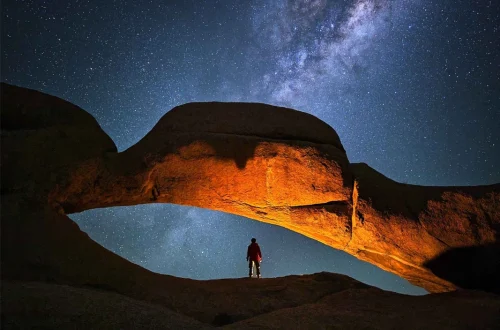
SnapRoamer.com – The optimal natural lighting conditions for outdoor photography occur primarily during the golden hour, a brief period shortly after sunrise and just before sunset when the sun is low on the horizon. This timing produces warm, diffused light that softens shadows and enhances colors, making it highly desirable for portrait sessions and landscape photography. Photographers consistently prefer this window for its ability to render flattering skin tones and dramatic yet balanced contrasts. Complementing the golden hour, late afternoon and early evening sessions also provide advantageous lighting, with seasonal variations shifting their exact timing. Weather conditions and location-specific factors further influence the quality of natural light, affecting photographers’ choices for scheduling and equipment preparation.
Golden hour’s duration varies significantly by latitude and season, often lasting from 20 minutes to an hour. In higher latitudes during summer months, this period can extend, while near the equator or in winter, it is comparatively brief. The sun’s low angle during golden hour generates a warm spectrum of light rich in reds and oranges, reducing the intensity of shadows that characterize harsher midday sun. This phenomenon enhances the texture and dimensionality of subjects, making it ideal for capturing nuanced facial expressions in portraits or intricate landscape details. The golden hour’s soft lighting contrasts sharply with the midday sun’s harshness, which tends to create stark shadows and overexposed highlights.
Late afternoon and evening photo sessions, while closely related to golden hour, present distinct characteristics. Light during these times tends to be slightly cooler and less intense but retains softness that minimizes glare. Seasonal shifts necessitate adjustments in scheduling, with photographers in temperate zones beginning sessions earlier in the fall and winter months to capitalize on available light. Moreover, these sessions often accommodate subjects’ comfort by avoiding midday heat, particularly in warm climates, thereby facilitating more relaxed and natural poses. The interplay of fading sunlight with environmental elements like urban architecture or foliage can yield unique compositional opportunities, especially in parks or beach settings.
Sunrise photography offers additional advantages beyond lighting quality. The early morning hours provide minimal crowd interference, allowing photographers to capture iconic landmarks and natural scenes unobstructed. The atmosphere often contains moisture or mist, adding depth and mood to images. Sunrise light tends to be cooler initially but quickly warms, offering a dynamic range of hues within a short span. This environment is especially beneficial for photographers seeking tranquil and evocative imagery. However, the logistical challenges of early starts and rapidly changing light demand precise timing and preparedness.
Weather conditions critically affect outdoor photography, influencing both the quality and quantity of natural light. Overcast skies diffuse sunlight evenly, eliminating harsh shadows and creating a soft, muted ambiance suitable for portraits that require gentle light. Conversely, heavy cloud cover can reduce overall illumination, necessitating adjustments in camera settings or additional lighting equipment. Photographers must monitor forecasts carefully and prepare for variable conditions, including protecting gear from moisture or wind. Strategic location scouting can mitigate adverse effects, with natural filters like tree canopies or architectural elements used to control light intensity.
Effective scheduling and location selection are essential to maximize the benefits of natural light. Arriving well before the golden hour allows photographers to set up equipment, adjust compositions, and acclimate to changing light conditions. Utilizing natural light filters such as foliage or window shadows can enhance softness and control contrast. Camera settings, including aperture and ISO adjustments, should be tailored to the evolving light to maintain exposure balance. Composition techniques that emphasize the direction and quality of light, such as backlighting or side lighting, can add depth and interest to images.
Beyond the golden hour, the blue hour—occurring just after sunset and before sunrise—provides a period of cooler, ambient light with a distinctive blue tint. This twilight phase offers unique creative possibilities for outdoor photography, especially for urban or architectural subjects where artificial lighting complements the natural ambient light. The blue hour’s low light conditions require longer exposures and stable equipment to capture sharp images but reward photographers with atmospheric and cinematic qualities.
| Time Period | Lighting Characteristics | Ideal Uses | Considerations |
|---|---|---|---|
| Golden Hour (Sunrise & Sunset) | Warm, soft, diffused light with long shadows and rich color tones | Portraits, landscapes, creative artistic shots | Short duration, variable by season/location, requires precise timing |
| Late Afternoon / Early Evening | Soft light with cooler tones, reduced intensity | Portraits, active subjects, outdoor events | Seasonal timing shifts, heat avoidance benefits |
| Sunrise | Cool to warm light transition, minimal crowds | Quiet landscapes, iconic landmarks | Early starts, rapidly changing light conditions |
| Blue Hour | Cool, ambient blue light, low intensity | Urban photography, architectural shots, moody scenes | Requires tripod/long exposure, limited natural light |
| Midday (Not Recommended) | Harsh, direct overhead sunlight with strong shadows | Limited use, high-contrast scenes | Unflattering for portraits, difficult light management |
Professional photographers emphasize the importance of adapting to local environmental conditions to optimize outdoor photo sessions. For example, beach photographers often rely on the diffuse glow of the golden hour to capture reflective water surfaces without glare, while urban photographers may use building shadows to soften light during late afternoon. Equipment choices, such as lens filters and reflectors, further assist in managing natural light, enhancing color saturation, and controlling exposure. Practical experience demonstrates that flexibility and preparedness, including contingency plans for weather variability, are crucial for consistent high-quality results.
Michelle Rose Photo’s analysis of optimal outdoor photo timing highlights the interplay of light quality and timing, underscoring the golden hour as the primary window for natural light photography. Complementary to this, Adorama’s expert tips provide actionable insights into equipment and compositional techniques that maximize golden hour advantages.
FAQ

What is the best time of day for outdoor portraits?
The best time for outdoor portraits is during the golden hour—shortly after sunrise and before sunset—when sunlight is soft, warm, and diffused. This lighting reduces harsh shadows and enhances skin tones, providing flattering and natural results.
How does weather affect natural light for photography?
Weather impacts light quality significantly; overcast skies create soft, even lighting ideal for portraits, while clear skies produce stronger contrasts. Photographers must adapt camera settings and plan sessions around weather forecasts to maintain optimal lighting conditions.
Can blue hour be used for portrait photography?
Blue hour offers ambient, cool-toned light that is excellent for creative portraits, particularly in urban or scenic environments with complementary artificial lighting. However, it requires longer exposures and stable equipment like tripods due to low light levels.
Why is midday sunlight generally not recommended for outdoor photography?
Midday sunlight is harsh and direct, creating strong shadows and high contrast that can result in unflattering portraits and overexposed highlights. Photographers often avoid this period or use diffusers and reflectors to manage the challenging light.
How long does the golden hour last?
Golden hour duration varies by season and latitude, typically lasting between 20 to 60 minutes. It is longer in higher latitudes during summer and shorter near the equator or in winter months, requiring photographers to plan precisely to capture the best light.
Optimizing outdoor photography involves a nuanced understanding of natural light cycles, weather variability, and location-specific factors. Photographers enhance image quality by combining golden hour timing with strategic use of natural filters and equipment adjustments. As technology advances, integrating real-time weather and light tracking apps can further refine session planning. Looking ahead, emerging AI-driven photography tools may assist photographers in dynamically adapting settings to shifting light conditions, expanding creative possibilities beyond traditional time constraints.