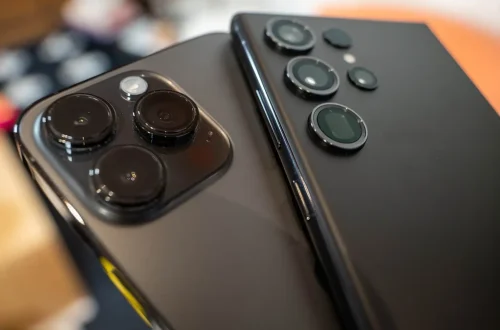
SnapRoamer.com – Affordable smartphone camera lenses have surged in popularity as mobile photography continues to evolve, driven by the demand for enhanced creative control without the expense of premium gear. Brands like Moment, ShiftCam, TM6, and Apexel have positioned themselves as leaders by offering quality lenses and versatile kits that cater to a wide range of users, from casual shooters to enthusiasts seeking specialized options. These manufacturers provide lens types including wide-angle, telephoto, and macro lenses that accommodate popular smartphones such as the iPhone 15 Pro Max, Samsung S24 Ultra, and Google Pixel 9 Pro, balancing affordability with performance to meet varied photographic needs.
While native multi-camera systems in flagship smartphones increasingly cover broad focal ranges and specialized functions, accessory lenses remain valuable for expanding creative possibilities, improving image quality in niche scenarios, and offering flexibility beyond built-in capabilities. This article examines the top affordable smartphone camera lens brands, the types of lenses offered, compatibility considerations, image quality impacts, and the value proposition of budget lens kits, drawing on expert reviews, user experiences, and manufacturer data to provide a comprehensive guide for informed purchasing decisions.
Leading Affordable Smartphone Camera Lens Brands
Moment has established itself as a premium yet accessible brand, offering two distinct lens series: the T-Series and M-Series. The T-Series lenses integrate advanced optical designs optimized for newer smartphone sensors, delivering superior sharpness and minimal distortion. The M-Series provides a more budget-conscious alternative with solid build quality and compatibility with Moment’s proprietary mounting system. Both series support 67mm filter adapters that enable the use of polarizing and ND filters, a feature often reserved for higher-end lenses. Moment lenses are compatible with major flagship phones, particularly Apple’s iPhone 15 Pro Max and select Samsung and Google models, through case-specific mounts that ensure secure alignment and minimal vignetting.
ShiftCam competes closely with Moment by focusing on robust build quality and versatile mounting options. Its lenses feature screw-thread mounts compatible with multiple cases and an innovative magnetic adapter system that simplifies attachment and removal. ShiftCam offers a range of lenses including wide-angle, macro, and telephoto variants at competitive price points, often undercutting premium brands while maintaining commendable optical performance. Users appreciate ShiftCam’s secure mounting and the tactile feel of its metal construction, which contributes to durability and consistent image quality.
TM6 lenses appeal to users prioritizing affordability and versatility without the need for case-specific fittings. Their clip-on designs are universal, accommodating various smartphone models including Android devices lacking standardized mounts. TM6 provides macro, wide-angle, and telephoto lenses with magnifications suitable for casual photography. However, the absence of case integration can lead to alignment challenges and occasional vignetting, as reported in user reviews. Despite these limitations, TM6’s offerings remain attractive for budget-conscious buyers seeking basic enhancement without investing in proprietary mounting ecosystems.
Apexel specializes in comprehensive lens kits that bundle multiple focal lengths and accessories, making it a go-to for entry-level mobile photographers. Popular kits like the Apexel 10-in-1 and 6-in-1 include wide-angle, telephoto (up to 36x zoom), macro (up to 15x magnification), and fisheye lenses, often accompanied by filters, tripods, and mounts. Apexel lenses utilize clip-on mechanisms compatible with most smartphones, including the Samsung S24 Ultra and Google Pixel 9 Pro, enabling broad compatibility. While build quality and optical precision vary across the range, Apexel lens kits offer substantial creative value at sub-$100 price points, especially for those exploring diverse shooting styles.
Lens Types and Their Uses
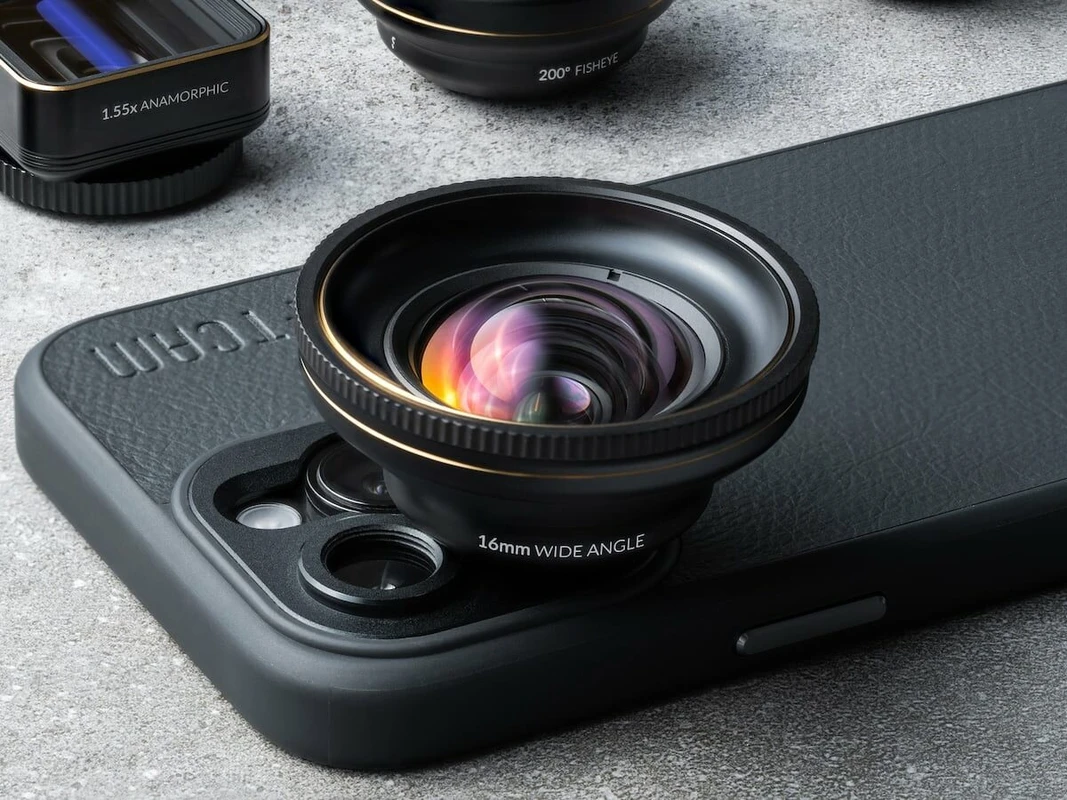
Wide-angle lenses are among the most popular smartphone camera accessories, expanding the field of view typically to around 0.63x magnification. These lenses enable users to capture more expansive scenes, making them ideal for landscape, architecture, and group photography. Both Moment and ShiftCam offer wide-angle lenses with multi-element designs that reduce chromatic aberrations and edge distortion, enhancing image clarity across the frame. Apexel’s wide-angle lenses provide similar functionality at lower cost but may exhibit slight softness at the edges.
Telephoto lenses extend a smartphone’s zoom capabilities beyond the native optical zoom, with magnifications ranging from 2x to as high as 36x in some budget kits. These lenses facilitate distant subject capture, wildlife photography, and portrait shots with background compression effects. Moment’s telephoto lenses, particularly in the T-Series, are optimized for sharpness and reduced flare, whereas Apexel’s telephoto lenses, while offering higher zoom levels, often sacrifice some image fidelity. telephoto lens performance depends heavily on precise alignment and quality coatings to minimize distortion and light loss.
Macro lenses enable extreme close-up photography, revealing fine details in subjects such as insects, textures, and small objects with magnifications up to 15x. Moment’s macro lenses excel with high-resolution sensors, delivering crisp images with natural color rendition. ShiftCam and Apexel also manufacture popular macro lenses that provide decent magnification and ease of use, though some budget options may introduce softness or vignetting. macro photography benefits from stable mounting and controlled lighting, often included in comprehensive lens kits.
Specialty lenses, including fisheye and anamorphic models, add creative flare and unique visual aesthetics. Fisheye lenses offer ultra-wide circular distortion effects, favored in action and artistic photography. Anamorphic lenses simulate cinematic widescreen aspect ratios and horizontal lens flares, enhancing video production quality. Brands like Moment and Apexel have incorporated these specialty lenses into their offerings, broadening the scope for creative mobile photography.
Compatibility and Mounting Systems
Lens mounting systems significantly impact usability and image quality. Moment’s approach centers on case-specific mounts that align lenses precisely with smartphone cameras, reducing vignetting and distortion. Their 67mm filter adapter integrates seamlessly with lens threads, allowing users to attach professional-grade filters. ShiftCam enhances convenience with screw-thread mounts and magnetic adapters, accommodating various phone cases and facilitating quick lens swaps. This system balances precision with flexibility, appealing to users who switch devices or cases regularly.
TM6 and Apexel primarily use universal clip-on mounts, which attach lenses over the phone’s default camera without case dependency. While this design maximizes compatibility across devices including Android phones and older models, it introduces alignment challenges that can affect image quality. Misalignment may cause blurring, shadowing, or reduced field of view, particularly with telephoto and wide-angle lenses. Users are advised to test lens positioning carefully to optimize results.
Magnetic filter adapters, such as Moment’s 67mm system, expand creative control by enabling polarized, ND, and color filters to be added effortlessly. This integration is less common among budget brands but represents a significant advantage for photographers seeking refined image adjustments without post-processing. Filter compatibility also depends on lens thread size and mount design, factors that buyers should verify to ensure accessory interoperability.
Image Quality and Performance Considerations
Accessory lenses inevitably introduce optical trade-offs compared to native smartphone lenses, which benefit from proprietary sensor integration and software optimization. High-quality lenses from Moment and ShiftCam minimize issues like flare, chromatic aberration, and distortion through multi-element glass designs and specialized coatings. Independent tests reveal that Moment’s T-Series lenses maintain image sharpness across the frame and produce natural color rendition, contributing to professional-grade mobile photography.
Budget lenses from Apexel and TM6 deliver noticeable improvements in focal length and creative options but often exhibit softness at edges, chromatic aberrations, or flare under challenging lighting conditions. Users report that telephoto lenses in these kits may require digital stabilization or post-editing to compensate for optical limitations. Wide-angle lenses in budget kits sometimes show barrel distortion, which can be corrected via software but may impact composition.
User reviews and expert evaluations from sources like Amateur Photographer and Tom’s Guide emphasize the importance of mounting precision and lens maintenance for preserving image quality. Practical testing indicates that users benefit most from lenses designed specifically for their smartphone model or equipped with adjustable mounts to ensure optical alignment.
Budget Lens Kits: Value and Limitations
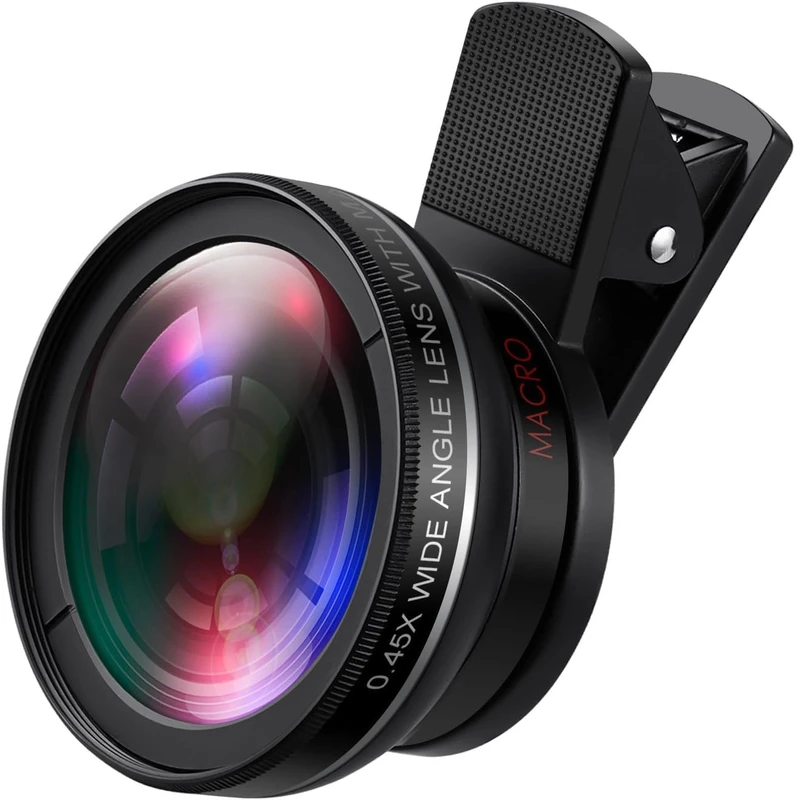
Comprehensive lens kits like Apexel’s 10-in-1 and 6-in-1 sets provide significant value by bundling multiple lenses and accessories at accessible prices, often under $100. These kits typically include a wide-angle lens, telephoto lens, macro lens, fisheye lens, and assorted filters such as polarizers and ND filters. The inclusion of tripods, cleaning cloths, and carrying cases further enhances usability for beginners and casual photographers.
The value proposition of budget kits lies in the opportunity to explore different photography styles without substantial financial commitment. However, limitations include variable optical quality, inconsistent lens coatings, and less durable mounting mechanisms compared to premium brands. Users should calibrate expectations accordingly, recognizing that budget lenses may introduce artifacts or require supplemental editing to achieve desired results.
Despite drawbacks, these kits serve as effective tools for learning and experimentation. They also complement smartphones with fewer native camera features or older models lacking advanced multi-camera arrays. For users with flagship devices like the iPhone 15 Pro Max or Samsung S24 Ultra, budget kits offer creative extensions rather than replacements for integrated lenses.
FAQ
What are the best affordable smartphone camera lens brands for quality and price?
Affordable brands such as Moment, ShiftCam, TM6, and Apexel offer a range of lenses balancing quality and cost. Moment and ShiftCam provide superior build quality and optical performance with case-specific mounts, while TM6 and Apexel focus on universal compatibility and budget-friendly kits. Each brand caters to different user needs, from professional-grade imagery to casual enhancements.
How do smartphone camera accessory lenses compare to native phone lenses?
Accessory lenses extend the focal range and creative options beyond native lenses but can introduce optical compromises like edge softness, flare, or distortion. Premium accessory lenses minimize these issues, while budget options may require careful alignment and post-processing. Native lenses benefit from sensor integration and software correction, resulting in generally higher image fidelity.
Are clip-on universal mounts effective for smartphone lenses?
Clip-on mounts offer broad compatibility but can suffer from alignment problems, impacting image quality. Case-specific mounts provide more reliable positioning and reduce vignetting. Users choosing clip-on mounts should verify fit and test positioning on their specific device to optimize results.
Do budget lens kits include filters and accessories?
Many budget kits, especially from Apexel, include filters such as polarizers and ND filters, along with mounts, tripods, and cleaning tools. These accessories enhance creative possibilities but vary in quality. Premium brands like Moment offer higher-grade filter adapters compatible with professional filters.
Which smartphones are most compatible with affordable smartphone camera lenses?
Popular flagship phones like the iPhone 15 Pro Max, Samsung S24 Ultra, and Google Pixel 9 Pro are widely supported by premium lens brands due to their popularity and case ecosystem. Budget universal mounts support a broad range of devices, including older and mid-range Android phones, but performance varies based on mounting precision.
The growing availability of affordable smartphone camera lenses is democratizing mobile photography, allowing users to explore advanced techniques such as macro shooting, telephoto zoom, and wide-angle capture without significant investment. As native smartphone camera systems continue to evolve, accessory lenses will likely focus on specialized creative applications, supported by improved mounting technologies and optical designs. Prospective buyers should assess their photography goals, smartphone model, and budget to select lens brands and kits that offer the best balance of performance and value.
For further detailed analysis and up-to-date lens rankings, visit Amateur Photographer’s budget lens guide and Tom’s Guide on iPhone lenses.