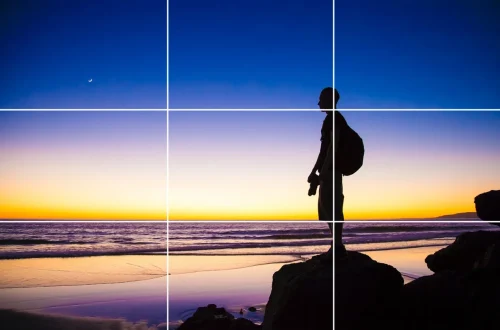
SnapRoamer.com – Mastering the rule of thirds is essential for photographers aiming to elevate their composition skills and produce visually compelling images. By dividing your frame into a 3×3 grid and aligning key subjects or points of interest along the gridlines or at their intersections, you can create photographs that balance visual harmony with dynamic tension. This tutorial provides an in-depth, step-by-step guide on applying the rule of thirds across various photography styles, complemented by practical tips on using grid overlays, integrating leading lines, and leveraging photo editing tools like Lightroom to refine your composition.
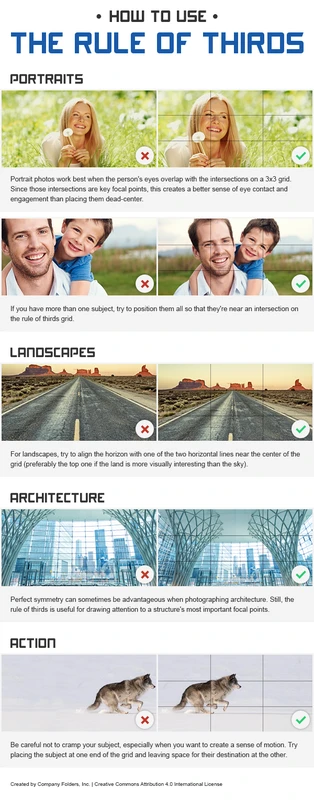
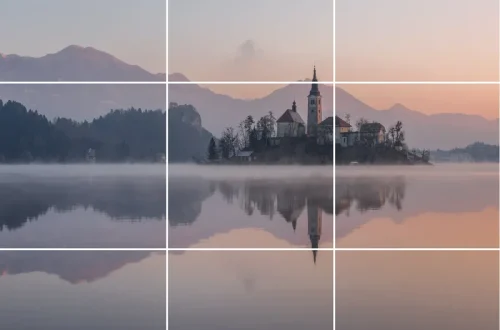
The rule of thirds is a foundational photographic composition technique that involves splitting an image into nine equal segments with two equally spaced horizontal lines and two vertical lines. Placing important elements along these lines or at their intersections—often called “power points”—naturally guides the viewer’s eye through the image, resulting in a balanced yet engaging photo. This method is widely used across genres including landscape, architectural, and wedding photography, enhancing both form and emotional impact without imposing rigid constraints on creativity.
How to Apply the Rule of Thirds in Photography
Applying the rule of thirds effectively begins with visualizing or activating a 3×3 grid on your camera display. Most modern phone cameras and DSLR models offer grid overlays that divide the frame into thirds, making it easier to compose shots in real time. Follow these steps to incorporate the rule of thirds into your photography workflow:
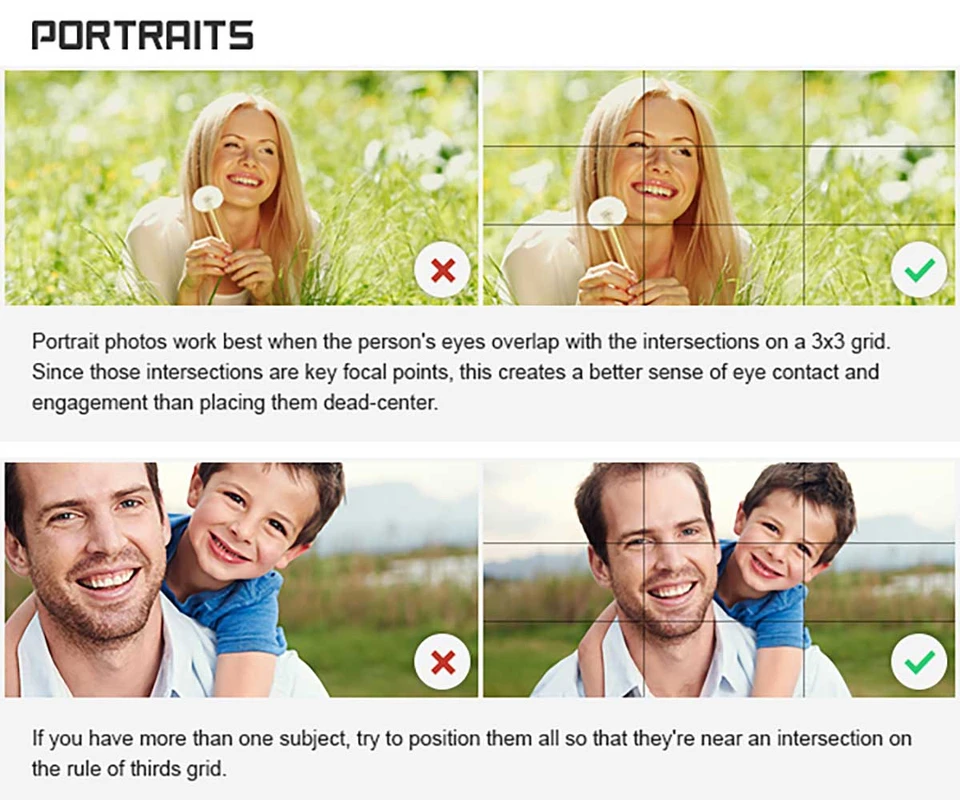
Enable the Grid Overlay: Access your camera settings and activate the gridlines feature. For example, smartphone cameras usually have this option under “Display” or “Composition” settings, whereas DSLR cameras often include it in the live view menu. This grid divides your frame into nine equal parts.Position Your Subject Along Gridlines: Aim to place your primary subject or focal point along one of the vertical or horizontal lines. For portraits, this could mean aligning the subject’s eyes with the top horizontal line, or positioning them off-center along a vertical line instead of centering them directly.Utilize Intersections for Power Points: Place the most important elements at the intersections where vertical and horizontal gridlines meet. These points naturally attract the viewer’s attention and add emphasis. For example, in landscape photography, position the horizon along the top or bottom horizontal line and a tree or building at one of the intersections.Balance Your Composition: Use the rule of thirds to balance subject placement with negative space. Avoid centering your subject unless deliberately seeking symmetry. Off-center composition enhances depth and interest by creating a visual dialogue between the subject and surrounding elements.Adjust Framing and Cropping: If your initial shot lacks compositional balance, use cropping tools post-capture to realign key elements according to the rule of thirds. Photo editing software like Lightroom allows you to overlay a 3×3 grid during cropping, facilitating precise adjustments.This methodical approach ensures your photographs avoid static or dull framing and instead present dynamic, balanced visuals that engage viewers.
Enhancing Composition with Leading Lines and the Phi Grid
Leading lines are compositional elements—such as roads, fences, or architectural edges—that direct the viewer’s gaze toward a main subject or deeper into the scene. When combined with the rule of thirds, leading lines enhance the dynamic flow and emotional impact of your photos.
Identify natural leading lines: Look for lines in your environment that guide the eye toward your subject placed on a gridline or intersection. For instance, in architectural photography, the edges of buildings often form perfect leading lines converging on a focal point aligned with the rule of thirds.Compose with Lines and Grid Together: Position the leading lines so they intersect or point toward the rule of thirds grid intersections where your subject is placed. This combination creates layers of compositional interest and strengthens visual storytelling.Explore the Phi Grid as an Alternative: The phi grid, based on the golden ratio (approximately 1.618), offers a slightly different grid layout with lines spaced closer to the center. Some photographers prefer the phi grid for its natural aesthetic proportions, which can be especially effective in landscape photography. Both the rule of thirds and phi grid serve as guides; experimenting with each can refine your compositional judgment.Practical Tips for Different Photography Genres
Applying the rule of thirds varies subtly depending on the photography genre. Here are specialized guidelines for integrating this technique across common styles:
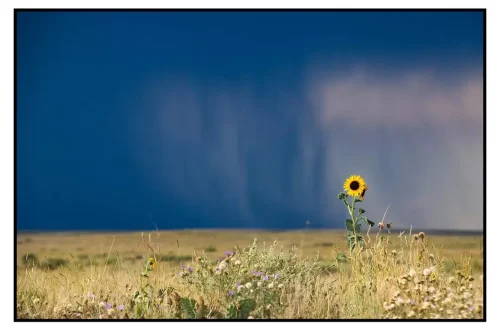
architectural photography: Use the grid to ensure buildings are level and that vertical lines align parallel to gridlines, maintaining structural integrity and symmetry. Place key architectural features, such as doorways or windows, on intersections to create focal points while preserving spatial balance.Landscape Photography: Align horizons with the top or bottom horizontal gridline to avoid splitting the frame in half, which can flatten the image. Position prominent natural elements—trees, rocks, or water features—on vertical lines or intersections. This balances the sky and land while guiding the viewer’s eye naturally through the scene.Wedding and portrait photography: Position subjects off-center along vertical gridlines to create a more dynamic composition. Eyes or faces should ideally rest near the top horizontal line or an intersection. This positioning adds depth and interest while allowing space for contextual elements like a floral arch or landscape background.These tailored recommendations improve the visual appeal of images and highlight the versatility of the rule of thirds across photographic disciplines.
Using Technology to Assist Composition
Modern camera technology significantly aids the practical application of the rule of thirds. Here’s how to integrate tech tools effectively:
Activate Camera Grid Overlays: Most smartphones and digital cameras provide a configurable grid overlay that helps frame shots according to the rule of thirds. Activating this feature ensures you can compose with precision in real time without guessing.Leverage Lightroom Cropping Tools: Adobe Lightroom and similar photo editing software feature built-in grid overlays during cropping, including both the 3×3 rule of thirds grid and the phi grid. After shooting, you can fine-tune composition by cropping images to reposition subjects along gridlines or intersections, enhancing balance and focus.Use Camera Types Appropriately: Phone cameras are convenient for quick rule of thirds application due to their automatic grid overlays and immediate screen feedback. DSLRs offer more precise control over framing and exposure, allowing deeper experimentation with composition and leading lines.By combining hardware capabilities with post-processing techniques, photographers can maximize the impact of the rule of thirds in their workflow.
Limitations and Flexibility of the Rule of Thirds
While the rule of thirds is an invaluable compositional guideline, it is not an absolute rule. Understanding when and how to deviate from it can enhance creativity:
Breaking the Rule for Creative Effect: Centering subjects can create powerful symmetry and focus, particularly in minimalist or abstract photography. Similarly, intentionally placing subjects away from grid intersections can evoke tension or unease, which may be desirable for certain narratives.Adaptation to Subject and Style: Some genres, like architectural photography, benefit from strict adherence to lines and balance, while others, such as street or candid photography, thrive on spontaneous, rule-breaking compositions.Complementary Techniques: Combining the rule of thirds with other compositional tools, such as the golden ratio, framing, and color theory, results in richer, more nuanced photographs.Recognizing the rule of thirds as a flexible framework rather than a rigid directive allows photographers to develop a personalized style while maintaining visual harmony.
Common Mistakes to Avoid When Using the Rule of Thirds
Applying the rule of thirds incorrectly can lead to unbalanced or awkward compositions. Watch for these common pitfalls:
Overusing the Rule: Relying exclusively on the rule of thirds can make photos predictable and formulaic. Vary your composition techniques to maintain originality.Ignoring Background and Context: Placing a subject on a gridline while neglecting distracting background elements can reduce photo quality. Always assess the entire frame.Misaligned Horizons or Vertical Lines: Especially in landscape and architectural photography, failing to align horizons or structures properly with gridlines disrupts balance.Neglecting Subject Interaction with the Frame: The space around the subject matters. For instance, leaving empty space in the direction your subject is facing creates a natural flow.Correcting these errors improves compositional effectiveness and viewer engagement.
Troubleshooting Rule of Thirds Composition Issues

If your images lack compositional strength despite using the rule of thirds, consider these troubleshooting strategies:
Reassess Subject Placement: Experiment with positioning subjects on different gridlines or intersections to find the most compelling arrangement.Incorporate Leading Lines: Add leading lines to guide viewer attention and enhance spatial depth.Use Cropping to Adjust Composition: Reframe images in post-processing to better align with the rule of thirds grid.Study Genre-Specific Examples: Analyze works by photographers like Spencer Cox, known for architectural and landscape photography, to understand effective rule of thirds applications.These adjustments help refine your photographic eye and compositional skills.
Frequently Asked Questions about the Rule of Thirds in Photography

What is the rule of thirds in photography?
The rule of thirds divides an image into nine equal parts with two vertical and two horizontal lines. Photographers place key elements along these lines or their intersections to create balanced and visually interesting compositions.
How do I enable gridlines on my camera or phone?
Most devices have grid overlays in their camera settings. On smartphones, look under “Display” or “Composition” settings; on DSLRs, check the live view or menu options. Activating gridlines helps frame shots using the rule of thirds.
Can I use the rule of thirds in all types of photography?
Yes, the rule of thirds is versatile and applicable to landscapes, portraits, architecture, and more. However, it’s a guideline rather than a strict rule, so it can be adapted or broken for creative effect depending on the genre.
What is the difference between the rule of thirds and the phi grid?
The phi grid is based on the golden ratio and spaces gridlines closer to the center than the rule of thirds. It offers a more natural proportion for composition, especially in landscapes, whereas the rule of thirds is simpler and more common.
How can cropping improve my composition using the rule of thirds?
Cropping allows you to reposition elements within your photo after shooting, aligning subjects with gridlines or intersections to enhance balance and focus. Editing software like Lightroom provides rule of thirds and phi grid overlays for precise cropping.
—
Applying the rule of thirds is foundational for photographers seeking to improve their compositional technique and create more engaging images. Integrating grid overlays during shooting, leveraging leading lines, and refining framing in post-processing all contribute to stronger visual storytelling. While the rule serves as a valuable guideline, experimenting with its flexibility and combining it with other compositional tools will deepen your photographic expertise over time.
For further in-depth guidance, you can explore resources like Digital Photography School’s rule of thirds tutorial and Photography Life’s comprehensive guide.