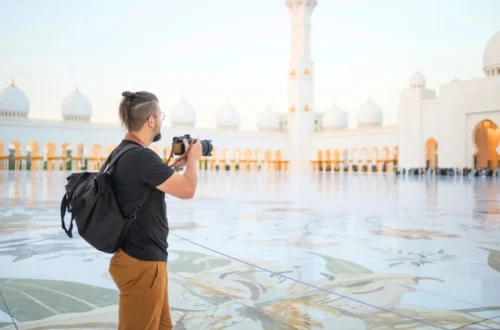
SnapRoamer.com – Travel photography demands adherence to strict ethical standards to ensure respectful and accurate representation of cultures distinct from the photographer’s own. Central to these practices is securing informed consent, understanding and honoring local customs and taboos, and prioritizing the dignity and autonomy of subjects. Photographers must balance curiosity with sensitivity, avoiding exploitative imagery such as poverty porn or voyeuristic portrayals. This approach requires diligent research, cultural empathy, and ongoing engagement with communities to foster trust and reciprocity. In this context, ethical photography becomes a collaborative storytelling process that values authenticity and mutual respect.
cultural sensitivity in travel photography extends beyond the mere act of taking pictures; it encompasses a deep understanding of socio-cultural dynamics, religious practices, and community values that vary widely even within a single region. Ethical photographers invest time in learning local languages, consulting community leaders, and using trusted guides to navigate complex cultural landscapes. This preparation helps avoid inadvertent disrespect—such as photographing sacred rituals without permission or violating taboos like touching heads or pointing cameras at certain individuals. Such awareness protects the photographer’s integrity and safeguards the well-being and privacy of those being photographed.
Prior Research: Understanding Culture Before Capturing Images
Effective ethical travel photography begins with comprehensive cultural research. Photographers are advised to study the historical, religious, and social norms of their intended destinations to avoid cultural faux pas. For example, in many indigenous communities, photographing sacred ceremonies or specific individuals without explicit permission is strictly forbidden. Regional differences also matter; customs in one village may differ significantly from those in a nearby town or tribal group. Engaging local contacts such as community leaders, volunteers, or cultural mediators can provide invaluable insights into appropriate behaviors and photographic boundaries.
This groundwork includes familiarizing oneself with local languages or dialects, which facilitates polite communication and consent-seeking. Photographers who demonstrate respect and effort to understand local customs often gain greater access and cooperation. Moreover, such preparation supports ethical storytelling by grounding images within accurate cultural contexts, reducing the risk of misrepresentation or stereotyping.
The Principle of Consent and Personal Autonomy
Consent constitutes a foundational pillar in ethical travel photography, especially when photographing individuals or vulnerable groups like children. Obtaining permission is not only a legal safeguard but a moral imperative that acknowledges the subject’s personal autonomy. Photographers should approach subjects with clear, respectful communication, explaining their intent and how images will be used. This transparency fosters trust and mitigates potential misunderstandings.
When photographing children, extra caution is necessary due to heightened privacy concerns and the need for parental or guardian consent. Ethical photographers avoid coercion, recognize refusals without challenge, and respect boundaries. In some cultures, non-verbal cues or indirect communication may indicate discomfort, requiring heightened sensitivity from the photographer. Handling refusals graciously preserves dignity and maintains positive community relations.
Respecting Cultural Taboos and Privacy in Photography
Cultural taboos surrounding photography vary extensively worldwide, often rooted in religious beliefs, social hierarchies, or historical experiences. Common prohibitions include photographing certain body parts, sacred objects, or ceremonies. In some societies, pointing a camera at people is considered disrespectful or intrusive, while touching someone’s head—the seat of the soul in some indigenous beliefs—is taboo.
Respecting privacy entails recognizing and honoring personal space conventions, which fluctuate across cultures. For instance, some communities welcome close, intimate portraiture, while others prefer greater distance. Ethical photographers avoid “zoo-like” attitudes that reduce individuals to mere spectacle or exotic objects, instead fostering empathetic engagement that recognizes subjects as active participants in the photographic narrative.
Ethical Portrait Photography in Sensitive Cultural Contexts
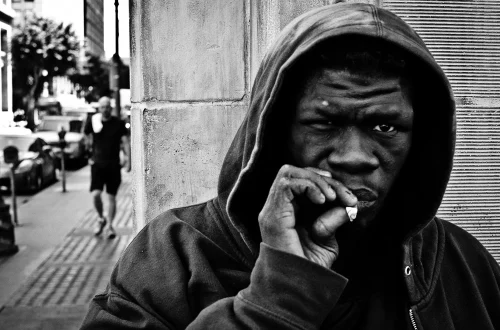
Portraiture in travel photography offers unique challenges and opportunities to capture authentic human expressions without intrusion. Building rapport is essential, often requiring time, patience, and genuine interaction beyond the camera lens. Photographers skilled in cross-cultural communication employ techniques such as sharing stories, using local languages, or involving community members in the process to develop trust.
Balancing candid and posed shots depends on context; candid images can reveal natural behaviors, while posed portraits may empower subjects to present themselves intentionally. The goal is to depict individuals with dignity and complexity, avoiding clichéd or stereotypical portrayals. Photographers mindful of these dynamics contribute to respectful cultural representation and richer storytelling.
Avoiding Cultural Appropriation and Exploitation
Distinguishing between cultural appreciation and appropriation remains critical in travel photography ethics. Appropriation involves taking cultural elements out of context, often commodifying or misrepresenting them without consent or understanding. Ethical photographers refrain from exploiting cultural symbols, attire, or practices for aesthetic purposes disconnected from their meaning.
The concept of “poverty porn”—depicting communities solely through images of hardship or suffering—raises concerns about voyeurism and dehumanization. Responsible travel photographers strive to represent subjects with complexity, highlighting resilience, diversity, and agency rather than reducing them to stereotypes. This approach demands continual self-reflection and engagement with community perspectives to avoid perpetuating harmful narratives.
Giving Back: Reciprocity and Community Engagement
Photography is a privilege that entails responsibility toward the communities depicted. Ethical practitioners prioritize reciprocal relationships by offering tangible benefits beyond monetary compensation. This may include sharing prints or digital copies with subjects, supporting local initiatives, or contributing time and resources to community projects.
Sustained engagement fosters mutual respect and trust, enabling deeper cultural exchange and collaboration. Long-term relationships with communities enhance the authenticity of photographic work and facilitate more meaningful storytelling. Recognizing photography as an exchange rather than extraction aligns ethical practice with principles of social justice and cultural preservation.
Editing and Authentic Representation in Travel Photography
Post-processing plays a significant role in shaping the narrative conveyed by travel images. Ethical editing respects the authenticity of cultural stories, avoiding manipulations that distort reality or impose external interpretations. Adjustments should enhance technical qualities—such as exposure or contrast—without altering the subject’s appearance or cultural context in misleading ways.
Creative edits must be balanced with cultural integrity, ensuring that images remain truthful representations. Photographers are encouraged to disclose editing practices transparently, especially in documentary contexts, to maintain audience trust. This discipline supports ethical storytelling and counters sensationalism or fabricated narratives.
Practical Tips for Respectful Travel Photography

Photographers committed to cultural sensitivity adopt practical strategies to navigate diverse environments effectively. Learning basic local phrases facilitates polite interactions and demonstrates respect. Patience is crucial, as building trust and waiting for genuine moments often yield superior images.
Mindfulness about gear usage—such as avoiding intrusive flashes or loud shutter sounds—minimizes disruption. Preparing mentally to prioritize ethical considerations over mere photographic opportunities leads to more responsible and impactful work. Photographers benefit from ongoing education about cultural etiquette and ethical standards to adapt to evolving contexts.
| Ethical Consideration | Practical Application | Cultural Impact |
|---|---|---|
| Consent | Ask permission clearly; respect refusals; involve guardians for children | Upholds personal autonomy; builds trust |
| Respect for Taboos | Avoid photographing prohibited subjects; learn local customs | Prevents offense; honors cultural beliefs |
| Authentic Representation | Use minimal editing; portray subjects with dignity | Maintains cultural integrity; counters stereotypes |
| Reciprocity | Share images; support local causes; build long-term relations | Enhances community empowerment; fosters collaboration |
This table summarizes core ethical considerations alongside their practical applications and cultural impacts, guiding photographers toward responsible practices.
FAQ
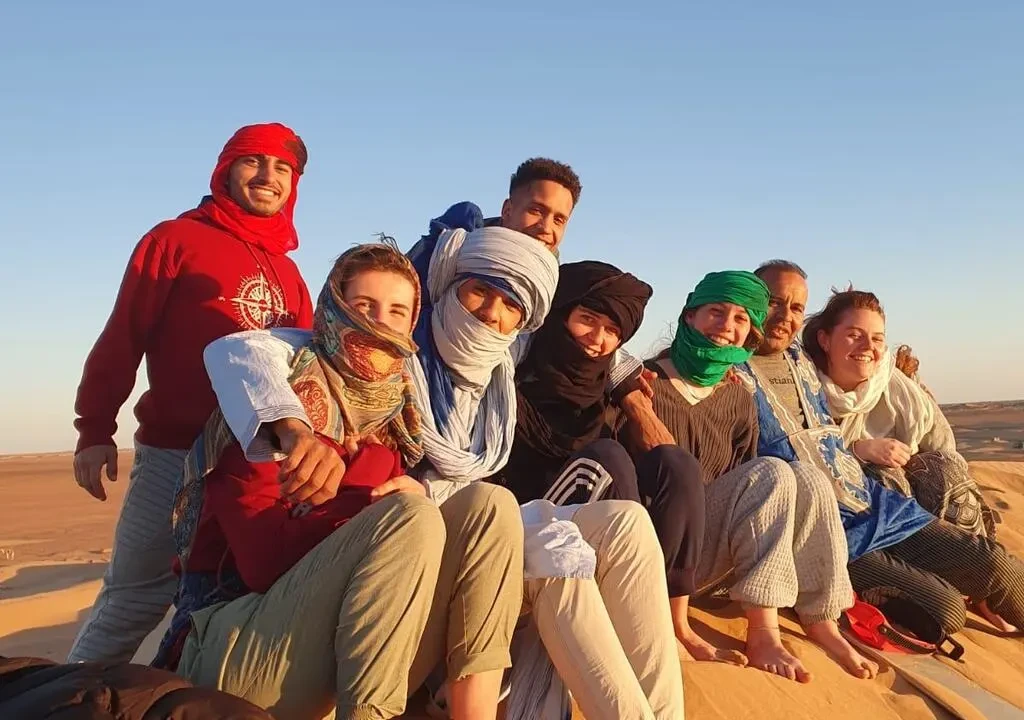
Why is obtaining consent important in travel photography?
Obtaining consent respects an individual’s right to control their image and prevents exploitation. It fosters trust and ethical engagement, especially when photographing vulnerable groups like children or indigenous peoples.
How can photographers avoid offending cultural taboos?
Photographers should research local customs beforehand, consult community members or guides, and observe social cues. Avoiding prohibited subjects and behaviors, such as touching heads or photographing sacred rituals, helps maintain respect.
What steps can be taken to prevent cultural appropriation in travel photography?
Photographers should seek informed consent, understand the significance of cultural symbols, and avoid using cultural elements out of context. Representing subjects with dignity and complexity rather than stereotypes reduces appropriation risks.
How can photographers give back to the communities they photograph?
Giving back can include sharing photographs with subjects, supporting local initiatives, engaging in cultural exchange, and establishing long-term relationships that benefit the community beyond mere image capture.
What ethical considerations apply to editing travel photographs?
Editing should preserve the authenticity of the subject and context. Photographers should avoid manipulations that alter cultural elements or misrepresent reality, maintaining truthful storytelling and audience trust.
Travel photography that embraces cultural sensitivity and ethical frameworks elevates the role of the photographer from a mere observer to a responsible storyteller. By prioritizing consent, respecting taboos, and engaging in reciprocal relationships, photographers contribute meaningfully to cross-cultural understanding and preserve the dignity of their subjects. This evolving discipline requires continuous education, humility, and a commitment to authenticity in all stages from shooting to post-processing.
For further guidance on ethical travel photography practices, photographers can consult expert resources such as Discover Corps’ travel photography tips and Digital Photography School’s cultural sensitivity guide.