SnapRoamer.com – Among the 25 spectacular destinations highlighted by Passport & Pixels, photographers find exceptional variety in landscapes, cultural experiences, and wildlife. Locations such as Antarctica offer expansive icy vistas, while Morocco’s Marrakech Medina captivates with its vibrant markets and historic architecture. Japan’s Arashiyama and Nara showcase traditional festivals and temples, providing rich cultural settings for street photography. Each site delivers unique photographic opportunities that go beyond generic travel shots, inviting photographers to capture moments deeply tied to place and culture.
Passport & Pixels states, “There’s a reason why Antarctica is right at the top of most travel photographers’ bucket lists. With its gorgeous icy landscapes, mirror-calm bays, majestic glaciers, icebergs the size of houses, and clear wintry light, it’s landscape photography heaven. In fact it’s virtually impossible to take a bad photo here!” This combination of vast glaciers and reflective waters creates visual conditions rarely found elsewhere, making Antarctica a standout destination for capturing texture, scale, and natural light effects.
What are the most unique and extreme travel photography locations?
Unique and extreme photography locations like Antarctica and Tibet offer unparalleled landscapes and lighting conditions. Antarctica is famed for its icy vistas and mirror-calm bays, making it nearly impossible to take a bad photo, while Tibet provides dramatic high-altitude scenes rarely captured elsewhere.
Antarctica’s landscape features glaciers larger than houses and icebergs reflected in bays so calm they act like mirrors, creating a photographer’s dream setting. Passport & Pixels states, “There’s a reason why Antarctica is right at the top of most travel photographers’ bucket lists.” The clear wintry light enhances visibility and shadow detail, ideal for capturing texture and scale.
Tibet’s high-altitude terrain, often above 4,000 meters elevation, presents unique challenges such as thinner air impacting stamina and camera battery life. This extreme environment requires careful planning of gear and acclimatization schedules, as sudden weather shifts frequently close hiking trails. Photographers using the Lightroom menu path Develop > Basic panel > Exposure slider can compensate for rapidly changing light conditions common in these areas.
Counterintuitively, the harsh weather in Tibet sometimes produces clearer, more dramatic skies than temperate zones, offering rare photographic opportunities. However, failure to bring backup batteries or lens hoods can result in missed shots due to cold-induced camera malfunctions or lens flare from intense sunlight reflecting off snow.
How can photographers plan trips respecting local customs and legal restrictions?
Mitchell Kanashkevich emphasizes the importance of pre-trip research, stating, “The best time/season to travel, the DOs and DON’Ts, the modes of transportation – these are the necessities” for smooth photography experiences. For instance, Morocco requires permits for photographing inside certain medinas such as Marrakech, while Japan enforces strict rules on photographing religious sites, especially in cities like Nara and Kyoto. Understanding these specifics is crucial to avoid legal issues and maintain respectful interactions.
Photographers can manage permissions efficiently using smartphone apps with workflow shortcuts like Settings > Permissions > Camera Access to ensure compliance. Researching local laws is crucial; failure to do so may lead to equipment confiscation or fines, especially in protected wildlife reserves or indigenous communities.
Counterintuitively, some culturally rich locations discourage photography of people without explicit consent, contradicting the assumption that street photography is universally welcomed. Respecting these boundaries improves relationships and often grants access to rare moments. Ignoring such rules risks being asked to delete images or worse, being banned from the area.
Which travel photography locations are best suited for mobile photography?
Mobile photographers find Marrakech’s markets and Japan’s urban scenes particularly suited to their gear due to accessibility and dynamic lighting. Using apps like The Photographer’s Ephemeris (TPE) and Photo Pills enhances creative planning; for example, enabling GPS under App Settings > Location Services > Enable GPS optimizes geotagging. These tools provide solar and lunar data to capture golden hour light, vital in crowded, fast-changing environments where smartphones excel at quick shots.
Mobile photographers benefit from locations like Marrakech’s markets and Japan’s urban scenes, where lighting varies rapidly and crowds can be dense. Apps such as The Photographer’s Ephemeris (TPE) provide solar and lunar data to plan shots precisely during golden hour. Using the menu path App Settings > Location Services > Enable GPS optimizes geotagging functions for later cataloging.
Photo Pills offers augmented reality tools to visualize sun and moon paths, crucial for aligning compositions at popular spots. Mobile users often face failure modes such as lens flare and limited zoom capabilities, but modern smartphones with multiple lenses and HDR modes mitigate these issues effectively.
Counterintuitively, mobile devices can outperform DSLRs in some crowded or fast-paced settings because of their compact size and quicker startup times, allowing spontaneous captures that bulkier equipment might miss. For example, using the shortcut Camera App > Pro Mode > ISO 100, shutter speed 1/125s on smartphones allows manual control previously exclusive to dedicated cameras.
What are the top travel photography locations for landscape, wildlife, and cultural photography?
Top travel photography locations vary by genre: Antarctica and Norway’s Lofoten Islands excel in landscapes; Jasper National Park offers rich wildlife including moose and bears; Morocco and Japan provide vibrant cultural and street photography scenes.
| Location | Photography Style | Unique Features | Best For |
|---|---|---|---|
| Antarctica | Landscape | Glaciers, icebergs, mirror-calm bays | Expansive icy vistas, polar light |
| Lofoten Islands, Norway | Landscape | Mountain fjords, Arctic light | Seascapes, aurora borealis |
| Jasper National Park, Canada | Wildlife & Astrophotography | Moose, bears, dark sky preserve | Wildlife encounters, night sky |
| Morocco (Marrakech Medina) | Cultural & Street | Vibrant markets, historic architecture | People, street scenes, colors |
| Japan (Arashiyama, Nara) | Cultural & Street | Temples, traditional festivals | Street portraits, cultural rituals |
| Kefalonia, Greece | Landscape | Coastal cliffs, turquoise waters | Seaside landscapes |
This table compares top photography locations by style, highlighting their unique features and best photographic focus. For example, Jasper National Park’s designation as a dark sky preserve provides exceptional conditions for astrophotography combined with abundant large mammal sightings, making it a dual-purpose destination. Passport & Pixels notes, “Jasper is also a stargazer’s paradise. So if you are into astrophotography, add Jasper to your itinerary.”
Counterintuitively, locations like Morocco’s medinas are better suited for cultural immersion and candid street photography than formal studio-style shoots, which may be restricted. Using Lightroom’s menu path Library > Keyword Tags > Location helps organize images by site for efficient post-processing.
Photographers should plan shoots in crowded spots such as Marrakech or Arashiyama during early morning or late afternoon golden hours to avoid obstructed views and capitalize on optimal light. Passport & Pixels identifies these times as crucial for minimizing tourist interference and maximizing image quality.
How do seasonal and lighting conditions affect travel photography opportunities?
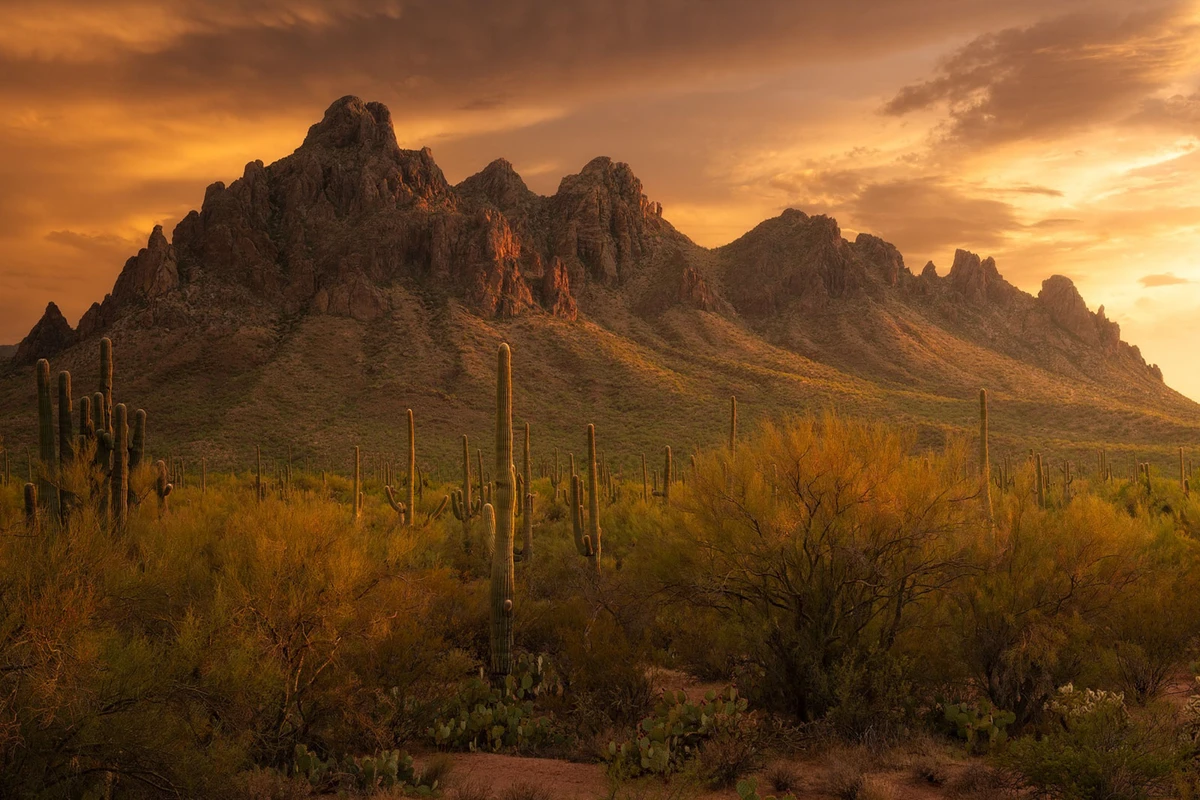
Logan Brown advises, “The best times are during the golden hour, shortly after sunrise and before sunset, when the light is soft and warm.” This window lasts about 45 to 60 minutes depending on latitude and season. In Lapland, Scandinavia, for example, northern lights are visible primarily between September and March, providing a specialized astrophotography opportunity. Photographers can use smartphone shortcuts like Sunrise/Sunset > Golden Hour Timer to plan precisely.
Seasons also dictate subject availability; for example, the northern lights in Lapland, Scandinavia, are visible primarily between September and March, offering a narrow window for astrophotography. Conversely, summer months provide extended daylight but harsher shadows.
Counterintuitively, midday light in some locations, traditionally avoided, can be leveraged creatively using polarizing filters and HDR techniques accessible via camera app shortcuts like Filters > Polarizer. Failure to adjust for seasonal light changes can lead to overexposed or flat images, particularly in snowy environments like Lake Louise.
What are common pitfalls in travel photography and how can they be avoided?
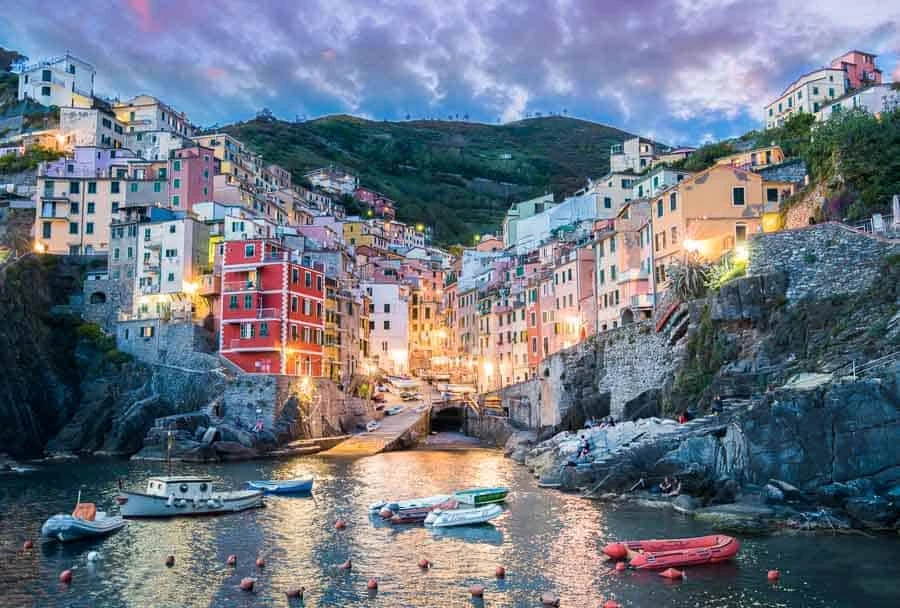
Roman Fox highlights that rigid itineraries cause missed opportunities, noting, “Rigid plans and preferences can lead to frustration. Things will go wrong: you’ll miss a bus, a restaurant will be fully booked, or a photo spot will be inaccessible.” Additionally, insufficient research on local customs or weather, especially in destinations like Tibet or Morocco, can result in legal complications or equipment failure. Practicing camera functions such as Camera Settings > White Balance and using shortcuts like Q button > ISO adjustment before travel improves readiness. Photographers should also pack backup batteries and memory cards to avoid premature shoot endings in remote areas.
- Rigid itineraries lead to missed opportunities. Roman Fox notes, “Rigid plans and preferences can lead to frustration. Things will go wrong: you’ll miss a bus, a restaurant will be fully booked, or a photo spot will be inaccessible.”
- Insufficient research on local customs and weather can cause legal issues or equipment failure, especially in regions like Tibet or Morocco.
- Unfamiliarity with camera gear increases risk of missed shots. Practicing menu paths such as Camera Settings > White Balance and shortcuts like Q button > ISO adjustment before travel is essential.
- Failing to pack backup batteries and memory cards can end a shoot prematurely in remote locations.
- Ignoring environmental ethics can harm local ecosystems and community relations, reducing future access.
Counterintuitively, over-preparation can stifle creativity. Allowing time for spontaneous exploration often yields better images than strictly following guidebook routes. Being flexible with plans while maintaining core preparedness balances opportunity with reliability.