SnapRoamer.com – Respectful photography while traveling abroad requires more than just technical skill—it demands cultural awareness, sensitivity to social norms, and ethical considerations that honor the dignity of local communities. Travelers who approach photography with respect contribute to meaningful intercultural exchange rather than perpetuating exploitation or neo-colonial narratives. Understanding local customs, seeking permission, and practicing thoughtful sharing of images are crucial steps to becoming a responsible traveler behind the lens.
Research shows that photography customs vary widely across regions, influenced by religious beliefs, social hierarchies, and historical contexts. For example, in some cultures, photographing elders or children without explicit consent is taboo, while sacred ceremonies may prohibit any image capture. Social media’s pervasive influence further complicates ethical travel photography as sharing images without context can reinforce stereotypes or violate privacy. Therefore, adopting respectful photography practices protects both the subjects’ rights and the traveler’s integrity.
Research and Preparation: Know Before You Go
Comprehensive preparation is foundational for respectful photography abroad. Travelers should investigate local cultural customs related to photography, including legal restrictions and social taboos. Many countries impose formal regulations on photographing government buildings, military sites, or religious ceremonies. For instance, in parts of Southeast Asia, photographing Buddhist monks requires permission and adherence to dress codes. Ignorance of these rules can result in offense or legal consequences.
Equally important is understanding the cultural significance behind certain practices. In some indigenous communities, photography may evoke memories of colonial exploitation, making sensitivity crucial. Travelers are advised to learn basic phrases in the local language to politely request permission and communicate intentions clearly. This effort signals respect and fosters positive interactions. According to experts in travel ethics, investing time in research reduces misunderstandings and enhances the authenticity of photographic encounters.
Seeking Permission and Respecting Consent
Obtaining explicit permission before photographing individuals is a cornerstone of ethical travel photography. Asking permission is especially important when photographing elders and children, who are often more vulnerable to exploitation. Non-verbal cues such as a gentle nod or holding the camera with a polite smile can bridge language barriers when verbal communication is limited.
Respecting refusals is equally critical. If someone declines to be photographed, deleting the image upon request demonstrates respect for personal boundaries and builds trust. Ethical photographers acknowledge that consent is an ongoing process, not a one-time formality. This respect for autonomy counters historical power imbalances where subjects were often objectified without choice.
The importance of consent is underscored by cultural anthropologists who highlight how photography can shift power dynamics. When subjects control their representation, the photographic exchange becomes collaborative rather than extractive. Travelers who internalize this principle avoid reinforcing neo-colonial legacies embedded in visual culture.
Cultural Sensitivity and Ethical Considerations
Adhering to cultural sensitivity means dressing modestly in sacred or conservative areas and refraining from photographing restricted subjects. In many Muslim-majority countries, modest dress codes apply for both men and women, especially near religious sites. Ignoring these norms can alienate locals and diminish the traveler’s credibility.
Photographers should avoid capturing images of military personnel, government buildings, or vulnerable populations such as refugees without explicit authorization. These subjects often have legal protections or social reasons for privacy. Ethical travel photography respects these boundaries to prevent harm or unwanted exposure.
Moreover, travelers need to critically assess their photographic narratives to avoid perpetuating harmful stereotypes or exoticism. Responsible storytelling involves contextualizing images to represent the complexity and dignity of local cultures rather than reductive or sensationalist portrayals. This practice counters the neo-colonial history of photography, which frequently framed non-Western subjects as curiosities or objects.
Photography Etiquette in Practice
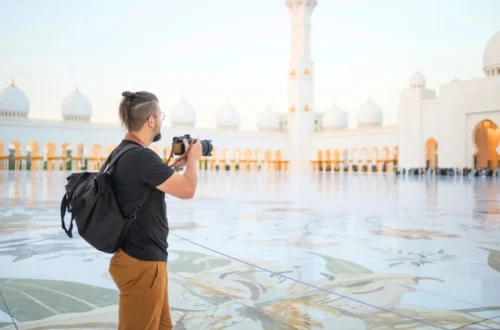
Using minimal and unobtrusive equipment helps maintain a low profile and reduces the risk of intimidating or overwhelming subjects. Compact cameras or smartphones are often preferable to large professional setups that can create barriers between photographers and locals.
Patience is another vital etiquette element. Waiting for natural, candid moments rather than forcing posed shots respects the spontaneity and comfort of subjects. Engaging in polite conversation before shooting builds rapport and often results in more authentic images.
Travelers should also support local businesses and communities by compensating subjects or hiring local guides who can facilitate respectful interactions. This approach acknowledges the economic dimensions of photography and fosters equitable relationships.
Responsible Sharing and Social Media Use
The impact of travel photography extends beyond the moment of capture to how images are shared publicly. Social media platforms amplify reach but also risk decontextualizing images or reinforcing stereotypes. Travelers must consider the implications of posting photos that may expose private moments or vulnerable individuals.
Providing thoughtful captions and context helps viewers understand the cultural significance of images, reducing misinterpretation. Avoiding sensationalism and respecting subjects’ dignity aligns with ethical guidelines promoted by travel education organizations.
Furthermore, photographers should refrain from sharing images that might jeopardize the safety or privacy of subjects, especially in politically sensitive contexts. Responsible digital citizenship enhances trust between travelers and host communities.
Case Examples: Respectful Photography Around the World
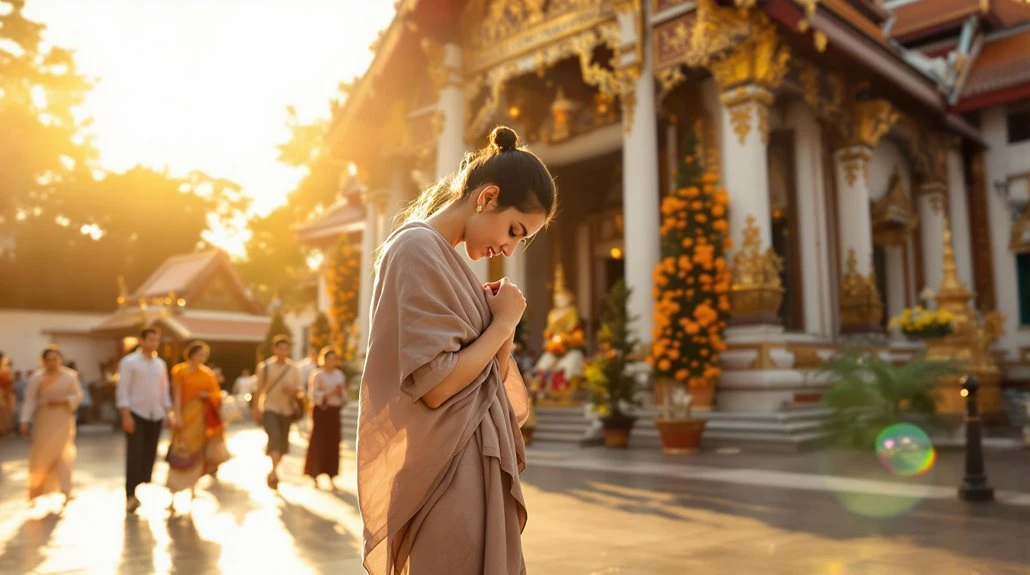
In rural Japan, travelers who seek permission before photographing elders during traditional festivals are often welcomed and may be invited to participate, fostering mutual respect and enriching cultural exchange. Conversely, tourists photographing children in sub-Saharan Africa without consent have faced backlash for violating privacy and perpetuating neo-colonial imagery.
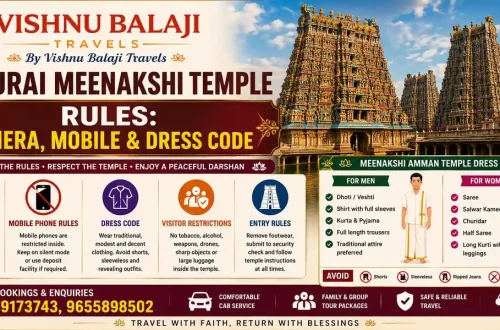
In India, modest dress and asking permission to photograph religious ceremonies in temples prevent offense and demonstrate cultural respect. Photographers who ignore these guidelines risk damaging relationships and missing opportunities for authentic storytelling.
These cases underscore how respectful photography positively impacts local communities by preserving dignity and empowering subjects. Conversely, neglecting etiquette can alienate hosts and perpetuate harmful stereotypes.
FAQ
How do I ask permission to photograph someone abroad if I don’t speak the language?
Using simple gestures such as showing the camera and smiling politely can convey your intention. Learning basic phrases like “May I take your photo?” in the local language enhances communication. When in doubt, showing respect and patience helps bridge language gaps.
Why is it important to respect refusals when asked not to be photographed?
Respecting refusals protects individuals’ privacy and dignity. It counters historical abuses where people were photographed without consent, reinforcing trust and ethical exchange in travel photography.
What are some common cultural customs I should research before photographing abroad?
Research should cover dress codes, especially in religious sites, restrictions on photographing government or military buildings, and sensitivities related to photographing children, elders, or sacred ceremonies. Local social norms and historical context are equally important.
How can I share travel photos responsibly on social media?
Provide context and respectful captions, avoid perpetuating stereotypes or exploitative narratives, and consider the privacy and safety of subjects before posting. Responsible sharing respects both the subjects and the audience.
What equipment is best for respectful travel photography?
Minimal and unobtrusive equipment such as smartphones or compact cameras is preferable. Large cameras or flash can intimidate subjects and disrupt natural moments.
Travelers who prioritize respectful photography practices contribute to more ethical, culturally sensitive, and enriching travel experiences. By integrating research, consent, cultural sensitivity, and responsible sharing into their photographic approach, they become mindful guests who honor the stories and dignity of the communities they visit.
For further guidance on respectful travel photography, consult resources like how to be a respectful traveler and culturally sensitive travel photographer tips. These provide practical advice rooted in cultural understanding and ethical travel principles.