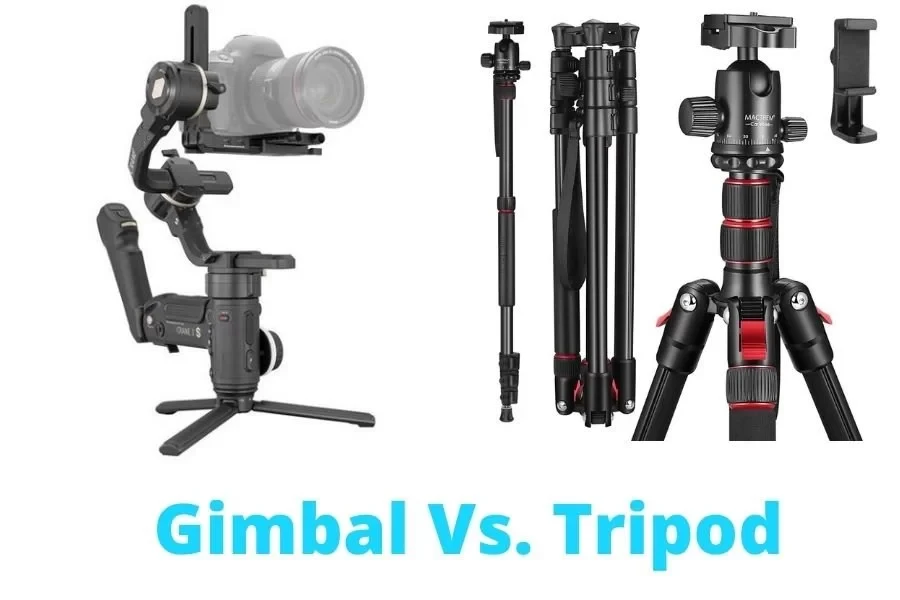
SnapRoamer.com – Choosing between a smartphone gimbal and a tripod depends on your shot intent: gimbals are engineered for active, smooth motion and dynamic filmmaking, whereas tripods are the industry standard for locked-down, shake-free static shots, time-lapses, and long exposures where even micro-vibrations must be eliminated. A gimbal is designed to physically isolate the camera from external movement through three-axis control (pitch, roll, and yaw), unlike digital stabilization which can degrade image quality.
The Software vs. Hardware Conflict: Avoiding the ‘Jello Effect’
When using a smartphone gimbal alongside internal Electronic image stabilization (EIS), creators may encounter “warping” or “jello effect” artifacts. This occurs because the gimbal’s physical three-axis stabilization and the phone’s software algorithms may over-compensate for the same movement.
How EIS and OIS interact with gimbal motors
Hardware stabilization provided by manufacturers like DJI and Zhiyun physically isolates the camera from movement. This differs fundamentally from Digital Image Stabilization (DIS), which is applied after footage is captured and can lead to a loss in image quality and resolution. When a smartphone’s internal EIS attempts to correct for movement that the gimbal motors are already physically neutralizing, the conflicting algorithms can create a “jello effect,” where the frame appears to warp or vibrate unnaturally.
Preventing resolution loss from over-processing
To maintain maximum fidelity, creators utilize Gimbal Balancing. This technique requires you to mount the camera securely, ensure even positioning, and adjust the axes until the camera remains steady and horizontal without drift. Excessive software stabilization can also cause a crop that reduces effective resolution.
Vertical Content Workflow: TikTok, Reels, and Shorts
Short-form vertical video production requires high mobility. Because gimbals are lighter in weight compared to tripods, they serve as a more convenient option for creators on the move.
- Rapid Orientation: Modern smartphone gimbals allow for near-instant switching between horizontal and vertical modes.
- Dynamic Tracking: Gimbals enable smooth “follow” shots that are difficult to achieve with a static tripod setup.
- Mobility: Due to their lighter weight compared to tripods, gimbals are a more convenient option for creators on the move.
While a tripod provides a stable base, it can create friction in fast-paced mobile workflows. Repositioning tripod legs and leveling the head can interrupt the momentum needed for social media trends.
Gimbal vs. Tripod: Core Functional Differences
Gimbals offer dynamic stability for active filmmaking, while tripods provide the absolute stillness required for professional-grade time-lapse photography. Ulanzi notes that “A gimbal is excellent for active filmmaking and smooth motion, but a tripod is the best option for locked-down, steady shots.”
A gimbal is excellent for active filmmaking and smooth motion, but a tripod is the best option for locked-down, steady shots. This distinction is critical for understanding the specialized role each tool plays in a production kit.
| Feature | Smartphone Gimbal | Tripod |
|---|---|---|
| Primary Purpose | Active, dynamic movement | Static, locked-down shots |
| Stability Type | Dynamic (3-axis) | Absolute (Fixed) |
| Learning Curve | High (requires balancing) | Low (set and forget) |
| Ideal Use Case | Vlogging, tracking shots | Time-lapse, long exposure |
| Portability | High | Moderate to Low |
The choice often comes down to the specific motion required. While a gimbal allows for a full range of motion in any direction, a tripod is the only way to ensure the absolute stillness required for professional-grade time-lapse photography. Even the slightest camera movement during an hour-long sequence will ruin the footage.
Critical Failure Modes and Troubleshooting
Unlike a passive tripod, a gimbal is an active electronic device. This introduces specific technical risks, such as motor strain or calibration issues, that can compromise a shoot.
Managing Gimbal Drift in static shots
A common issue for beginners is “drift.” In Depth Cine reports that “Gimbals run into problems as soon as they stop moving.” Because gimbals are operated by a person who cannot hold their muscles completely still for an extended period, you inevitably get drift when trying to compose static shots. This occurs when the gimbal attempts to hold a shot but fails to remain perfectly still due to micro-vibrations or calibration issues.
Preventing motor strain from payload limits
Gimbals have a much lower weight tolerance than mechanical production tripod heads. While professional tripod heads can carry heavy cinema lenses, exceeding a gimbal’s payload limit can lead to overheating or permanent motor failure. Additionally, users should avoid covering a gimbal with a rain cover, as the extra weight can alter the balance and strain the motors.
The Solo Creator’s Logistics: Battery and Setup Time
Logistics dictate much of a solo shoot’s success. While tripods are “set and forget,” gimbals require a more complex preparation phase. Setting up a gimbal often involves a significant time investment to ensure the device is balanced correctly across all three axes.
Creators must also manage separate power requirements for the smartphone and the gimbal. In professional environments, rebuilding a production camera into a gimbal mode can take as much as 10 minutes.
Shortcut: To speed up setup, always perform Gimbal Balancing before powering on the motors to prevent unnecessary strain.
Market Analysis: Pricing and Product Tiers
The cost of stabilization gear varies significantly depending on whether you are targeting mobile vlogging or professional photography. In the Pakistan market, entry-level vlogging tripods can be found starting at 1,500 PKR. For those moving into mobile stabilization, smartphone gimbals typically range from 30,000 PKR to 60,000 PKR. If you are upgrading to professional DSLR-compatible gimbals, prices start around 43,000 PKR. High-end mobile gimbal solutions, such as those from Insta360, represent the upper tier of the market.
FAQ
Can a gimbal replace a tripod for time-lapse photography?
No. Time-lapse photography requires absolute stability. Even the slightest movement during a long sequence will ruin the footage, making a tripod essential for ensuring every frame is perfectly aligned.
What is ‘gimbal drift’?
Drift occurs when a gimbal attempts to hold a static shot but fails to remain perfectly still due to human muscle micro-movements or motor calibration issues, causing the frame to slowly shift.
Is a gimbal harder to use than a tripod?
Yes, gimbals have a steeper learning curve because they require precise balancing, calibration, and active motor management, whereas tripods are largely “set and forget” tools for static stability.