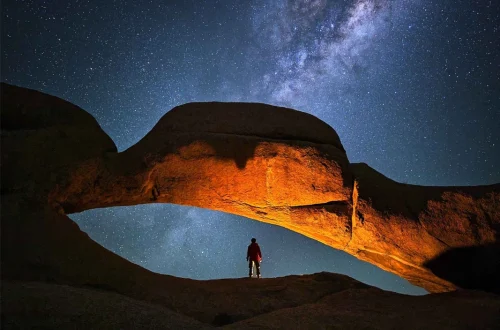
SnapRoamer.com – Travel photography presents unique lighting challenges that require a blend of technical skill and adaptable equipment to capture compelling images on location. Photographers must navigate highly variable lighting conditions—from the soft, warm tones of golden hour to the harsh midday sun and unpredictable weather—while balancing the demands of portability and control. Achieving optimal lighting quality in travel environments hinges on mastering natural light techniques and supplementing with compact artificial lighting tools, enabling photographers to maintain image fidelity and creative flexibility without cumbersome gear.
Natural light remains the cornerstone of effective travel photography, especially when harnessed during golden hour or through strategic light direction such as backlighting or sidelight. However, artificial lighting—through LED panels, softboxes, and reflectors—serves as a vital complement, allowing for nuanced control over shadows, highlights, and color temperature. This article explores the interplay between natural and artificial lighting in travel photography, offering detailed insights into gear selection, lighting techniques, and expert practices from established photographers like Alex Coleman and Anastasia Jobson, to guide photographers in optimizing in-camera lighting for diverse travel scenarios.
Leveraging Natural Light: Directions, Golden Hour, and Weather Conditions
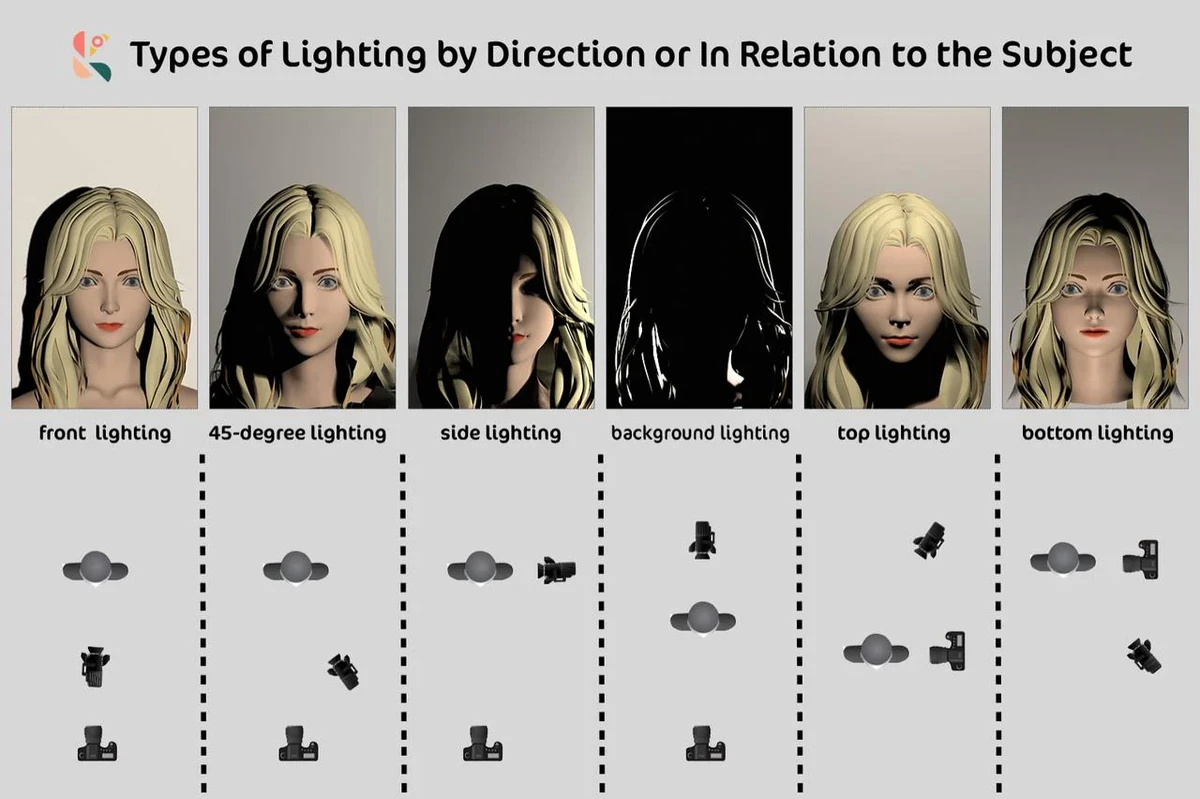
Natural light’s direction significantly influences mood, texture, and depth in travel photographs. Front lighting illuminates subject details evenly but can render images flat, while backlighting creates silhouettes and dramatic contrast, enhancing atmosphere. Sidelighting, by casting shadows from an angle, accentuates textures and dimensionality, making it ideal for landscape and architectural shots.
Golden hour—the period shortly after sunrise and before sunset—offers an optimal natural light window characterized by warm color temperature (approximately 3000-4000 Kelvin) and soft shadows. This time frame minimizes harsh contrasts common during midday and enhances color saturation, making it invaluable for travel photographers seeking atmospheric imagery without extensive post-processing.
Managing midday sunlight, often exceeding 5500 Kelvin and producing intense, direct light, requires adaptive strategies. Photographers frequently use natural diffusion such as shade or clouds to soften harsh highlights and reduce glare. Overcast conditions provide diffused, even lighting, beneficial for portraiture and macro travel shots, though they may necessitate supplemental artificial lighting to maintain vibrancy.
Portable Artificial Lighting Solutions for Travel
While three-point lighting setups are standard in studio environments, their bulk and complexity make them impractical for travel. Portable artificial lighting solutions focus on lightweight, battery-powered devices that balance power and portability. LED panels have surged in popularity due to their low heat output, adjustable color temperature (often spanning 2700-6500 Kelvin), and long battery life, allowing photographers to match ambient light conditions precisely.
Compact softboxes and diffusion umbrellas are essential light modifiers that soften LED panel output, replicating natural diffusion to reduce shadows and glare on subjects. Bounce boards, typically lightweight white or silver reflectors, redirect existing light to fill shadows effectively without adding powered light sources, preserving battery life and minimizing gear load. Additionally, small collapsible light stands and flexible mounts enhance setup speed and adaptability in dynamic environments.
Flashes and strobes, though powerful, are less favored for travel due to their bulk and recharge requirements. However, pocket-sized flashes with wireless triggers remain viable options for photographers prioritizing rapid, controlled bursts of light in variable settings.
Practical Lighting Techniques On Location
Reflectors and diffusers are indispensable for on-the-fly light control during travel shoots. Photographers employ white or silver reflectors to bounce natural light onto shaded areas, balancing exposure without altering ambient color temperature significantly. Diffusion materials such as translucent umbrellas or softboxes soften direct sunlight, mitigating harsh shadows and reducing specular highlights.
Quick lighting setups are critical for spontaneous captures in travel contexts. Lightweight LED panels mounted on compact tripods or handheld reflectors allow photographers to adjust lighting rapidly, accommodating changing natural light angles or weather conditions. Indoor travel photography benefits from combining artificial continuous lighting with available window light, using diffusers to harmonize contrasting sources.
Travel photographers often use sidelight to exploit texture and depth, particularly in architectural or street photography, while backlighting is favored for creating silhouettes or emphasizing atmospheric haze. Mastering exposure compensation helps maintain balance between ambient and artificial light, preventing blown highlights or underexposed shadows.
Color Temperature and Light Quality Considerations
Understanding color temperature, measured in Kelvin (K), is essential for harmonizing artificial lighting with natural surroundings in travel photography. Daylight averages around 5500-6500 K, but varies with time and weather. LED panels with adjustable color temperature enable photographers to calibrate light output closely to ambient conditions, preserving natural color fidelity and avoiding unnatural color casts.
Color Rendering Index (CRI) is equally important; high CRI (above 90) light sources reproduce colors more accurately, critical for travel scenes with diverse and vibrant hues. LED panels with high CRI ratings help maintain true-to-life colors, minimizing reliance on color corrections during post-processing.
Balancing artificial light to match the warmer tones of golden hour or cooler midday light requires careful calibration. Photographers often use gels or diffusion filters to tweak color temperature and soften light quality, ensuring seamless integration with natural light.
Post-Processing vs Getting Lighting Right In-Camera
While modern post-processing software offers extensive tools for correcting exposure and color, it cannot fully compensate for poor lighting conditions captured in-camera. Overexposed highlights or deep shadows lacking detail are challenging to recover without quality loss. Achieving optimal lighting on location reduces reliance on editing, saving time and preserving image authenticity.
Natural and artificial lighting synergy enables photographers to capture balanced exposures with minimal noise and accurate colors, streamlining post-production workflows. Emphasizing in-camera lighting control—through reflectors, diffusion, and portable LED panels—ensures higher-quality source images, enhancing final outputs and printing fidelity.
Case Examples and Expert Tips from Travel Photographers
Alex Coleman emphasizes the importance of lightweight lighting kits tailored for travel, advocating for compact LED panels paired with collapsible softboxes and reflectors to maintain versatility without sacrificing portability. Coleman’s workflow prioritizes rapid setup and teardown, enabling spontaneous creativity amid unpredictable travel conditions.
Anastasia Jobson highlights the strategic use of bounce boards and adjustable color temperature LED lights to mimic natural light effects, particularly in remote locations where power sources are limited. Her approach integrates continuous lighting with natural light observation, adapting to environment changes through flexible gear and real-time adjustments.
Both photographers recommend investing in multi-functional gear—such as LED panels with variable power and color settings—and mastering natural light direction to minimize artificial light dependency. Their insights affirm that effective travel photography lighting hinges on a balance of technical knowledge, gear flexibility, and environmental responsiveness.
FAQ
What is the best natural light direction for travel photography?
Backlighting and sidelighting are generally preferred for travel photography because they create depth, texture, and atmosphere. Front lighting illuminates details evenly but can produce flat images. Photographers often use backlight during golden hour to capture silhouettes and warm tones.
Are LED panels suitable for travel photography lighting?
Yes, LED panels are ideal for travel due to their low heat emission, adjustable color temperature, and lightweight design. They offer continuous light that can be easily modified with softboxes or umbrellas and powered by rechargeable batteries, making them practical for on-location shoots.
How can I manage harsh midday sunlight when shooting outdoors?
Using natural diffusion like shade, clouds, or portable diffusers softens harsh sunlight. Reflectors can fill shadows, and adjustable exposure settings help balance brightness. Combining these techniques with portable artificial lighting allows for controlled illumination even in intense sunlight.
What lighting gear is recommended for travel photographers?
Recommended gear includes compact LED panels with adjustable color temperature, collapsible softboxes or umbrellas for diffusion, lightweight bounce boards, small portable light stands, and battery-powered flashes with wireless triggers. Prioritizing portability and multi-functionality is key.
Can post-processing fix poor lighting in travel photos?
Post-processing can enhance exposure and color balance but cannot fully correct poorly lit images, especially if highlights are blown out or shadows lack detail. Achieving good lighting in-camera through natural and artificial means remains essential for high-quality travel photography.
travel photography lighting continues evolving with advancements in portable LED technology and refined natural light techniques. Photographers who master the balance between leveraging ambient conditions and employing lightweight, adaptable artificial lighting gear will unlock greater creative potential on location. Future developments in battery efficiency and compact light modifiers promise further enhancements in travel-friendly equipment, enabling photographers to push artistic boundaries without compromising mobility.
For more detailed gear recommendations and professional travel photography lighting tips, visit Anastasia Jobson’s lighting kit guide and explore practical insights at ArtisanHD’s travel photography tips.