SnapRoamer.com – Smartphone camera quality has surged in recent years, but lighting remains a pivotal factor in capturing professional-grade photos and videos. LED lights specifically designed for smartphone photography offer continuous, adjustable illumination that significantly enhances image clarity, color accuracy, and overall visual appeal. Leading brands such as Lume Cube, Harlowe, GVM, Westcott, Rotolight, and Bower have developed diverse lighting solutions—from ring lights to portable LED panels—tailored to mobile content creators’ evolving needs. These products provide adjustable brightness levels, color temperature controls, and versatile mounting options that address varied shooting environments, whether indoor, outdoor, or on the move.
The integration of RGB and bi-color LED technology in portable lighting devices enables creators to fine-tune light output to match ambient conditions and artistic intent. Battery-powered and rechargeable models increase mobility without compromising continuous lighting quality. This article provides an in-depth analysis of the best LED lighting options for smartphone cameras, highlighting critical features, comparative brand insights, and practical usage tips for maximizing photo and video quality.
Types of LED Lights for Smartphone Photography
LED lighting solutions for smartphone cameras primarily fall into three categories: ring lights, portable LED panels, and clip-on mini lights. Each type offers distinct advantages based on shooting requirements and portability considerations.
Ring lights produce uniform, shadow-reducing illumination by encircling the smartphone camera lens. This design minimizes harsh shadows and highlights facial features evenly, making it ideal for selfies, video calls, and beauty content. The circular light source creates characteristic catchlights in the eyes, enhancing portrait aesthetics. Popular ring lights incorporate adjustable brightness and bi-color temperature settings, allowing users to shift between warm and cool tones to complement skin tones or ambient light.
Portable LED panels vary in size, from compact handheld designs to larger professional-grade panels. They deliver continuous lighting with higher lumen outputs, suitable for broader scenes and multi-subject framing. Panels commonly feature RGB and bi-color modes, enabling nuanced color blending and temperature adjustments from approximately 3200K to 5600K. Their flat surfaces and diffusers ensure soft, even light distribution. Models like GVM’s bi-color panels and Westcott’s high-lumen solutions exemplify this category’s versatility for on-location shoots or studio environments.
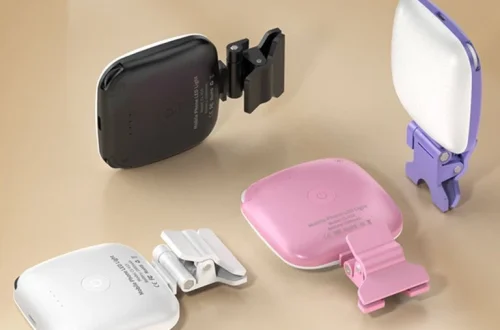
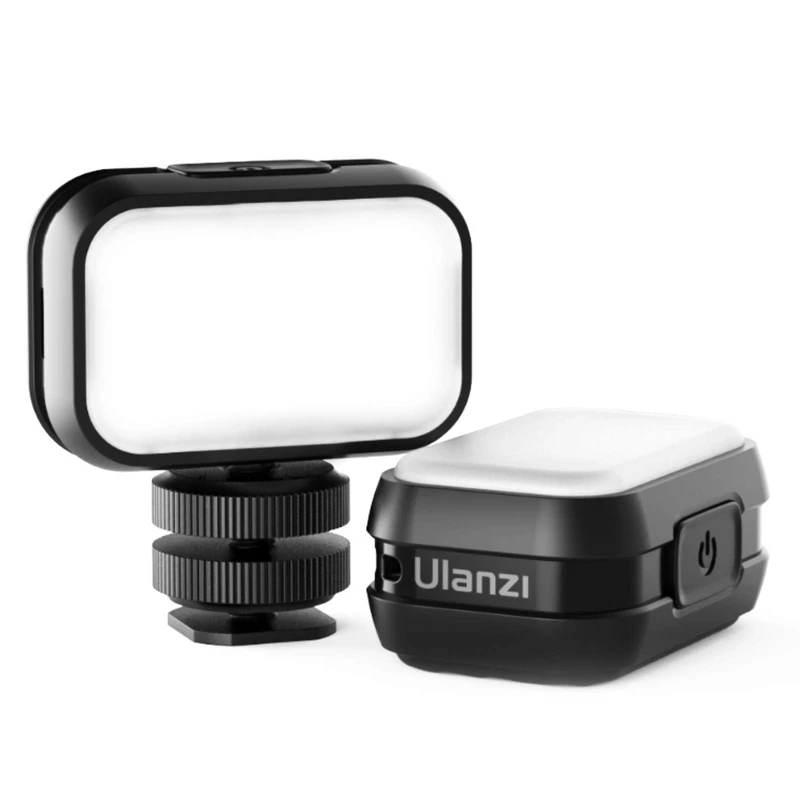
Clip-on and mini LED lights emphasize mobility and ease of attachment, clipping directly onto the smartphone or its case. While generally lower in output compared to panels or ring lights, these lights offer quick deployment for spontaneous shooting, especially in low-light urban or outdoor conditions. They often include rechargeable batteries and adjustable brightness but may lack advanced color temperature controls.
Essential Features for Effective Smartphone LED Lighting
When selecting LED lights for smartphone photography, several technical and ergonomic attributes influence performance and user satisfaction.
Adjustable brightness is critical for tailoring light intensity to specific scenes. Optimal smartphone lighting balances sufficient illumination to reduce noise without overexposing the image sensor. Leading products provide dimming capabilities from as low as 1% up to full power (e.g., 1000+ lumens), often controlled via physical dials or companion smartphone apps for precision.
Color temperature adjustment enhances color accuracy and mood setting. Bi-color LED lights allow shifts between tungsten-like warm light (~3200K) and daylight-balanced cool light (~5600K), adapting to indoor and outdoor environments. More advanced RGB LED panels enable full-spectrum color mixing, supporting creative lighting effects and thematic color schemes.
Power source considerations affect portability and shooting duration. Rechargeable lithium-ion batteries dominate the market, offering several hours of continuous use per charge. Some models support pass-through charging, allowing simultaneous use and recharge. Wall-powered units provide consistent output but limit mobility, making battery-powered options preferable for mobile content creators.
Mounting versatility is another essential feature. Common solutions include adjustable gooseneck arms, tripod compatibility via 1/4-inch screws, clip-on mounts, and smartphone hotshoe adapters. Flexible mounting enables precise positioning to minimize shadows and highlight subjects effectively. Durable construction materials and weather-resistant designs, such as waterproofing found in Lume Cube products, expand usability in adverse conditions.
Comparative Overview of Leading Brands and Models
Top-tier brands dominate the smartphone LED light market by combining technological innovation with practical design tailored to mobile creators’ needs.
Lume Cube’s range stands out for waterproof and rugged LED lighting solutions, such as the Flex Light Pro, which offers 1500 lumens, full RGB color control, and a compact form factor suitable for travel. Their ring light options also support adjustable brightness and color temperature with smartphone-friendly mounting systems, catering to on-the-go influencers and videographers.
Harlowe focuses on spectral accuracy and power efficiency with models like the Hobolite Micro 8W and Sol 5 Spectra RGBCW, which provide multi-channel color control and high color rendering indexes (CRI > 95). The Iris 5W Spectra offers lightweight portability combined with advanced bi-color and RGB tuning, ideal for nuanced photo shoots requiring precise lighting adjustments.
GVM and Westcott produce professional-grade panel lights and bi-color ring lights with high lumen outputs, robust build quality, and broad color temperature ranges. GVM’s panels integrate wireless control via smartphone apps, facilitating remote adjustments during filming. Westcott’s product lineup emphasizes diffusion technology to produce soft, natural light that reduces harsh shadows.
Budget-conscious options from Bower and Amazon include clip-on ring lights and mini LED panels that deliver reliable illumination with fewer advanced features. These models appeal to casual users and beginners seeking immediate improvement in selfie and video lighting without substantial investment.
| Brand | Model | Light Type | Brightness (Lumens) | Color Modes | Power Source | Mounting Options |
|---|---|---|---|---|---|---|
| Lume Cube | Flex Light Pro | Portable LED Panel | 1500 | RGB + Bi-color | Rechargeable Battery | Tripod, Magnetic Mount |
| Harlowe | Sol 5 Spectra RGBCW | Portable LED Panel | Variable (8W) | RGB + Bi-color | Rechargeable Battery | Tripod, Gooseneck |
| GVM | 520S Bi-color Panel | LED Panel | 1000+ | Bi-color | Rechargeable / AC | Tripod, Adjustable Arm |
| Westcott | Bi-color Ring Light | Ring Light | Variable | Bi-color | AC Powered | Tripod, Hotshoe |
| Bower | Clip-on Ring Light | Ring Light | Lower Output | Single Color | Rechargeable | Clip-on |
This table summarizes key specifications of popular LED lighting options, reflecting their suitability for various smartphone photography contexts.
Optimizing LED Lighting for Smartphone Photography
Effective use of LED lighting requires more than just equipment selection; placement, angle, and interaction with the smartphone camera system critically influence results.
Position the light source to minimize unflattering shadows while preserving natural contours. For portraiture, placing ring lights directly around the camera lens delivers even illumination, while side-mounted panels can add dimensionality by introducing subtle shadows. Adjusting the angle between 30 to 45 degrees from the subject often yields balanced lighting without flattening features.
Tailor brightness and color temperature based on shooting environment. In dim indoor settings, higher brightness and warmer tones help maintain skin warmth and reduce noise. Outdoor shoots benefit from daylight-balanced settings (around 5600K) to harmonize with natural light. Experimenting with RGB modes can add creative effects or correct color casts.
Combining LED lights with smartphone accessories such as gimbals and external lenses enhances stability and framing flexibility. Wireless control features on some LED panels enable remote adjustments without disrupting the shoot. Diffusers and softboxes compatible with certain models help soften harsh LED light, reducing glare and reflections on reflective surfaces.
Emerging Trends and Innovations in Smartphone LED Lighting
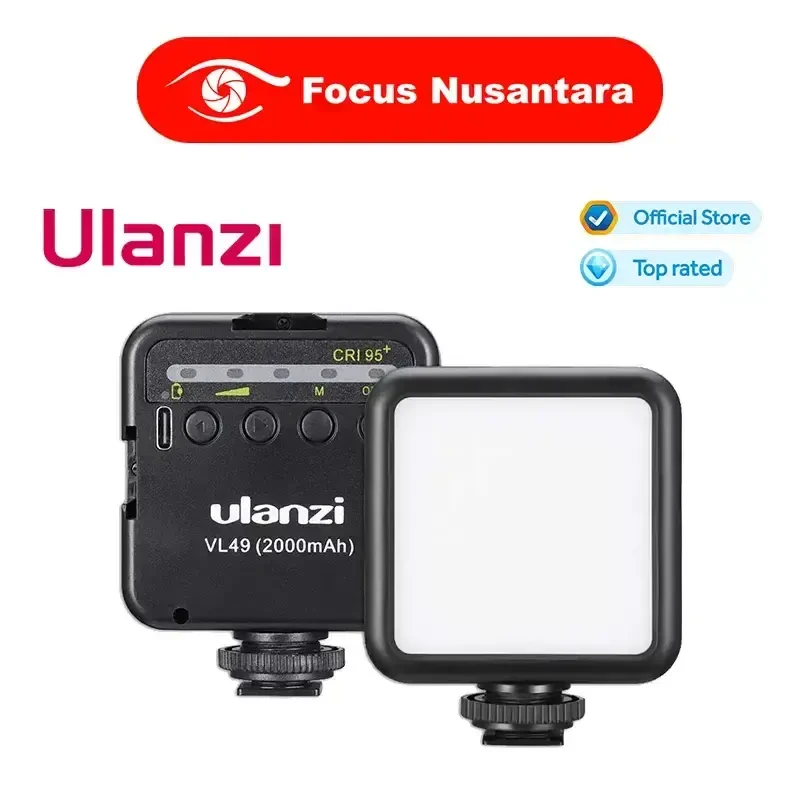
The evolution of smartphone LED lighting technology reflects growing demand for versatile, compact, and intelligent illumination tools among mobile content creators.
RGB and multi-mode LED lights are becoming standard, offering broader creative control over color outputs and ambiance settings. Integration with smartphone apps facilitates real-time control over brightness, color temperature, and light effects, streamlining on-the-fly adjustments during live streaming or video recording.
Wireless charging and extended battery life improvements address mobility constraints, enabling longer shooting sessions without power interruptions. Brands increasingly incorporate weatherproofing and rugged construction to accommodate diverse shooting environments, from urban streets to outdoor adventures.
The ecosystem of mobile content creator tools is expanding, with smart mounts, modular light panels, and synchronized multi-light setups enhancing professional production capabilities. Artificial intelligence-powered lighting adjustments that analyze ambient light conditions and subject positioning are emerging, promising automated optimization for smartphone photography.
These technological strides position LED lighting as an indispensable component of smartphone videography and photography, bridging the gap between casual content creation and professional-grade production.
Frequently Asked Questions
What type of LED light is best for smartphone selfies?
Ring lights are generally the most effective for selfies, as their circular design provides even, shadow-free illumination directly around the smartphone camera lens. Adjustable brightness and color temperature features allow customization to different skin tones and ambient lighting.
Are portable LED panels better than ring lights for smartphone video?
Portable LED panels offer higher brightness levels and broader lighting coverage, making them preferable for multi-subject or dynamic video scenes. Ring lights excel in close-up shots and single-subject framing. The choice depends on shooting style and environment.
How important is adjustable color temperature in smartphone LED lights?
adjustable color temperature is vital for matching the lighting to different environments, such as warm indoor lighting or cool daylight outdoors. It helps maintain accurate skin tones and natural color balance, enhancing photo and video quality.
Can LED lights improve smartphone video quality in low light?
Yes, continuous LED lighting reduces image noise and enhances detail visibility by providing consistent, controlled illumination. Battery-powered LED lights allow shooting in dim or nighttime settings without sacrificing image clarity.
Which brands offer the most durable and advanced smartphone LED lights?
Lume Cube and Harlowe are recognized for their rugged, waterproof designs and advanced RGB/bi-color controls. GVM and Westcott provide professional-grade, high-lumen panels and ring lights suitable for studio and on-location shooting.
This analysis draws from verified specifications and expert reviews, including insights from Lume Cube’s official smartphone lighting collection and product evaluations by The New York Times Wirecutter. As smartphone photography demands continue to evolve, LED lighting solutions are increasingly sophisticated, offering content creators powerful tools to elevate their visual storytelling.