SnapRoamer.com – Smartphone photography has emerged as a pivotal force in cultural documentation and storytelling, transforming how societies capture, preserve, and disseminate heritage and social narratives. Its ubiquity and immediacy grant unprecedented access to visual storytelling tools, enabling diverse communities to engage actively in recording intangible cultural heritage (ICH) and social events. This democratization challenges traditional photographic hierarchies while leveraging cutting-edge mobile imaging technology and AI to deepen cultural preservation efforts globally.
Smartphones, equipped with increasingly sophisticated cameras, provide lightweight, connected platforms capable of capturing granular, real-time cultural moments. These devices have become essential for documenting everything from vibrant festivals such as the Carnival of Venice and Nauryz to critical social movements like the Eric Garner protests. By expanding the scope of who can document culture, smartphone photography reshapes visual culture, amplifies marginalized voices, and fosters new narratives anchored in lived experience.
Democratization and Accessibility of Cultural Photography
The proliferation of smartphone cameras has radically democratized cultural photography by placing powerful image-capturing technology into the hands of millions worldwide. Unlike traditional photography, which often requires specialized equipment and training, smartphone photography‘s ease of use enables broader participation in cultural storytelling. This accessibility empowers individuals and communities to record their traditions, rituals, and social realities without gatekeeping by professional photographers or institutions.
This shift has altered photographic culture by redefining authorship and authenticity. Mobile photography encourages spontaneous, diverse perspectives that challenge conventional aesthetics and narratives. For instance, community activists and festival participants can document events from insider viewpoints, contributing to a more nuanced and representative cultural archive. As highlighted by the International Center of Photography (ICP), smartphone cameras facilitate the material politics of visibility, allowing previously underrepresented groups to assert their presence visually in public discourse (ICP analysis).
Moreover, the integration of social media platforms with mobile photography accelerates cultural dissemination, enabling rapid sharing, feedback, and communal validation. This interconnectedness fosters collaborative digital storytelling, where cultural heritage is not only preserved but dynamically interpreted and adapted.
Smartphone Photography in Social and Cultural Events
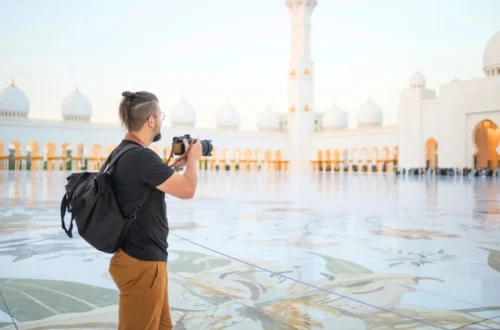
Smartphone photography plays a crucial role in capturing social gatherings and cultural festivals, offering immediacy and flexibility unattainable by traditional cameras. Events like the Carnival of Venice and the Central Asian festival Nauryz illustrate how mobile imaging captures ephemeral cultural expressions—costumes, performances, communal rituals—often inaccessible to professional photographers due to logistical or cultural barriers.
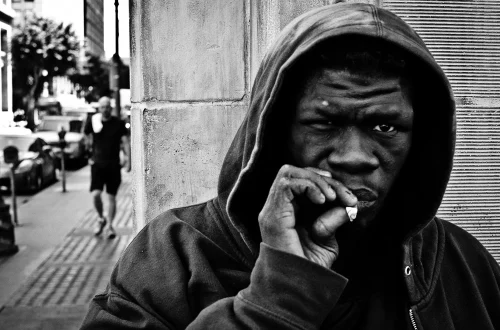
In the context of social activism, smartphones have become indispensable tools for documenting protests and raising awareness. The Eric Garner protests exemplify how mobile imaging provided real-time visual evidence that challenged official narratives and galvanized public opinion. The ability of smartphones to capture candid, on-the-ground moments has redefined the framing and orientation of cultural imagery, emphasizing lived realities over curated representations.
These events benefit from mobile photography‘s portability and connectivity, allowing participants to document and broadcast cultural moments instantaneously. This immediacy increases visibility for marginalized voices and facilitates social accountability, especially when traditional media coverage is limited or biased.
Technological Advances Enhancing Cultural Heritage Preservation
Recent advancements in smartphone imaging technology have elevated the role of mobile devices from mere documentation tools to instruments capable of supporting professional heritage conservation. Techniques such as videogrammetry and 3D modeling, traditionally reliant on expensive, bulky equipment like Terrestrial Laser Scanners, are increasingly achievable through smartphone cameras with supplemental lens accessories and multispectral imaging capabilities.
Studies demonstrate that mobile videogrammetry approaches professional survey accuracy, enabling detailed three-dimensional reconstructions of intangible and tangible cultural heritage sites. This technology is particularly valuable for preserving delicate or endangered heritage, allowing for non-invasive documentation and virtual restoration.
color calibration tools and spectral filters integrated into mobile applications further enhance image fidelity, critical for accurate archival records. These innovations enable heritage professionals to extend their reach beyond specialized laboratories, facilitating broader community participation in preservation efforts.
Integration of AI and Mobile Applications in Cultural Storytelling
Artificial intelligence (AI) integration into mobile photography and cultural heritage projects is revolutionizing how stories are told and preserved. Mobile applications now combine photographic portraits with oral histories and even genetic data to construct multidimensional cultural narratives. The Detroit community initiative exemplifies this approach, merging AI-driven multimedia storytelling to deepen engagement with local heritage.
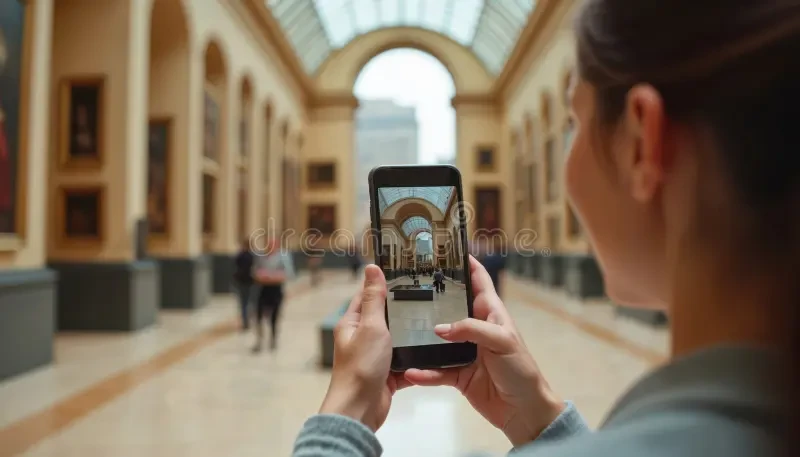
AI algorithms analyze image content to identify patterns, facial expressions, and contextual metadata, enabling interactive cultural experiences that adapt to user interests. For example, augmented reality (AR) apps overlay historical information onto heritage sites, while machine learning tools support the categorization and indexing of vast cultural archives.
These AI-powered applications facilitate the digitalization of intangible cultural heritage by integrating diverse media forms—photographs, audio, video, text, and DNA mapping—into cohesive narratives accessible on smartphones. This fusion enhances emotional resonance and educational impact, fostering deeper cultural understanding.
Political and Social Implications
Smartphone photography’s role extends beyond cultural documentation to become a potent tool for activism and social change. By democratizing image capture, it challenges traditional power dynamics embedded in who controls visual representation and narrative authority. Activists use smartphones to document human rights abuses, environmental protests, and social inequalities, leveraging imagery to mobilize support and hold authorities accountable.
However, ethical considerations arise concerning consent, privacy, and the potential commodification of cultural images. The politics of image capture demand careful negotiation, particularly when documenting vulnerable communities or sacred cultural practices. Researchers caution against exploitative uses of mobile photography that may reinforce stereotypes or omit contextual complexities.
Balanced perspectives recognize that while smartphone photography empowers new voices, it also necessitates critical awareness of the risks and responsibilities involved in cultural storytelling.
Future Outlook
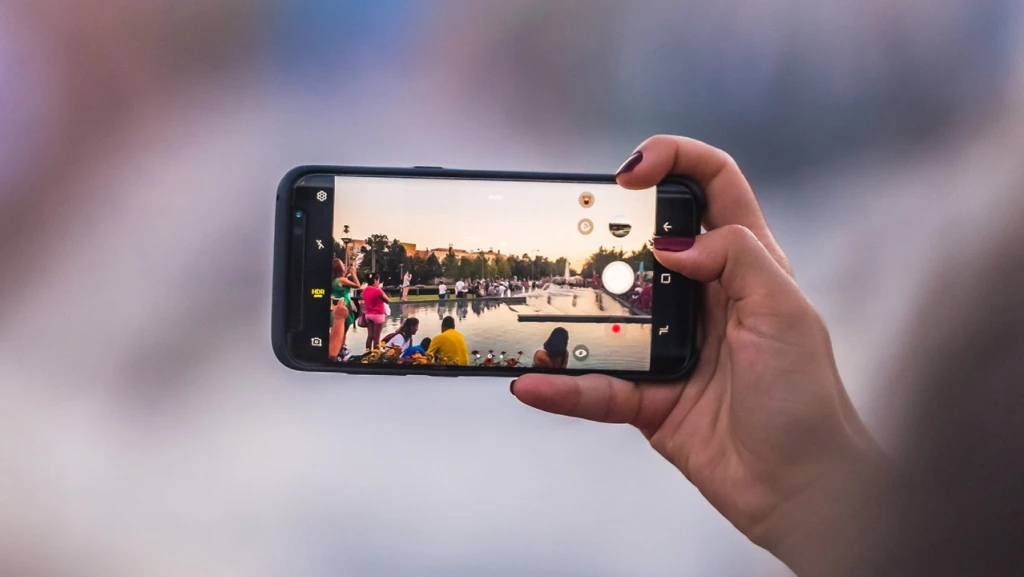
The trajectory of smartphone camera technology and cultural heritage digitalization points toward increasingly sophisticated tools that blend AI, multisensory capture, and immersive experiences. Upcoming innovations in computational photography, such as enhanced depth sensing and multispectral imaging, will further narrow the gap between mobile devices and professional heritage documentation equipment.
Mobile applications are expected to expand their capabilities in facilitating collaborative cultural communication, integrating crowd-sourced data and real-time feedback loops to enrich heritage databases. AI advancements will enable more personalized and context-aware storytelling, fostering global cultural exchange while respecting local identities.
These developments promise to amplify the role of smartphone photography as both a creative and preservation medium, enabling communities worldwide to safeguard and celebrate their cultural legacies dynamically.
| Technology | Application in Cultural Heritage | Advantages |
|---|---|---|
| Videogrammetry via Smartphones | 3D modeling of heritage sites and artifacts | Portable, cost-effective, near-professional accuracy |
| Multispectral Imaging | Enhanced color fidelity and material identification | Non-invasive, supports detailed archival documentation |
| AI-powered Mobile Apps | Interactive storytelling, oral history integration, DNA mapping | Multimedia engagement, personalized cultural narratives |
| Lens Accessories and Calibration Tools | Improved optical quality for cultural photography | Enhanced image clarity, accuracy for conservation |
FAQ
How does smartphone photography contribute to cultural heritage preservation?
Smartphone photography enables accessible, immediate documentation of cultural events and heritage sites. Advances in mobile imaging and AI allow for detailed 3D modeling, oral history integration, and multimedia storytelling, enhancing preservation efforts and broadening participation beyond traditional institutions.
What role does AI play in smartphone-based cultural storytelling?
AI enriches cultural storytelling by analyzing visual data, facilitating interactive experiences, and integrating diverse media forms. It supports tasks like facial recognition, metadata tagging, and augmented reality overlays, allowing users to engage deeply with cultural heritage on mobile platforms.
Can smartphone photography replace professional equipment in heritage documentation?
While smartphones have made significant technological strides, they complement rather than fully replace professional equipment. Techniques like videogrammetry and multispectral imaging via smartphones approach professional accuracy but typically require supplemental tools and expertise for comprehensive heritage conservation.
What are the ethical concerns surrounding smartphone photography in cultural contexts?
Ethical concerns include issues of consent, privacy, and respectful representation. Smartphone photography must navigate the politics of visibility, ensuring that cultural documentation does not exploit or misrepresent communities, especially when capturing vulnerable or sacred subjects.
How do social media platforms impact smartphone cultural photography?
Social media accelerates the dissemination and collaborative creation of cultural imagery captured by smartphones. It amplifies marginalized voices, fosters communal validation, and enables dynamic reinterpretation of cultural narratives, though it also raises questions about content ownership and digital preservation.
Smartphone photography is reshaping cultural documentation by merging accessibility with technological sophistication. Its integration with AI and mobile applications facilitates immersive, interactive cultural storytelling that transcends traditional barriers. As mobile imaging technology continues to evolve, it promises to deepen cultural preservation efforts and empower diverse communities to narrate their own heritage with unprecedented agency.
For further insights into how mobile photography is reshaping cultural storytelling worldwide, consult this detailed analysis by 1854 Photography. The International Center of Photography also offers extensive perspectives on the political and social implications of smartphone photography in cultural visibility (ICP resource).