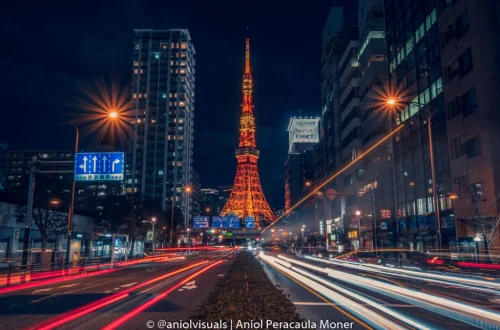
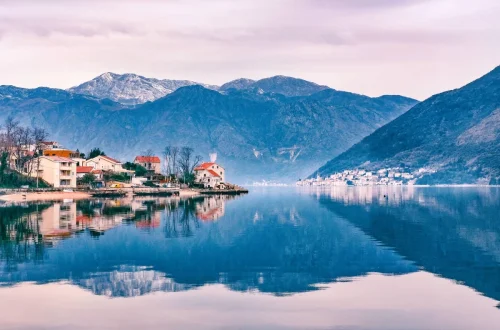
SnapRoamer.com – Antarctica’s expansive icy wilderness, the USA’s Yellowstone and Yosemite National Parks, Jaipur’s iconic pink-hued architecture, Patagonia’s rugged mountain landscapes, and Iceland’s glaciers and Northern Lights stand out as premier travel photography destinations. These locations offer photographers unparalleled diversity in landscapes, wildlife, and cultural subjects, providing rich opportunities to capture compelling and unique imagery worldwide.
Antarctica’s vast glaciers and icebergs offer pristine, surreal backdrops enhanced by unique light conditions such as the austral summer’s extended golden hours. Photographers can capture the interplay of ice textures, shifting light beams, and the rare wildlife that inhabit the region. Patagonia’s Torres del Paine and Los Glaciares National Parks, spanning Chile and Argentina, present dramatic mountain peaks, sweeping glaciers, and unpredictable weather that create dynamic lighting, ideal for evocative landscape photography. Iceland combines glaciers, cascading waterfalls, geothermal geysers, puffin colonies, and the ethereal Northern Lights, attracting landscape and wildlife photographers seeking varied natural wonders. The Lofoten Islands in Norway further add Arctic fjords and rugged coastlines with dramatic weather patterns, offering atmospheric conditions and epic vistas.
Iconic Natural Landscapes for Photography
Antarctica remains a top-tier destination for landscape photographers due to its remote, untouched ice formations and extended daylight during the austral summer. The region’s glaciers and icebergs provide intricate textures and reflective surfaces that respond beautifully to natural light variations. Photographers often face logistical challenges accessing the continent, but expedition cruises and specialized tours facilitate safe and responsible photography experiences. The unique light phenomena, including blue ice glows and soft twilight, demand technical knowledge of exposure and white balance to capture the scene’s true essence.
Patagonia’s Torres del Paine National Park offers jagged granite towers, turquoise glacial lakes, and vast pampas inhabited by guanacos and condors. Los Glaciares National Park features Perito Moreno Glacier, one of the few advancing glaciers globally, providing dramatic ice calving scenes. Seasonal shifts dramatically alter photographic opportunities, with spring and autumn offering vibrant colors and less crowded trails. Weather in Patagonia can change rapidly, requiring photographers to adapt equipment and shooting strategies quickly.
Iceland’s reputation as a photography hotspot stems from its accessibility and variety of natural phenomena. Photographers can capture iconic waterfalls like Seljalandsfoss and Skógafoss, geothermal areas such as Haukadalur, and diverse wildlife including puffins and seals. The Northern Lights season, typically from late autumn through early spring, demands long-exposure skills and clear night skies. Iceland’s landscapes also exhibit volcanic features, black sand beaches, and expansive glaciers, providing varied compositions.
The Lofoten Islands in Norway combine Arctic fjords, steep mountains, and fishing villages. The region’s polar night and midnight sun create unique light conditions for photography. The islands are renowned for aurora borealis displays and dramatic cloud formations. Access involves ferry rides and local transport, and photographers benefit from planning around seasonal weather patterns to maximize shooting windows.
National Parks and Wildlife Photography Hotspots
Yellowstone and Yosemite National Parks are among the USA’s most iconic photography destinations, offering a blend of geothermal activity, diverse fauna, and striking landscapes. Yellowstone’s geysers, including Old Faithful, and its populations of bison, wolves, and bears provide compelling wildlife and natural spectacle photography. Yosemite’s granite cliffs such as El Capitan and Half Dome attract climbers and photographers alike, with seasonal waterfalls and ancient sequoias adding to the visual diversity. Early morning and late afternoon light enhance natural features, while wildlife photography requires patience and adherence to park regulations to ensure safety and conservation.
Tanzania’s Serengeti National Park, Ngorongoro Crater, and Kilimanjaro present rich wildlife photography opportunities combined with cultural landscapes. The Serengeti’s vast savannahs host the Great Migration, an unparalleled wildlife event ideal for capturing large herds and predator-prey dynamics. Ngorongoro Crater’s enclosed ecosystem supports abundant species, while Kilimanjaro’s snow-capped summit offers dramatic panoramas. Zanzibar’s coastal areas provide a contrast with beach scenes and Swahili architecture. Photographers must consider seasonal migrations and climatic variations for optimal timing.
Antelope Canyon and Monument Valley in the American Southwest stand out for their unique geological formations and cultural significance. Antelope Canyon’s narrow slot canyons produce iconic light beams and textured sandstone walls. Access to Navajo lands requires permits and respectful engagement with local communities, emphasizing ethical photography practices. Monument Valley’s vast red sandstone buttes create a quintessential Western landscape, often captured at sunrise or sunset to leverage warm light and shadows.
Cultural and Architectural Photography Destinations
Jaipur, known as the Pink City of India, offers vibrant urban photography through its distinctive rose-hued buildings, palaces, and bustling markets. Architectural highlights include the Hawa Mahal and Amber Fort, featuring intricate facades and ornate detailing. Seasonal considerations are important, as the intense heat in April and May can affect shooting conditions. Photographers benefit from early morning or late afternoon light to soften harsh shadows and capture cultural scenes authentically.
Marrakech in Morocco combines colorful souks, historic medinas, and the Atlas Mountains as a backdrop. The city’s vibrant markets provide dynamic street photography opportunities, while architectural elements like the Bahia Palace and Koutoubia Mosque add depth. Photographers must navigate crowded spaces and respect local customs to avoid intrusive images.
Provence, France, is renowned for its lavender fields, historic villages, and soft Mediterranean light. The region’s seasonal bloom between June and August attracts photographers seeking pastoral and floral compositions. The Dolomites in Italy contrast with alpine peaks, dense forests, and quaint churches, offering a blend of natural and cultural subjects. The area is accessible via well-maintained trails suitable for hiking-based photography tours.
Emerging and Value-for-Money Photography Destinations
Vietnam presents diverse photographic subjects ranging from terraced rice fields in Sapa to the bustling streets of Hanoi and the serene Halong Bay. The country combines affordable travel costs with rich cultural heritage and varied landscapes, making it attractive for photographers on a budget. Seasonal weather varies from tropical monsoons to dry winters, affecting shoot planning.
Portugal’s urban centers such as Lisbon and Porto offer colorful architecture, historic streets, and coastal views. The country’s affordability relative to Western Europe combined with excellent light conditions in spring and autumn enhances its appeal. Portugal’s diverse environments include beaches, vineyards, and medieval towns.
Indonesia’s islands of Sumba and Nusa Penida remain relatively untouched by mass tourism, providing pristine beaches, traditional villages, and dramatic cliffs. These locations are ideal for photographers seeking secluded tropical landscapes and cultural authenticity. Travel logistics require careful planning due to limited infrastructure.
West Virginia in the USA offers seasonal fall colors, rugged mountain landscapes, and rustic charm, appealing to photographers interested in Americana and natural scenes. Tuscany, Italy, renowned for rolling hills, vineyards, and Renaissance architecture, presents iconic pastoral imagery, especially during harvest seasons.
Practical Considerations for Travel Photographers
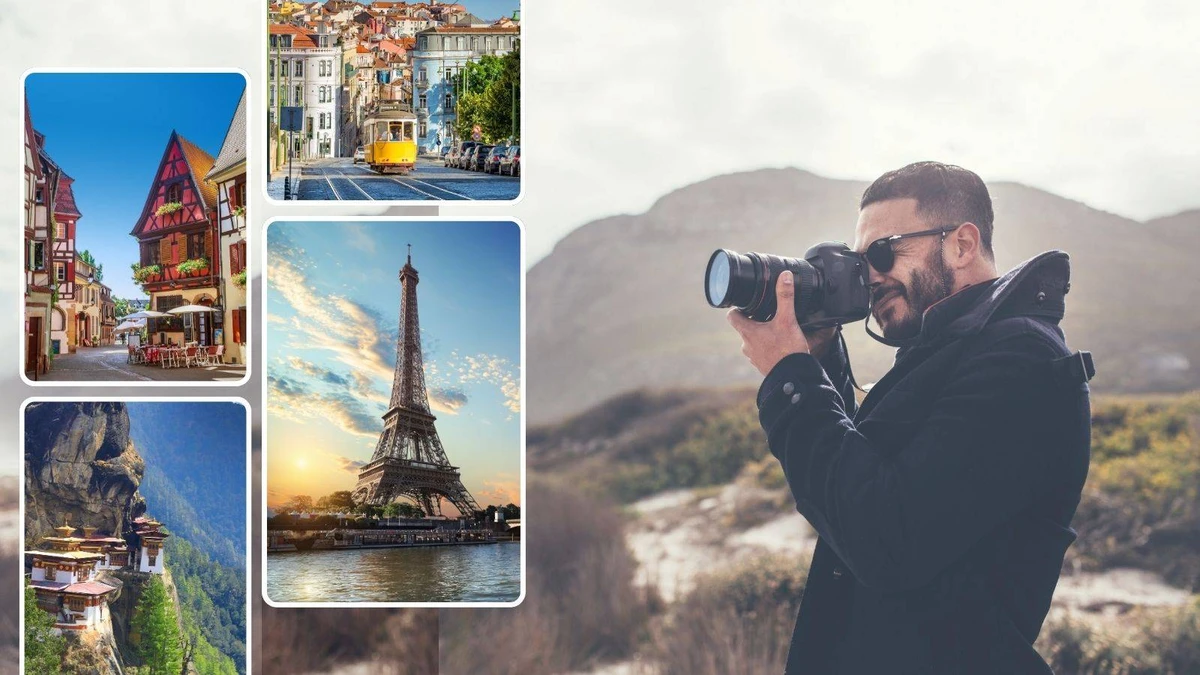
Seasonal timing is critical for maximizing photographic potential and comfort. For example, avoiding April heat in Jaipur reduces risks of overexposure and sun damage, while visiting Tanzania during the Great Migration enhances wildlife capture. Northern regions like Iceland and Lofoten require planning around daylight availability and weather unpredictability.
Respecting local cultures and protected lands is essential. Access permissions for areas like Navajo lands around Antelope Canyon ensure ethical engagement and preservation of heritage sites. Photographers should utilize reputable guides and tour operators to facilitate responsible access and gain local insights.
Transportation and accessibility vary widely; remote destinations such as Antarctica require expedition cruises, while national parks in the USA have well-developed infrastructure. Apps like GetYourGuide provide curated photography tours and logistical support, connecting travelers with experienced guides and exclusive locations.
FAQ
What are the best natural landscapes for travel photography?
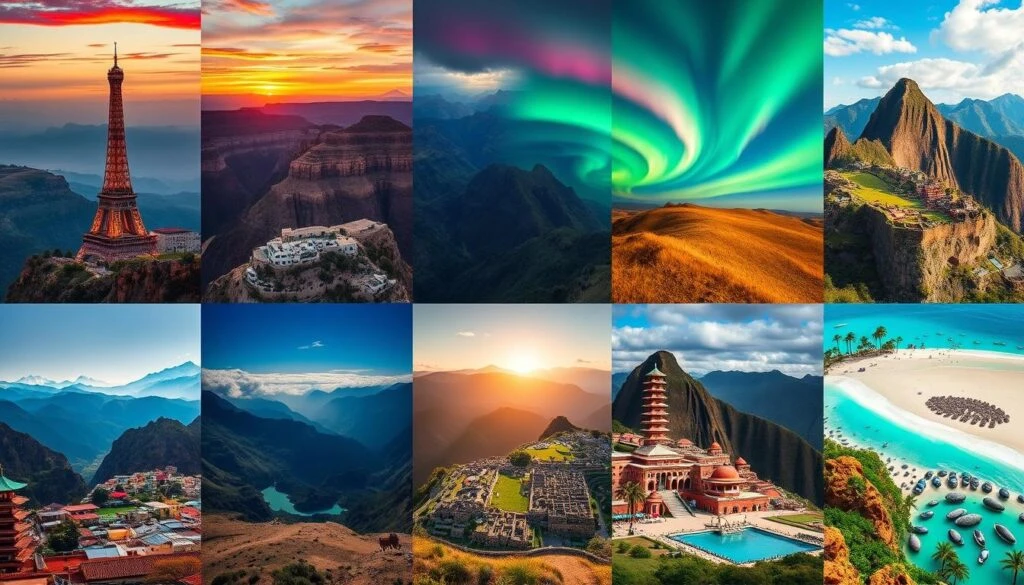
The best natural landscapes include Antarctica’s glaciers and icebergs, Patagonia’s mountain ranges, Iceland’s waterfalls and Northern Lights, and the Lofoten Islands’ Arctic fjords. Each offers unique light conditions and geological features ideal for landscape photography.
Which national parks are top wildlife photography destinations?
Yellowstone and Yosemite National Parks in the USA are renowned for diverse wildlife and geothermal phenomena. Tanzania’s Serengeti and Ngorongoro Crater provide exceptional wildlife encounters, especially during migration seasons.
What cultural destinations offer rich photography opportunities?
Jaipur’s Pink City and Marrakech’s vibrant markets provide rich architectural and cultural subjects. Provence’s lavender fields and Tuscany’s rolling hills add pastoral and historic elements for varied cultural photography.
How can photographers plan for seasonal changes in travel photography?
Photographers should research local climate patterns and seasonal events. For instance, visiting Iceland during winter for Northern Lights or Tanzania during the Great Migration ensures optimal photographic conditions. Adjusting gear and schedules to daylight and weather enhances results.
Are there affordable travel photography destinations with diverse subjects?
Vietnam and Portugal offer affordable travel combined with diverse urban, cultural, and natural scenes. Indonesia’s Sumba and Nusa Penida islands provide untouched tropical settings at budget-friendly rates compared to more popular tropical destinations.
Exploring these destinations with an emphasis on ethical practices and seasonal planning will broaden photographers’ portfolios and enhance technical skills. Integrating local knowledge through photography tours and apps can unlock unique perspectives and support sustainable tourism development.
For additional insights on top photography destinations and expert travel tips, visit Passport & Pixels’ guide to the best places to travel for photographers and The Wandering Lens’ top places to photograph worldwide.