SnapRoamer.com – cultural sensitivity in travel photography requires a nuanced understanding of local customs, ethical considerations, and respectful engagement with subjects. Travelers must recognize that photographing people and cultural practices abroad involves more than technical skill; it demands an awareness of cultural norms, personal space variations, and the potential impact of images on local communities. Ethical photography fosters trust, preserves dignity, and enhances the authenticity of captured moments, differentiating respectful travelers from intrusive tourists.
Permission remains a cornerstone of ethical travel photography. While street photography may often occur without explicit consent, many cultures emphasize personal dignity and privacy, making prior permission essential to avoid offense. For instance, in regions like Marrakech or Leh, sacred sites and private spaces are protected by strict norms prohibiting unauthorized photography. Understanding these boundaries helps photographers navigate complex intercultural interactions and avoid exacerbating tensions caused by intrusive behavior or cultural appropriation.
Understanding Local Customs and Cultural Norms
cultural sensitivity in photography starts with acknowledging variations in personal space and social etiquette. In many Latin American communities, close physical proximity during interactions is common, whereas in parts of India or Morocco, maintaining a respectful distance is crucial. Breaching these unwritten rules can cause discomfort or distrust, undermining photographic opportunities.
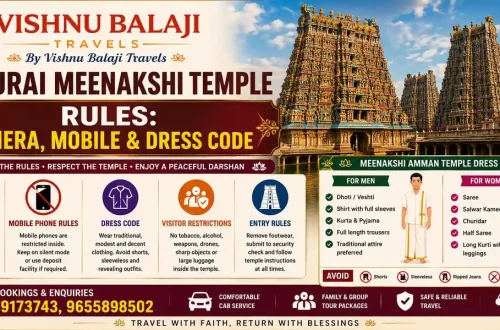
Sacred and private spaces, such as monasteries in Leh or indigenous ceremonial sites in Costa Rica, often have explicit prohibitions against photography. These restrictions are tied to deeply held beliefs and spiritual values. Ignoring them not only disrespects local customs but can result in restricted access or social backlash. Photographers should research cultural norms before travel, consulting local guides or cultural organizations to ensure compliance.
Requests for permission vary by context. In some cultures, asking directly before taking a photograph is expected; in others, subtle nonverbal cues or indirect communication suffice. Recognizing when and how to seek consent demonstrates respect and builds rapport, essential in environments where language barriers exist.
Ethical Practices When Photographing People
Asking permission is more than a formality; it signals respect for the individual’s autonomy and cultural identity. Effective communication about photographic intent can alleviate suspicion, especially in communities with historical experiences of exploitation through imagery. Avoiding “snap and dash” tactics—taking photos quickly without interaction—prevents negative perceptions of tourists and helps maintain the integrity of the photographic exchange.
Respecting personal preferences extends beyond permission. Some individuals may accept photographs but decline close-up portraits or images that reveal sensitive cultural markers. Photographers must honor these boundaries, recognizing that consent can be nuanced and situation-dependent. This approach aligns with ethical photojournalism standards, promoting dignity over sensationalism.
Intrusive photography, such as using telephoto lenses to capture candid moments without consent, risks damaging trust and reinforcing stereotypes. Conversely, transparent interaction fosters cultural exchange, allowing photographers to document authentic expressions and traditions. This dynamic enhances both the quality of images and the traveler’s experience.
The Role of Language and Communication
Language plays a critical role in facilitating respectful photography. Learning basic phrases—such as greetings, expressions of gratitude, and requests for permission—in the local language can bridge cultural divides. For example, simple phrases in Hindi when photographing in India or Spanish in Latin America demonstrate goodwill and openness.
Nonverbal communication also carries significant weight. Eye contact, gestures, and body posture convey respect or disrespect across cultures. Understanding these cues helps photographers avoid misunderstandings. For instance, in some Moroccan contexts, prolonged eye contact may be considered confrontational, whereas a gentle nod can signal consent.
In situations where language barriers persist, using universal signs like showing the camera or previewing images can communicate intent nonverbally. Such practices reduce apprehension and create a collaborative atmosphere around photographic activities.
Case Studies and Practical Examples
In Marrakech, Morocco, photographers who engage with locals through polite introductions and permission requests often gain access to vibrant street scenes and authentic portraits. Respecting market vendors’ time and privacy fosters goodwill, allowing for repeated interactions and deeper cultural insight. Photographers who approach with curiosity rather than entitlement tend to receive warmer responses.
India presents complex challenges regarding personal space and privacy. Many communities emphasize modesty, especially concerning women and children. Photographers must navigate these sensitivities carefully, often relying on intermediaries or community leaders to facilitate introductions. Ethical practices include avoiding photographing vulnerable individuals without consent and respecting community protocols around sacred ceremonies.
In Latin America, photography often serves as a tool for cultural exchange, highlighting shared values and traditions. Photographers who prioritize storytelling over spectacle build meaningful connections. Local festivals and communal events provide opportunities to document collective identity, but only when approached with cultural humility and permission.
Avoiding Cultural Appropriation in Photography
Differentiating cultural appreciation from appropriation is essential for ethical travel photography. Appropriation involves exploiting cultural symbols or practices without understanding or respect, often perpetuating stereotypes or commodifying identities. Appreciation, by contrast, entails honoring and accurately representing traditions while acknowledging the photographer’s positionality.
Photographers should avoid staging images that distort cultural realities or reinforce exoticism. Instead, they can collaborate with local communities to co-create narratives that reflect authentic experiences. This approach includes crediting subjects, sharing photographs responsibly, and supporting local cultural preservation efforts.
ethical photography also means recognizing power imbalances inherent in tourist-photographer relationships. Mindful representation helps dismantle visual hierarchies and promotes equitable cultural exchange.
Benefits of Culturally Sensitive Photography
Respectful photography cultivates trust, enabling access to intimate and meaningful moments otherwise unavailable to outsiders. Subjects who feel acknowledged and valued are more likely to share their stories and traditions openly, enriching the photographic record.
This approach enhances the traveler’s experience by fostering genuine intercultural dialogue and reducing conflicts arising from misunderstandings. Ethical photography contributes to positive perceptions of tourism, mitigating negative impacts on host communities.
Moreover, culturally sensitive images have enduring value for education and advocacy, providing nuanced perspectives that challenge simplistic or biased representations. They support cultural preservation by documenting traditions with integrity and respect.
Travel Photography as a Bridge Between Cultures
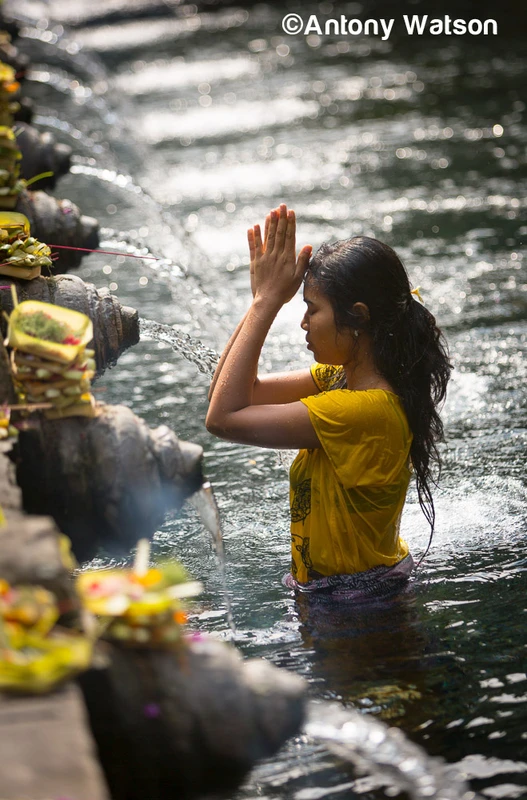
Photography holds transformative power to connect disparate cultures, facilitating empathy and understanding. When practiced ethically, travel photography transcends mere documentation, becoming a medium for intercultural exchange and mutual respect.
Adopting respectful and ethical practices ensures that photography uplifts rather than exploits, fostering sustainable tourism and empowering local communities. As travelers and photographers prepare for journeys, integrating cultural sensitivity into their approach will define the future of ethical travel photography.
Cultural sensitivity in travel photography insights and ethical photography exchange guidelines offer further expert perspectives.
FAQ
Why is asking permission important in travel photography?
Asking permission respects individuals’ autonomy and cultural values, preventing offense and building trust. It also helps avoid legal or social repercussions in communities where photography is sensitive or restricted.
How do cultural norms affect personal space in photography?
Personal space varies widely; some cultures are comfortable with close contact, while others maintain distance. Understanding these differences ensures photographers do not intrude or cause discomfort, which can affect the authenticity of images.
What are key ethical considerations when photographing sacred sites?
Sacred sites often have explicit prohibitions on photography to protect spiritual integrity. Photographers must research and adhere to these rules, seeking local guidance and avoiding any behavior that disrespects religious practices.
How can language skills improve respectful photography abroad?
Basic language skills facilitate communication of intent and consent, reducing misunderstandings. Even simple greetings or requests can demonstrate respect and openness, enhancing interaction quality.
What distinguishes cultural appreciation from appropriation in photography?
Cultural appreciation involves respectful, informed representation and collaboration, while appropriation exploits cultural elements without context or respect, often reinforcing stereotypes or inequalities.
Travelers committed to ethical and culturally sensitive photography contribute to more meaningful, authentic visual narratives that honor the dignity and diversity of global communities.