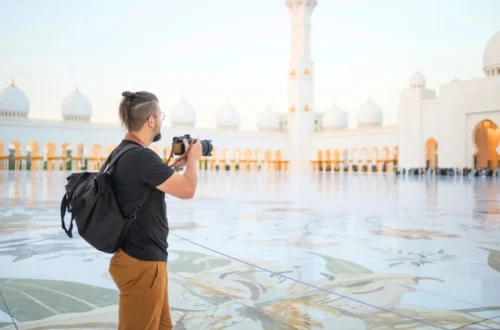
SnapRoamer.com – Capturing the vibrant essence and authenticity of cultural festivals requires a blend of preparation, technical skill, cultural sensitivity, and creative storytelling. Photographers must navigate challenging lighting, dynamic crowds, and fast-paced rituals while respecting local customs. This tutorial provides a detailed, step-by-step guide to mastering festival photography, from initial research and gear selection to ethical engagement and post-processing techniques, ensuring your images not only document but also celebrate cultural richness.
Cultural festivals often present unpredictable environments—varying light conditions, shifting crowds, and spontaneous moments. Successfully photographing these events demands versatile camera gear capable of handling rapid changes and techniques that balance technical precision with creative storytelling. Furthermore, understanding the cultural context and engaging respectfully with participants enhances both access and authenticity in your photographs.
1. Preparing for Cultural Festival Photography
Effective festival photography begins well before the event. Preparation involves thorough research, cultural understanding, and logistical planning.
Investigate the festival’s schedule, key events, and location layout. Identify the main rituals, peak activity times, and any restricted areas. Reliable sources include official festival websites, local tourism boards, and previous photo essays. Knowing when and where critical moments occur allows you to position yourself advantageously.
Learn about the cultural significance of the festival and the customs governing photography. Some rituals may prohibit photography, or require permission. Reading ethnographic accounts or consulting cultural guides ensures respectful interaction. Engaging with locals online prior to the festival can provide insights into sensitivities.
Festivals often take place outdoors, subject to weather variations and changing natural light. Check weather forecasts and plan gear accordingly. Early morning and late afternoon typically offer softer, more flattering light, while harsh midday sun demands careful exposure control. Preparing for low light during evening ceremonies by bringing fast lenses or external lighting is essential.
Collaborate with a local guide or fixer who understands the cultural nuances and language. Fixers facilitate access to restricted areas, introduce you to key participants, and mediate interactions, enhancing both safety and photographic opportunities.
2. Selecting Essential Camera Gear for Festival Photography
Choosing the right equipment is critical for adapting to the unpredictable and fast-paced nature of festivals.
- Wide-Angle Zoom Lens (16-35mm or 24-70mm): Offers versatility to capture expansive crowd scenes and environmental context while allowing close-up shots without changing lenses.
- Telephoto Zoom Lens (70-200mm): Enables capturing candid moments and performers from a distance without intrusion.
- Fast Prime Lenses (50mm f/1.8 or 85mm f/1.8): Useful for low-light conditions and isolating subjects with shallow depth of field.
- Fast Autofocus System: Essential for tracking moving subjects amid crowd dynamics.
- High Burst Rate and Continuous Shooting Mode: Critical to capture fleeting expressions and swift cultural actions.
- Robust Build and Weather Sealing: Protects gear from dust, rain, and accidental impacts common in festival environments.
- Extra Batteries and Memory Cards: Festivals often last hours; extended shooting demands ample power and storage.
- Neck or Shoulder Straps: For comfortable, prolonged carrying.
- Lens Hood and UV Filters: Minimize lens flare under bright sun conditions.
3. Mastering Camera Settings for Dynamic Festival Environments
Adapting camera settings dynamically is crucial for capturing high-quality images in fluctuating light and motion.
- Utilize automatic exposure modes such as Aperture Priority (Av) or Program (P) to maintain flexibility with lighting changes.
- Adjust ISO settings actively: increase ISO in low light but balance to avoid excessive noise. Modern cameras with high ISO performance allow shooting at ISO 3200 or above with acceptable quality.
- Employ exposure compensation to prevent overexposure of bright costumes or underexposure in shadowed areas.
- For freezing motion like dances or fast rituals, use shutter speeds of 1/250 sec or faster.
- To convey movement or atmosphere, experiment with slower speeds (e.g., 1/30 to 1/60 sec) while panning or stabilizing the camera.
- Use image stabilization features when available to reduce blur.
- Activate burst mode to capture rapid sequences, increasing the likelihood of catching peak moments such as facial expressions or gestures.
- Combine with fast autofocus tracking to maintain sharpness throughout the burst.
- Use continuous autofocus (AF-C) for moving subjects.
- Employ face detection or eye autofocus to prioritize key participants.
4. Techniques for Capturing Authentic Moments
Beyond technical settings, your approach to interaction and composition shapes the authenticity and impact of festival photographs.
- Engage respectfully with the festival environment. Participating in rituals or celebrations when invited can yield intimate, candid shots unobtainable from the sidelines.
- Balance involvement with observation to maintain awareness of photographic opportunities.
- Arrive early to scout vantage points free from obstructions and to anticipate crowd flows.
- Move deliberately and patiently through crowds to position yourself for unique perspectives without disturbing participants.
- Photograph performers mid-action to showcase ritual dynamics.
- Include onlookers and crowd reactions to convey the festival atmosphere and social context.
- Focus on details like costumes, instruments, decorations, and symbolic objects to enrich storytelling.
- Incorporate environmental elements such as architecture or landscape to situate the event.
- Use the rule of thirds to arrange subjects dynamically within the frame.
- Identify and exploit patterns and repetition in costumes or movements to emphasize rhythm.
- Frame subjects using natural elements or crowd lines to direct viewer attention.
- Vary perspectives by shooting from low angles or elevated positions when possible.
5. Ethical Considerations and Cultural Respect
Respectful conduct is essential to maintain trust, access, and integrity in cultural festival photography.
- Always seek permission before photographing individuals, especially during intimate or sacred moments.
- Use non-verbal cues or simple greetings in the local language to build rapport.
- Fixers provide cultural insight, translate language nuances, and advise on appropriate behavior.
- Their involvement helps avoid misunderstandings and enhances access to private or restricted events.
- Do not pressure participants for photos or invade personal space.
- Respect signs prohibiting photography and any verbal requests by community members.
- Avoid sensationalizing or misrepresenting cultural practices.
- Choose photos that honor the dignity and meaning of the festival rather than exoticizing or stereotyping subjects.
6. Post-Processing and Storytelling Through Images
Careful curation and editing amplify the narrative power of your festival photographs.
- Review your shots to identify those that best reflect the festival’s energy, key moments, and cultural significance.
- Prioritize images that capture expression, movement, and atmosphere authentically.
- Arrange photos chronologically or thematically to guide viewers through the event’s progression.
- Combine wide shots with close-ups to balance context and detail.
- Enhance color vibrancy to reflect the festival’s lively palette without oversaturation.
- Adjust contrast and clarity to emphasize textures and details.
- Correct exposure imbalances while preserving natural light ambiance.
- Use cropping strategically to improve composition and remove distractions.
- Apply uniform editing presets or adjustments to create a cohesive visual story.
- Avoid heavy retouching that alters the authenticity of the scene.
Troubleshooting Common Festival Photography Challenges
- Increase ISO cautiously to maintain image quality.
- Use fast lenses (f/1.8 or wider aperture) to maximize light intake.
- Stabilize your camera with a monopod or steady surface if available.
- Anticipate crowd movement by observing patterns and positioning yourself near exits or pathways.
- Use telephoto lenses to shoot over or around crowds.
- Rely on aperture priority mode with auto ISO adjustment to adapt swiftly.
- Check exposure regularly and adjust compensation as needed.
- Carry multiple spare batteries and memory cards; swap proactively before depletion.
- Format memory cards after offloading to avoid corruption.
Common Mistakes and How to Avoid Them
Alternative Methods for Festival Photography
Frequently Asked Questions
What are the best camera settings for shooting festivals?
Use aperture priority mode with a moderate aperture (f/4–f/8) for depth of field, adjust ISO dynamically based on light, and keep shutter speed above 1/250 sec to freeze motion. Activate continuous shooting mode for fast action.
How can I approach locals at festivals for permission to photograph?
Approach politely with a smile, use simple greetings or local phrases, and show genuine interest in their culture. When possible, ask permission beforehand and respect refusals.
What lenses are ideal for cultural festival photography?
Wide-angle zoom lenses (16-35mm or 24-70mm) provide versatility for crowd and environment shots, while telephoto zoom lenses (70-200mm) capture candid details from a distance without intrusion.
How do I handle low light during evening festival events?
Increase ISO while balancing noise, use fast lenses with wide apertures (f/1.8 or wider), stabilize your camera, and consider external lighting only if it does not disrupt the event.
Why is hiring a local fixer recommended for festival photography?
Local fixers facilitate access, provide cultural insights, assist with language barriers, and help navigate etiquette, increasing the chances of capturing authentic, respectful images.
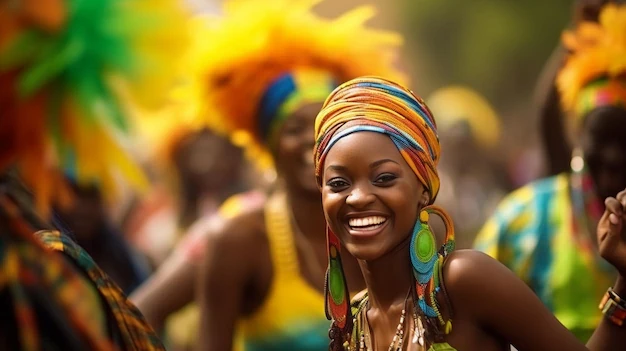
Photographing cultural festivals successfully demands a fusion of technical proficiency, cultural empathy, and storytelling skills. By preparing thoroughly, selecting appropriate gear, mastering adaptable camera settings, engaging respectfully with participants, and applying thoughtful post-processing, photographers can create compelling visual narratives that honor the spirit of these vibrant events. For further guidance on festival photography techniques, consult the Ultimate Guide to Photographing Cultural Festivals and practical tips from Travel Photography Festival Advice.