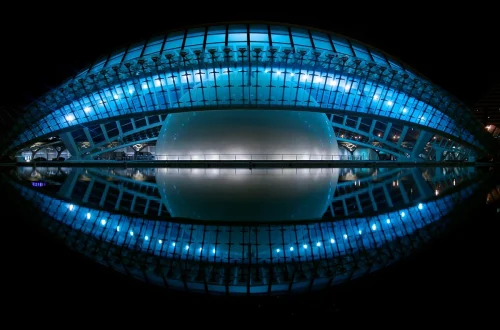
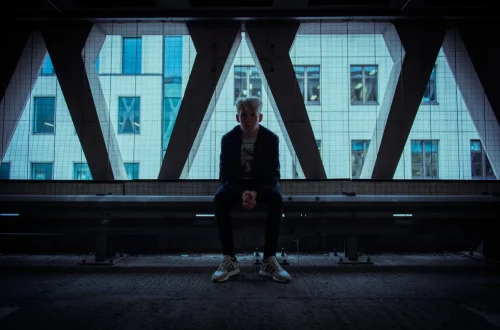
SnapRoamer.com – Symmetry in photography is a powerful compositional tool that involves arranging elements so they mirror each other along an axis, creating balance and harmony in the frame. This technique is widely used in architectural photography, portraits, and creative shots featuring reflections or repetitive patterns. Precise centering of the axis of symmetry and the use of wide-angle lenses, typically around 24mm focal length, significantly enhance the visual impact of symmetrical compositions. Mastering various types of symmetry—including vertical, horizontal, radial, reflective, and dynamic symmetry—can elevate photographic work by emphasizing structure, balance, and aesthetic appeal.
This tutorial provides a detailed guide on effectively using symmetry in photography to improve composition across genres such as architecture, portraits, wedding photography, and creative imagery. It includes practical shooting techniques, gear recommendations, and examples inspired by influential photographers and visual artists. Readers will learn how to identify symmetry in everyday scenes and apply advanced concepts like dynamic symmetry grids to create compelling, balanced images.
Types of Symmetry in Photography
symmetry in photography manifests in several distinct forms, each offering unique compositional possibilities and challenges. Understanding these types helps photographers select the appropriate approach for their subject and creative intent.
Vertical symmetry divides the image into two halves mirrored along a vertical axis, commonly used in architectural photography to emphasize buildings, bridges, and staircases. Horizontal symmetry mirrors elements across a horizontal axis, often seen in reflections over water or glass surfaces. Both require careful alignment of the axis of symmetry to maintain balance.
This form involves elements arranged around a central point, radiating outward evenly. Radial symmetry is common in circular staircases, domes, and certain floral patterns but is challenging to capture perfectly due to the need for precise centering and lens distortion control.
Reflective symmetry uses surfaces like water, glass, or prisms to create mirror images. This technique can double the visual interest of an image by incorporating near-perfect reflections, enhancing depth and complexity.
Rotational symmetry involves elements arranged evenly around a center point but rotated at equal angles. Translational symmetry features repeating patterns, such as a series of windows or art murals, extending across the frame. Both forms add rhythm and pattern to compositions.
Each symmetry type offers distinct visual cues, enabling photographers to create balance, focus, or dynamic tension depending on their creative goals.
Practical Techniques for Capturing Symmetry
To harness symmetry effectively, photographers must employ specific techniques during shooting, focusing on framing, gear choices, and subject interaction.
Aligning the axis of symmetry precisely in the frame is paramount. Use your camera’s grid overlays or electronic level to center the shot. Slight deviations can disrupt the symmetrical balance and weaken the composition’s impact.
Locate reflective surfaces such as still water bodies, glass windows, or polished floors. Position yourself to capture the reflection’s mirror line parallel to the camera sensor plane. Employ a prism or reflective object in front of the lens for creative distortions and layered symmetry effects.
Experiment with different vantage points. For architectural symmetry, shooting straight-on to the facade or structure ensures clarity. In portraits and wedding photography, positioning subjects against murals or staircases with symmetrical patterns adds depth. Top-down views can reveal radial or translational symmetry in man-made objects or natural patterns.
Wide-angle lenses, especially around 24mm focal length, help capture entire symmetrical scenes while minimizing distortion. Tilt-shift lenses can correct perspective distortion in architectural shots. Tripods aid in stabilizing the camera for precise composition, especially in low light or reflective symmetry.
Identify the mirror line or symmetry axis early in composition. Keep the axis parallel to the camera sensor to avoid skewed symmetry. Adjust framing to include balanced elements on both sides to reinforce the symmetrical effect.
Applying Symmetry Across Photography Genres
Symmetry enriches various photography genres by emphasizing structure, balance, and aesthetic harmony. Here are practical approaches for key genres:
Bridges, buildings, staircases, and urban structures often exhibit inherent symmetrical features. Capture these subjects head-on with careful alignment of vertical and horizontal axes. Wide-angle lenses help include the full scene, while tilt-shift lenses manage perspective distortion. Examples include photographing iconic bridges with symmetrical arches or the facade of classical buildings.
Incorporate symmetrical backgrounds such as art murals, patterned staircases, or symmetrical interiors to frame subjects centrally. This technique conveys strength and importance in portraits. For wedding photography, symmetrical compositions can enhance the grandeur of venues and the emotional focus on the couple. Use shallow depth of field to separate the subject from the symmetrical background while maintaining overall balance.
Use top-down shots to reveal radial or translational symmetry in objects like tiled floors or circular staircases. Employ prisms or reflective surfaces to introduce layered symmetry and abstract patterns. Repetitive elements such as rows of doors or windows create translational symmetry that adds rhythm and movement to images.
Advanced Concept: Dynamic Symmetry
Dynamic symmetry expands on traditional mirroring by using geometric grids based on natural proportions to guide composition beyond simple reflection.
Originating from classical art principles, dynamic symmetry involves overlaying grids (often based on the golden ratio or root rectangles) to place elements harmoniously within the frame. This approach balances visual weight more fluidly than strict mirroring.
Photographers like Henri Cartier-Bresson employed dynamic symmetry to achieve balanced yet dynamic compositions, blending geometry with natural spontaneity. Filmmaker Wes Anderson’s visual style also draws from symmetry principles, combining precise framing with narrative impact.
Use grid overlays in-camera or in post-processing to align key elements such as the subject’s eyes, architectural features, or reflection points. This technique demands patience and compositional awareness but yields visually engaging results that avoid rigidity.
Dynamic symmetry requires understanding grid structures and the subject’s relationship to them. Start by practicing with simpler vertical or horizontal symmetry, then gradually integrate grid-based placement. Balance symmetry with asymmetrical elements to maintain visual interest.
Common Challenges and How to Overcome Them
Symmetry photography presents unique difficulties that require deliberate solutions.
Radial symmetry demands exact centering and control over lens distortion. Use a tripod and bubble level to stabilize the camera. Correct barrel distortion in post-processing when shooting with wide-angle lenses.
Overuse of symmetry can create static or unnatural images. Introduce slight asymmetry in subject pose, lighting, or background elements to maintain dynamism. Break symmetry intentionally to add tension or narrative depth.
While symmetry often breaks traditional composition rules like the rule of thirds, it can be powerful when applied thoughtfully. Combine symmetry with leading lines or framing techniques to guide viewer attention effectively.
Reflections can be affected by wind, light glare, or surface imperfections. Shoot during calm weather or use polarizing filters to manage glare. Experiment with angles to find the clearest reflections.
Troubleshooting Symmetry Photography
When symmetry compositions don’t work as expected, consider the following troubleshooting steps:
Frequently Asked Questions

What is the best lens for capturing symmetry in photography?
Wide-angle lenses around 24mm focal length are ideal for capturing symmetrical scenes, especially in architecture and urban settings. They offer a broad field of view while minimizing distortion. Tilt-shift lenses help correct perspective distortion to maintain symmetry accuracy.
How do I ensure my axis of symmetry is perfectly centered?
Use your camera’s grid overlays and electronic level to align the mirror line parallel to the sensor. Employ a tripod for stability and take multiple shots, adjusting framing incrementally. Post-processing cropping can fine-tune centering if necessary.
Can symmetry be used effectively in portrait photography?
Yes, symmetry in portraiture emphasizes balance and draws attention to the subject. Position the subject against symmetrical backgrounds such as murals or staircases, and center them precisely. Use shallow depth of field to separate the subject while maintaining the symmetrical context.
What are common mistakes to avoid when photographing reflections for symmetry?
Avoid shooting during windy conditions that disturb water surfaces. Be cautious of glare and reflections from external light sources; use polarizing filters or adjust angles. Ensure the reflective surface is clean and undistorted for a clear mirror image.
How can I incorporate dynamic symmetry into my photography?
Start by studying geometric grids based on the golden ratio or root rectangles. Overlay these grids on your viewfinder or in post-processing to position key compositional elements. Practice balancing symmetry with asymmetrical features for dynamic and engaging images.
Symmetry offers photographers a versatile compositional method that enhances visual harmony and impact across genres. By mastering precise centering, selecting appropriate lenses, and exploring advanced grid systems like dynamic symmetry, photographers can create images that resonate with balance and aesthetic appeal. Exploring urban architecture, reflections, and creative perspectives unlocks endless opportunities for symmetrical photography.
For further detailed insights and technique demonstrations, see the comprehensive guides from Adorama’s symmetry photography tutorial and Digital Photography School’s guide on central composition.
Looking ahead, photographers are encouraged to experiment with symmetry in unconventional settings and combine it with emerging technologies like AI-assisted composition tools to further refine and innovate their visual storytelling.